
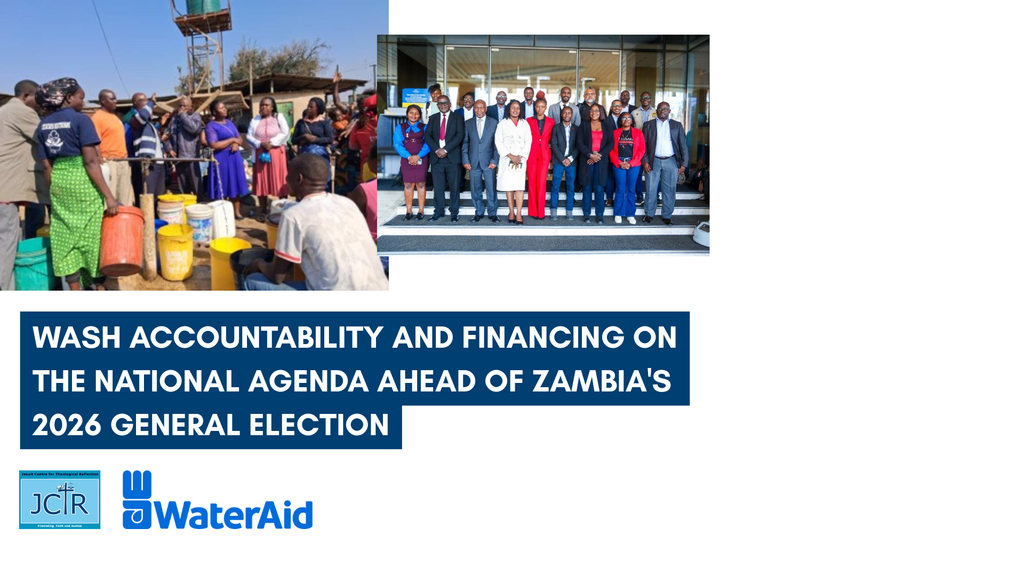
July 1 to 3, 2026 - Zambia
The Jesuit Centre for Theological Reflection (JCTR), in partnership with WaterAid Zambia, advanced its Water, Sanitation and Hygiene (WASH) accountability agenda through coordinated activities at community and national levels. From community-led monitoring in four districts to policy engagement on the 2027 National Budget and national television discussions on decentralisation and public service delivery, the three-day series of engagements demonstrated how local evidence can inform national advocacy at a critical moment in Zambia's democratic and development journey.
The activities form part of the project Strengthening Inclusive and Climate-Resilient WASH Accountability in Zambia, a partnership between JCTR and WaterAid Zambia working in Monze, Mazabuka, Choma and Nkeyema Districts. The initiative seeks to strengthen community participation in WASH governance by empowering citizens to monitor public services, engage duty bearers, and advocate for equitable investment in water and sanitation infrastructure. As Zambia prepares for the 13 August 2026 General Election and the transition from the Eighth National Development Plan (8NDP) to the Ninth National Development Plan (9NDP), strengthening accountability in essential public services remains central to ensuring that development leaves no one behind.
Why WASH Matters
Access to clean water, safe sanitation and good hygiene is fundamental to human dignity, public health and sustainable development. Collectively referred to as WASH, these services are essential for preventing disease, improving educational outcomes, promoting gender equality and strengthening economic productivity.
Yet for many communities in Zambia, particularly those in rural and underserved areas, access to reliable WASH services remains a daily challenge. Women and girls often bear the responsibility of travelling long distances to collect water, reducing the time available for education, income-generating activities and other productive pursuits. Inadequate sanitation facilities expose communities to preventable diseases such as cholera, diarrhoea and typhoid, while poor hygiene contributes to recurring public health emergencies.
The effects are particularly severe for marginalised groups, including persons with disabilities, older persons, children and low-income households. Climate change has further intensified these challenges by increasing the frequency of droughts and extreme weather events, placing additional pressure on already fragile water systems.
Improving WASH services is therefore not merely an infrastructure issue; it is a matter of social justice, public accountability and human rights.
Why WASH Accountability Matters
While Zambia has made progress in expanding access to water and sanitation, service delivery often depends not only on financial investment but also on effective governance, transparency and citizen participation.
WASH accountability ensures that communities are able to monitor the quality and accessibility of services, raise concerns with relevant authorities and participate meaningfully in decisions affecting their lives. It strengthens the relationship between citizens and duty bearers by creating structured opportunities for dialogue, evidence-based advocacy and responsive governance.
For marginalised communities, accountability mechanisms help ensure that public resources reach intended beneficiaries and that investments are guided by the realities experienced on the ground rather than assumptions made from afar.
Community monitoring, social accountability tools and citizen scorecards also provide government institutions with valuable evidence that can improve planning, budgeting and service delivery.
Community Monitors Lead Independent WASH Assessments
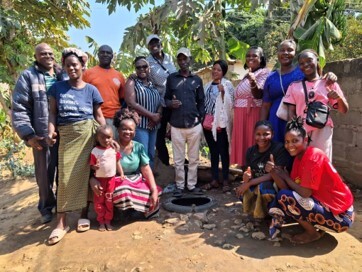
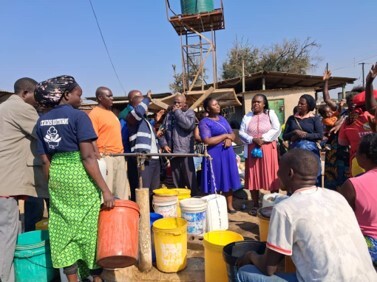
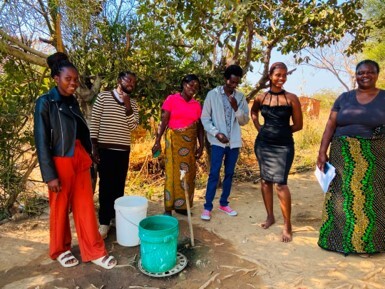
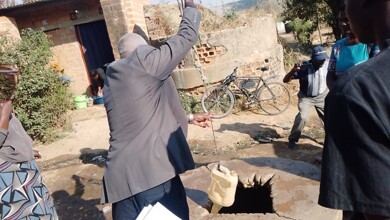
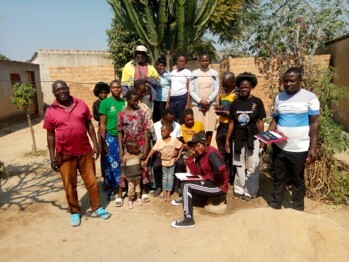
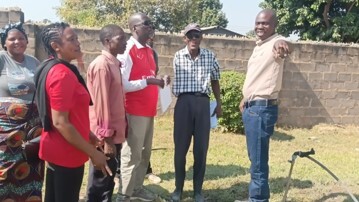
From 1 to 3 July 2026, trained community monitors independently conducted WASH scorecard assessments across Monze, Mazabuka, Choma and Nkeyema Districts.
This marked an important milestone for the project, as community monitors led the exercise without direct supervision from JCTR staff, demonstrating increased local ownership and confidence in applying social accountability tools.
Using both digital and paper-based scorecards, the monitors assessed water points within their respective communities, documenting service functionality, accessibility, maintenance challenges and user experiences.
The exercise generated locally owned evidence that will support constructive engagement between communities, local authorities and other duty bearers responsible for WASH service delivery.
By placing monitoring tools directly in the hands of community members, the project reinforces the principle that citizens are not passive recipients of development but active participants in shaping better public services.
Advancing Evidence-Based Financing for the 2027 National Budget
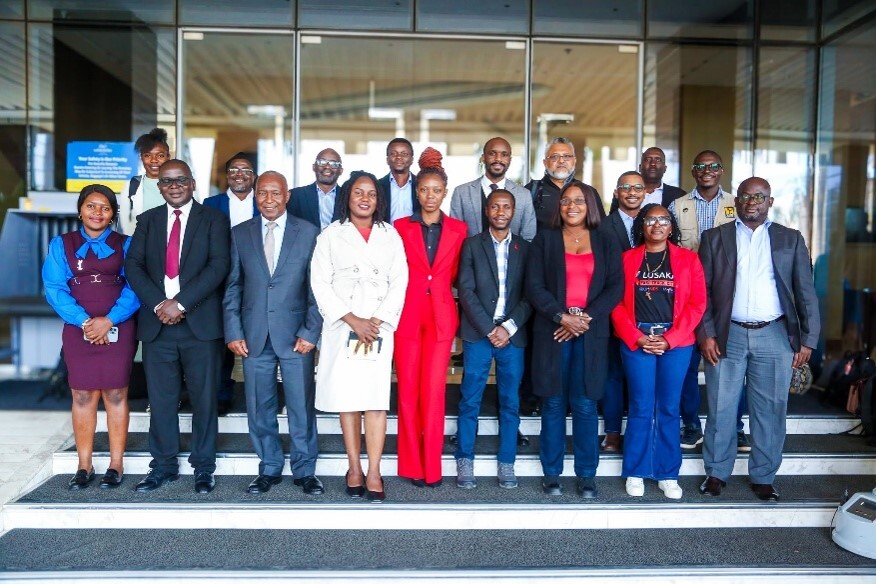
On 3 July 2026, JCTR joined WaterAid Zambia, the NGO WASH Forum and the Local Government Association of Zambia (LGAZ) in convening a multi-stakeholder dialogue focused on developing an evidence-based Social Sector and WASH budget submission for the 2027 National Budget.
The dialogue brought together stakeholders to examine financing gaps, identify priority investment areas and strengthen recommendations for increased public spending on WASH.
Despite the recognised importance of water and sanitation services, WASH financing currently accounts for approximately 1% of Zambia's national budget, considerably below the 5% benchmark established under the Eighth National Development Plan (8NDP).
Participants emphasised that increased investment in WASH should be viewed not simply as expenditure but as an investment in public health, education, economic resilience and national development. Reliable water and sanitation systems reduce healthcare costs, improve school attendance, enhance productivity and contribute to climate resilience.
The budget dialogue therefore sought to ensure that recommendations submitted to Government are grounded in evidence generated from communities and aligned with Zambia's broader development priorities as the country prepares to implement the Ninth National Development Plan.
National Television Discussion Highlights WASH Ahead of the Election
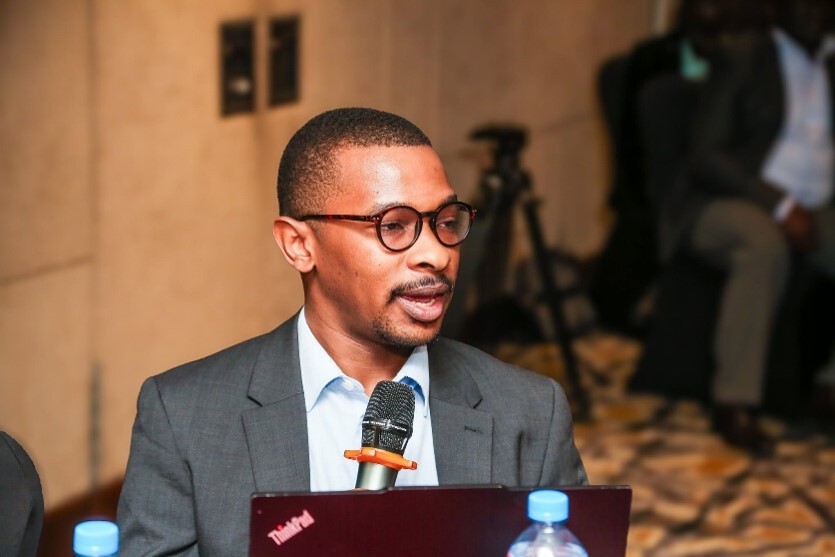
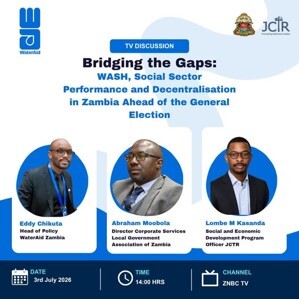
Later that afternoon, representatives from WaterAid Zambia, LGAZ and JCTR participated in a live discussion on ZNBC TV titled:
"Bridging the Gaps: WASH, Social Sector Performance and Decentralisation in Zambia Ahead of the General Election."
The discussion explored progress made in expanding WASH services while highlighting persistent inequalities affecting many communities.
Panelists reflected on the role of decentralisation in improving service delivery, the importance of citizen participation in local governance and the need for sustained investment in social sectors as Zambia transitions into the Ninth National Development Plan.
The conversation also underscored how electoral periods provide an important opportunity for citizens to engage political leaders on commitments relating to water, sanitation and hygiene. As political parties present their policy priorities, ensuring that WASH remains visible within public discourse is essential to securing long-term improvements in service delivery.
Linking Community Evidence to National Policy
Taken together, the three activities demonstrate how community-generated evidence can influence policy discussions beyond district boundaries.
The independent monitoring conducted by community volunteers provides practical information about the realities experienced by citizens accessing WASH services. That evidence strengthens national advocacy efforts, including budget submissions and policy dialogue with government institutions and development partners.
This approach reflects JCTR's broader commitment to promoting social accountability by ensuring that citizens, especially those from marginalised communities, have opportunities to participate meaningfully in governance processes.
Rather than treating communities solely as beneficiaries of development programmes, the project recognises them as partners whose lived experiences are essential for improving public service delivery.
Looking Ahead
As Zambia approaches the 2026 General Election and prepares for the implementation of the Ninth National Development Plan, strengthening accountability within the WASH sector remains essential.
Expanding access to safe water, adequate sanitation and improved hygiene requires not only increased financing but also stronger institutions, transparent governance and sustained citizen engagement.
Through its partnership with WaterAid Zambia, JCTR continues to promote community-driven accountability, evidence-based advocacy and inclusive dialogue that places the voices of ordinary citizens at the centre of development planning.
By connecting community monitoring with national policy engagement, the project demonstrates that meaningful improvements in WASH services are achieved when citizens, civil society organisations and public institutions work together to ensure that public resources deliver lasting benefits for all.

"A just Zambian society guided by faith, where everyone enjoys the fullness of life".