
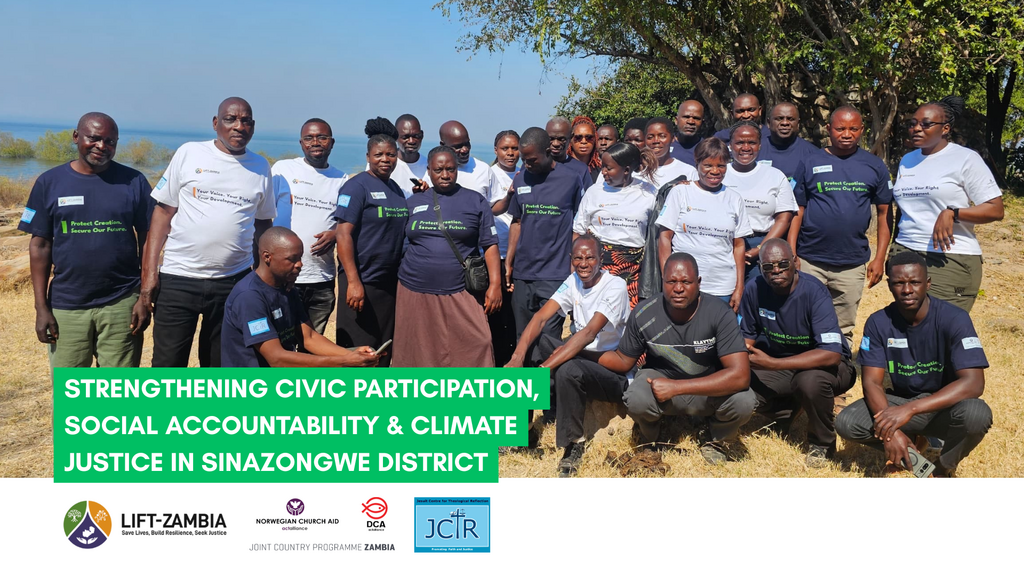
July 13 - 16, Sinazongwe, Southern Province, Zambia
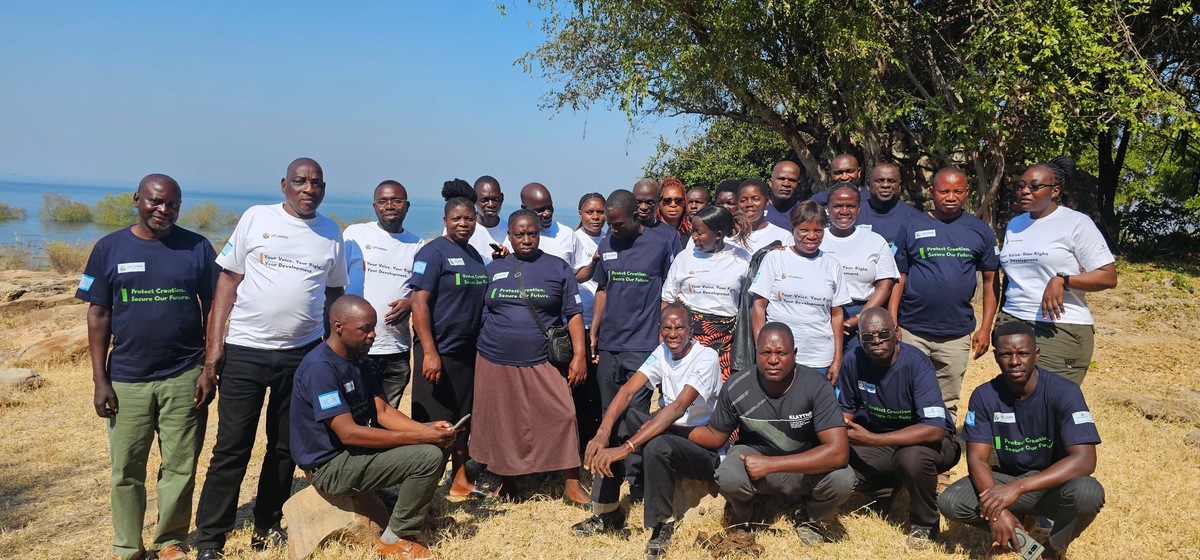
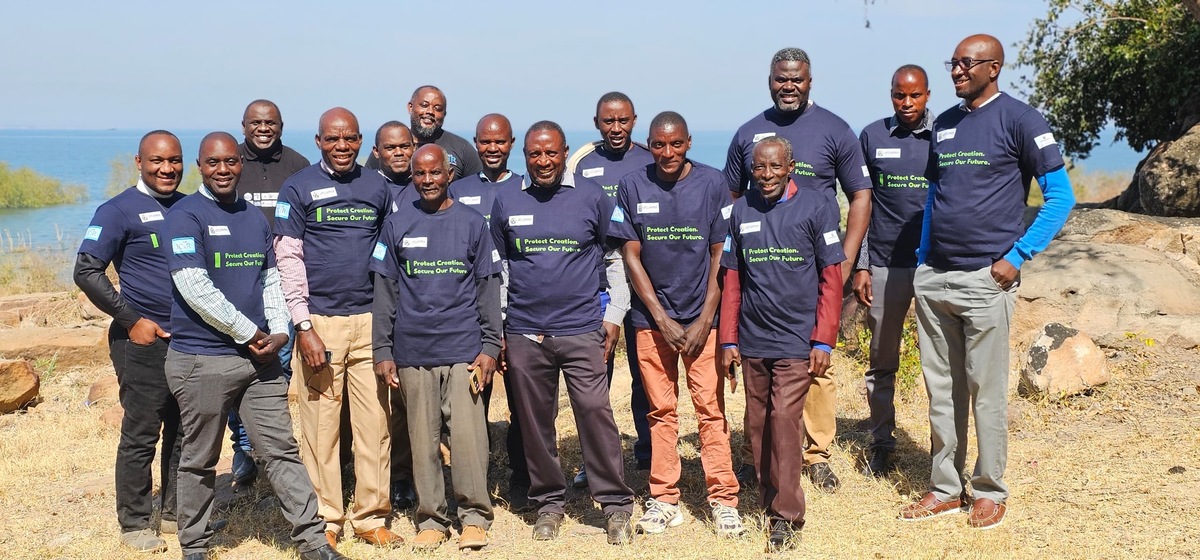
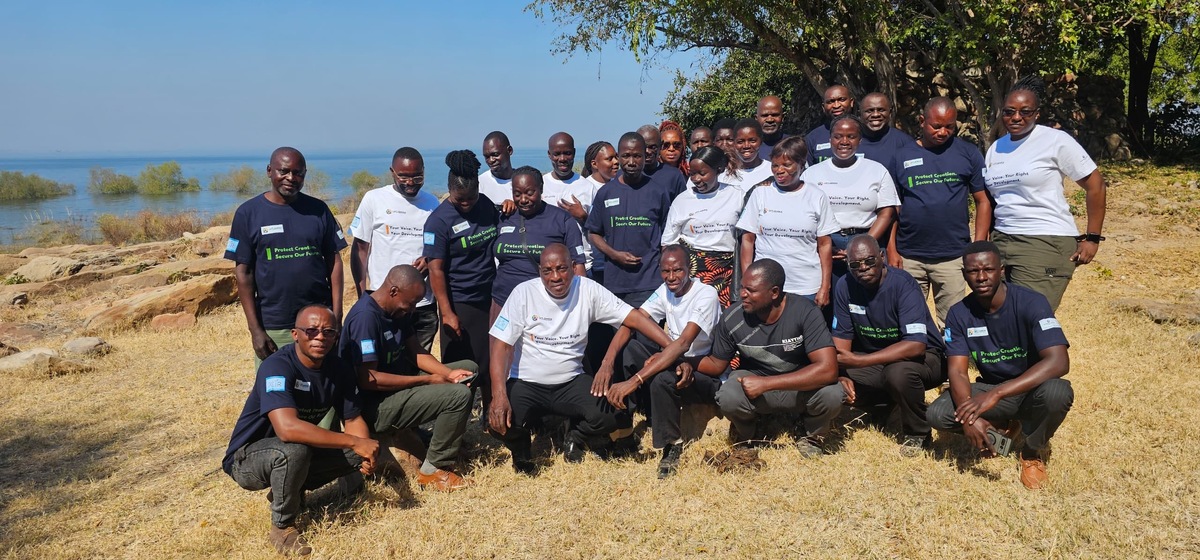
The Jesuit Centre for Theological Reflection (JCTR) successfully conducted a four-day community engagement programme in Sinazongwe District, Southern Province, from 13–16 July 2026 under the Driving Resilience Through Empowerment and Inclusive Economic Governance Project on the LIFT Zambia programme supported by the Norwegian Church Aid and Danish Church Aid ActAlliance (Joint Country Programme Zambia). The engagements formed part of JCTR's continued efforts to strengthen democratic governance, deepen social accountability, and promote climate justice by empowering communities with the knowledge and tools needed to participate meaningfully in public affairs.
The programme brought together community members, faith leaders, public officials and electoral stakeholders through a series of interactive activities designed to enhance civic awareness, encourage active citizenship, and strengthen local accountability mechanisms. By integrating civic education, social accountability and faith-based environmental advocacy, the initiative demonstrated JCTR's holistic approach to advancing inclusive and sustainable development.
Promoting Informed and Active Citizenship
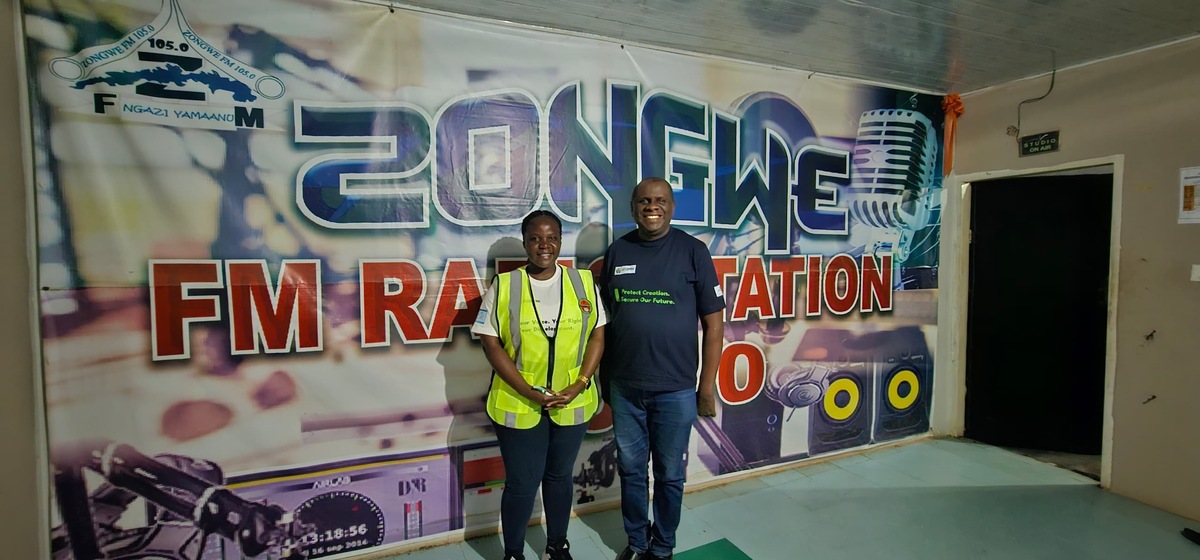
A key component of the programme focused on civic and voter education ahead of Zambia's electoral process. Working in collaboration with the District Voter Education Coordinator, JCTR facilitated community radio programmes that reached a broad audience with timely and accessible information on democratic participation.
The discussions highlighted the importance of informed decision-making, peaceful participation in elections, and the responsibilities that accompany the right to vote. Community members were encouraged to participate actively throughout the electoral cycle while recognising that democracy is strengthened when citizens remain engaged before, during and after elections.
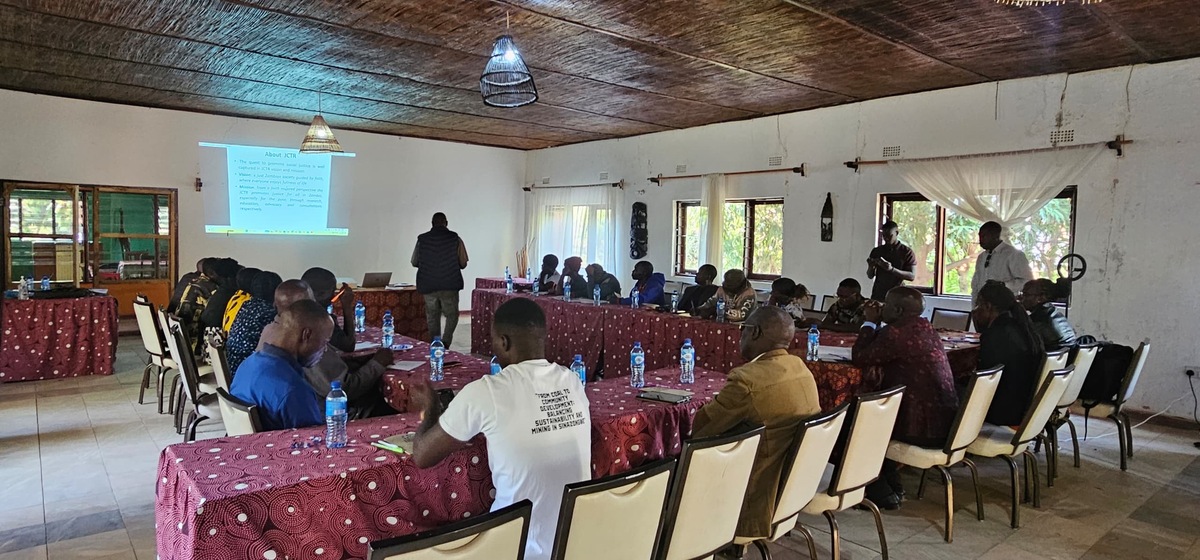
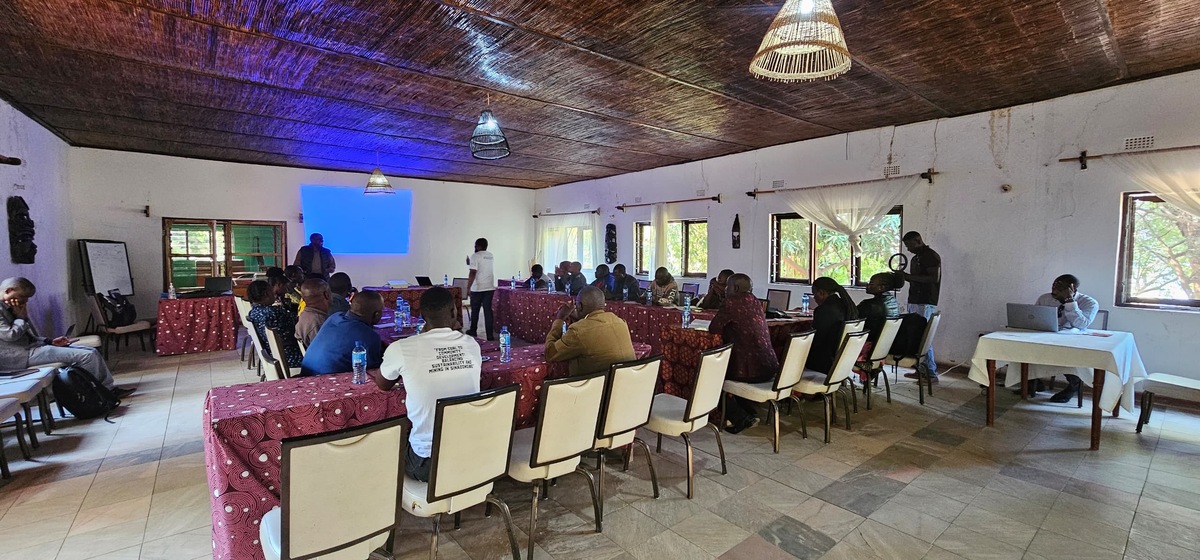
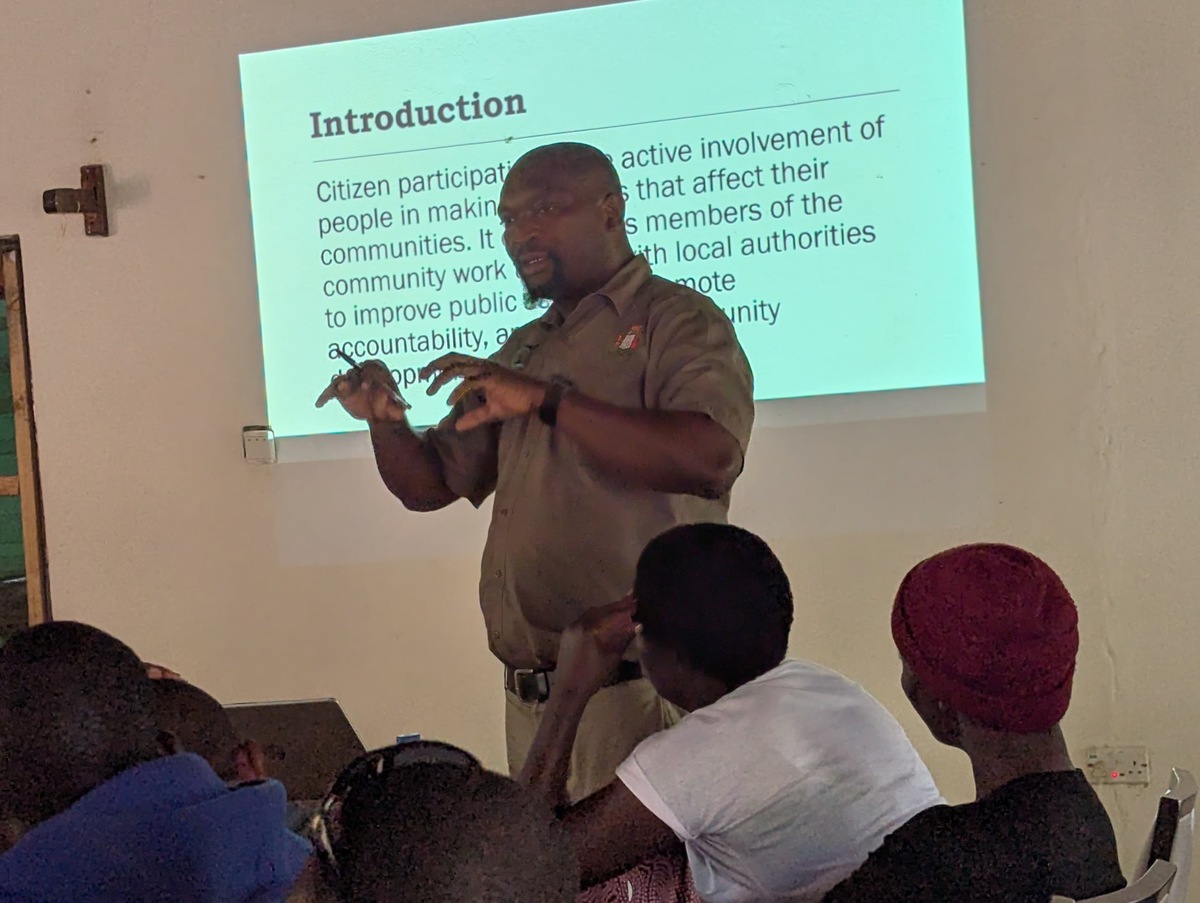
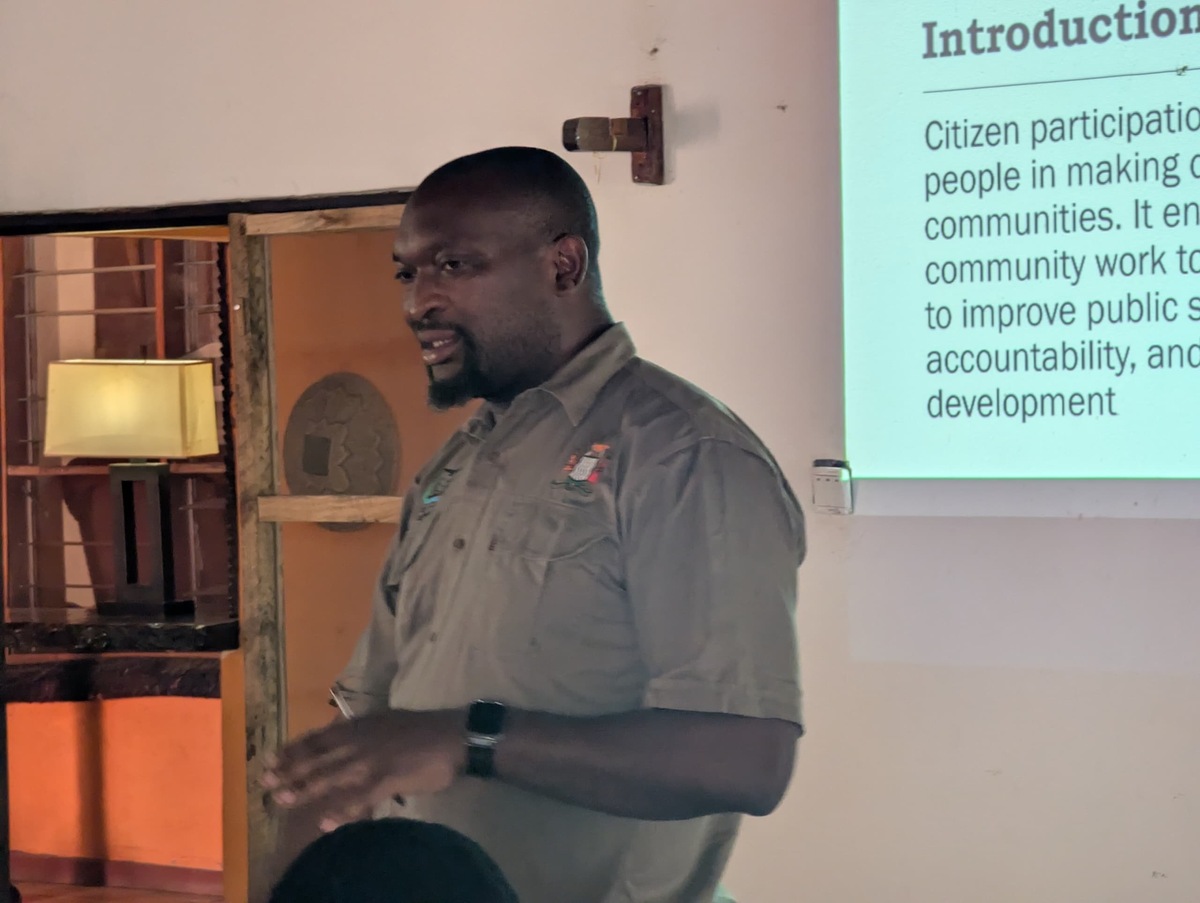
To complement the radio outreach, JCTR conducted community training sessions on civic participation and Zambia's electoral process. Participants were guided through the country's electoral framework, constitutional rights and responsibilities, and the various stages involved in the conduct of elections. The sessions also reinforced the understanding that active citizenship extends well beyond casting a ballot. Citizens were encouraged to engage consistently in governance processes by participating in community dialogue, monitoring public institutions, and contributing to decision-making processes that affect their lives.
Strengthening Social Accountability at Community Level
Recognising that responsive governance depends on active citizen oversight, JCTR also facilitated social accountability monitoring sessions aimed at enhancing communities' capacity to hold public institutions accountable.
Participants received practical training on monitoring the delivery of public services and tracking the implementation of community development projects, including initiatives financed through the Constituency Development Fund (CDF). The sessions introduced participants to practical social accountability tools that enable communities to gather evidence, engage constructively with duty bearers, identify service delivery gaps, and advocate for responsive governance.
The discussions emphasised that accountability is a shared responsibility requiring continuous dialogue between citizens and public institutions. By equipping communities with practical monitoring skills, the programme sought to strengthen transparency, improve public service delivery, and promote more effective utilisation of public resources.
Faith Communities Champion Climate and Environmental Justice
The programme also reinforced the important contribution of faith communities to sustainable development through the convening of an Inter-Confessional and Interfaith Advocacy Alliance.
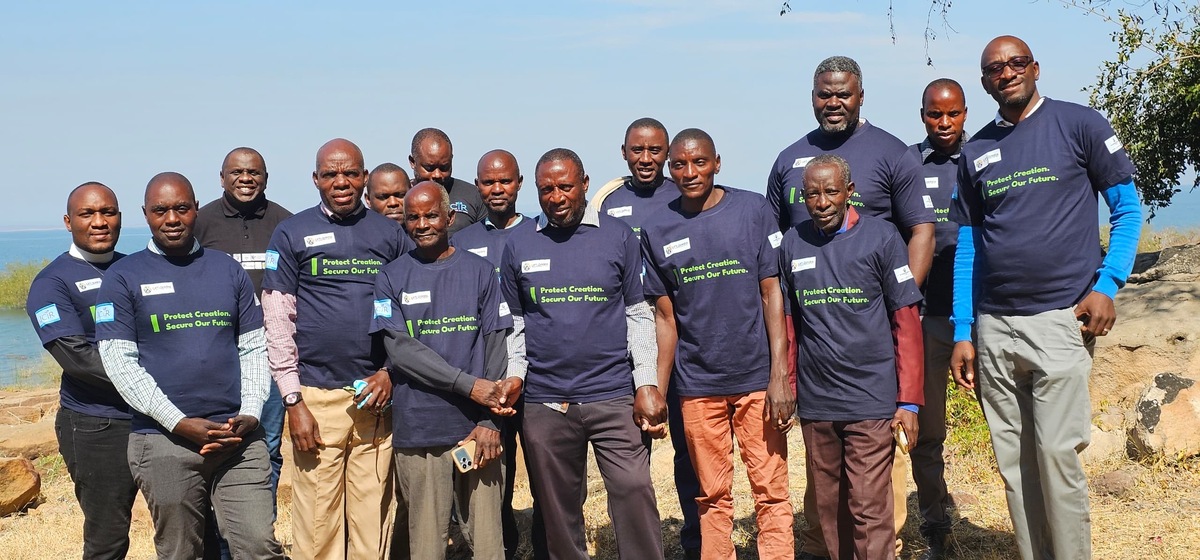
The gathering brought together faith leaders from different Christian denominations to strengthen collaboration on climate and environmental justice. The dialogue provided an opportunity for participants to reflect on their shared responsibility to care for creation while responding to the increasing environmental challenges affecting vulnerable communities.
Drawing inspiration from Catholic Social Teaching and Pope Francis' encyclical Laudato Si', participants reflected on the moral and spiritual imperative to protect the environment and promote sustainable stewardship of natural resources. Discussions explored the role that faith institutions can play in raising awareness, influencing public discourse, mobilising communities, and advocating for policies that build climate resilience and safeguard livelihoods.
The engagement reaffirmed that faith leaders remain trusted voices within communities and are well positioned to promote environmental stewardship while amplifying the concerns and aspirations of those most affected by climate change.
Building Resilient, Inclusive and Just Communities
The four-day engagement demonstrated the interconnected nature of democratic governance, social accountability and environmental sustainability. By combining civic education, community monitoring and faith-based advocacy, JCTR continues to promote an integrated approach that empowers citizens to become active participants in shaping their communities.
The initiative also strengthened collaboration between citizens, faith leaders and public institutions, fostering dialogue and collective action around governance, accountability and sustainable development. Such partnerships are essential in building resilient communities capable of responding effectively to social, economic and environmental challenges.
As Zambia continues to advance democratic participation and pursue sustainable development, JCTR remains committed to accompanying communities through evidence-based advocacy, civic empowerment and values-driven engagement. Through initiatives such as the Driving Resilience Through Empowerment and Inclusive Economic Governance Project, JCTR continues to strengthen the capacity of citizens to participate meaningfully in governance processes, demand accountability from public institutions, and advocate for policies that uphold human dignity, social justice and care for our common home.
By investing in informed citizen participation, stronger accountability systems and collaborative environmental advocacy, JCTR is contributing to the creation of resilient, inclusive and just communities where every citizen has the opportunity to shape a more equitable and sustainable future.




"A just Zambian society guided by faith, where everyone enjoys the fullness of life".