

Thursday, July 30, 2026 - Lusaka
As Zambia prepares for the 13 August 2026 General Election, questions around transparency, accountability and informed democratic participation remain central to public debate.
One key question shaped discussions at a policy engagement convened by the Jesuit Centre for Theological Reflection (JCTR):
Should citizens be asked to elect leaders without access to information about their financial interests, assets and beneficial ownership of companies?
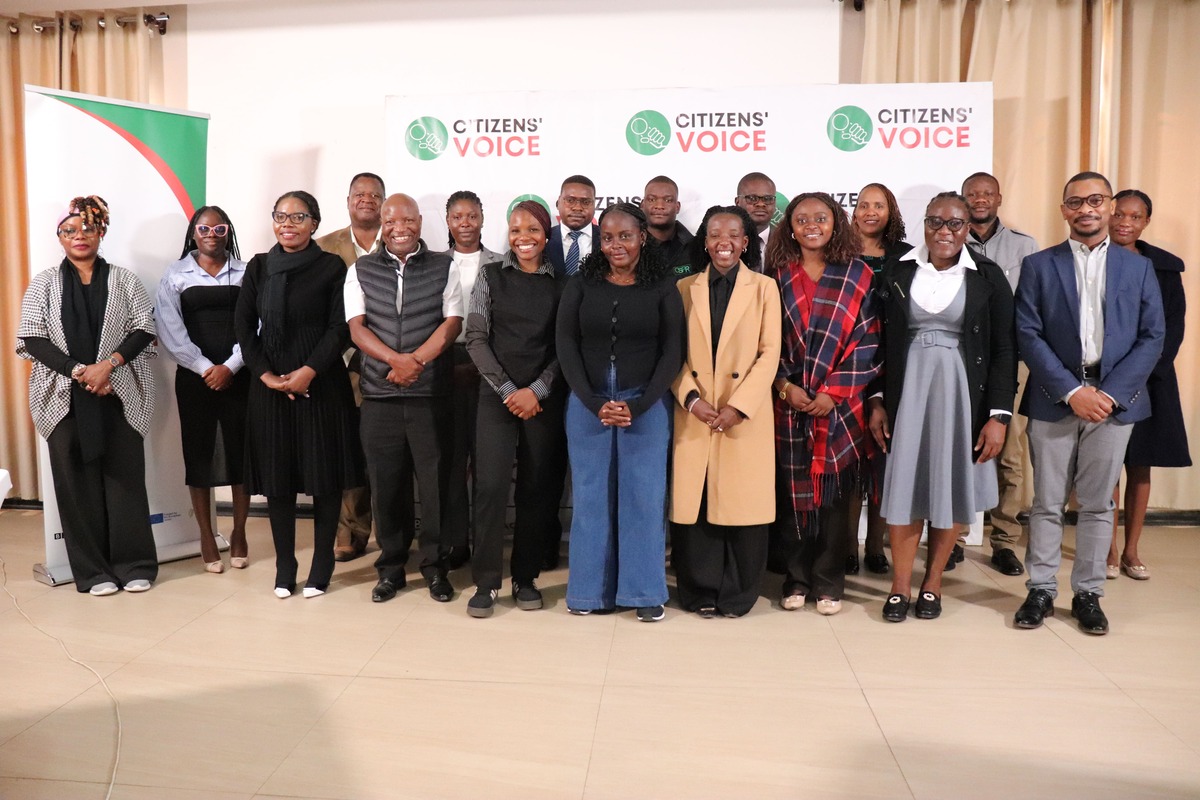
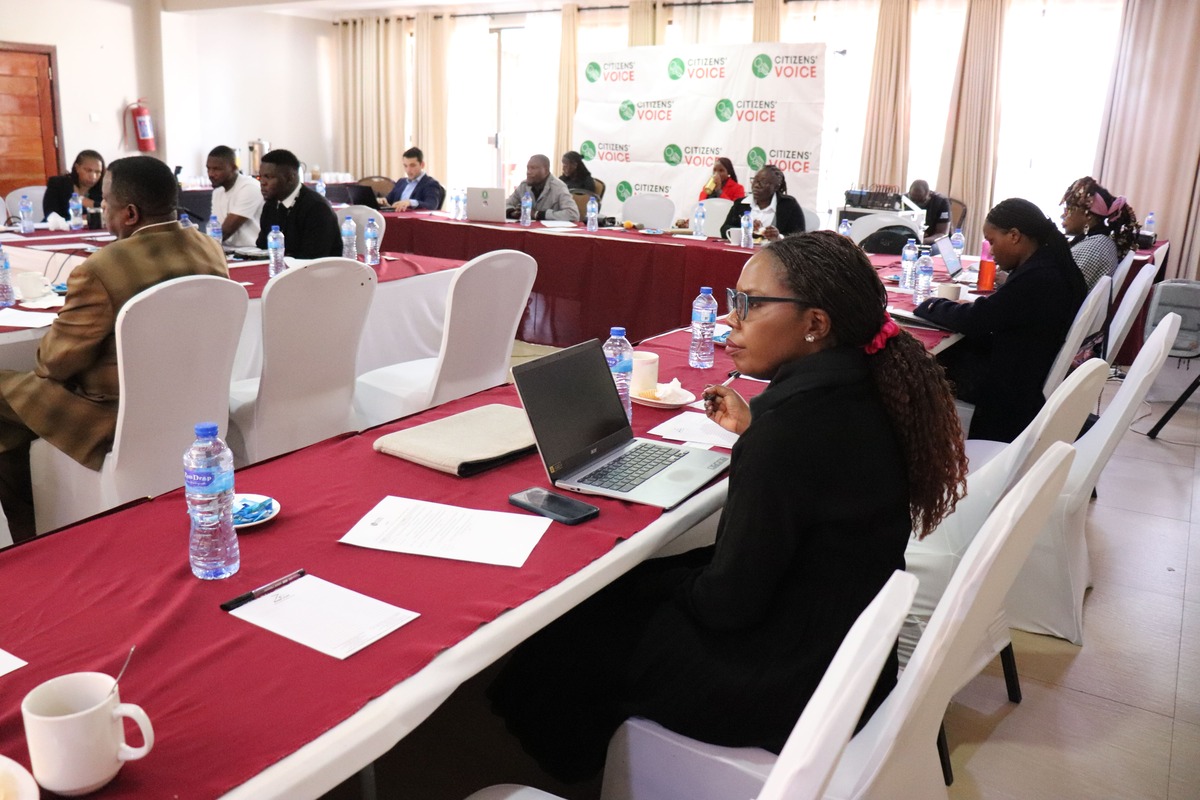
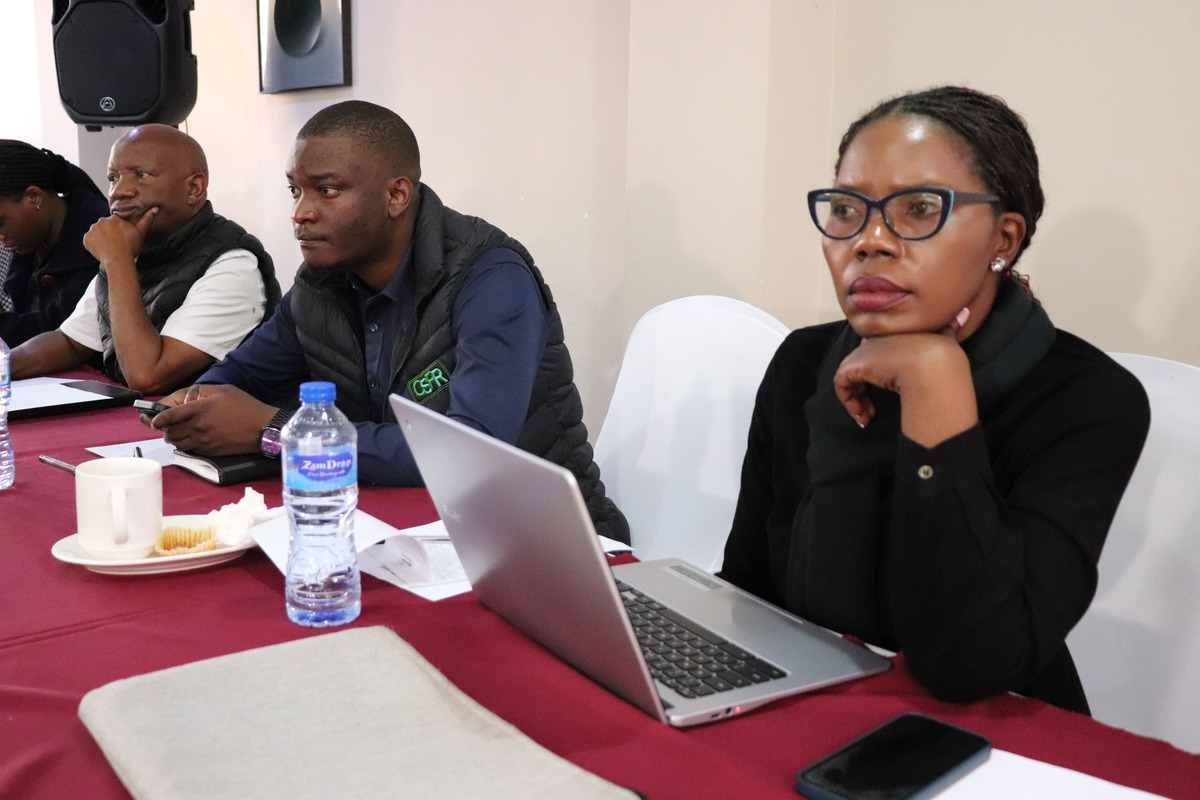
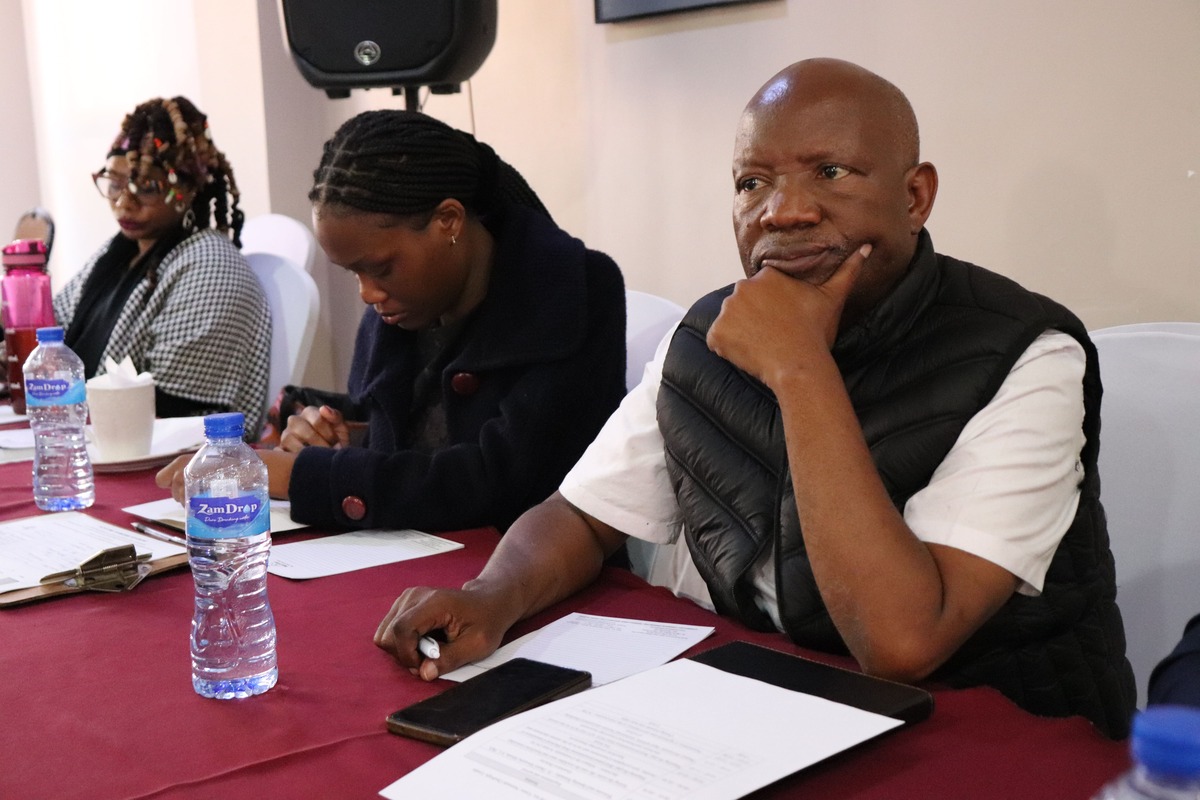
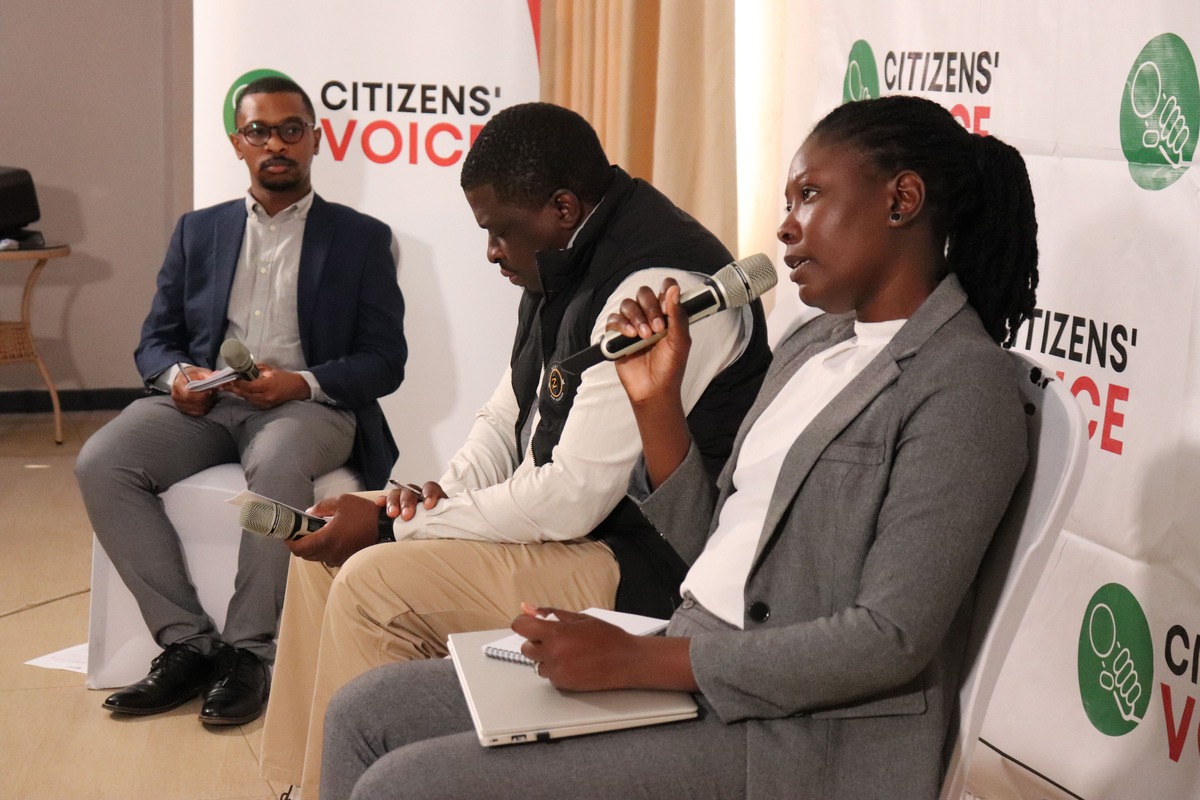
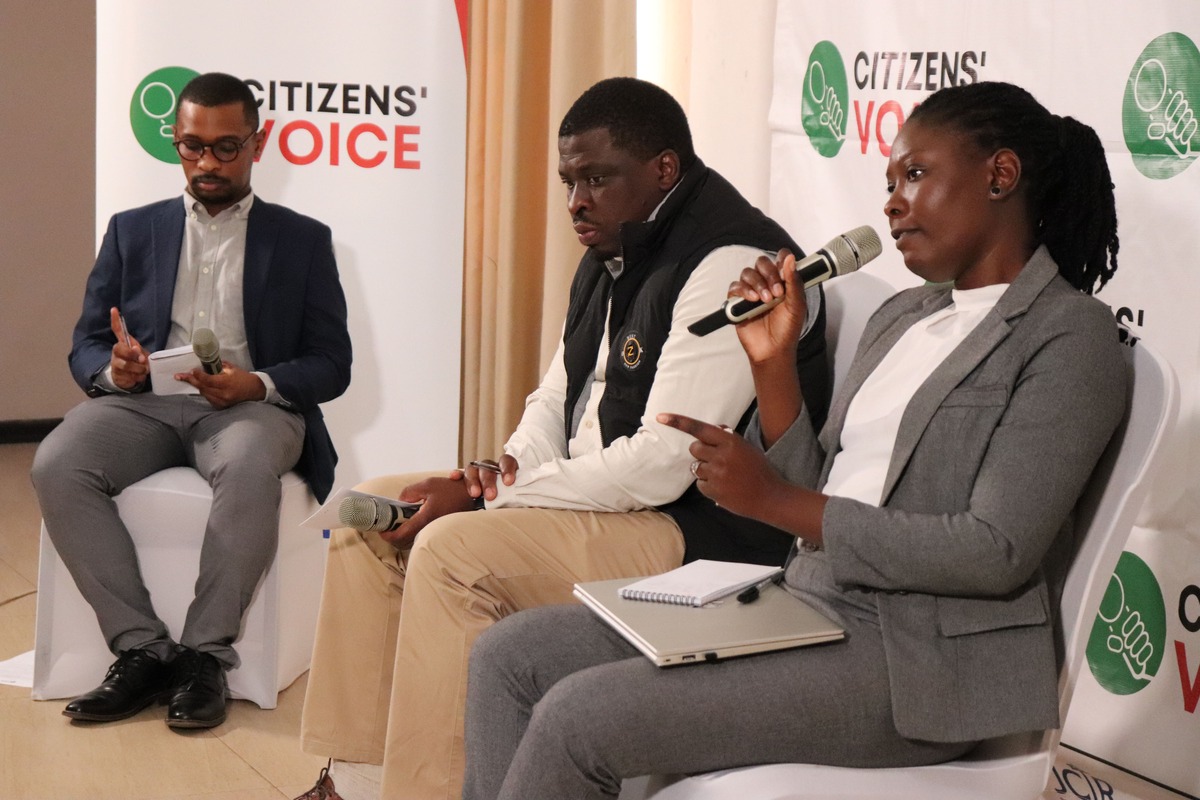
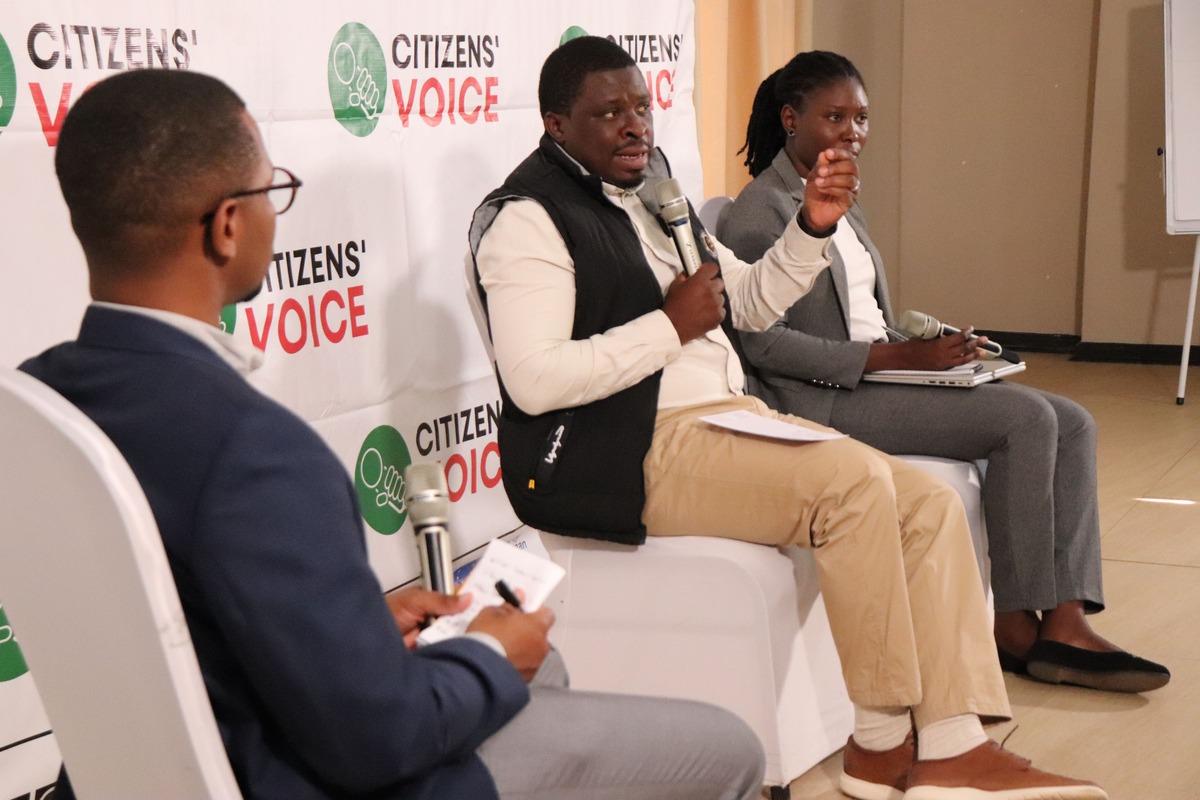
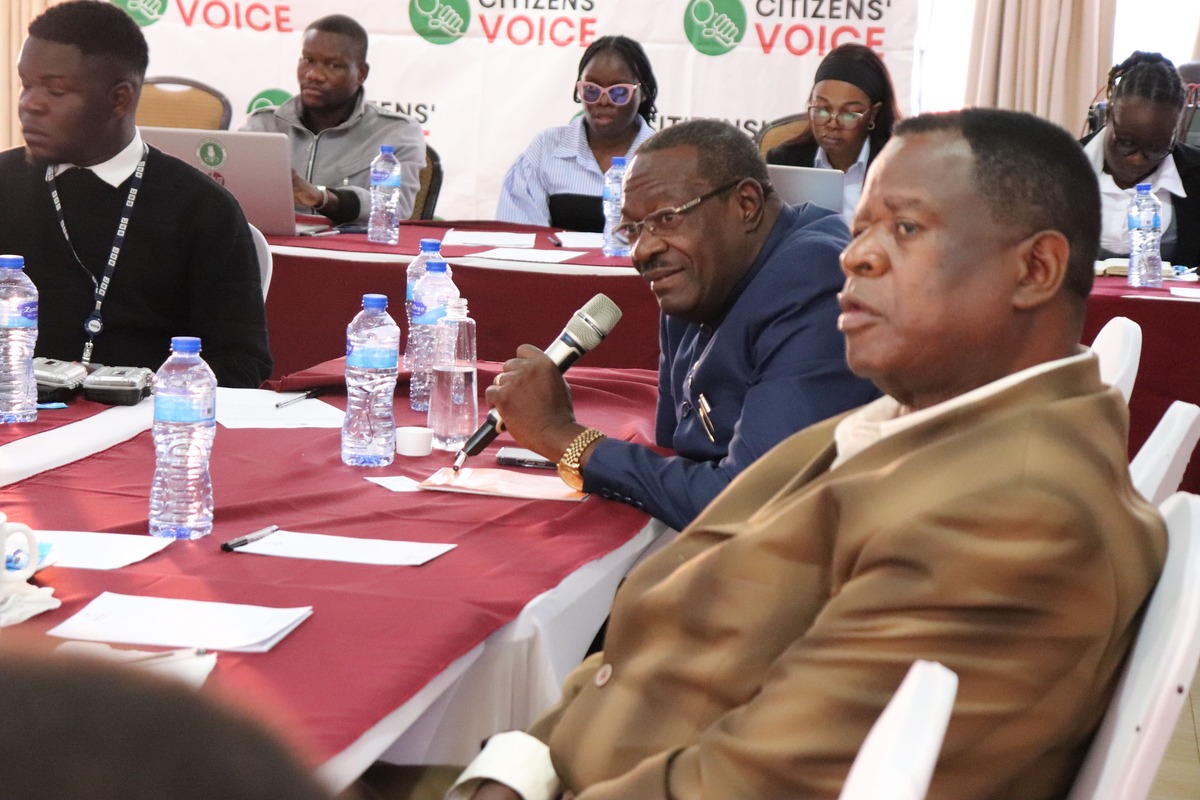
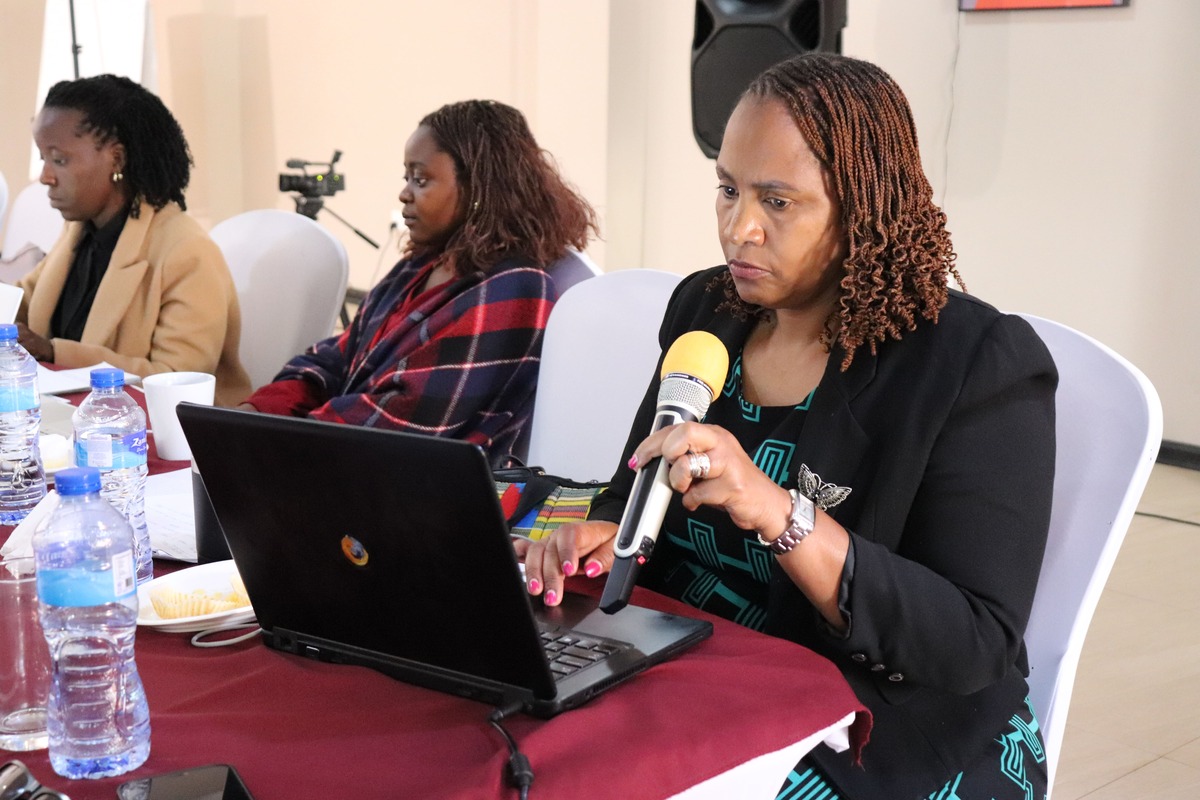
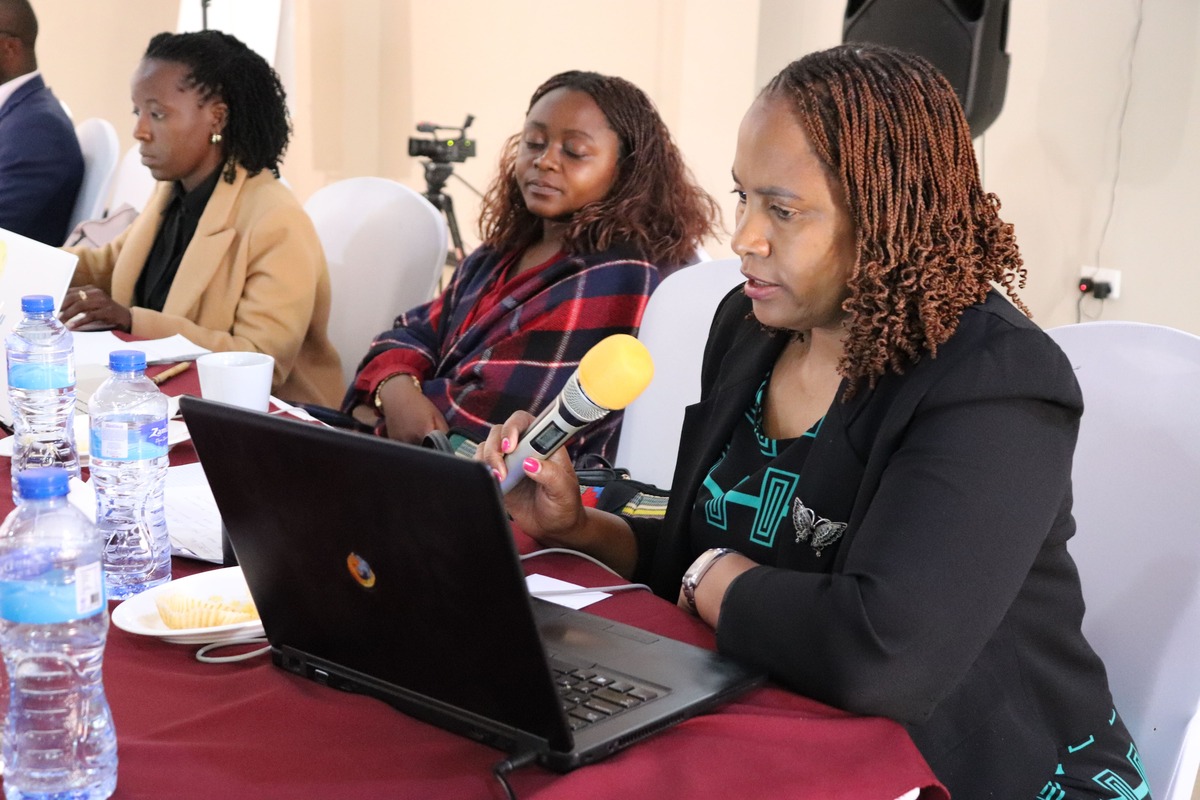
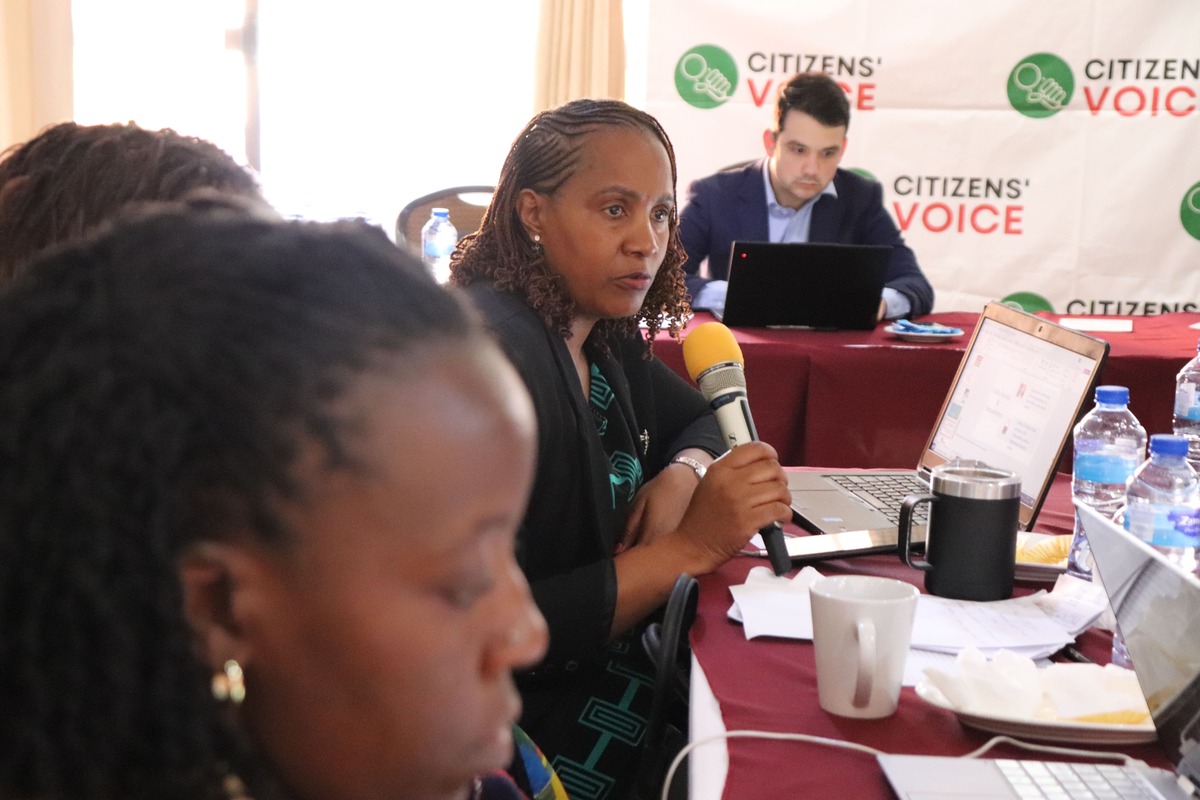
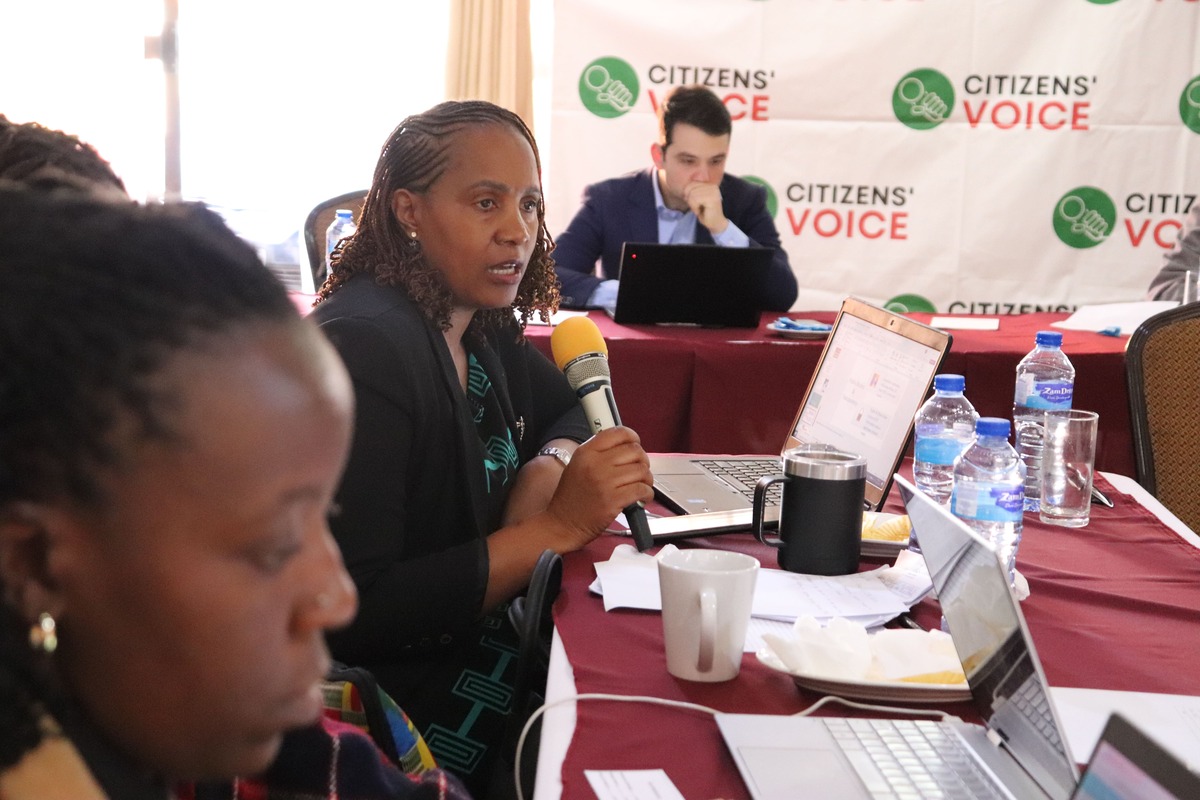
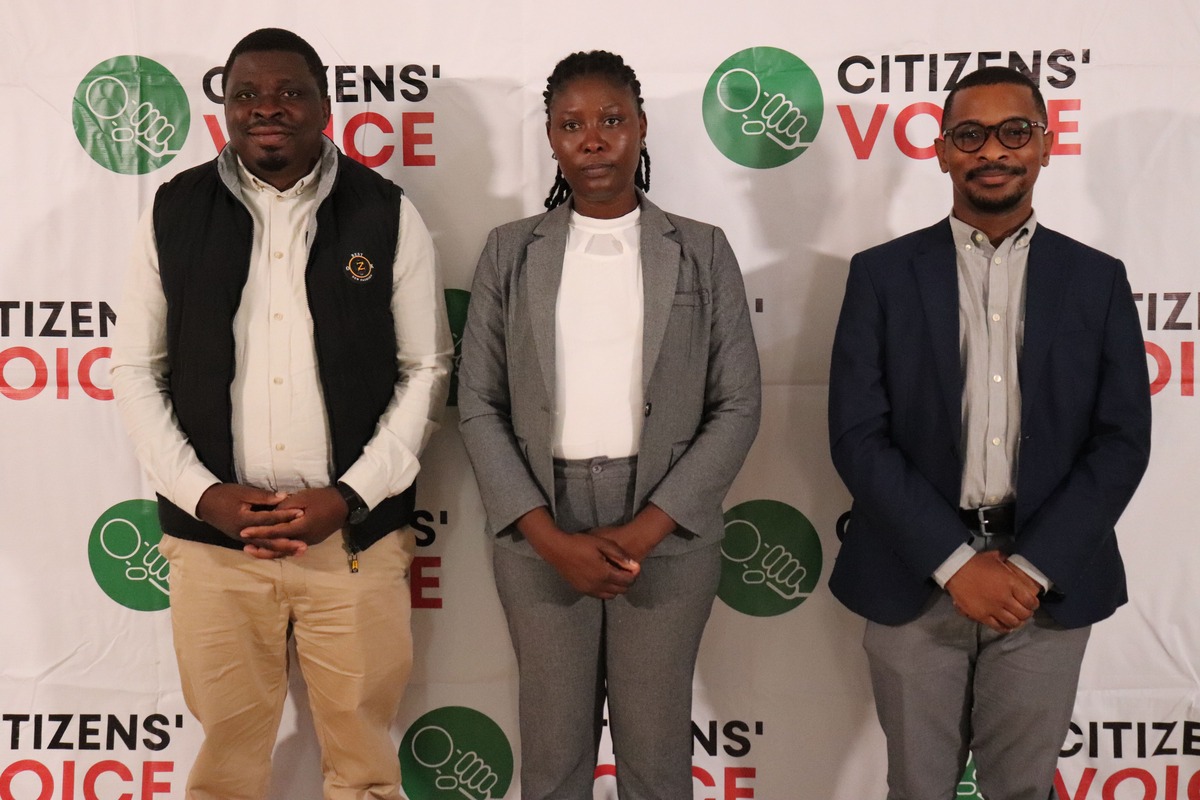
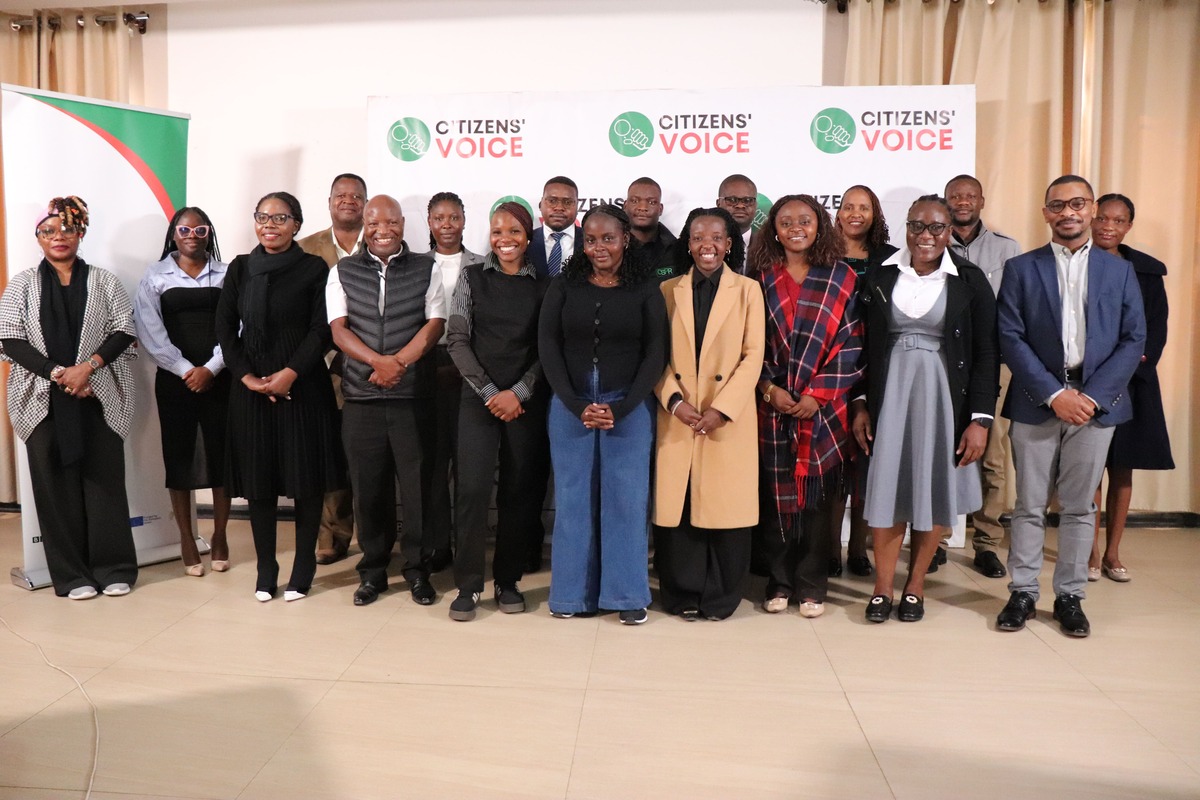
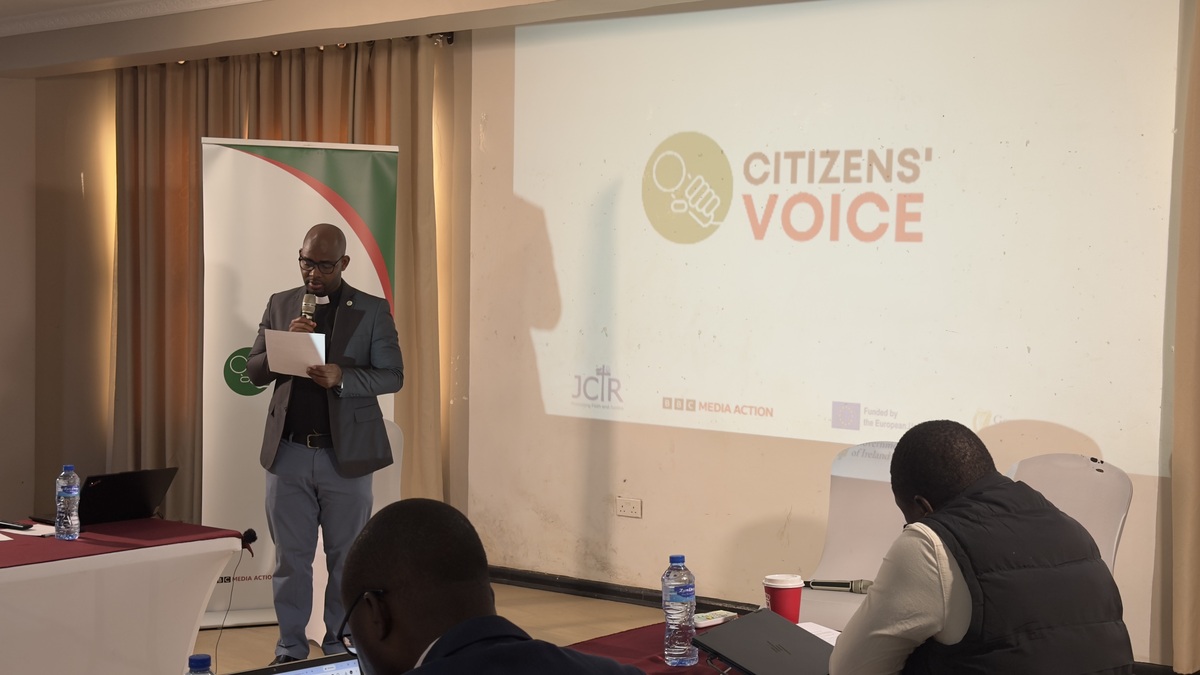
On 29 July 2026, JCTR convened a policy engagement on Candidate Asset and Beneficial Ownership Disclosure at Nomads Hotel in Chudleigh, Lusaka. The dialogue brought together representatives from the Anti-Corruption Commission (ACC), Patents and Companies Registration Agency (PACRA), Ministry of Justice, National Assembly, Office of the Auditor General, civil society organisations, statutory bodies and development partners, including BBC Media Action, the Delegation of the European Union and the Embassy of Ireland.
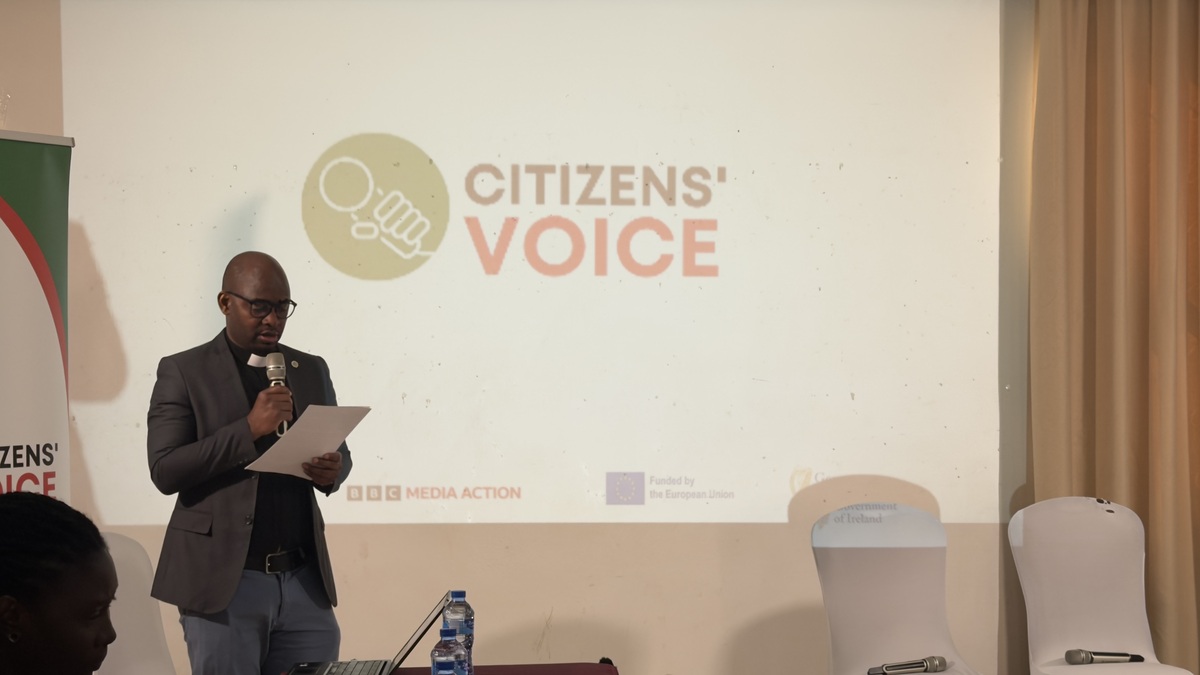
Opening the engagement, the JCTR Executive Director Fr. Daniel Mwamba Mutale, S.J (PhD), highlighted the urgency of the discussion, noting that the meeting was taking place just fifteen days before citizens would participate in one of the country’s most important democratic processes.
“We are fifteen days from the 13th of August. In fifteen days, Zambians will vote for people whose full financial interests, in many cases, they may not fully know.”
He emphasised that transparency in public leadership is not only a legal issue but also a question of respecting citizens’ ability to make informed choices.
What the Law Already Provides
The engagement examined Zambia’s existing constitutional and legal framework governing asset declarations and access to public information.
Participants reflected on:
While these provisions demonstrate Zambia’s commitment to transparency, participants noted that they do not explicitly require candidates to publicly disclose their assets, liabilities and beneficial ownership interests at the point of nomination.
Fr. Mutale observed that while the existing framework provides important foundations for accountability, a critical gap remains:
“Read together, those provisions seem to get us most of the way to a transparent process. However, neither requires that a candidate’s assets, liabilities, or beneficial company interests be disclosed to the electorate at the point of nomination.”
The result is that voters may be required to make electoral choices before such information is available for public scrutiny.
Closing the Implementation Gap
A significant part of the discussion focused on the 2021 Constitutional Court case, Sean Tembo v Electoral Commission of Zambia.
Participants reflected on the Court’s finding that ECZ could not be faulted for withholding nomination disclosures because Parliament had not enacted subsidiary legislation prescribing how such information should be published.
The discussion highlighted that the challenge is not necessarily the absence of constitutional intent, but rather the absence of mechanisms that translate existing principles into practice.
Fr. Mutale noted:
“The Constitution clearly intends transparency, but the implementing details have not yet been put in place. This is a gap we can still close.”
Participants therefore explored whether existing laws, including the Access to Information Act and electoral regulations, could provide practical pathways towards improving candidate disclosure without requiring constitutional amendment.
Access to Information and Public Accountability
The Access to Information Act featured prominently throughout the engagement as participants considered how it could support greater transparency.
While acknowledging the importance of the legislation, participants noted several challenges affecting implementation, including:
Participants proposed strengthening proactive disclosure systems, including consideration of an online registry that could track compliance by public institutions and improve public awareness of available information.
The discussion emphasised that transparency should not depend solely on citizens requesting information. Public institutions should increasingly take responsibility for making relevant information available.
Strengthening Verification and Institutional Cooperation
Participants agreed that disclosure alone is insufficient unless declarations can be independently verified.
A major concern raised during the engagement was the need to ensure that asset declarations represent accurate accounts of officials’ interests and liabilities.
Discussions highlighted opportunities for stronger cooperation between institutions that already hold relevant information, including PACRA, ACC, the Zambia Revenue Authority (ZRA), the National Pension Scheme Authority (NAPSA) and the National Health Insurance Management Authority (NHIMA).
Fr. Mutale observed that Zambia already possesses important building blocks for transparency.
“We are not starting from nowhere; PACRA already maintains a beneficial ownership register, which was strengthened by the amendment of the Companies Act last year.”
He added that the key challenge is connecting existing systems:
“What we are missing is the connective tissue to link what PACRA already knows to what a candidate declares at nomination, and what the public sees before they vote.”
Participants agreed that stronger institutional linkages could improve verification, reduce opportunities for concealment and enhance public confidence.
Beneficial Ownership and Corporate Transparency
PACRA provided an update on progress in implementing beneficial ownership reforms introduced through amendments to the Companies Act.
The Agency noted that compliance has improved, particularly among newly registered companies, but acknowledged that implementation remains ongoing, with some statutory instruments still required to fully operationalise the reforms.
Participants noted that beneficial ownership information has the potential to play a significant role in strengthening transparency around candidates and public officials, particularly where individuals have interests in companies that engage with government.
From Discussion to Action
A key outcome of the engagement was the shared commitment to move beyond identifying governance challenges and towards practical solutions.
Participants discussed several proposals, including:
The Anti-Corruption Commission emphasised the importance of prevention, noting that stronger systems capable of identifying risks early are more effective than responding after public resources have been lost.
Participants also discussed the importance of institutional independence, particularly for bodies responsible for oversight, investigation and enforcement.
Putting Citizens at the Centre
The engagement also examined the importance of ensuring that transparency reforms reach ordinary citizens.
Participants noted that digital exclusion, limited internet access, high data costs and literacy barriers continue to prevent many people from accessing governance information.
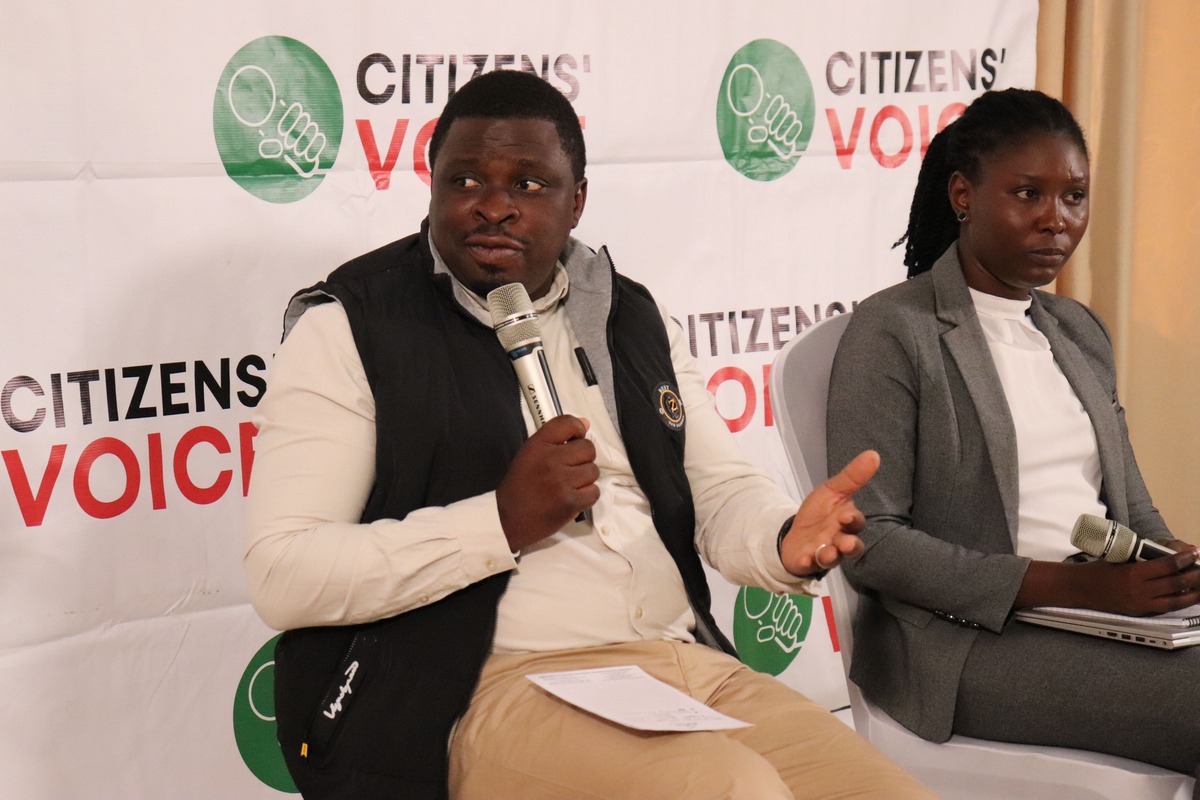
The role of civic education and public communication was highlighted, including multilingual initiatives such as the Citizens’ Voice project, which uses radio programming in English, Bemba, Lozi and Nyanja to reach wider audiences.
Participants emphasised that accountability systems are only effective when citizens can understand, access and use the information available to them.
A Call for Transparent Leadership
Although the Electoral Commission of Zambia had been scheduled to participate, the Commission withdrew on the day due to an urgent commitment. The engagement nevertheless proceeded with meaningful contributions from the institutions and organisations present.
In closing, Fr. Mutale challenged participants to ensure that the dialogue resulted in practical recommendations rather than another record of unresolved concerns.
“Let us try not to leave today with just another list of concerns we already know. But instead leave with a position we can put in writing.”
For JCTR, transparency in leadership is ultimately rooted in human dignity.
As Fr. Mutale explained:
“A voter asked to choose a leader without knowing who that leader is financially answerable to is being denied the basic respect of being trusted with the truth before being asked for their trust and control over their resources.”
Strengthening candidate asset and beneficial ownership disclosure is therefore not only about compliance with laws and regulations. It is about ensuring that citizens have the information necessary to participate meaningfully in democracy and hold public leaders accountable.
This policy engagement forms part of JCTR’s governance and accountability work implemented with financial support from the European Union and the Government of Ireland. The views expressed are those of the Jesuit Centre for Theological Reflection and do not necessarily reflect the official positions of neither its implementing partner nor those of the European Union or the Government of Ireland.






"A just Zambian society guided by faith, where everyone enjoys the fullness of life".