
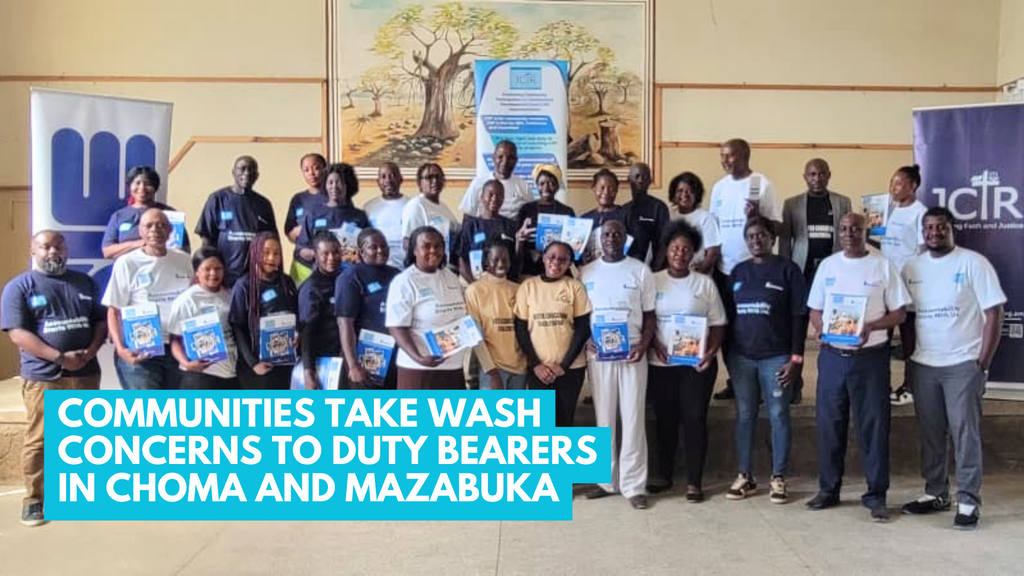
July 20 to 24, 2026 - Choma and Mazabuka, Souithern Province
Access to safe water, adequate sanitation and proper hygiene (WASH) is fundamental to public health, human dignity and sustainable development. Yet for many communities in Zambia, particularly in rural areas, these basic services remain unreliable or inaccessible. Beyond infrastructure challenges, limited access to information, weak accountability mechanisms and inadequate citizen participation often prevent communities from influencing decisions that directly affect their lives.
To help address these challenges, the Jesuit Centre for Theological Reflection (JCTR), in partnership with WaterAid Zambia, is implementing the Strengthening Inclusive and Climate-Resilient WASH Accountability project across Choma, Mazabuka, Monze and Nkeyema Districts.
The initiative combines community-led monitoring with structured engagement between citizens and public institutions. Through the Community Score Card methodology, communities identify challenges affecting WASH service delivery, document evidence, prioritise issues and present their findings directly to duty bearers responsible for planning, financing and delivering services. The project seeks to strengthen transparency, improve responsiveness and promote more inclusive and climate-resilient WASH governance ahead of Zambia's 2026 General Elections.
Bringing Communities and Duty Bearers Together
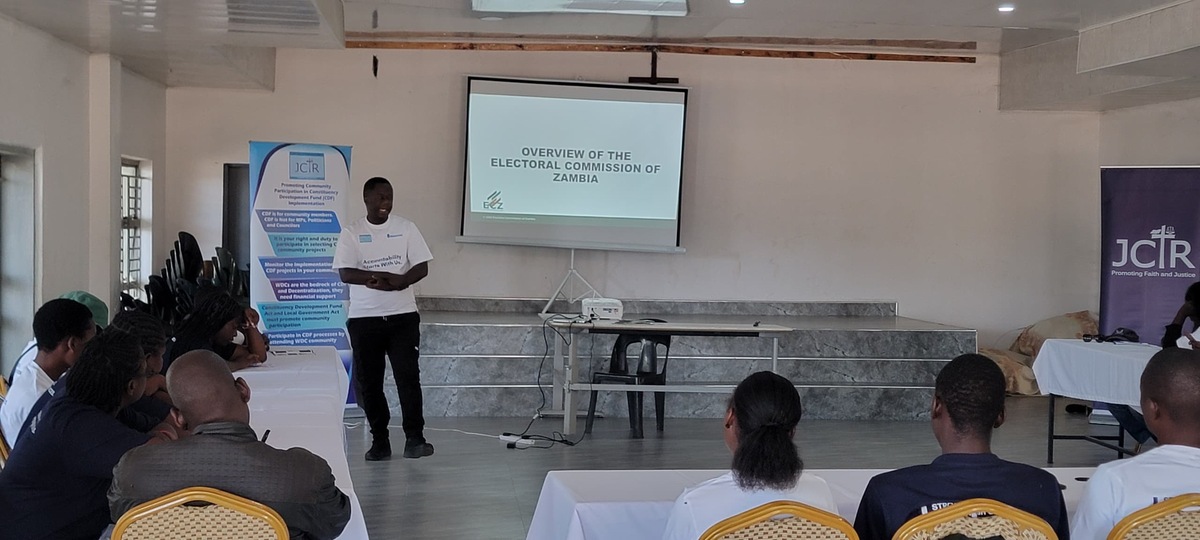
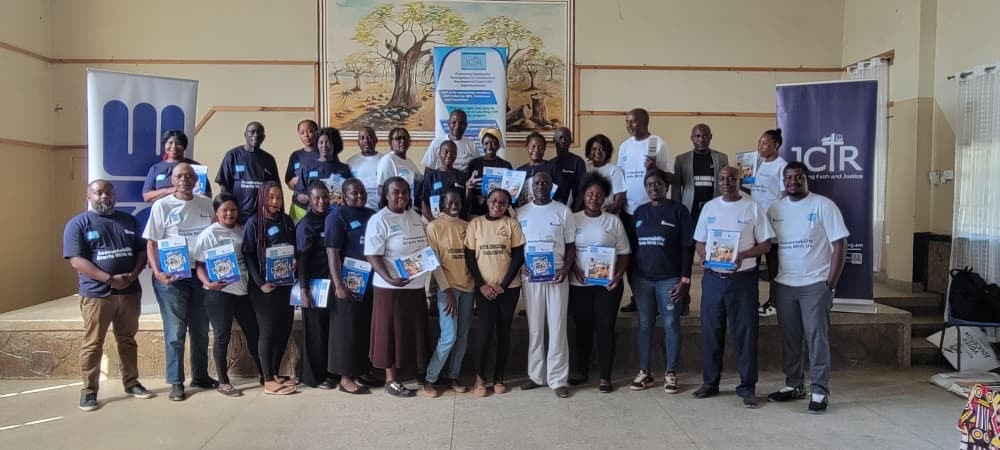
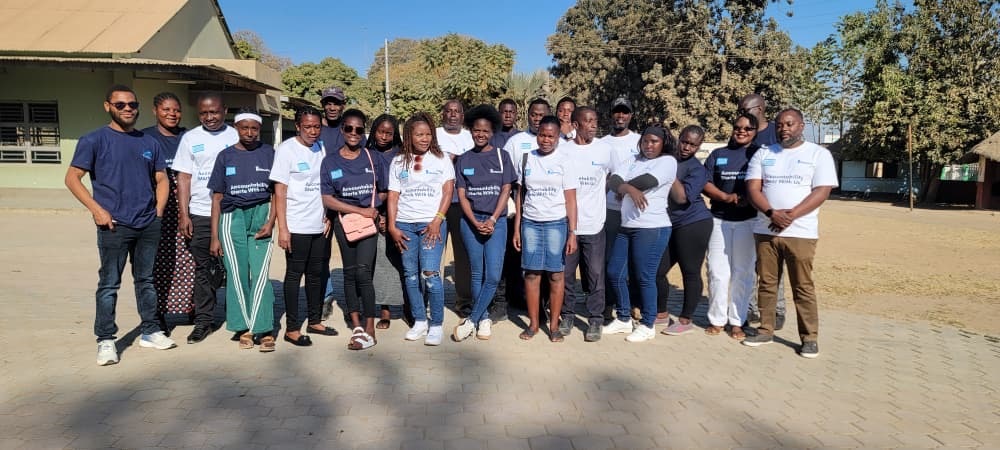
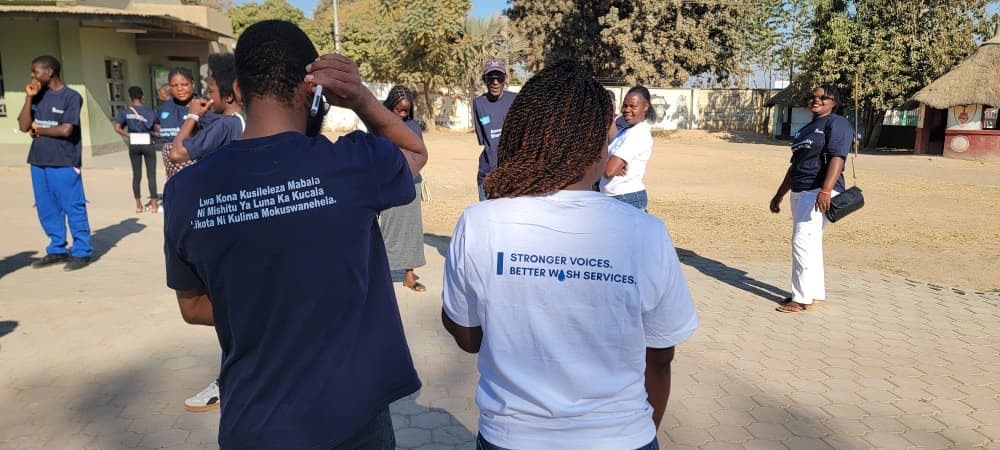
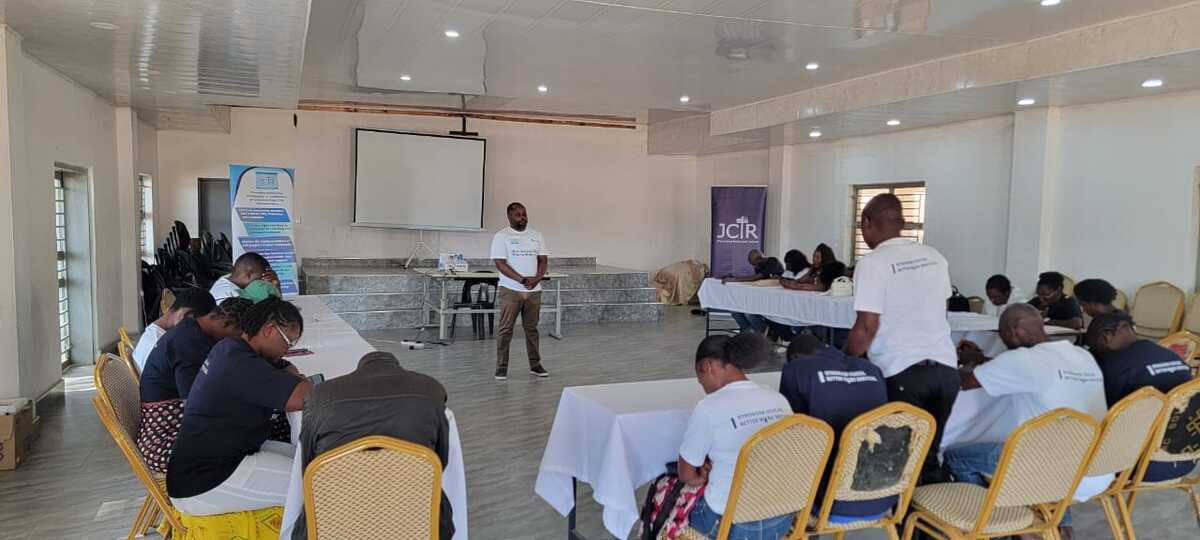
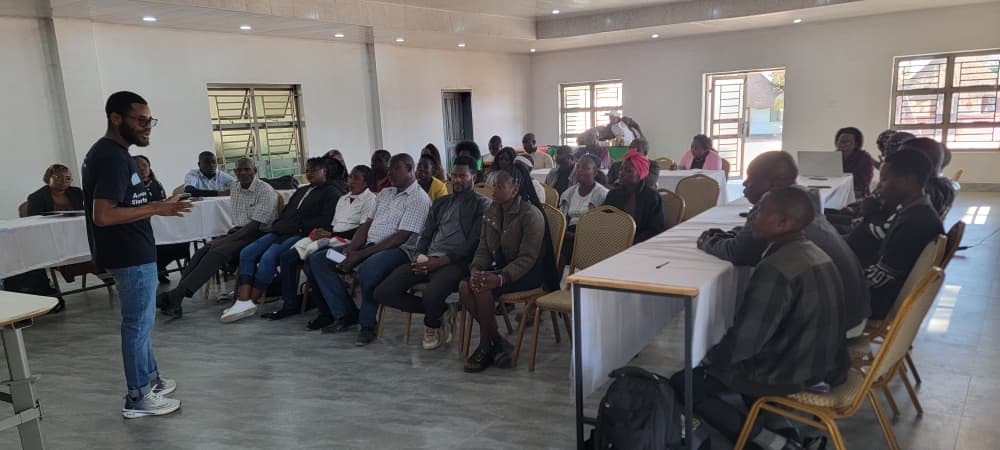
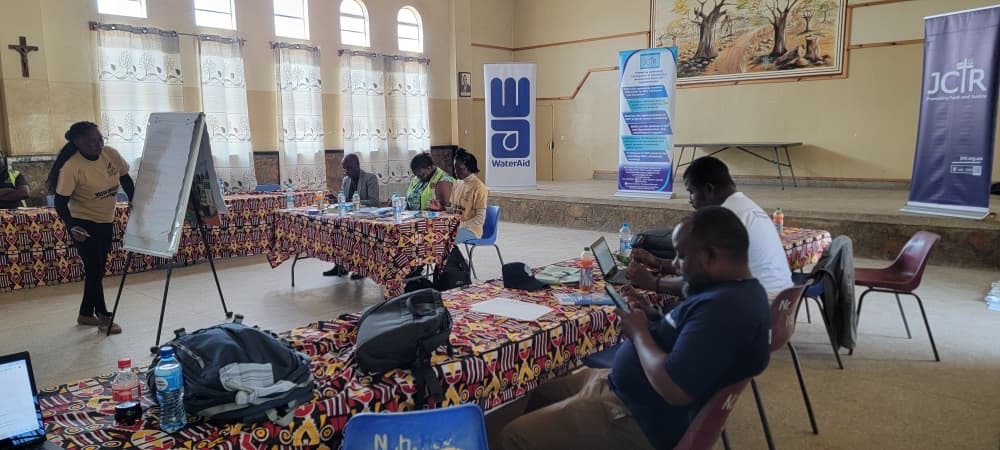
Between 20 and 24 July 2026, JCTR and WaterAid Zambia convened a series of interface and accountability meetings in Choma and Mazabuka Districts.
These meetings represented the culmination of months of community engagement. Residents who had previously assessed WASH services within their own wards using the Community Score Card presented their findings to institutions responsible for addressing identified concerns.
Representatives from Ward Development Committees (WDCs), Southern Water and Sanitation Company (SWASCO), Constituency Development Fund Committees (CDFCs), local authority officials and other relevant stakeholders attended the meetings to listen, respond and clarify institutional responsibilities.
Rather than simply raising complaints, community members presented documented evidence on issues affecting their localities, including:
The discussions enabled duty bearers to respond directly to community concerns, explain existing processes and publicly commit to actions within their respective mandates.
Turning Dialogue into Accountability
One of the project's greatest strengths lies in moving beyond consultation towards accountability.
Each issue raised during the meetings was discussed openly, with institutions identifying who bears responsibility for addressing particular concerns. These commitments were documented, creating a clear record that communities can use to monitor progress and follow up after the meetings.
This process strengthens social accountability by creating a shared understanding between citizens and public institutions about both challenges and responsibilities. Rather than ending with verbal assurances, the meetings established a framework for continued engagement and monitoring.
Why These Conversations Matter
The discussions come at a critical time for Zambia's WASH sector.
Nationally:
These structural challenges are compounded by governance issues. Many communities reported difficulties accessing information about approved WASH projects, understanding whether funding has been released, or identifying which institution is responsible when infrastructure such as boreholes breaks down.
Strengthening accountability mechanisms therefore becomes just as important as expanding infrastructure investment.
Empowering Communities Through Evidence
The Community Score Card approach demonstrates that meaningful participation requires more than simply giving citizens an opportunity to speak.
Communities are equipped with practical tools to assess service delivery, collect evidence and engage constructively with government institutions. This transforms community members from passive recipients of services into informed participants who contribute to improving public service delivery.
By grounding discussions in evidence collected by communities themselves, the interface meetings encourage constructive dialogue focused on practical solutions rather than blame.
Building More Resilient WASH Systems
Climate change continues to intensify pressure on Zambia's water resources through prolonged dry spells, droughts and changing rainfall patterns. Strengthening climate resilience therefore requires not only improved infrastructure but also stronger institutions, informed communities and accountable governance.
Projects such as the Strengthening Inclusive and Climate-Resilient WASH Accountability initiative demonstrate how citizen participation can contribute to more responsive public institutions and better-informed decision-making.
As Zambia approaches the 2026 General Elections, strengthening accountability for essential public services such as water, sanitation and hygiene remains critical to ensuring that no community is left behind.
Looking Ahead
The interface meetings held in Choma and Mazabuka are part of a broader effort to strengthen citizen participation across all four project districts. The documented commitments made by duty bearers now provide an important basis for continued monitoring, follow-up and engagement between communities and public institutions.
JCTR remains committed to promoting transparent, accountable and inclusive governance that places communities at the centre of development processes. Through partnerships with organisations such as WaterAid Zambia, citizens are being equipped with the knowledge, tools and platforms needed to ensure that their voices translate into meaningful improvements in WASH service delivery.
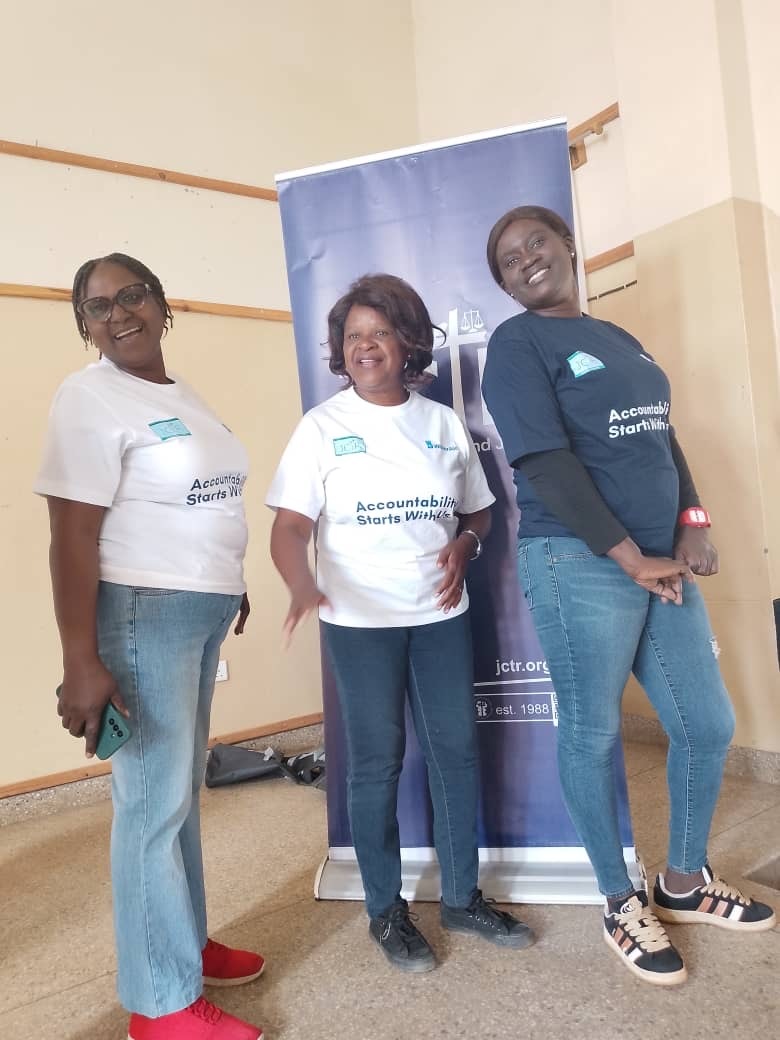
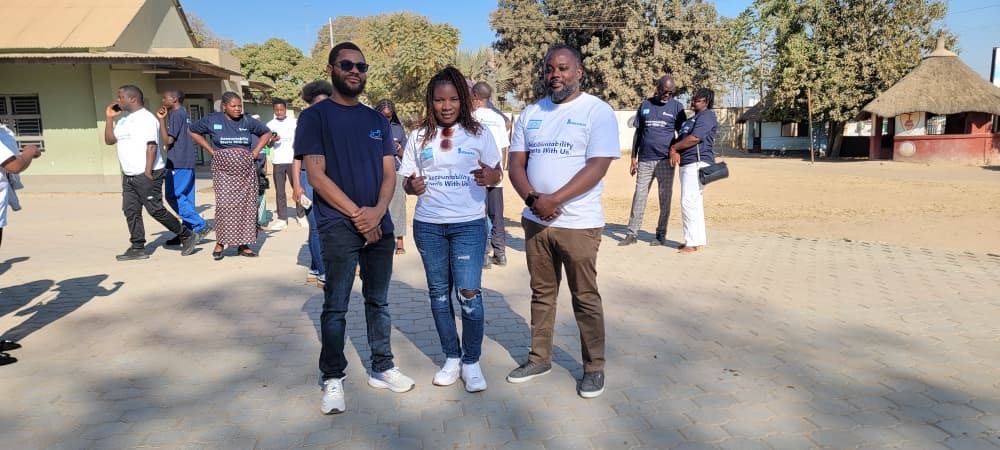
The activities in Choma and Mazabuka were implemented by Faith and Justice Programme Officers Micomyiza Dieudonné and Dismas Kelly Chisanga, SJ, who facilitated the interface and accountability meetings and supported communities in engaging constructively with duty bearers.

"A just Zambian society guided by faith, where everyone enjoys the fullness of life".