
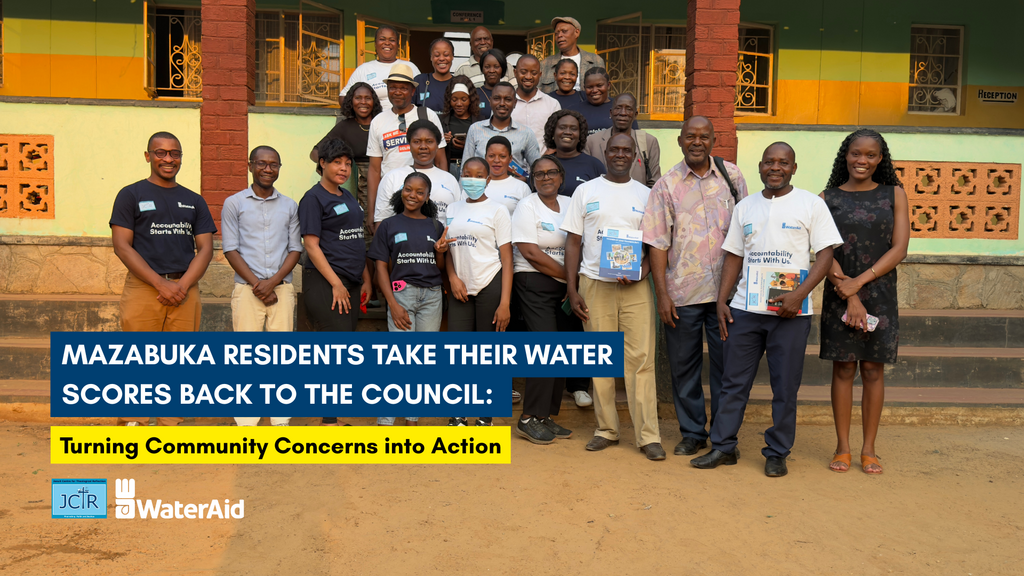
November 2, 2026 - Mazabuka, Southern Province
From community scorecards to public dialogue, residents of Mazabuka Central are demanding answers and practical action to improve access to safe, reliable and inclusive water and sanitation services.
What happens when communities identify gaps in public services, document their experiences and take their findings directly to the authorities responsible for delivering those services?
In Mazabuka, the answer is a growing process of citizen engagement and accountability.
In July 2026, 127 residents of Mazabuka Central assessed six water points in their ward through a community scorecard exercise. They examined various aspects of service delivery, including the reliability of water supply, water quality, responsiveness to reported concerns, maintenance of infrastructure and accessibility for persons with disabilities.
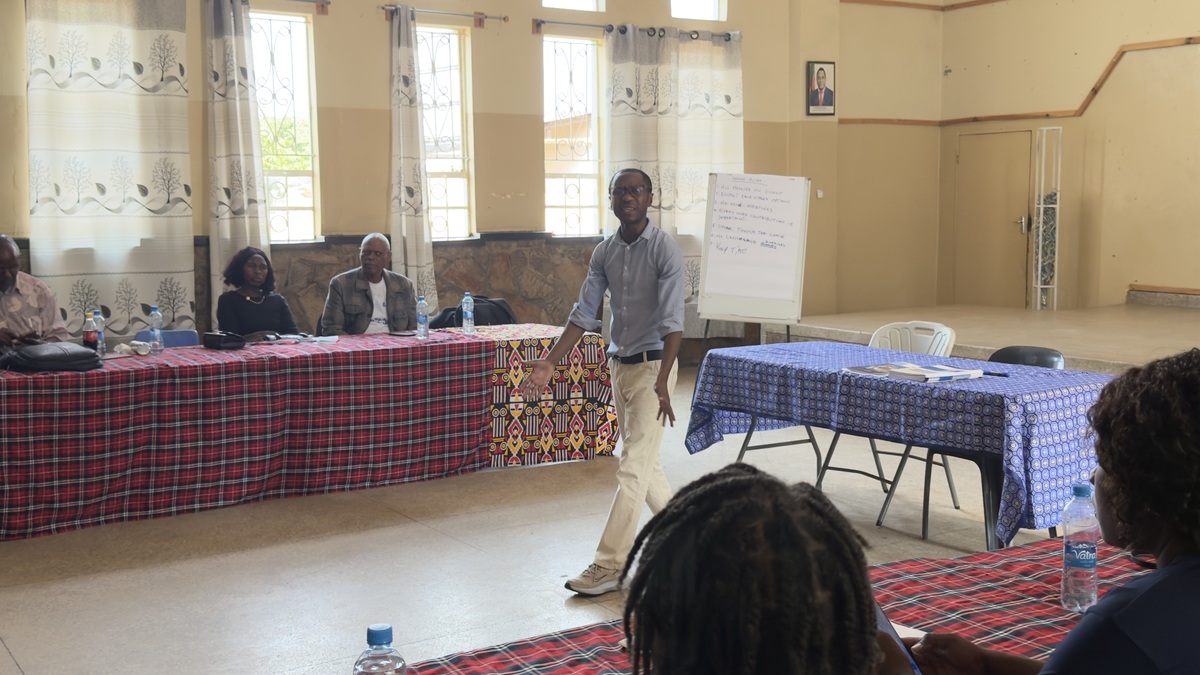
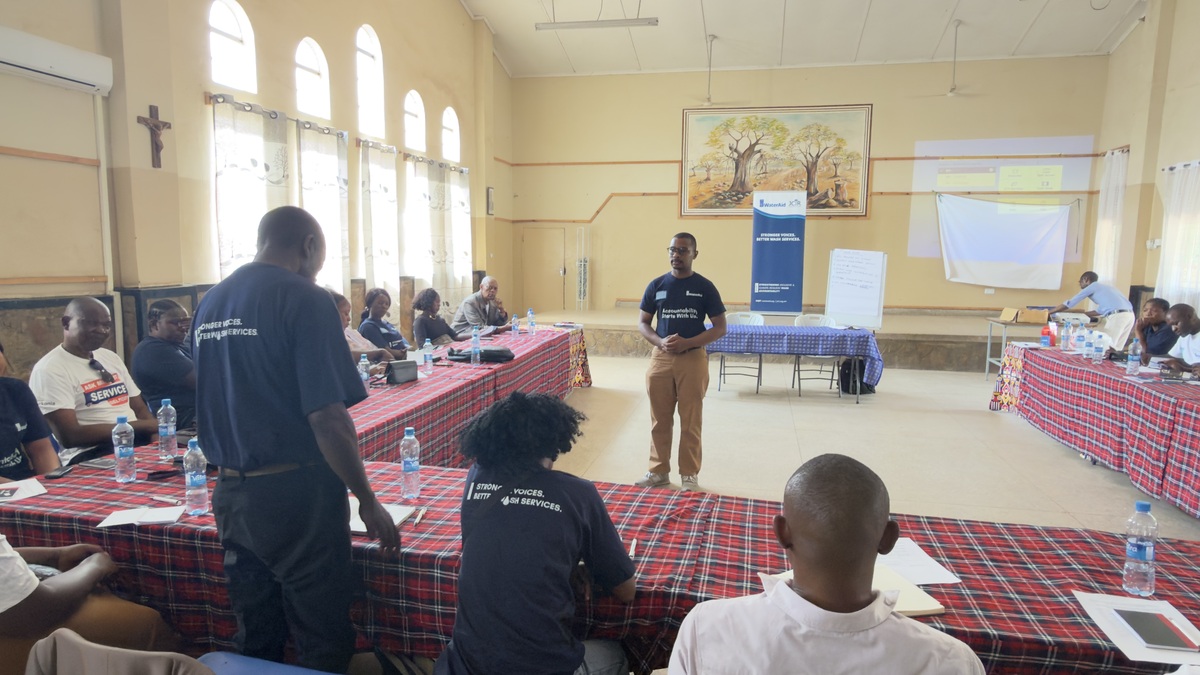
Three months later, on 21 October 2026, community representatives returned to the Mazabuka Municipal Council with their findings and a fundamental question: What has happened since the concerns were raised?
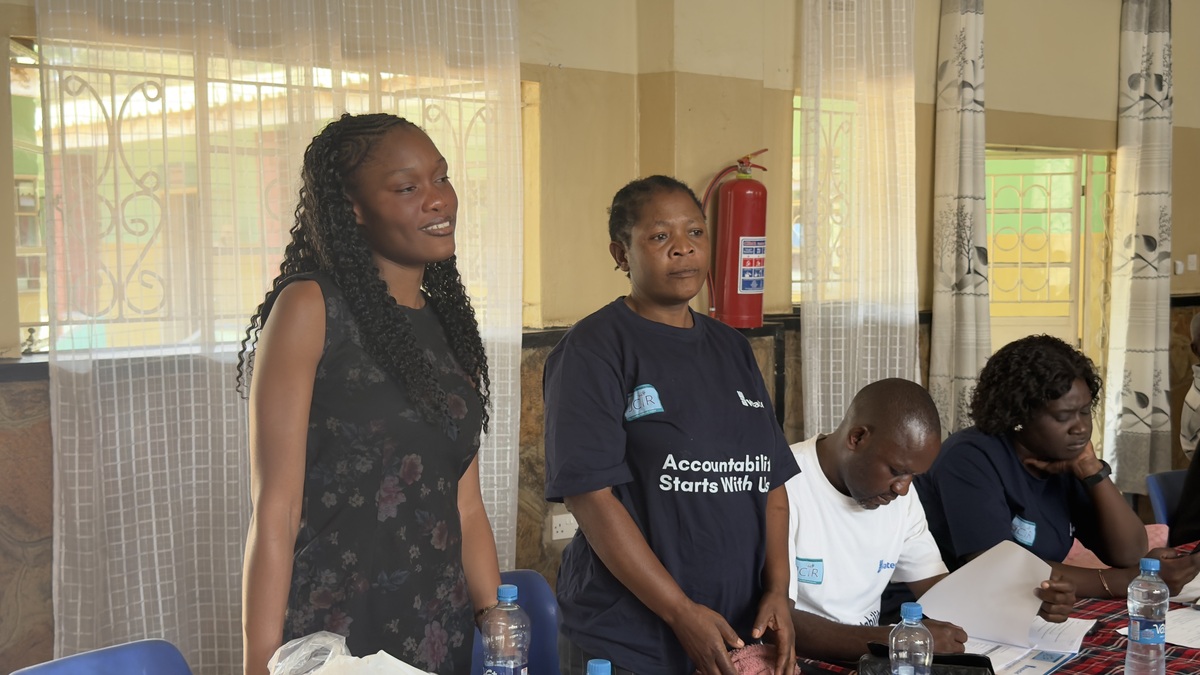
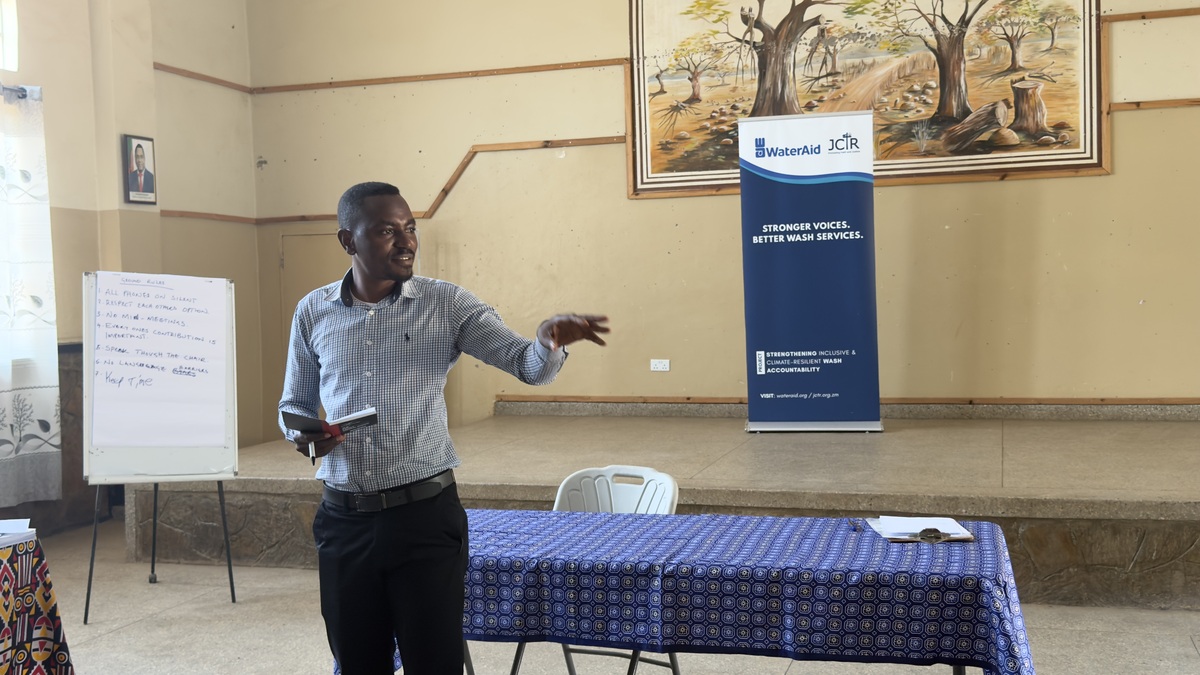
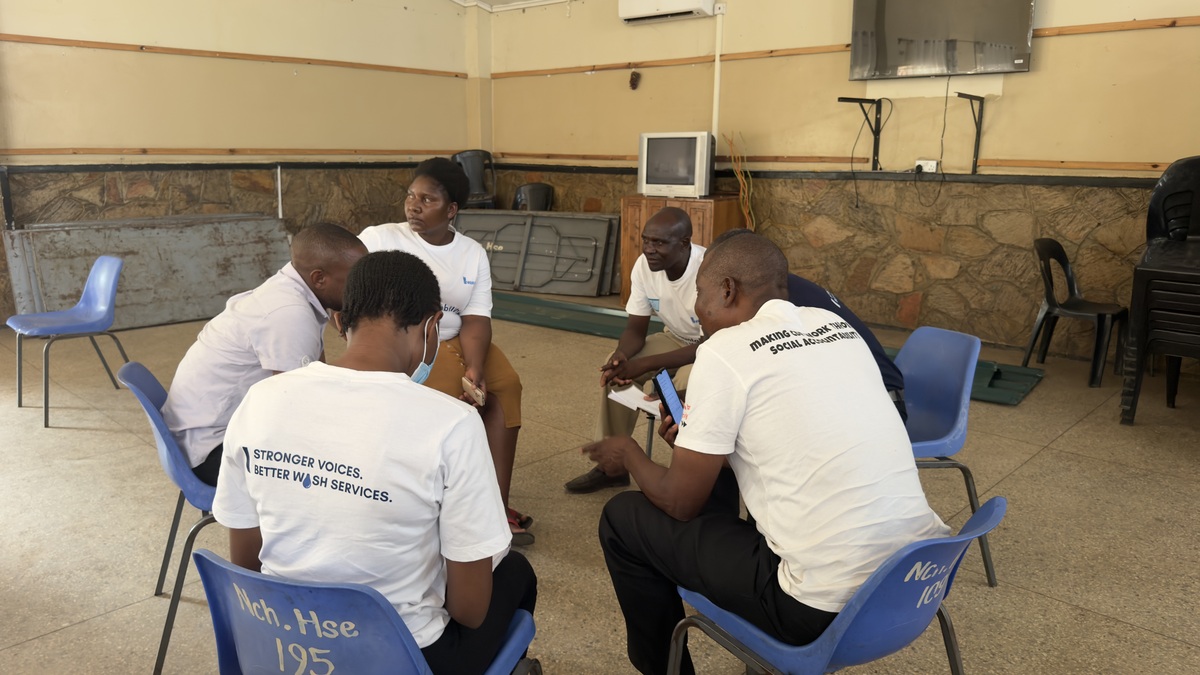
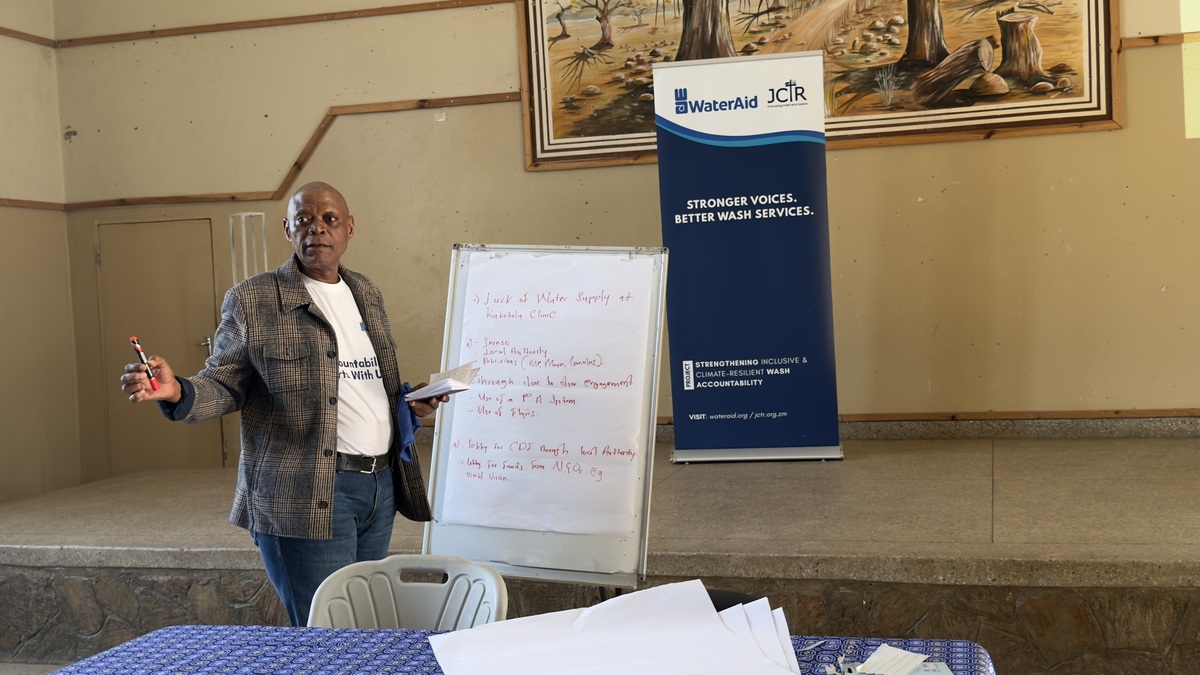
The follow-up engagement, held at Our Lady of Assumption Catholic Church (Nchete House), was convened by the Jesuit Centre for Theological Reflection (JCTR) under its WASH accountability partnership with WaterAid Zambia. The meeting brought together 24 participants, including 13 women, Council officers, trained community monitors and members of the Mazabuka Central Social Accountability Committee. The Local Government Association of Zambia (LGAZ) also facilitated a session on citizen engagement.
The engagement forms part of the project, Strengthening Inclusive and Climate-Resilient WASH Accountability, implemented by JCTR in partnership with WaterAid Zambia in Mazabuka, Monze, Choma and Nkeyema districts.
From identifying problems to demanding accountability
The October engagement was not an isolated meeting. It followed a series of actions initiated by the community after the July scorecard exercise.
In August, the Mazabuka Central Social Accountability Committee formally wrote to the Town Clerk, presenting concerns identified by residents. These included:
A subsequent meeting with the Acting Chief Health Inspector in August resulted in several commitments, including convening a stakeholders' meeting, inspecting shallow wells and improving waste management.
However, when committee members reviewed progress in October, they reported that several commitments remained outstanding. They consequently called on the Council and Southern Water and Sanitation Company (SWASCO) to provide clear updates, identify practical interventions and establish timelines for addressing the concerns.
This was the context in which residents brought their findings back to the Council: not simply to repeat their concerns, but to seek accountability for commitments already made.
What did the community scorecards reveal?
The community scorecard exercise provided residents with an opportunity to assess water service delivery based on their lived experiences.
The findings presented by JCTR highlighted both positive aspects and significant gaps.
On the positive side, most assessed water points were located relatively close to households, while women and girls generally reported feeling safe when accessing them.
However, the assessment also revealed shortcomings in the responsiveness of service providers and the inclusiveness of water infrastructure.
Duty-bearer responsiveness received a score of just 2.5 out of 5, indicating considerable room for improvement. Residents also raised concerns about delays in repairing damaged infrastructure, ageing pipes affecting water quality and the limited accessibility of water points for persons with disabilities.
The broader district findings presented during the engagement further illustrated the challenges facing water service delivery. Approximately 38 per cent of water in the district is lost or goes unbilled, exceeding the benchmark of less than 30 per cent. Some households also continue to walk between four and five kilometres to access a water point.
These findings demonstrate that improving WASH services requires more than expanding infrastructure. It also calls for effective maintenance, reliable service delivery, accessible facilities and responsive institutions.
Public health and sanitation: Preventing problems before they become crises
Waste management and water safety featured prominently in the discussions, particularly given their implications for public health.
The Council explained that waste in central areas is collected door-to-door by contracted companies. Residents were encouraged to subscribe to these services and report instances of illegal dumping.
However, participants called for closer supervision of cleaning activities in markets, noting that some trading areas continue to present public health risks.
Discussions also focused on the treatment of water from shallow wells. The Council explained that chlorine distribution is guided by environmental health reports and that disinfection of shallow wells was already taking place in some communities.
Community representatives, however, emphasised the importance of extending these interventions to every household relying on shallow wells. They argued that preventive measures should be prioritised before outbreaks of cholera and other waterborne diseases occur, rather than being intensified only after cases have been reported.
The Council acknowledged the concerns and agreed to follow up on the matter, including through the existing community WhatsApp group connecting residents with Council officers.
The discussions reinforced an important public health principle: access to water must also mean access to water that is safe for human consumption.
Making citizen engagement part of local governance
Beyond the immediate concerns surrounding water and sanitation, the meeting explored a broader question: how can residents participate more consistently and meaningfully in decisions affecting the services they depend on?
The LGAZ-facilitated session examined citizen engagement as a structured and continuous relationship between public authorities and citizens, rather than an occasional consultation.
Participants discussed how a citizen engagement strategy can provide a framework for regular communication, establish clear channels for feedback and ensure that public participation is connected to decisions, responsibilities and timelines.
The discussion also examined barriers that prevent some groups from participating in local governance processes. These include inaccessible meeting venues, inconvenient meeting times, language barriers, unequal access to phones and internet connectivity, and declining trust when community contributions do not receive meaningful responses.
Women, young people and persons with disabilities were particularly highlighted as groups whose participation must be deliberately facilitated.
An important gap emerged from the discussion: unlike Monze and Nkeyema, where JCTR also supports WASH accountability initiatives, Mazabuka does not yet have a citizen engagement strategy.
Without such a framework, residents lack a clearly established and predictable mechanism through which they can raise service delivery concerns and expect feedback within a defined period.
For accountability to work, participation must go beyond giving citizens an opportunity to speak. It must establish a system through which their concerns are received, considered, acted upon and answered.
What commitments and proposals emerged?
The Council outlined some of the existing mechanisms through which residents can raise concerns, including a suggestion box and investigations conducted under its Code of Conduct.
It also indicated that a Whistleblowing Policy was expected to be approved by the end of 2026, with subsequent training and awareness activities to be facilitated through the Anti-Corruption Commission.
Several proposals and areas for follow-up emerged from the engagement:
The proposed community follow-up mechanism is particularly important given that Ward Development Committees are currently suspended. Participants stressed the need for alternative avenues through which residents can continue engaging with local authorities and influencing decisions affecting their communities.
Accountability must translate into action
The Mazabuka engagement illustrates the value of community-led monitoring in strengthening public service delivery.
When residents are equipped with the knowledge and tools to assess services, document challenges and engage duty-bearers, they become active participants in local governance rather than passive recipients of public services.
However, the success of this process cannot be measured by the number of meetings held or commitments announced. It must ultimately be measured by whether those commitments translate into tangible improvements in people's lives.
For the residents of Mazabuka Central, this means more reliable water supply, safer water sources, better-maintained infrastructure, improved sanitation and water points that everyone, including persons with disabilities, can access.
JCTR will continue accompanying the Social Accountability Committee and the Council as outstanding commitments are followed up, responsibilities and timelines are established, and proposals for a community follow-up mechanism and citizen engagement strategy are advanced.
The ultimate goal is a local governance system in which every resident of Mazabuka can raise a concern about water and sanitation services, receive a meaningful response and know that someone is responsible for taking action.
Because access to safe water is not simply a service delivery issue. It is a matter of human dignity, social justice and accountability.
About the project
The Strengthening Inclusive and Climate-Resilient WASH Accountability project is implemented by the Jesuit Centre for Theological Reflection (JCTR) in partnership with WaterAid Zambia in Mazabuka, Monze, Choma and Nkeyema districts. The initiative seeks to strengthen citizen participation and accountability in water, sanitation and hygiene service delivery, with particular attention to inclusion and climate resilience.
Project partners: Jesuit Centre for Theological Reflection (JCTR) and WaterAid Zambia.

"A just Zambian society guided by faith, where everyone enjoys the fullness of life".