
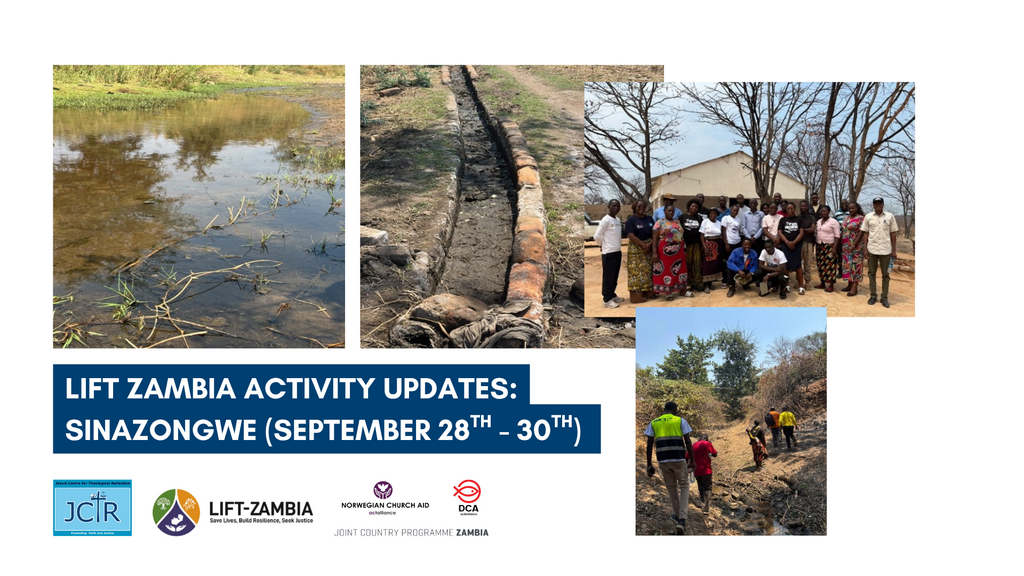
Sinazongwe, Southern Province - September 28 to 30.
JCTR worked with communities in Sinazongwe under the LIFT Zambia project to promote caring for creation, to monitor the services and industries that shape daily life and to bring citizens and duty bearers around the same platform. These engagements focused on faith-led environmental stewardship, community-led monitoring of mining activities and health services and dialogue platforms where evidence was turned into commitments for action.
Radio Program – Season of creation and El Nino preparedness in Sinazongwe
A radio programme marked the 2026 Season of Creation under the theme “Living Water” and gave listeners practical guidance on preparing for El Niño. The programme featured Bishop Watson Sianga of Pentecostal Harvest and the Senior Agriculture Officer from Sinazongwe District. Together they urged households to prepare for the anticipated delayed rainfall, prolonged dry spells and water stress by making informed planting choices and conserving water. For farming families in Sinazongwe, this is not an abstract warning, it is a question of food, income and survival in the coming season.
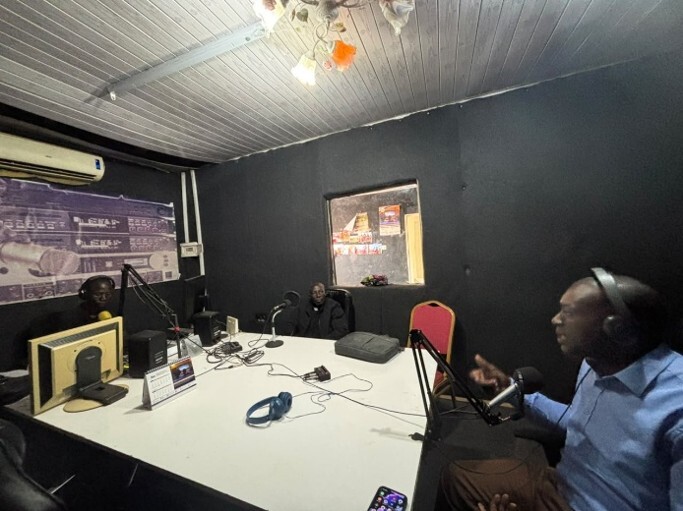
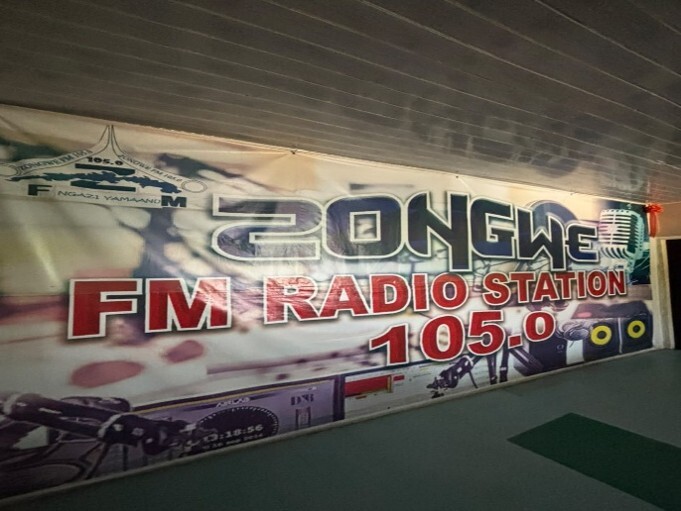
Community radio programme on the Season of Creation and El Niño preparedness.
Water is a gift from God for all and caring for it is a shared duty. Pope Francis’s call in Laudato Si’ to hear “the cry of the earth and the cry of the poor” is felt most sharply by rural communities who depend directly on rain and rivers. Through radio, these messages aimed to reach households that other channels rarely reach
Monitoring of mining activities
In Sinazongwe and Nkadabwe, community monitors assessed mining operations and their impact on water bodies that are utilized by the communities for their domestic use, livestock and agriculture. Rather than relying on outside assessments alone, residents themselves observed and documented what is happening on their land and water. The monitors recorded concerns affecting the Siamaambo River and the Sikalamba and Mpangazya streams, water sources on which surrounding communities rely for agriculture and domestic use. This documentation became the foundation for the dialogue at the interface meeting, so that discussions with stakeholders rested on observed facts.
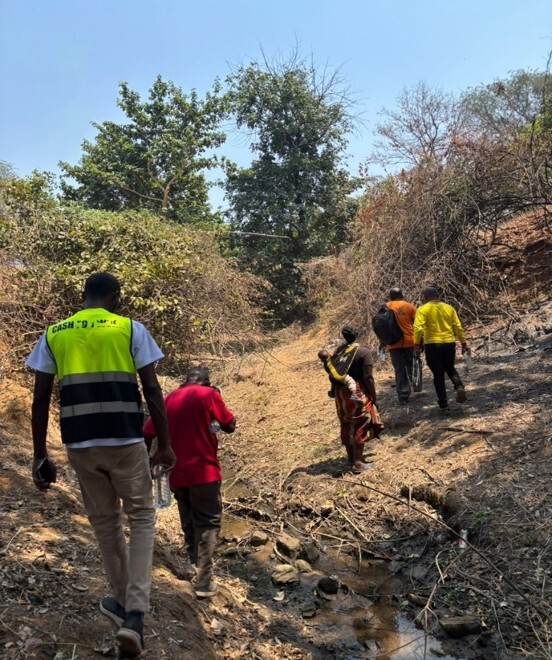
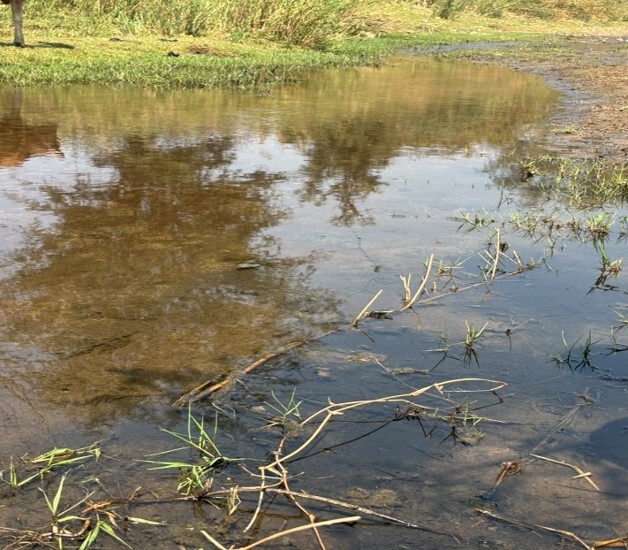
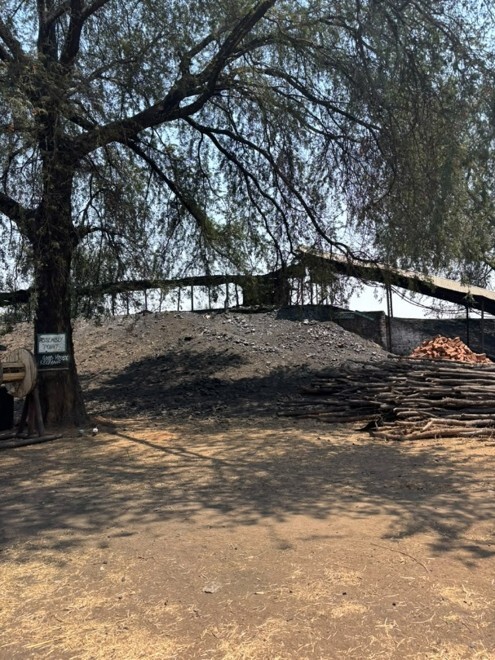
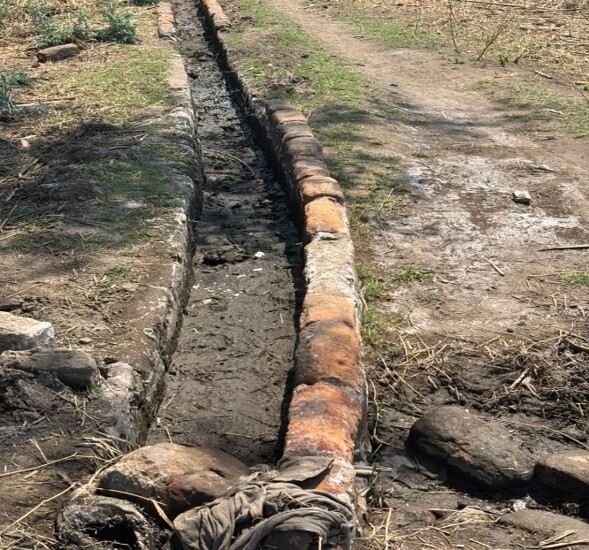
Community monitors documenting conditions at affected water sources.
As mining activities continue, it is essential to ensure that the rights and well-being of affected communities are respected and protected. Mining can contribute to development, but the pursuit of profit or development must never come at the expense of people, natural resources or the generations to come. Communities have the right to information, to a healthy environment and to be heard on decisions that affect their lives.
Health is a Right: Scorecards at Sinazeze and Sinazongwe Rural Health Centres
Community members used community scorecards to assess access, availability and quality of services at Sinazongwe and Sinazeze Rural Health Centres. The scorecard process gives communities a structured way to identify what is working and what is not and to set their experience alongside the perspective of health workers. The exercise documented priority concerns in infrastructure, staffing, sanitation and patient-support needs. These findings were prepared to inform evidence-based dialogue with health providers and duty bearers, and to agree on practical improvements to services.
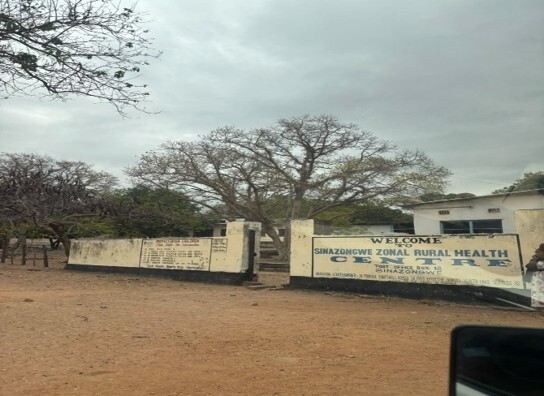
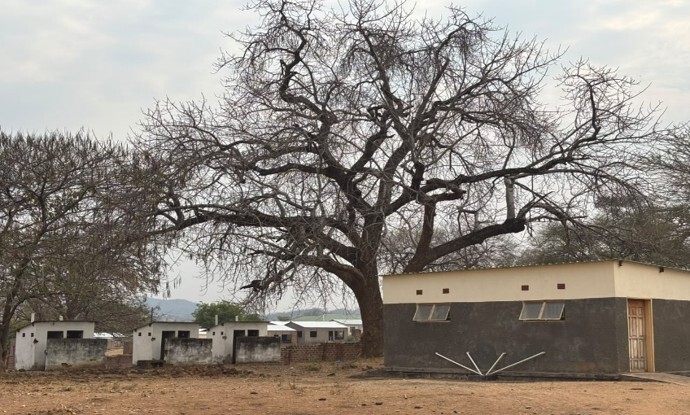
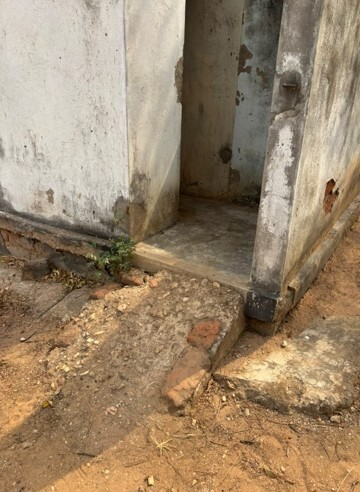
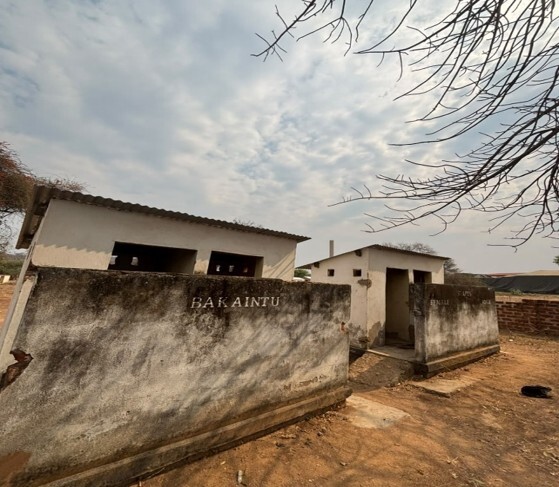
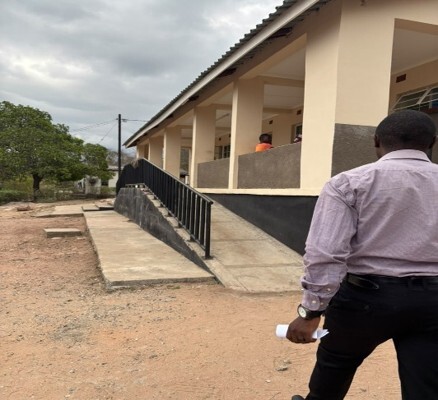
Sinazongwe and Sinazeze Rural Health Centres, where the community scorecards were applied.
Quality health care is fundamental to human dignity and we are reminded to ask who is being left behind. The principle of participation means people are not passive recipients of services. They are partners in planning, delivering and monitoring them. When services are monitored with communities, they become more inclusive, responsive and trustworthy.
Platforms for dialogue: From Evidence to Action
The findings did not stay on paper. LIFT Zambia convened interface meetings that brought together community members, service providers, traditional and faith leaders, local authorities and other duty bearers to review the social accountability and environmental monitoring results. Communities presented their own evidence and discussed priority concerns. Participants then identified actions to improve public health services, strengthen accountability in mining and advance climate and environmental justice.
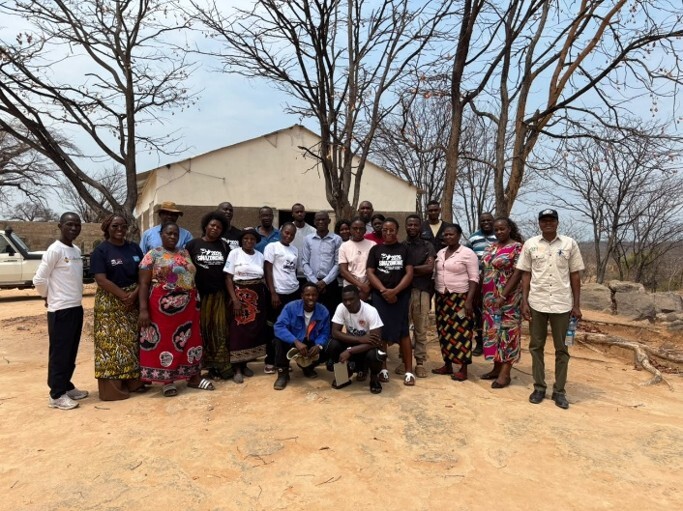
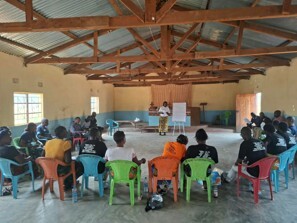
Dialogue platforms allow communities to speak for themselves, give duty bearers the chance to respond directly and turn concerns into shared, practical solutions.
Conclusion
Through these engagements it is evident that communities are not merely beneficiaries of development but active agents of it. When people are informed, organized and heard, public services improve, natural resources are better protected and leaders become more accountable.

"A just Zambian society guided by faith, where everyone enjoys the fullness of life".