
Friday, November 20, 2026 - Lusaka, Zambia
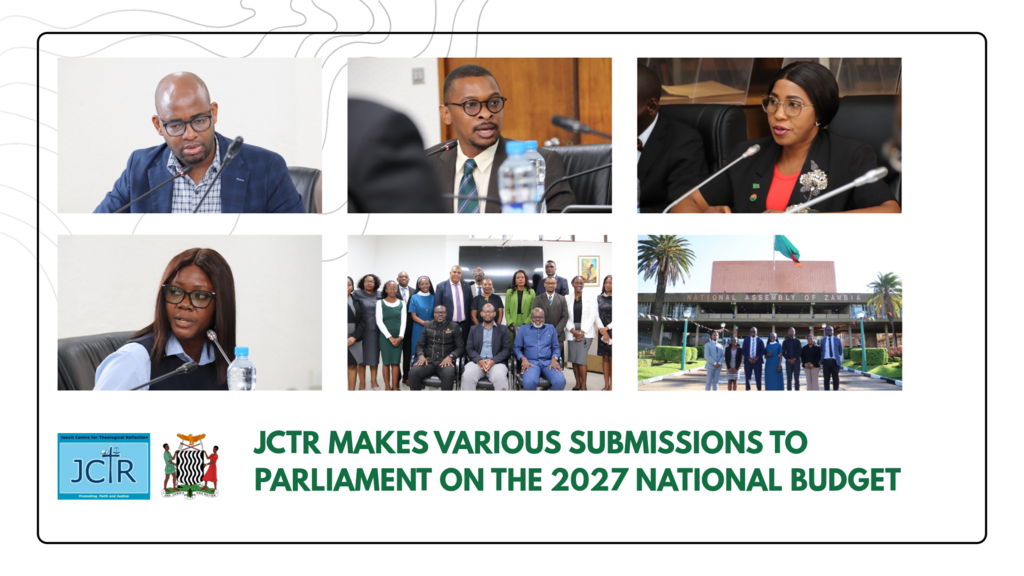
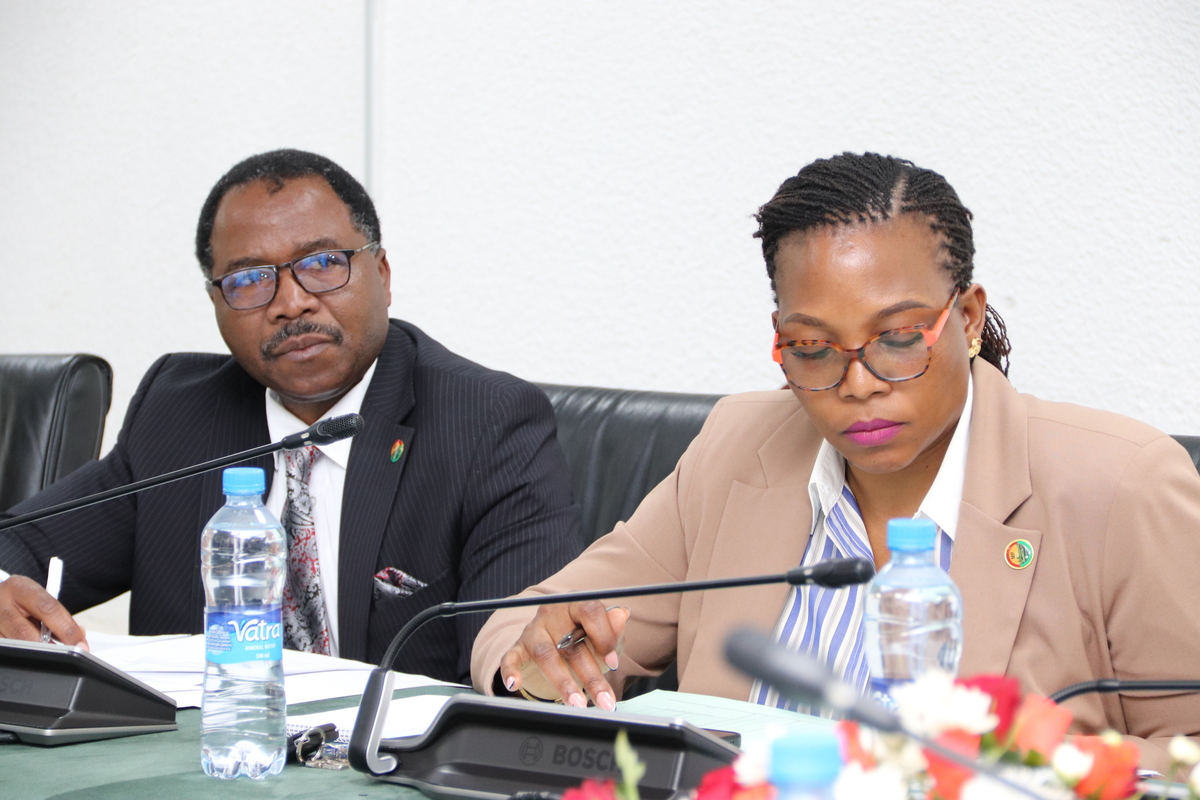
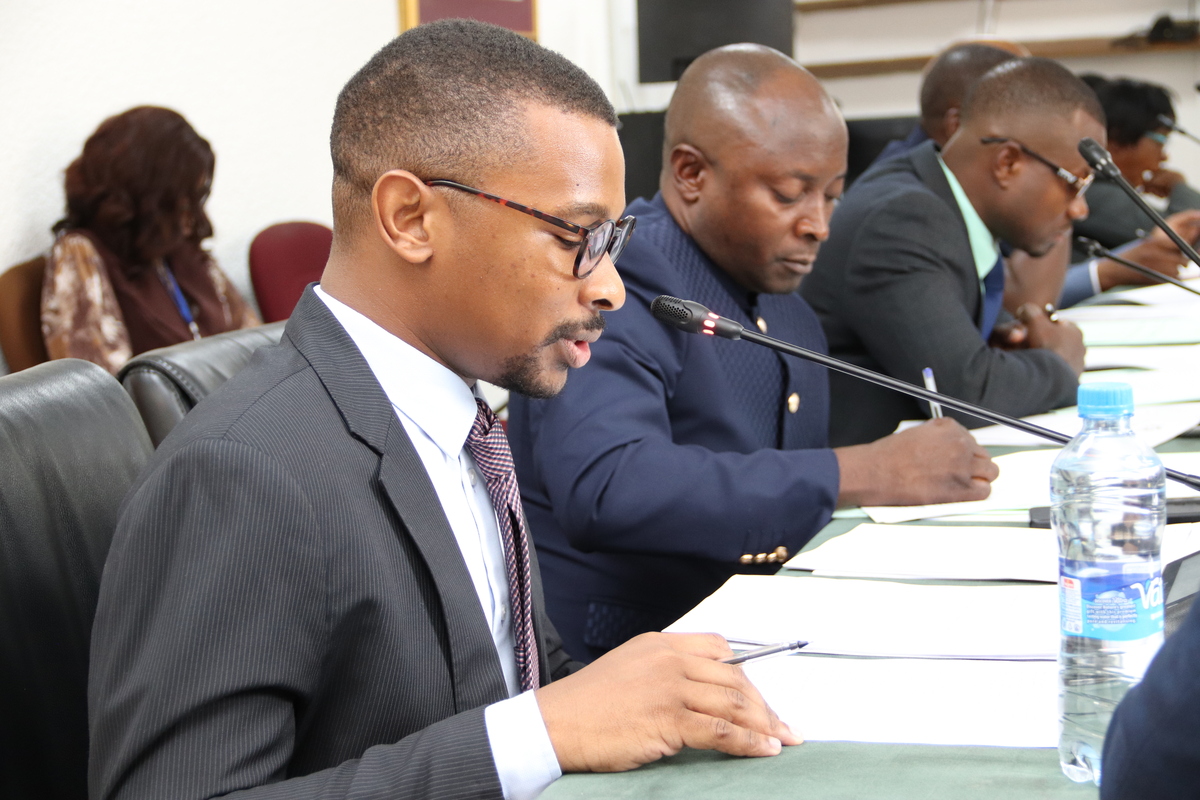
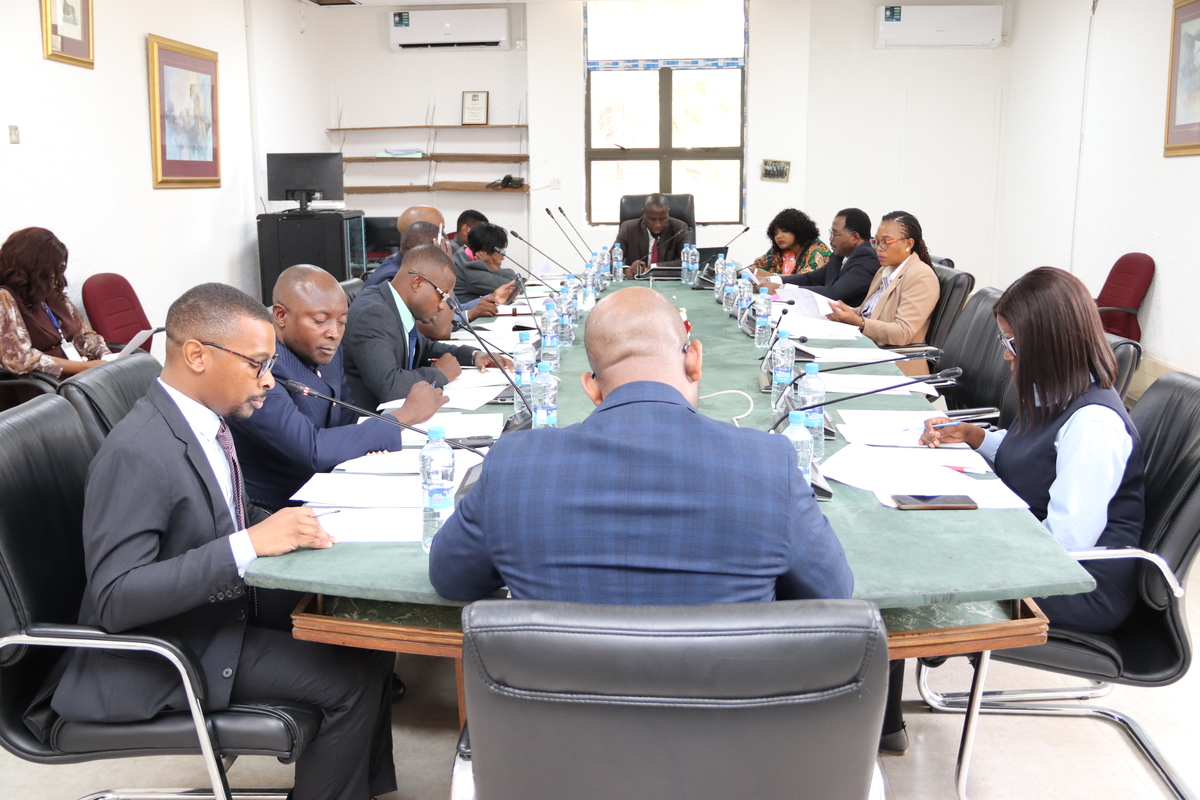
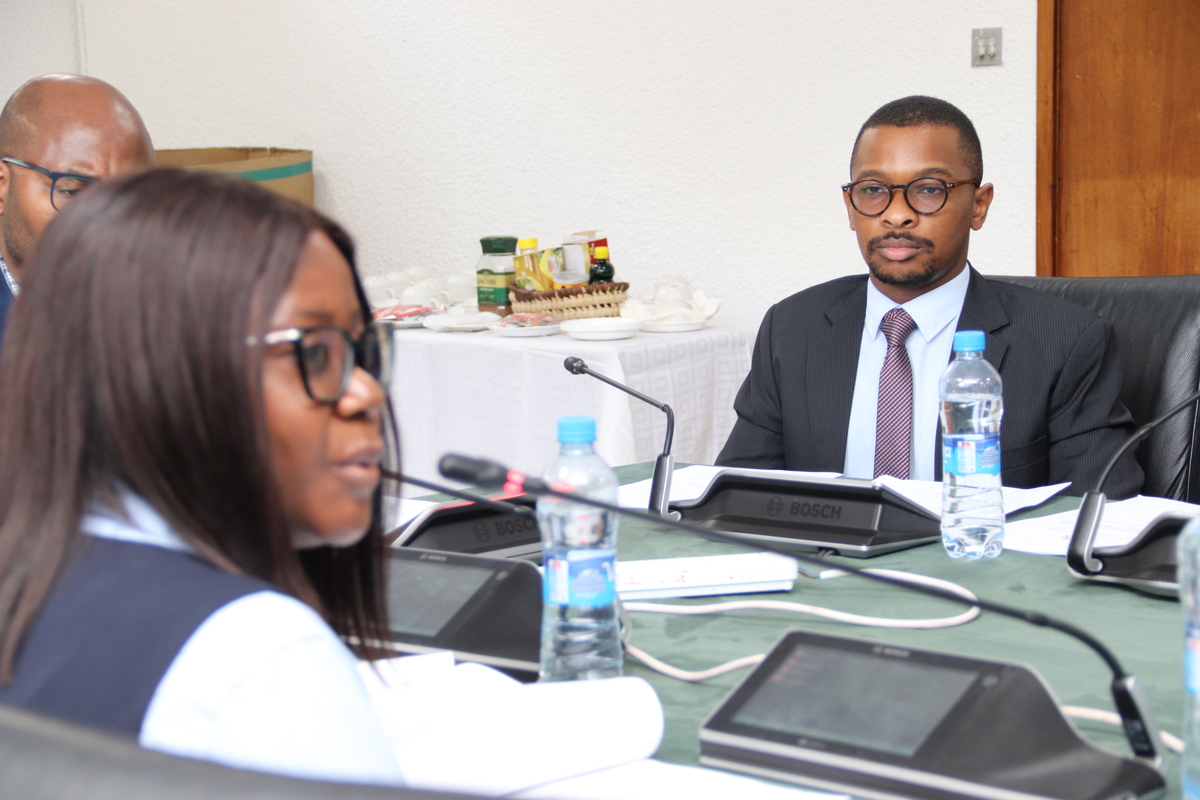
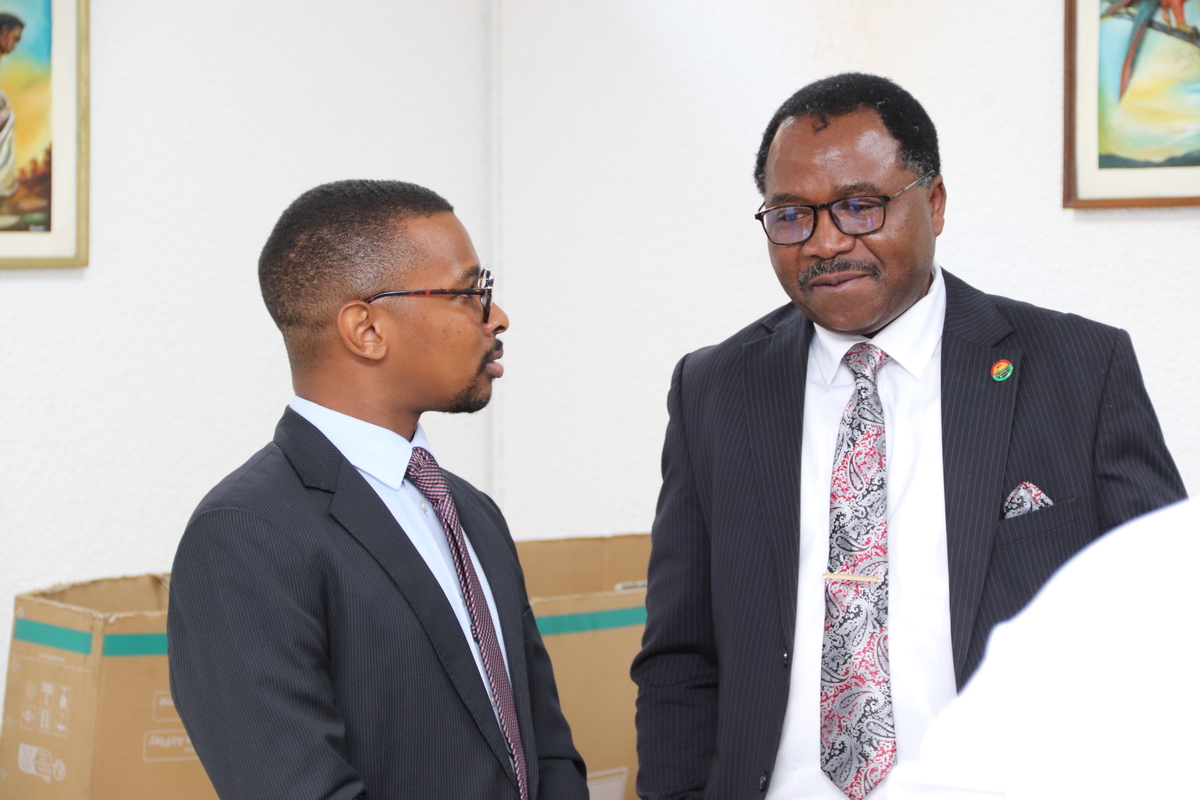
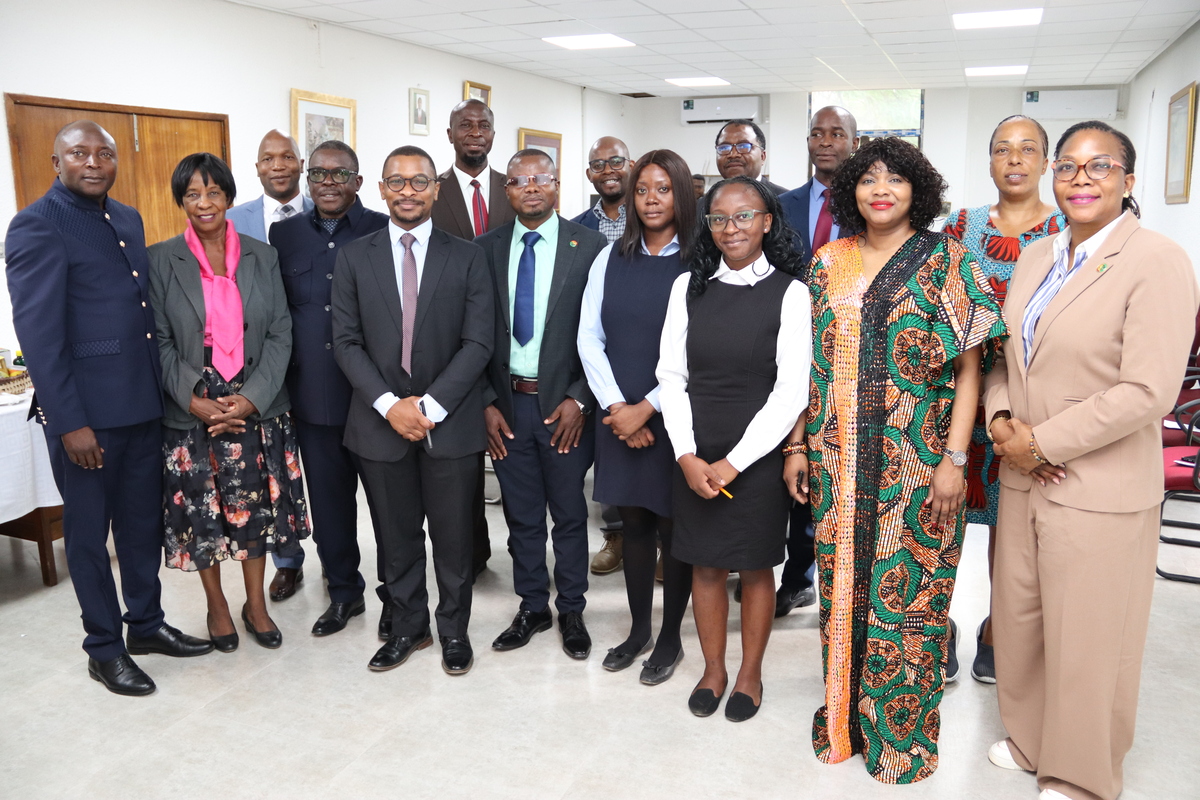
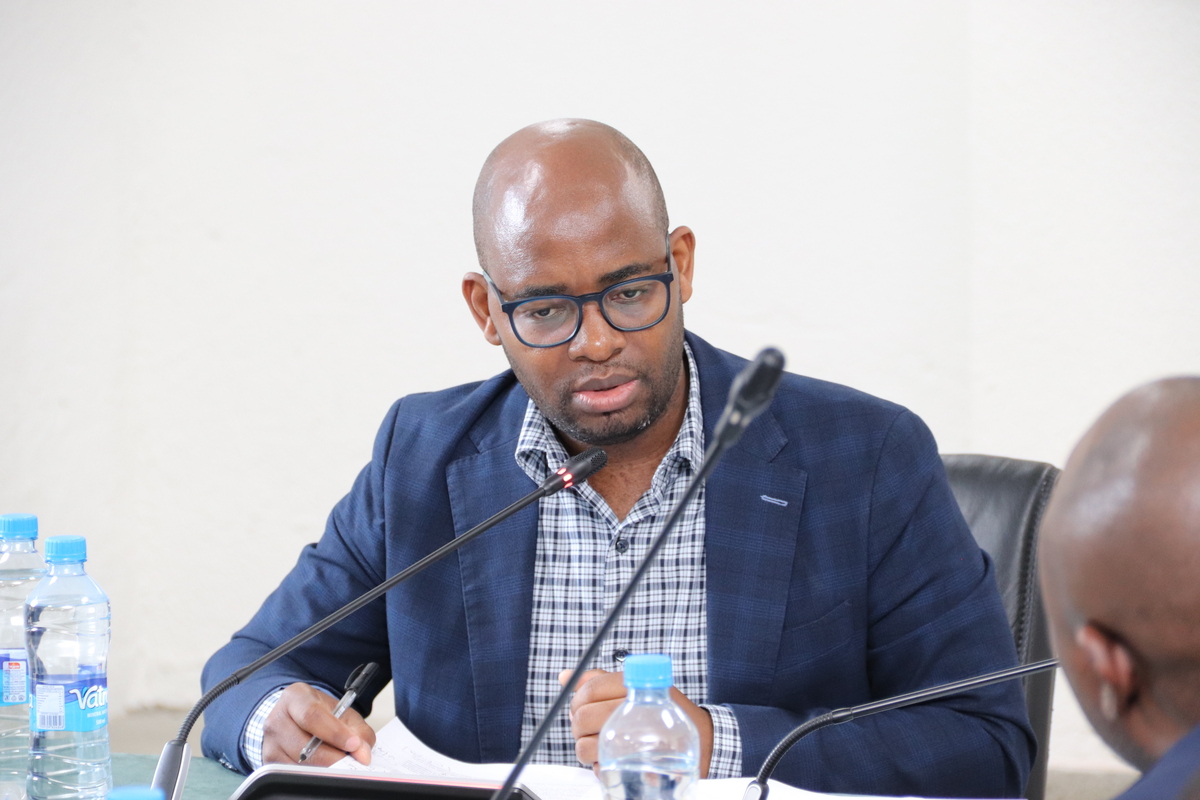
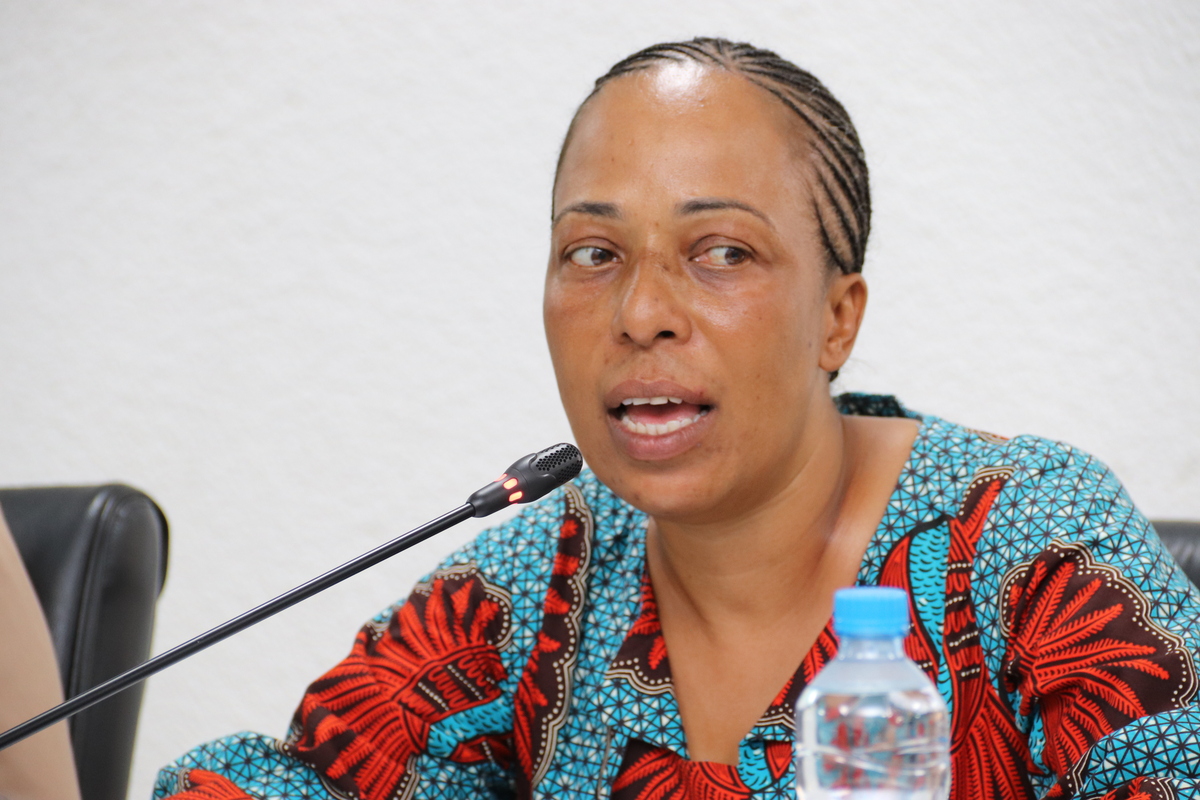
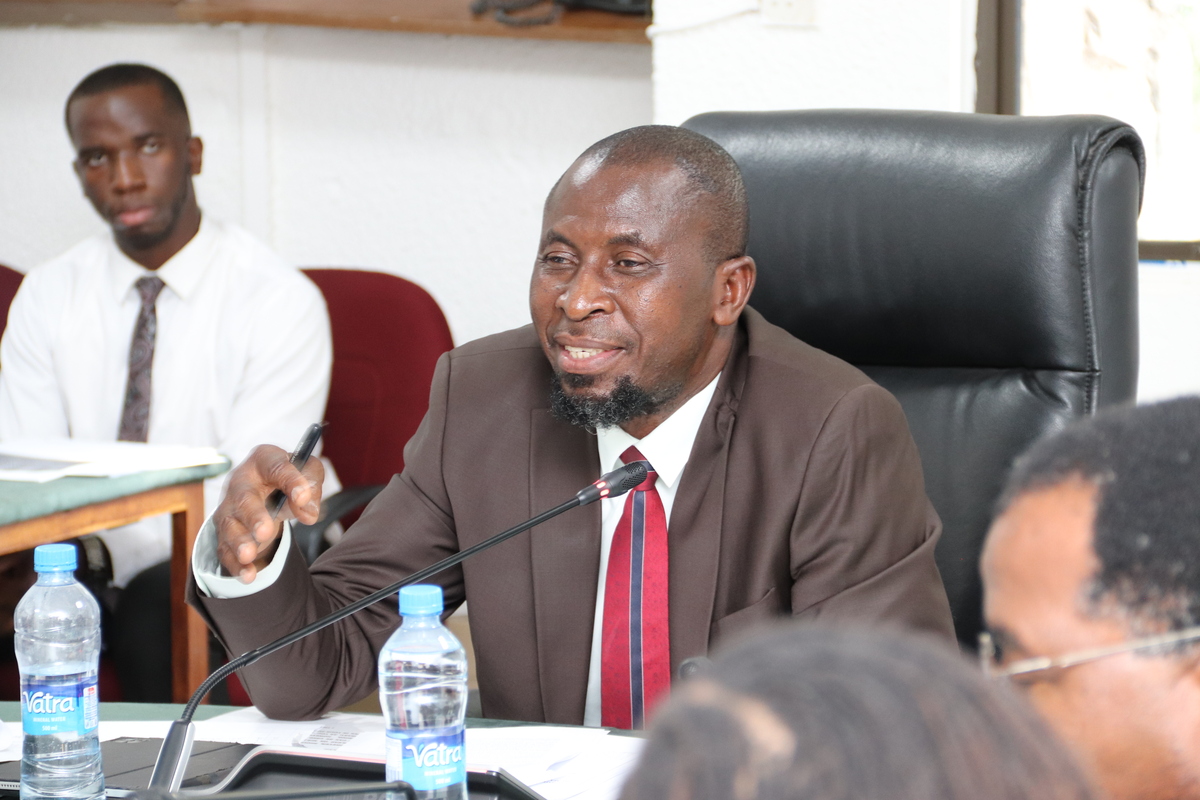
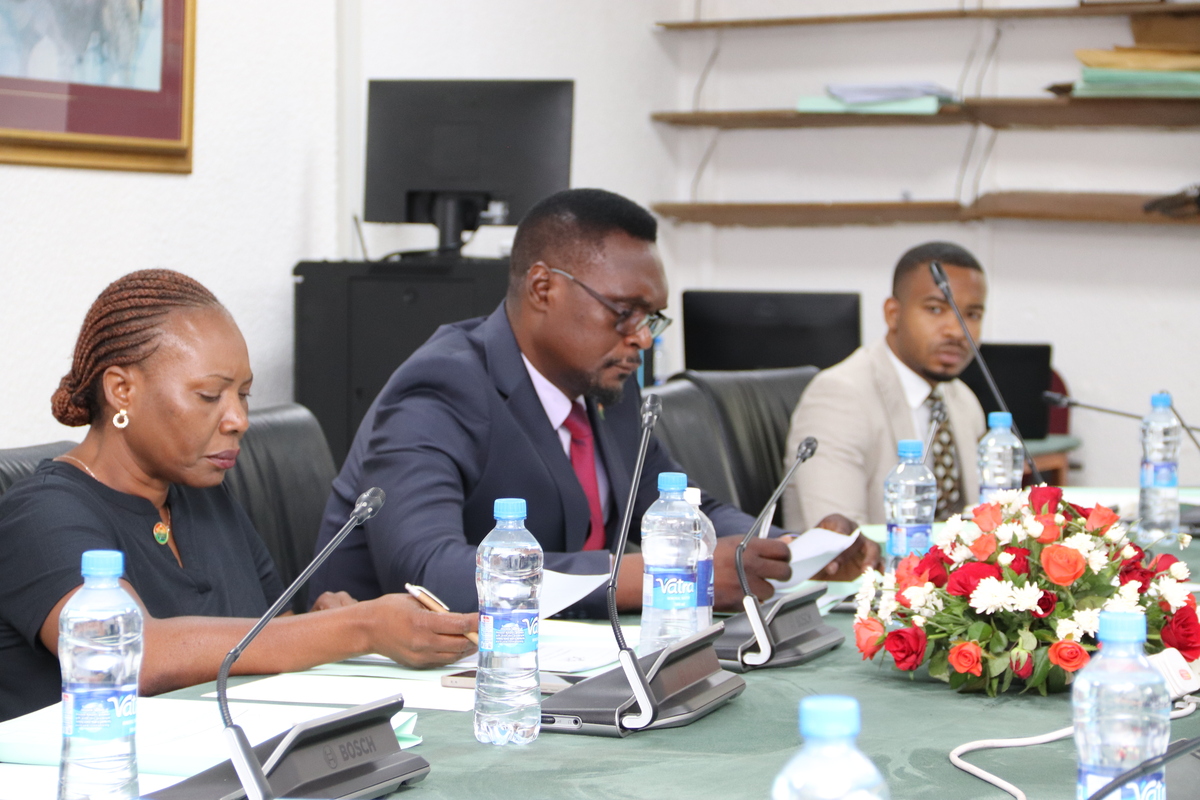
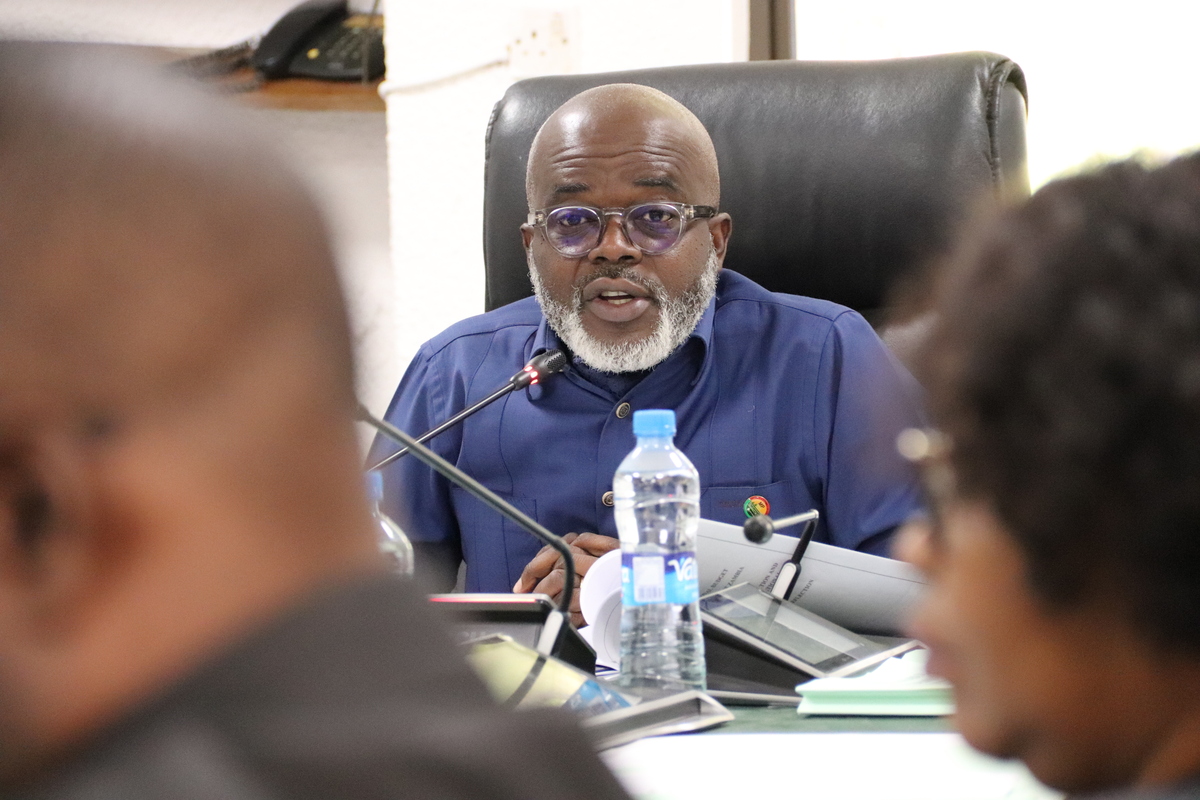
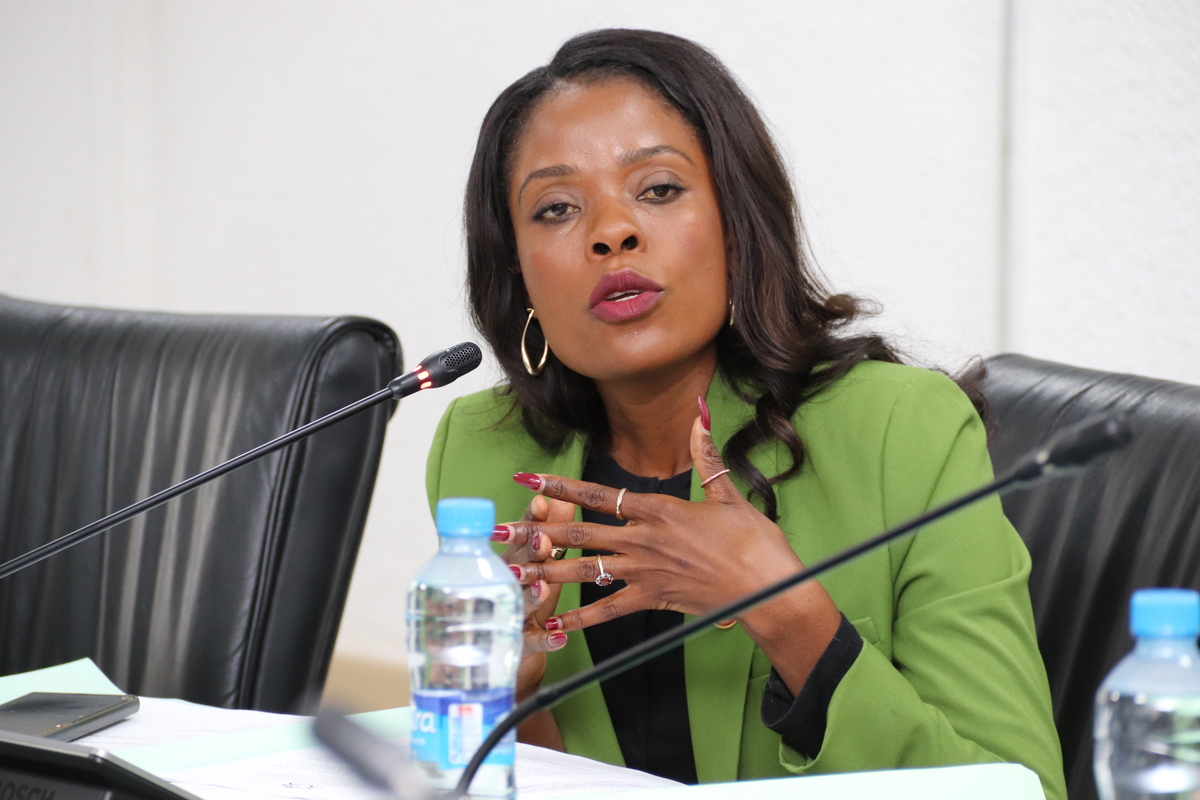
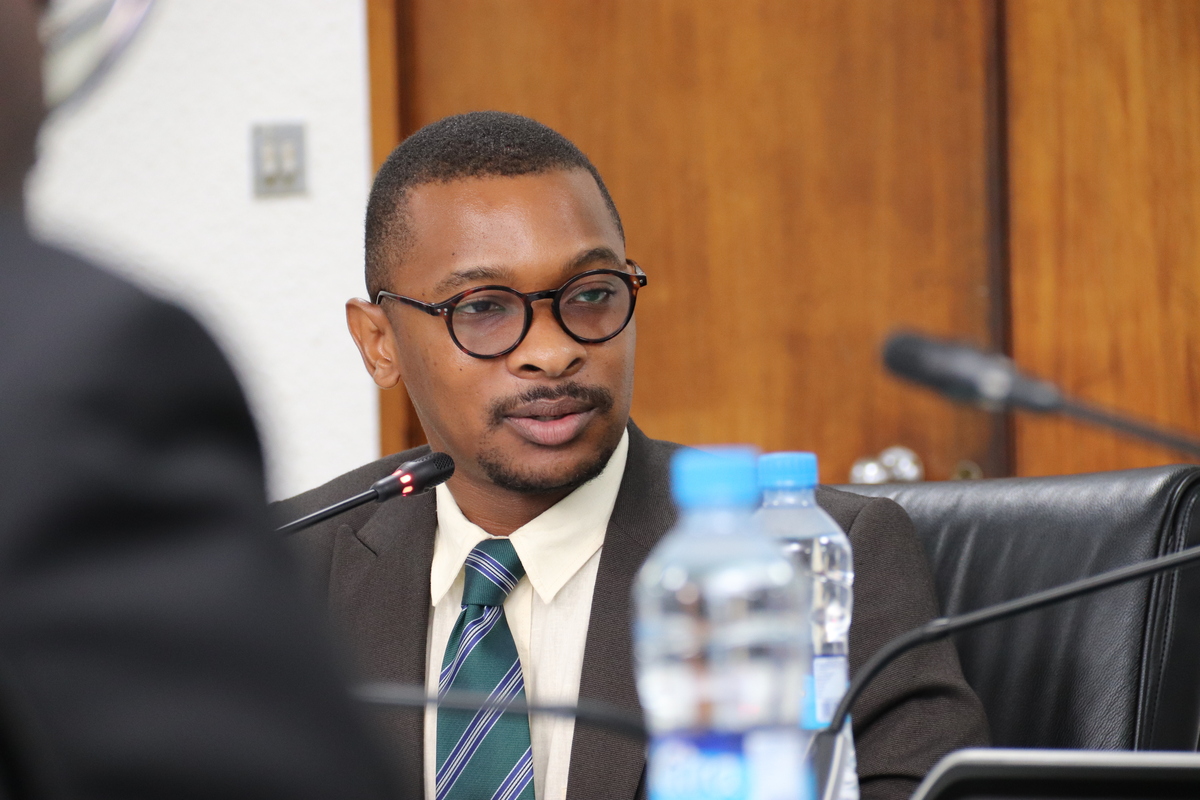
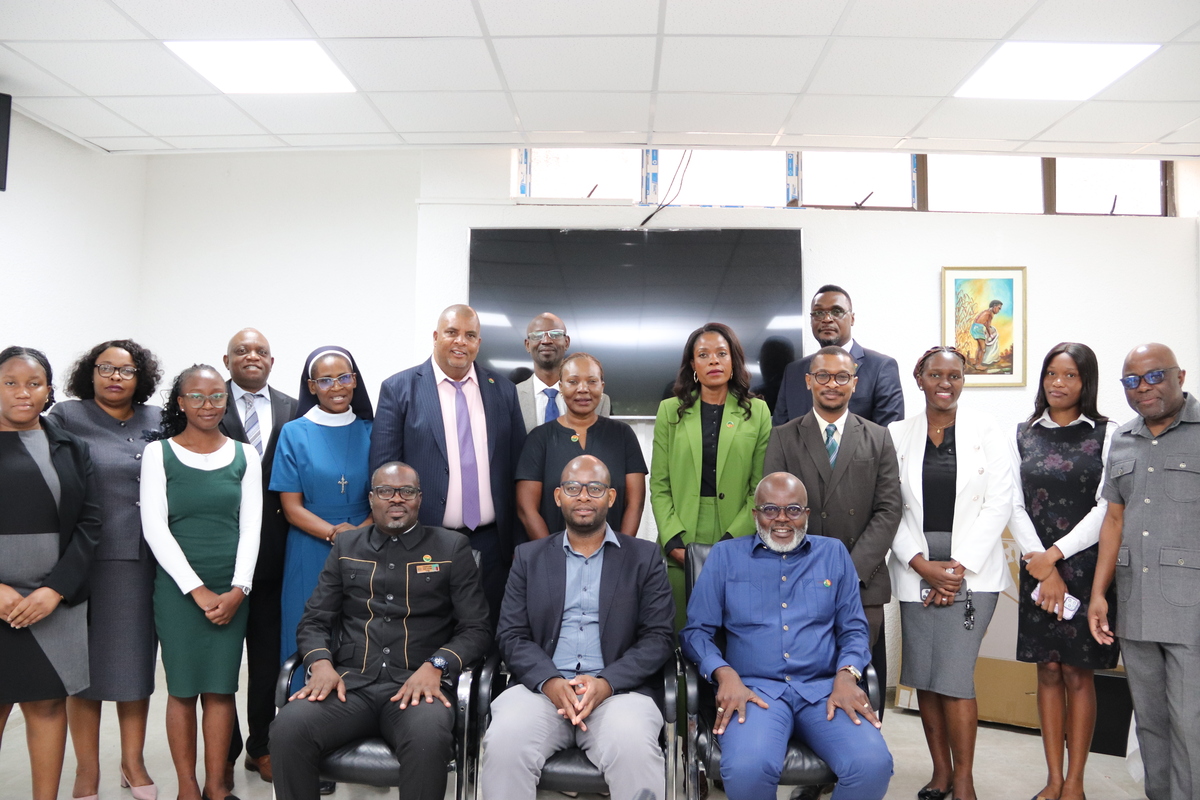
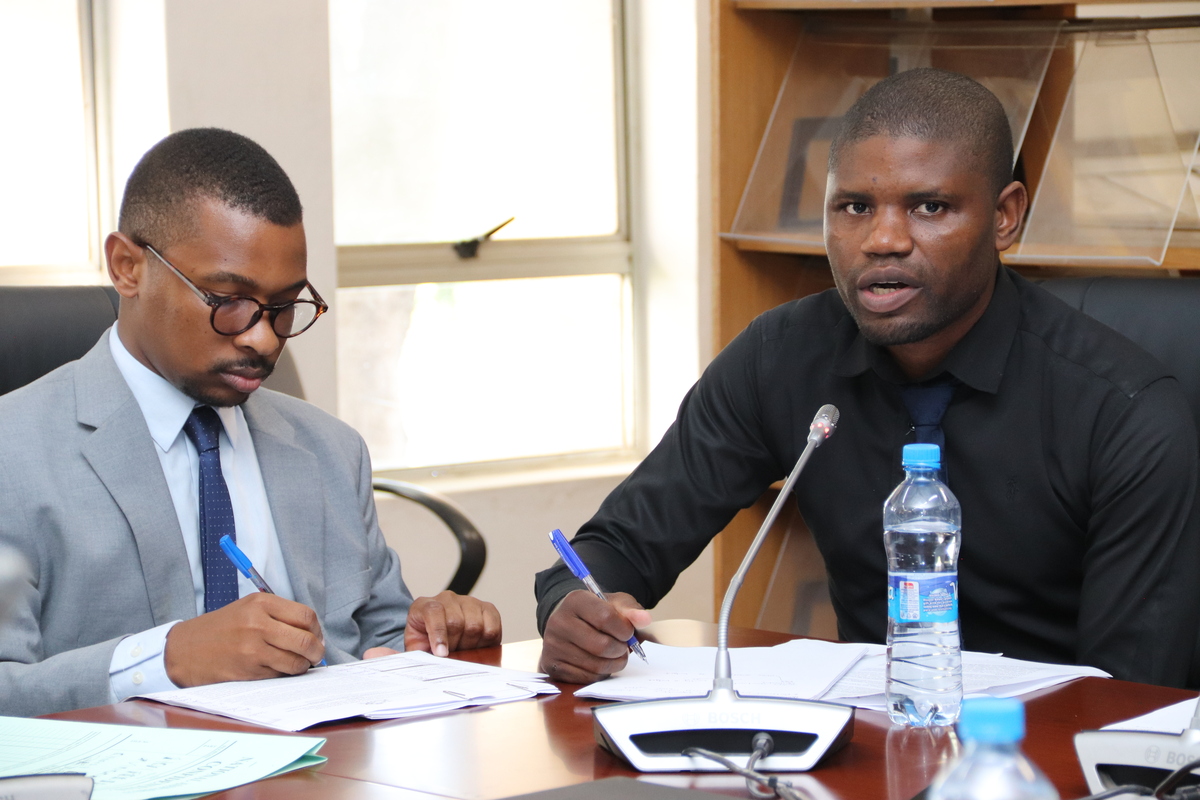
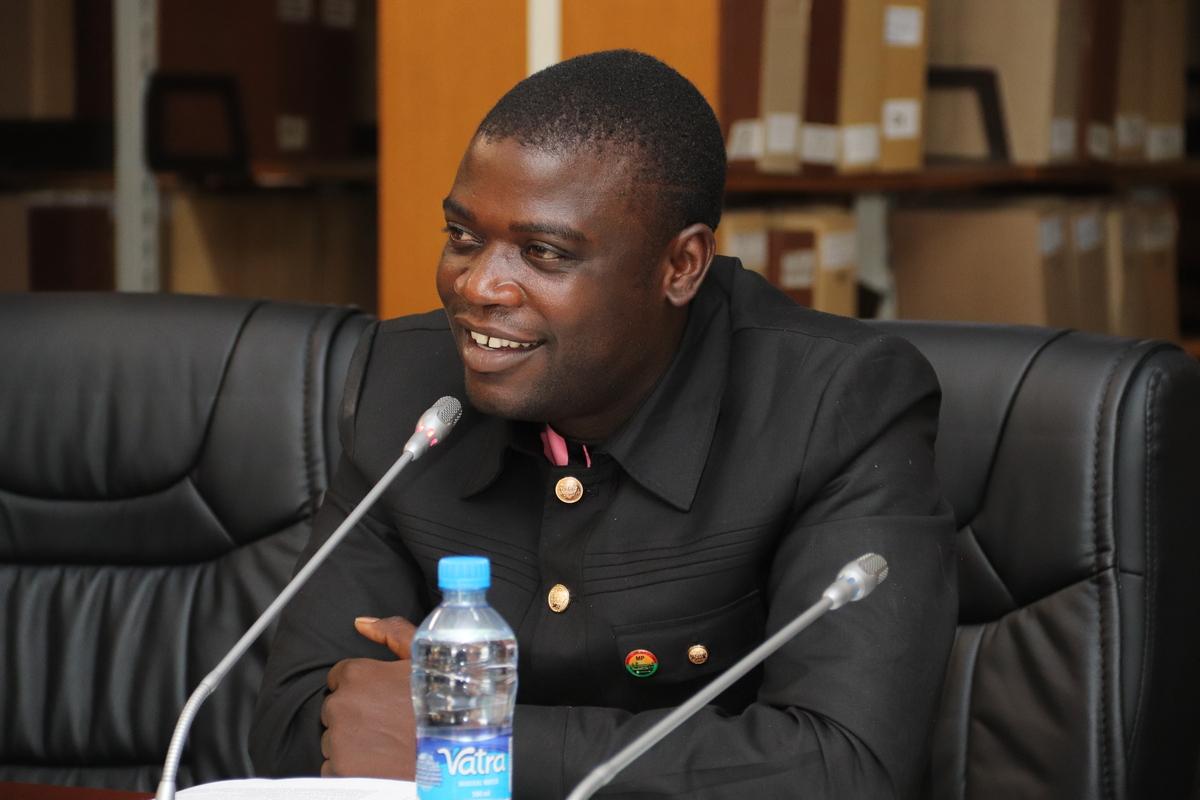
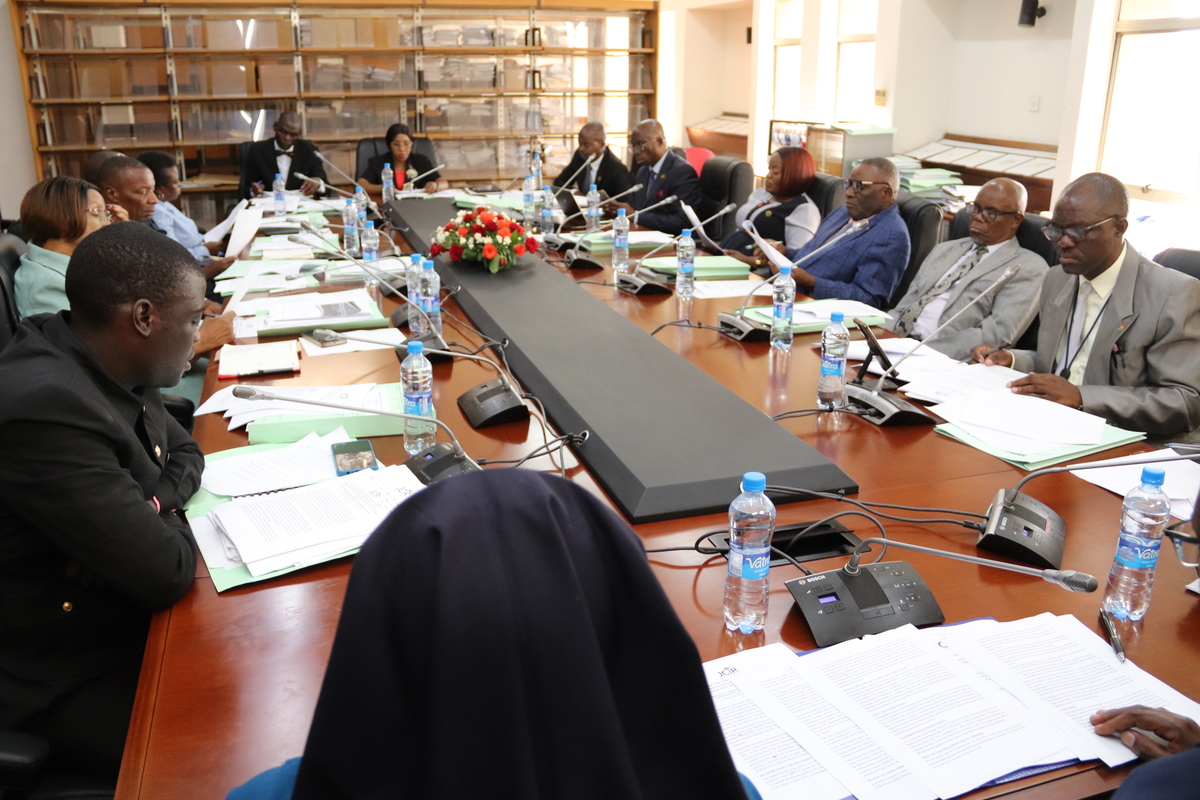
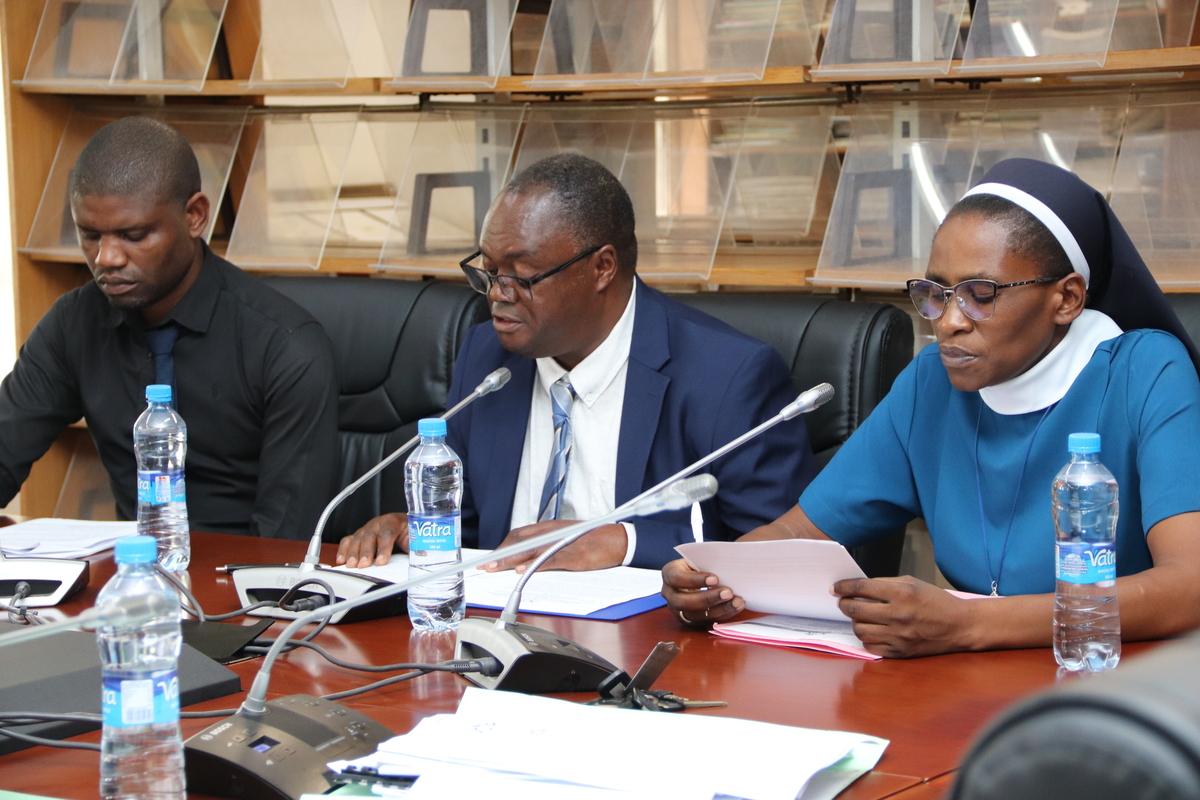
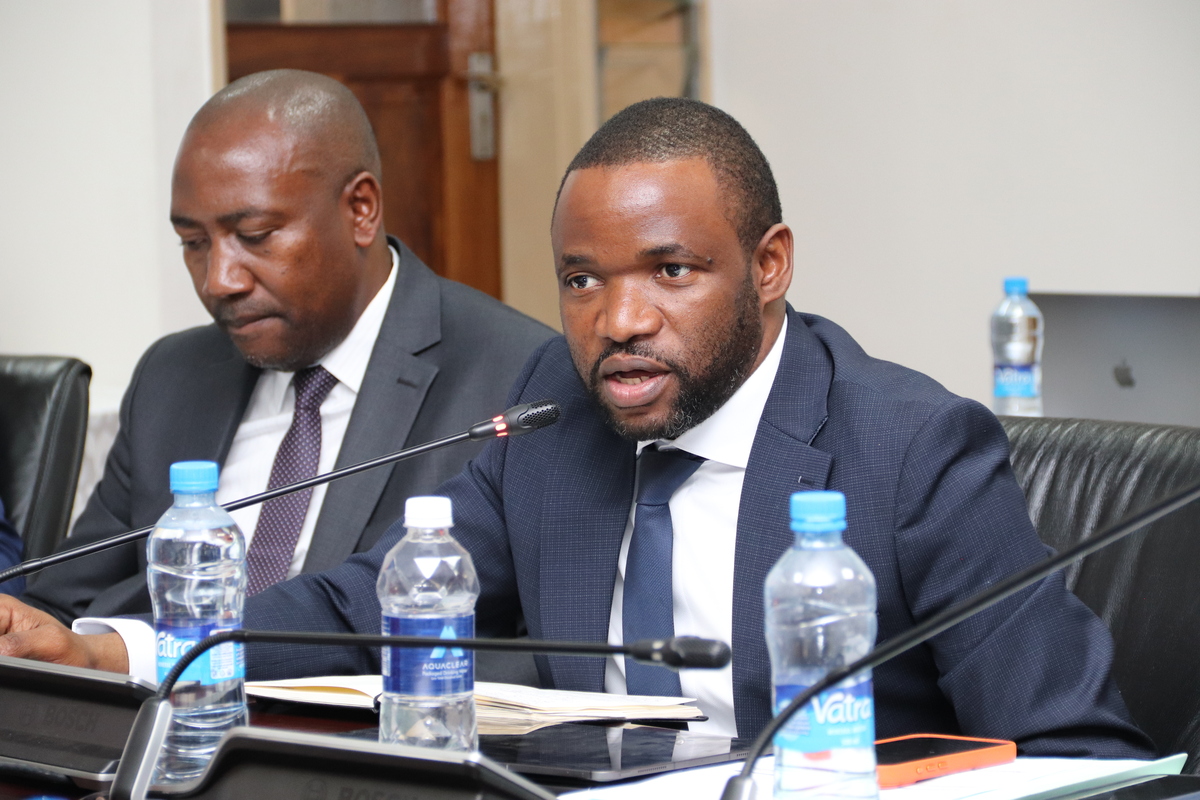
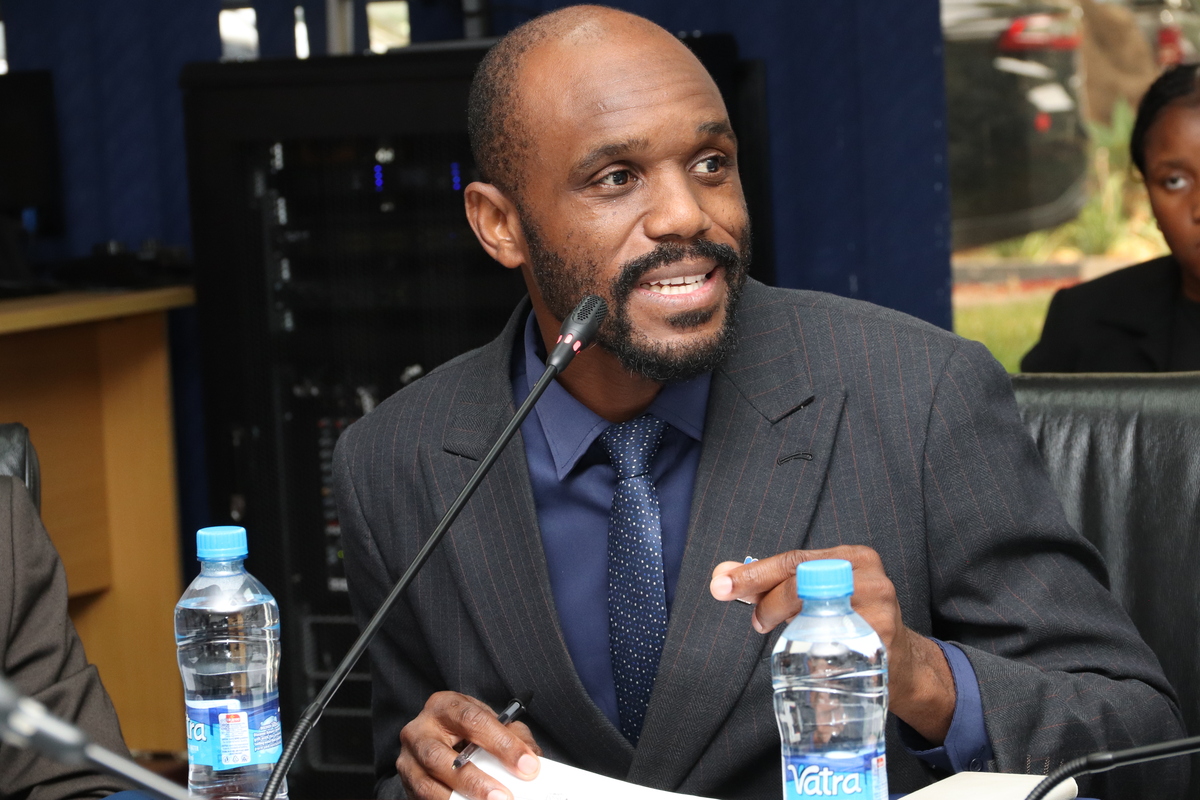
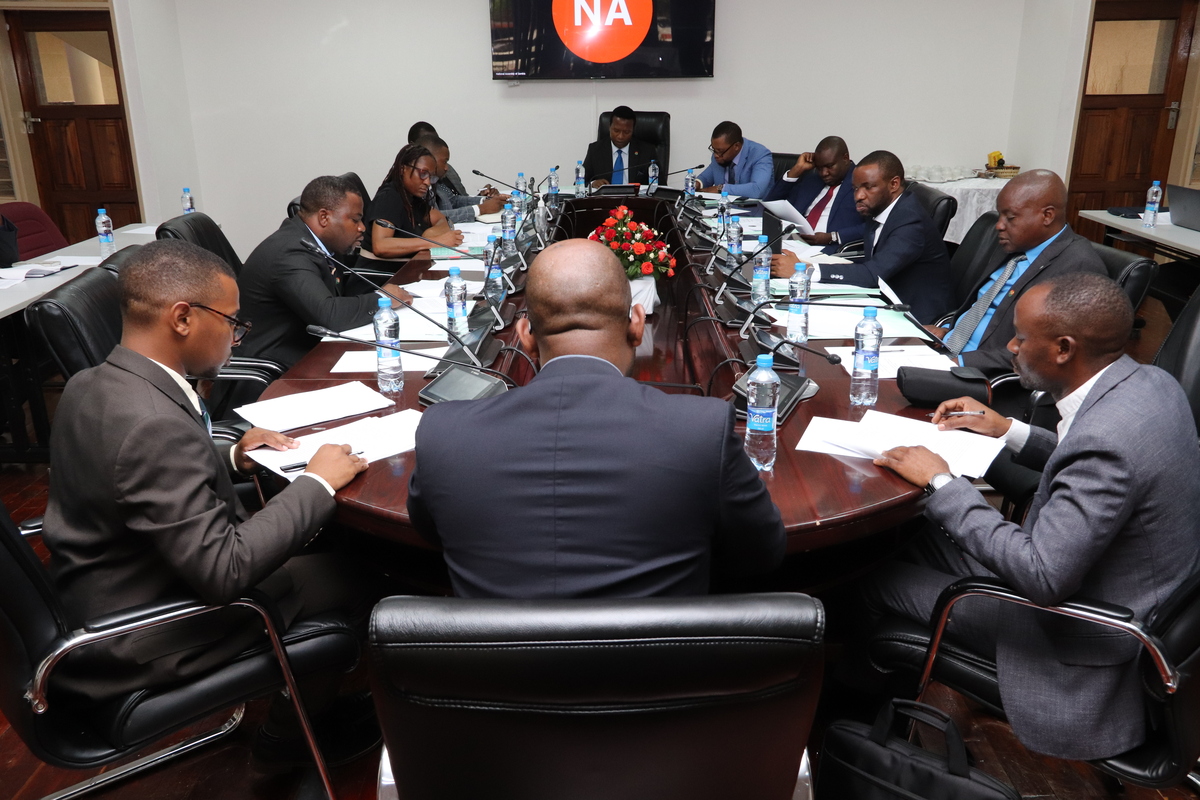
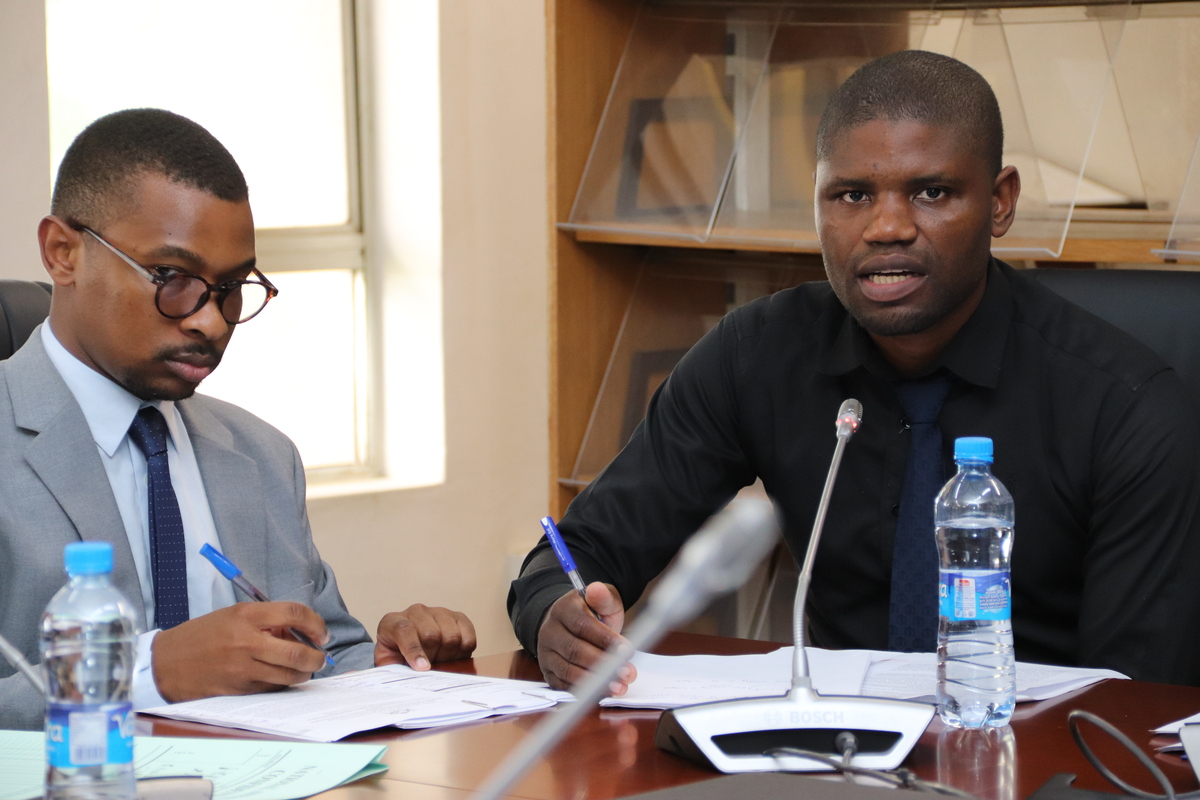
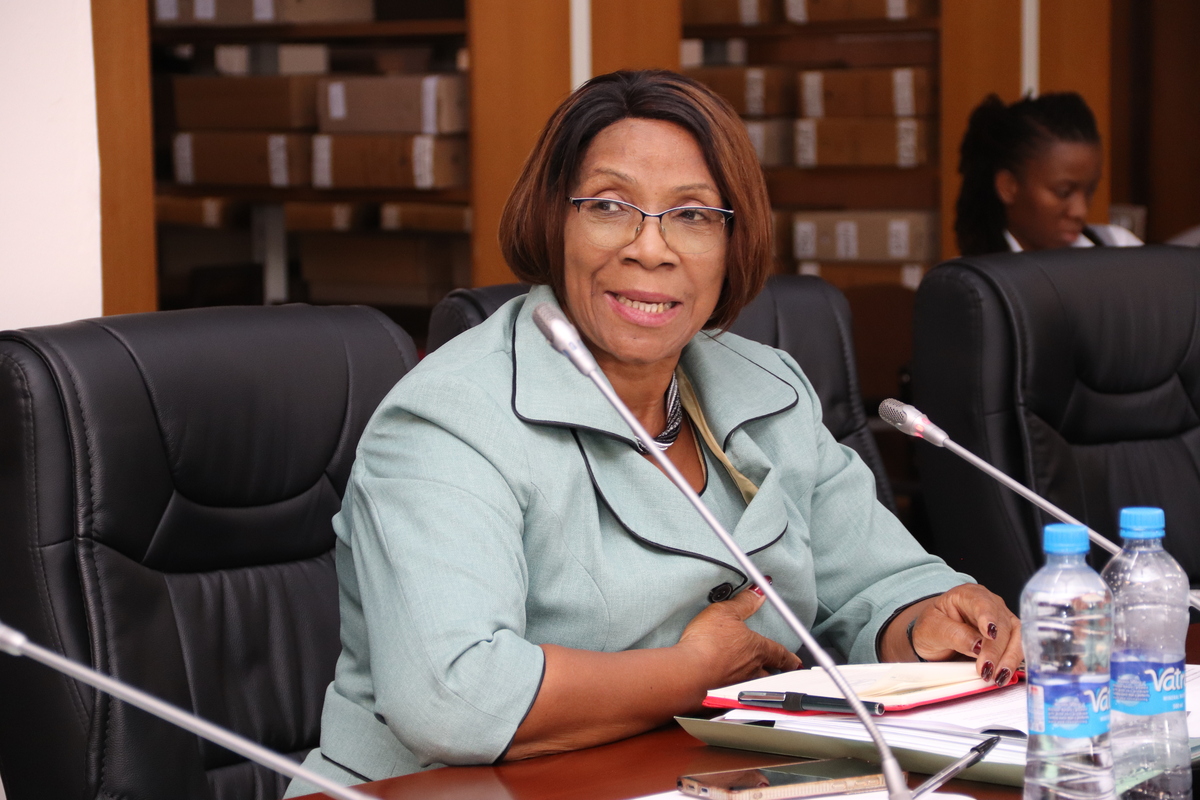
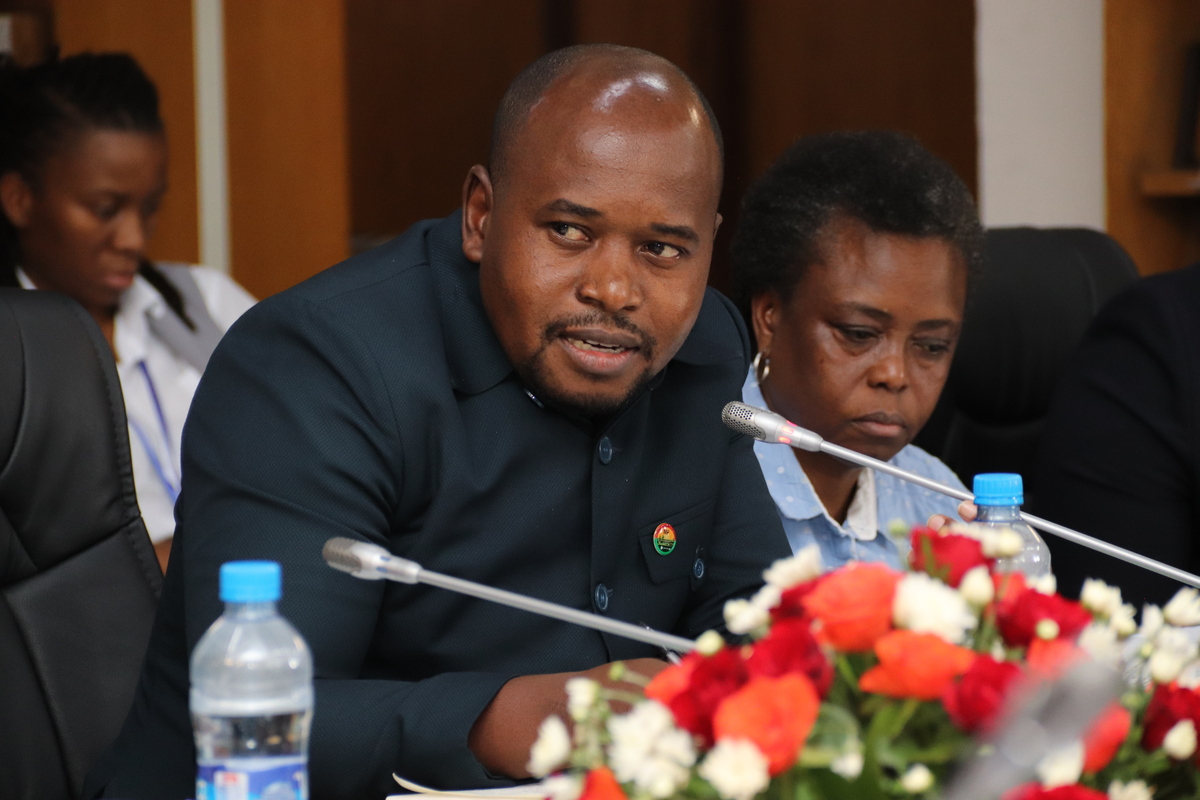
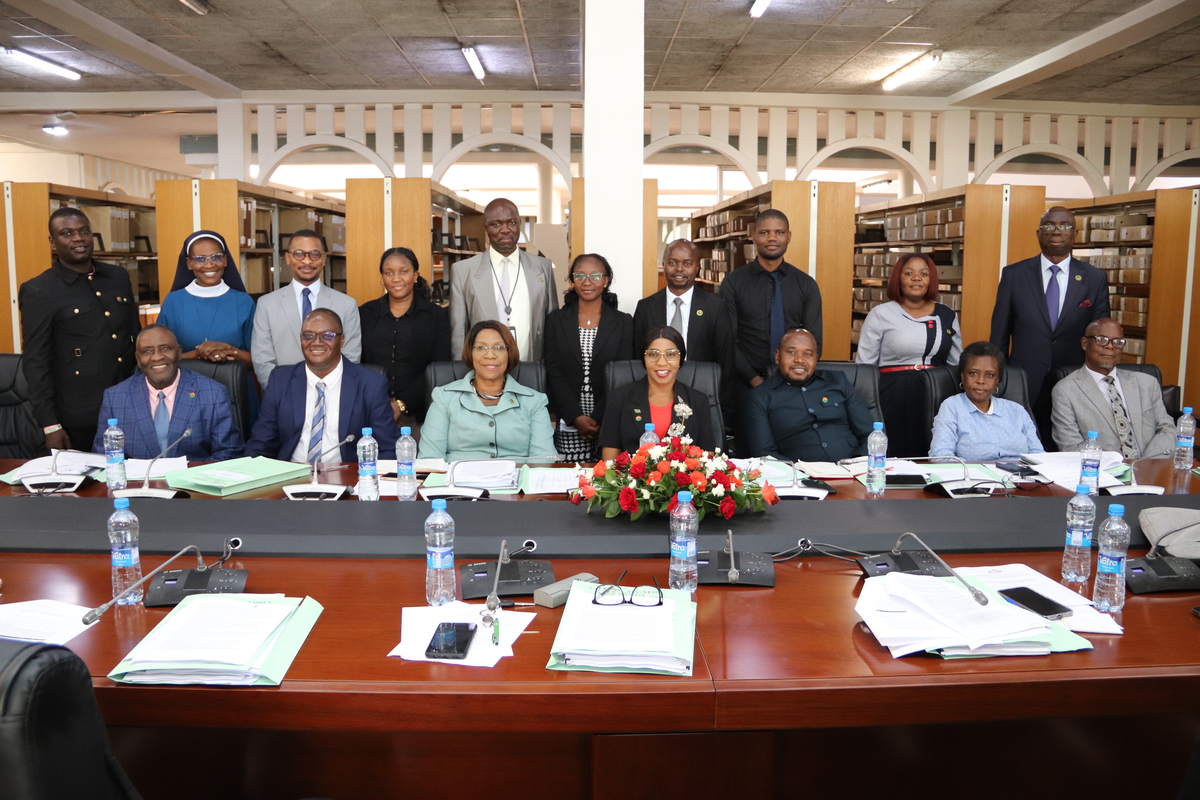
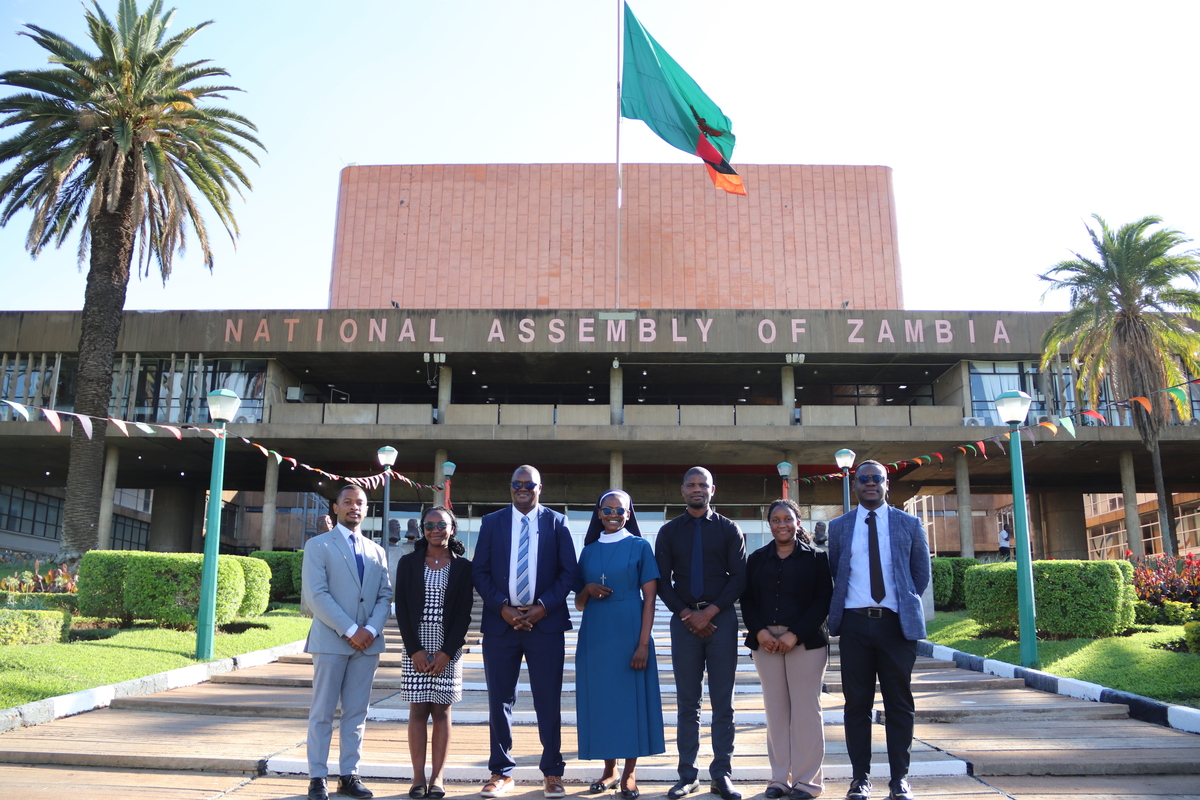
From Monday, November 16 to Thursday, November 19, the Jesuit Centre for Theological Reflection (JCTR) made a series of submissions to various Committees of the National Assembly of Zambia on the proposed 2027 National Budget, calling for more responsive public spending, stronger institutional accountability and greater investment in essential public services.
Drawing on its research, policy analysis, community engagement and social accountability work, JCTR examined allocations across key sectors, assessing whether the proposed expenditure adequately responds to the needs of citizens and aligns with Zambia's national development priorities and constitutional obligations.
While acknowledging areas of progress in the proposed Budget, JCTR raised concerns about funding gaps, declining allocations to critical programmes, institutional capacity and the disconnect between budgetary commitments and actual service delivery.
The submissions propose targeted budget variations, improved expenditure monitoring, stronger public accountability mechanisms and policy reforms to ensure that national resources deliver meaningful improvements in people's lives.
Below is a summary of the key issues raised in each submission.
JCTR called for increased investment in continuous voter registration, voter education, electoral transparency and institutional independence.
The submission highlights the shortfall of approximately 1.79 million eligible voters following the 2026 voter registration exercise, declaining voter turnout and the need for greater transparency in the publication of polling-station results.
JCTR proposes reallocating ZMW 20 million within the Electoral Commission's budget towards voter registration, voter education, results transparency, post-election reviews and accessibility at polling stations.
2. Ministry of Justice: Strengthening Access to Justice and Accountability
JCTR raised concerns about the limited resources available for legal aid, law reform, whistleblower protection and post-election political dialogue.
Although the Ministry of Justice's allocation increases, a significant proportion is committed to the Compensation Fund and the National Prosecution Authority. Meanwhile, the Legal Aid Board's allocation remains unchanged in nominal terms, while funding for accountability and transparency declines.
JCTR proposes budget variations totalling ZMW 33.6 million to strengthen legal aid services, establish an interim whistleblower protection mechanism, support political dialogue and maintain the capacity of the Zambia Law Development Commission.
The submission also calls for greater transparency in claims paid through the Compensation Fund to address the financial consequences of avoidable legal failures.
3. Human Rights Commission: Strengthening Human Rights Protection and Enforcement
JCTR acknowledges the increased allocation to the Human Rights Commission but cautions that much of the additional funding is absorbed by administrative and personnel costs rather than core human rights activities.
The submission highlights reductions in detention monitoring and access to information enforcement, alongside the absence of a dedicated programme for business and human rights oversight.
JCTR proposes an additional ZMW 8.5 million to strengthen access to information enforcement, detention monitoring, human rights oversight in mining districts and independent reporting on human rights during the 2026 electoral period.
4. Ministry of Community Development and Social Services: Protecting Vulnerable Households
JCTR welcomes the increased allocation to the Social Cash Transfer programme but expresses concern over the removal of funding for the Food Security Pack (FSP) in the 2027 Budget.
The programme supported approximately 265,000 farming households in 2026, making its removal particularly concerning ahead of the anticipated El Niño conditions during the 2026/2027 farming season.
JCTR argues that social protection must go beyond cash transfers to include support that enables vulnerable households to produce food and strengthen their livelihoods.
The Centre proposes restoring ZMW 1.51 billion to the Food Security Pack, alongside measures to strengthen social protection delivery, improve transparency and protect the purchasing power of beneficiaries.
5. Ministry of Health: Investing in Accessible and Quality Healthcare
JCTR recognises the increased allocation to the health sector but raises concerns about the adequacy of funding for essential medicines, medical equipment and healthcare infrastructure.
The submission highlights the real-term decline in resources for essential medicines, reductions in capital expenditure on medical equipment and the need to strengthen rural health facilities as Government extends National Health Insurance Management Authority (NHIMA) coverage to Social Cash Transfer beneficiaries.
6. Education, Skills, Science and the Teaching Service: Investing in Human Capital
JCTR examines the allocations to the education function, highlighting the growing pressure on the education system following the introduction of the Free Education Policy.
While the Centre welcomes increased allocations for school grants, curriculum materials, school feeding, student loans and university infrastructure, it raises concerns about teacher shortages, inadequate school infrastructure, reduced funding for girls' education and limited investment in skills development, research and innovation.
The submission highlights the increase in school enrolment, rising learner-to-teacher ratios and the departure of 7,981 teachers in 2025.
JCTR calls for a funded teacher recruitment target, stronger oversight of teacher appointments, improved school infrastructure, increased support for technical and vocational education and more meaningful investment in research and innovation.
7. Emoluments Commission and Ministry of Labour and Social Security: Promoting Fair Remuneration and Decent Work
JCTR raises concerns about the capacity of the Emoluments Commission to fulfil its mandate and the limited resources allocated to labour protection and social security.
The submission highlights the need for greater transparency in public remuneration decisions, improved enforcement of minimum wage regulations and stronger labour inspections.
It also draws attention to the limited coverage of social security among informal economy workers, the need to review minimum wages and inadequate occupational health monitoring outside the mining sector.
JCTR proposes a ZMW 5 million reallocation within the Emoluments Commission's budget and ZMW 8.5 million in additional funding for the Ministry of Labour and Social Security to strengthen labour inspections, minimum wage enforcement, occupational health services and social security coverage.
8. Water, Electricity and Petroleum: Strengthening Essential Infrastructure and Household Resilience
In a joint submission with WaterAid Zambia, JCTR examines the proposed allocations to the Ministries of Water Development and Sanitation, Electricity, and Petroleum.
The submission highlights the interconnected nature of water and energy security, particularly how unreliable electricity affects water supply, sanitation services, household livelihoods and the cost of living.
JCTR raises concerns about declining targets for borehole construction, rehabilitation and household water connections, limited investment in renewable energy and the affordability of electricity and clean cooking alternatives for low-income households.
The Centre proposes an additional ZMW 400 million for water infrastructure maintenance, solar backup systems for mechanised boreholes, water, sanitation and hygiene services in health facilities and schools, cholera preparedness and catchment protection.
It also calls for improved coordination between the water and energy sectors to ensure that infrastructure investments respond to the needs of communities.
Towards a More Accountable and People-Centred National Budget
Across the eight submissions, JCTR emphasises that the effectiveness of a national budget should not be measured solely by the size of its allocations, but by its ability to respond to citizens' needs, uphold constitutional rights and improve the quality of public services.
The Centre's recommendations are informed by evidence from its research and engagements with communities, public institutions and other stakeholders. They seek to strengthen the relationship between public expenditure, institutional performance and the lived experiences of Zambians.
JCTR maintains that public resources must be directed towards priorities that advance human dignity, promote social and economic justice and ensure that no one is left behind.
As Parliament continues its scrutiny of the proposed 2027 National Budget, the Centre encourages policymakers to consider these recommendations in pursuit of a more inclusive, accountable and people-centred approach to national development.







"A just Zambian society guided by faith, where everyone enjoys the fullness of life".