
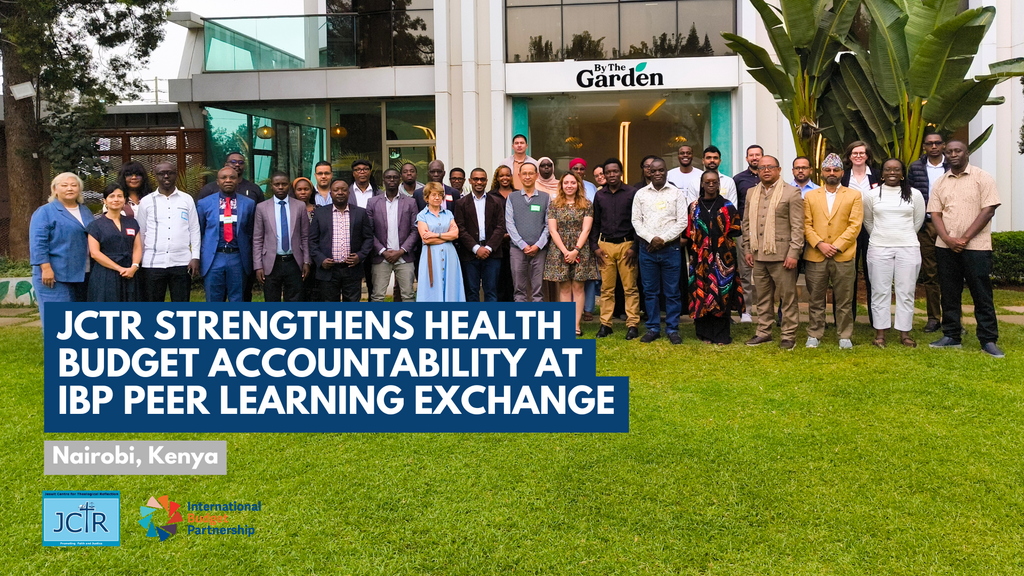
Nairobi, Kenya | 21–23 July 2026
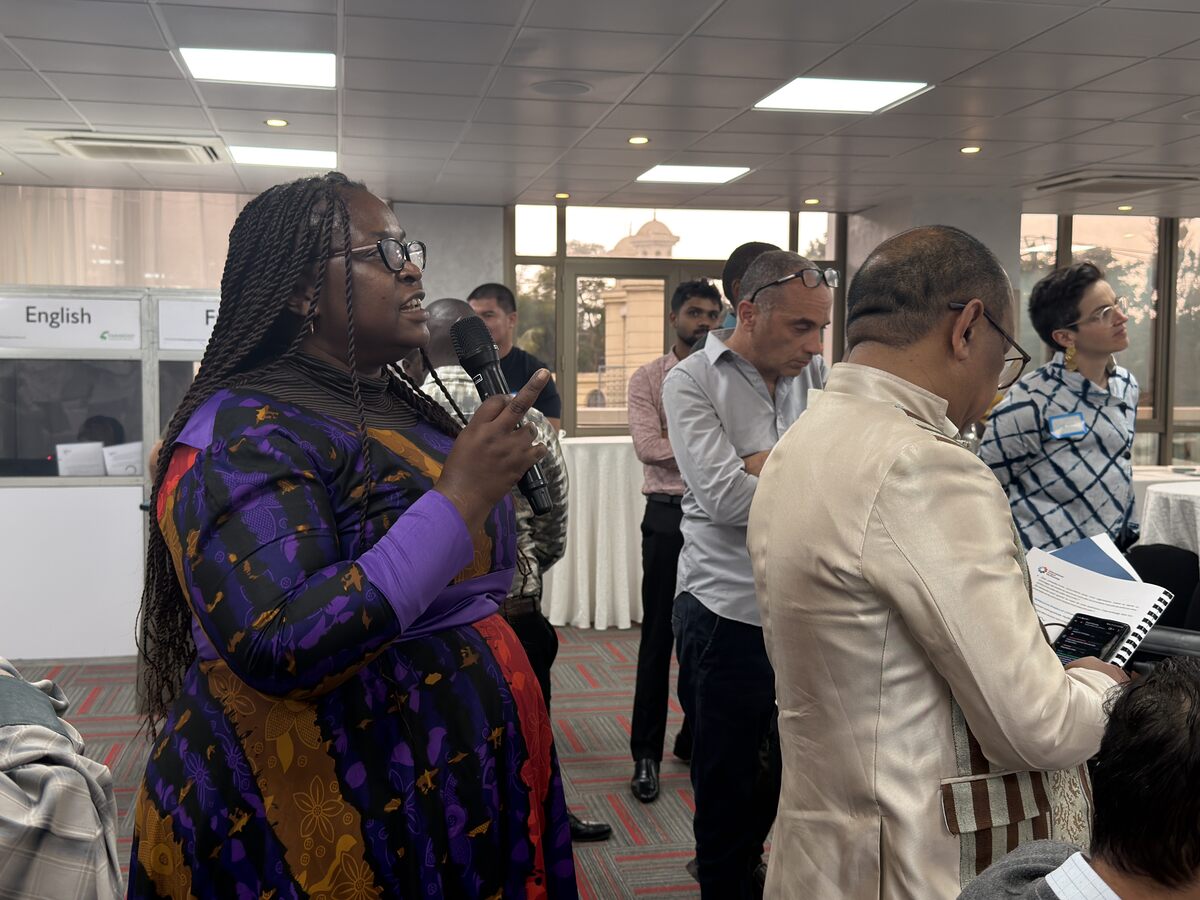
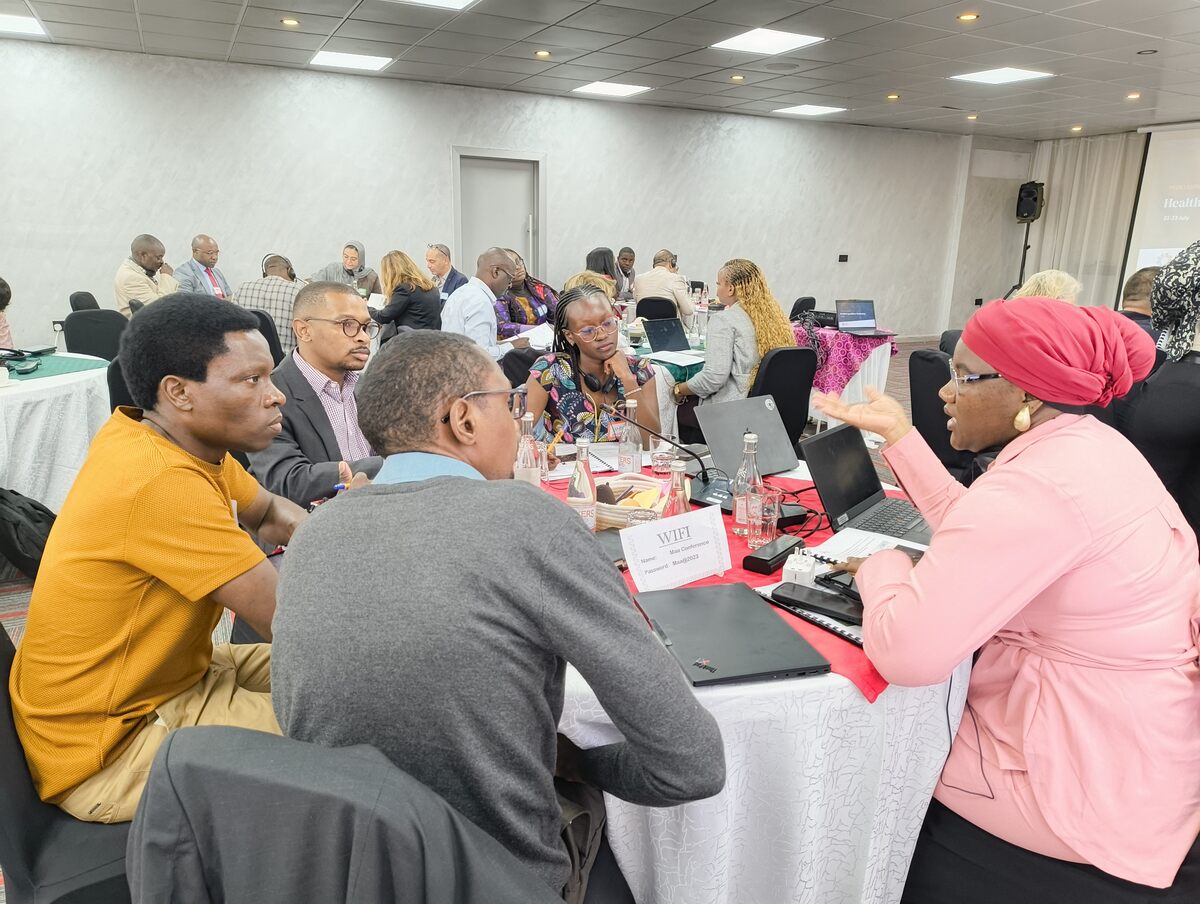
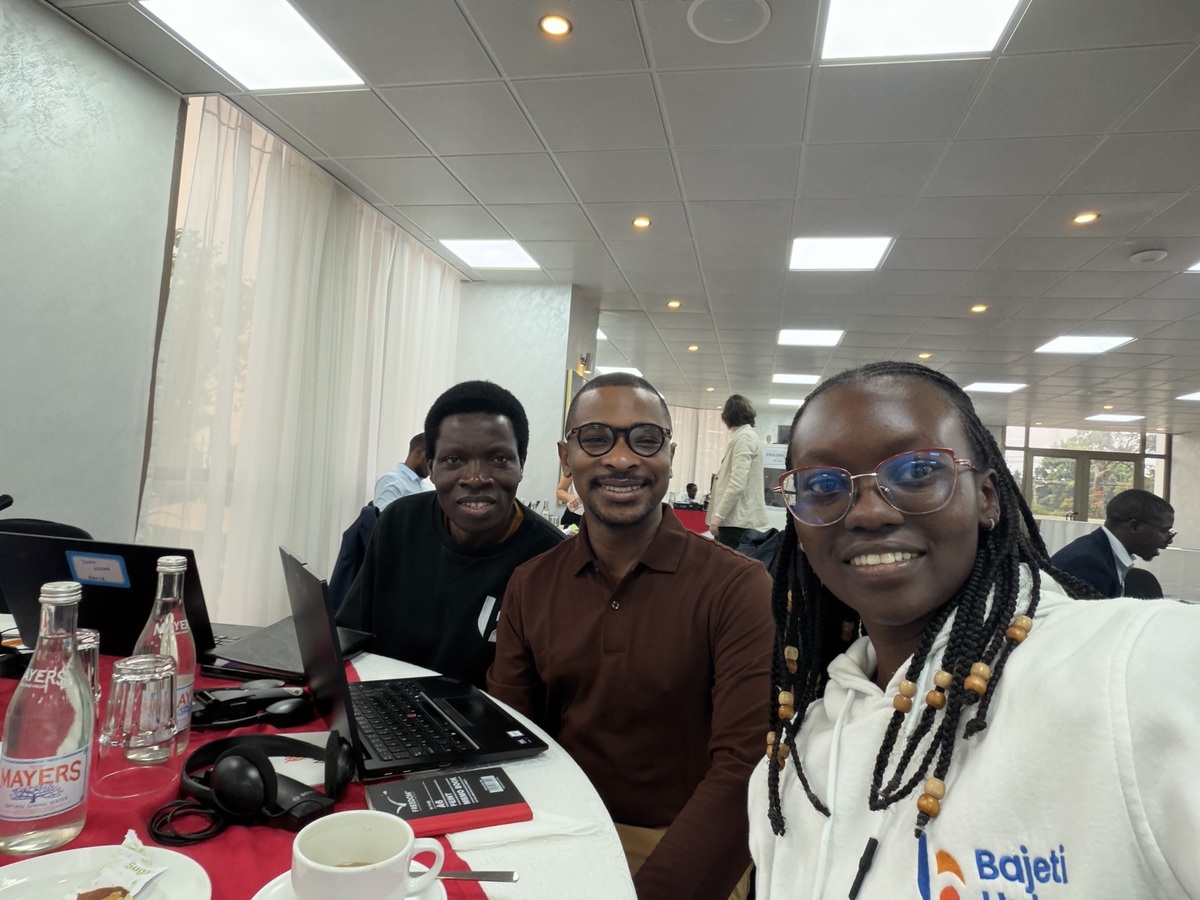
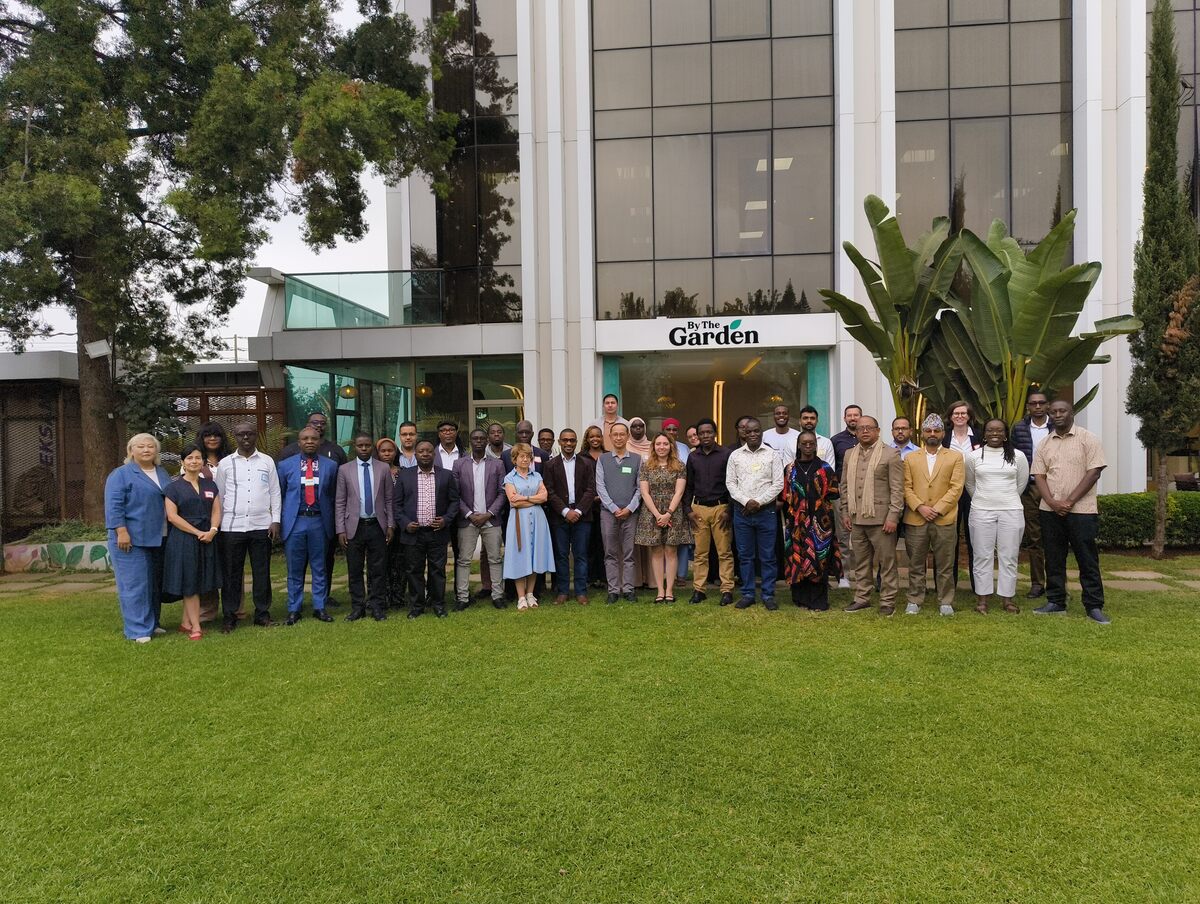
The Jesuit Centre for Theological Reflection (JCTR) participated in the International Budget Partnership (IBP) Peer Learning Exchange on Health Expenditure Monitoring held in Nairobi, Kenya, from 21 to 23 July 2026. The regional exchange convened civil society organisations from seventeen countries across Africa, Asia, the Middle East and the Balkans to strengthen approaches to monitoring health expenditure and improving budget accountability.
JCTR was represented by Lombe Michael Kasanda, alongside Edah Gondwe Chimya from the Zambia Alliance of Women. The forum brought together participants from Zambia, Malawi, Uganda, Rwanda, Tanzania, Nepal, Sri Lanka, and several countries from the Middle East and North Africa (MENA) as well as the Balkans, creating an important platform for peer learning and collaboration on strengthening public financial management within the health sector.
The exchange builds on IBP's Collaborating for Open and Accountable Budgets and Building Alliances for Budget Accountability programmes. It was organised in response to a growing concern observed across many countries: although governments continue to approve health budgets, these allocations are increasingly failing to translate into improved health services, particularly as external health financing declines and governments face mounting fiscal pressures.
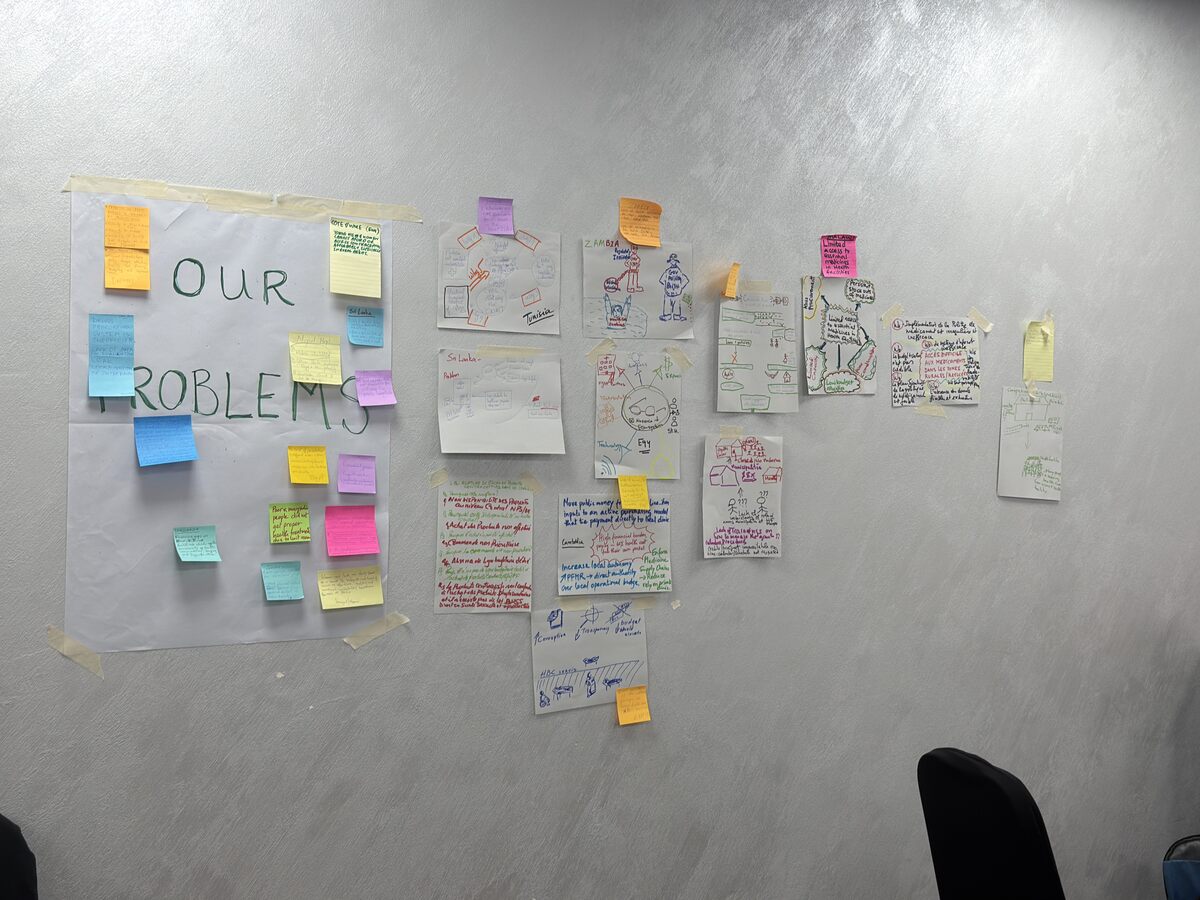
Over the course of three days, participants adopted a problem-driven approach to health expenditure monitoring. Rather than beginning with the size of a budget allocation, the methodology encouraged participants to start with a specific service delivery failure experienced by citizens and systematically trace it back to the underlying public financial management bottlenecks responsible for the problem.
The programme introduced practical analytical tools designed to strengthen evidence-based advocacy and accountability. These included:
By the conclusion of the exchange, each participating country delegation had identified a priority health budget execution challenge from its national context and developed the foundation of an advocacy strategy aimed at improving health budget implementation.
The lessons from Nairobi come at a particularly important time for Zambia.
Although the country's 2026 national health budget increased by 13% to ZMW 26.2 billion, significant challenges remain in ensuring adequate financing and effective utilisation of resources. Zambia continues to face:
These realities underscore that increasing budget allocations alone is insufficient if approved resources do not reach frontline health facilities or translate into improved healthcare outcomes for citizens.
The knowledge and tools acquired during the Peer Learning Exchange will enhance JCTR's ongoing work on public financial management, social accountability and governance.
By applying more robust methods of tracing how health resources move through the public financial management system, JCTR will be better positioned to identify where implementation challenges occur, understand the institutional causes behind budget execution failures, and advocate for practical reforms that improve service delivery.
These approaches complement JCTR's broader commitment to promoting transparent, accountable and equitable public resource management that advances social justice and safeguards the dignity of every person.
As Zambia continues implementing national development priorities amid constrained fiscal space, strengthening health budget execution will be critical to ensuring that public investments deliver meaningful improvements in healthcare access and quality. JCTR remains committed to working with government, civil society and citizens to promote greater transparency, accountability and effective utilisation of public resources in the health sector.



"A just Zambian society guided by faith, where everyone enjoys the fullness of life".