
Monday, November 09, 2026
The grants, awarded under the Civil Society LEADs project, will strengthen the capacity of local civil society organisations to advance accountability, inclusive governance and sustainable development.
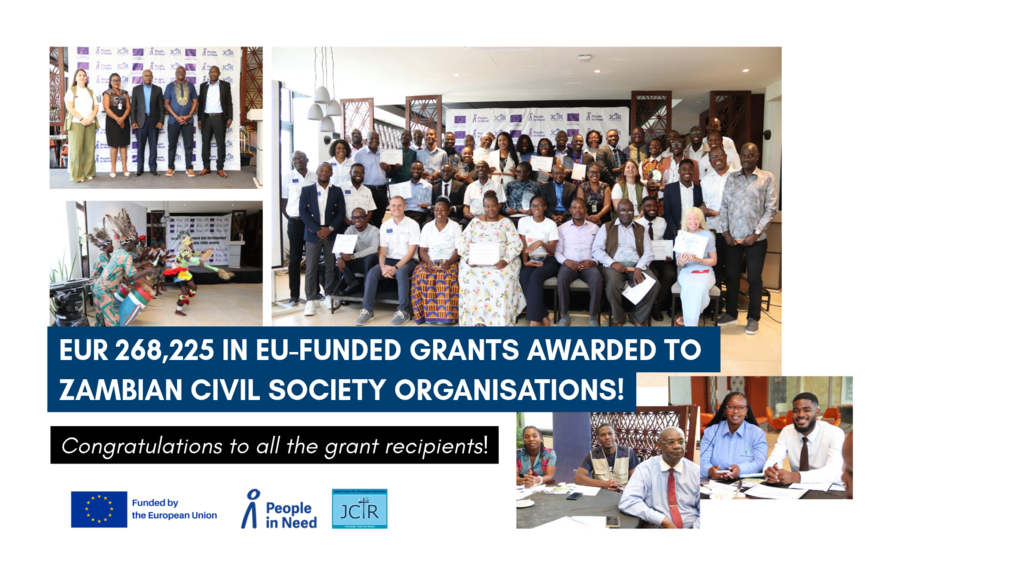
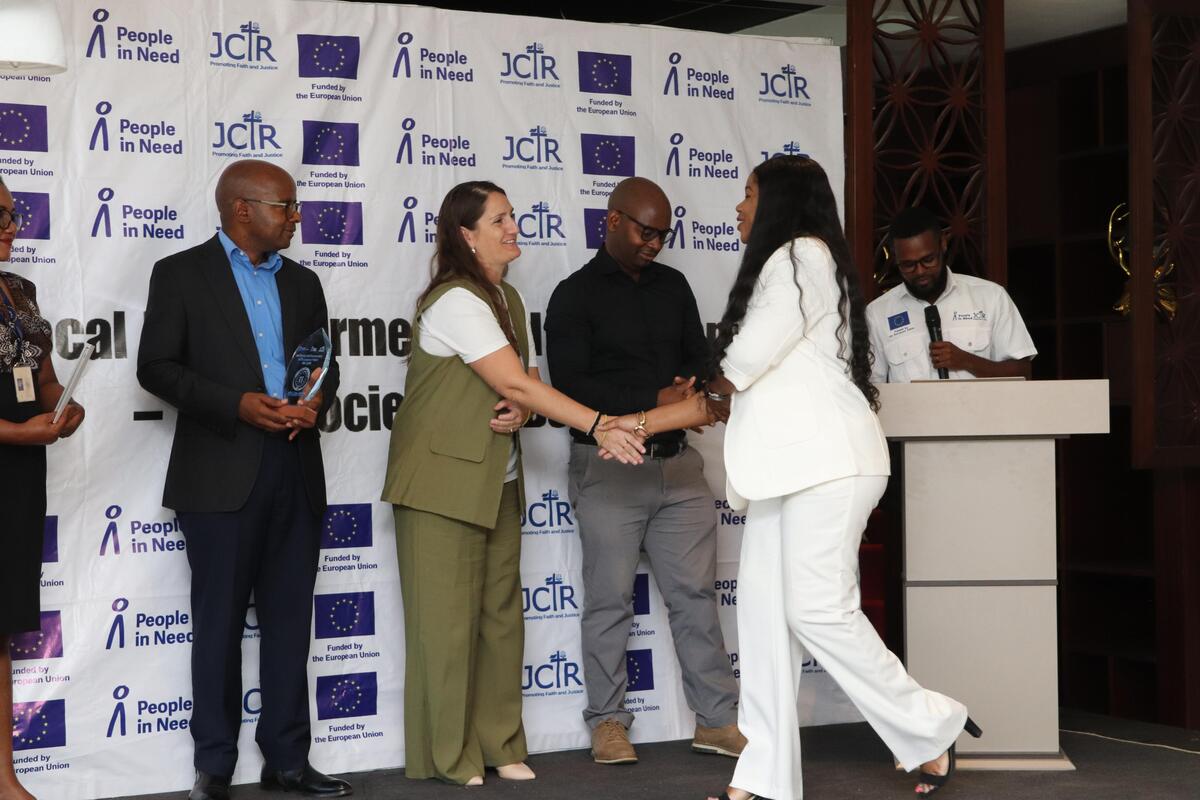
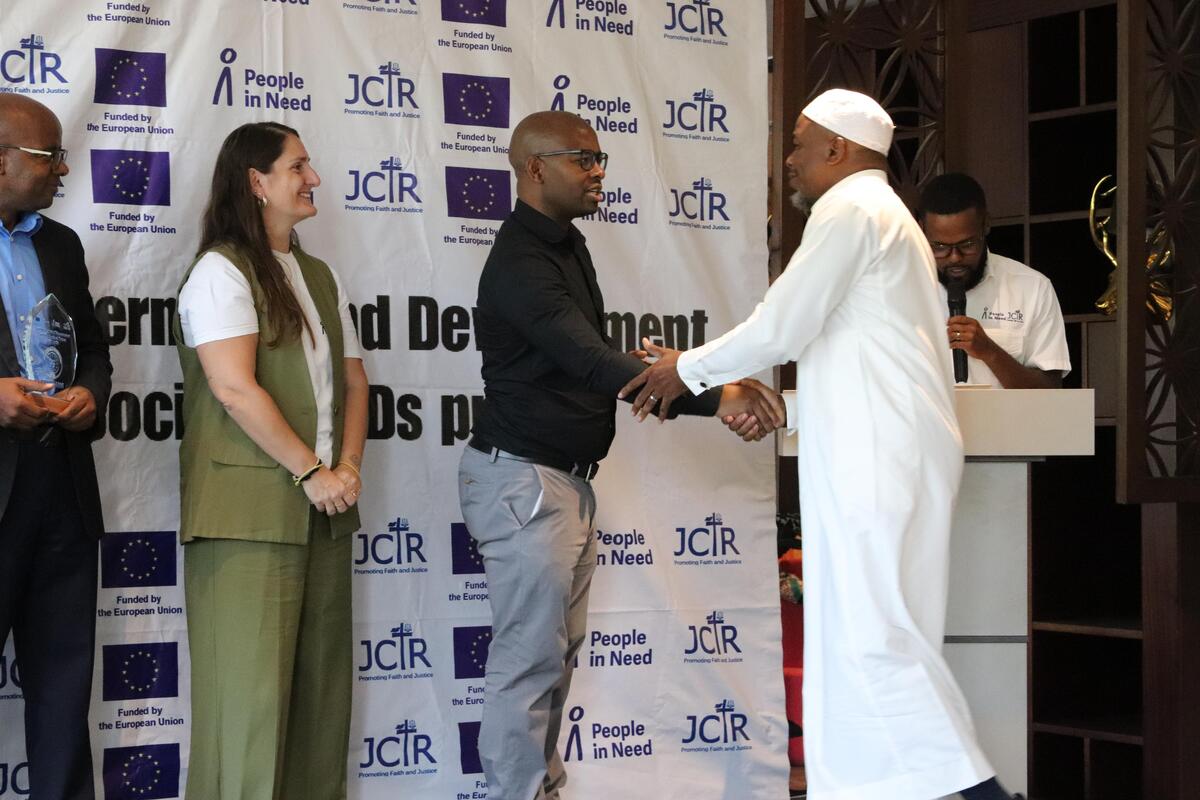
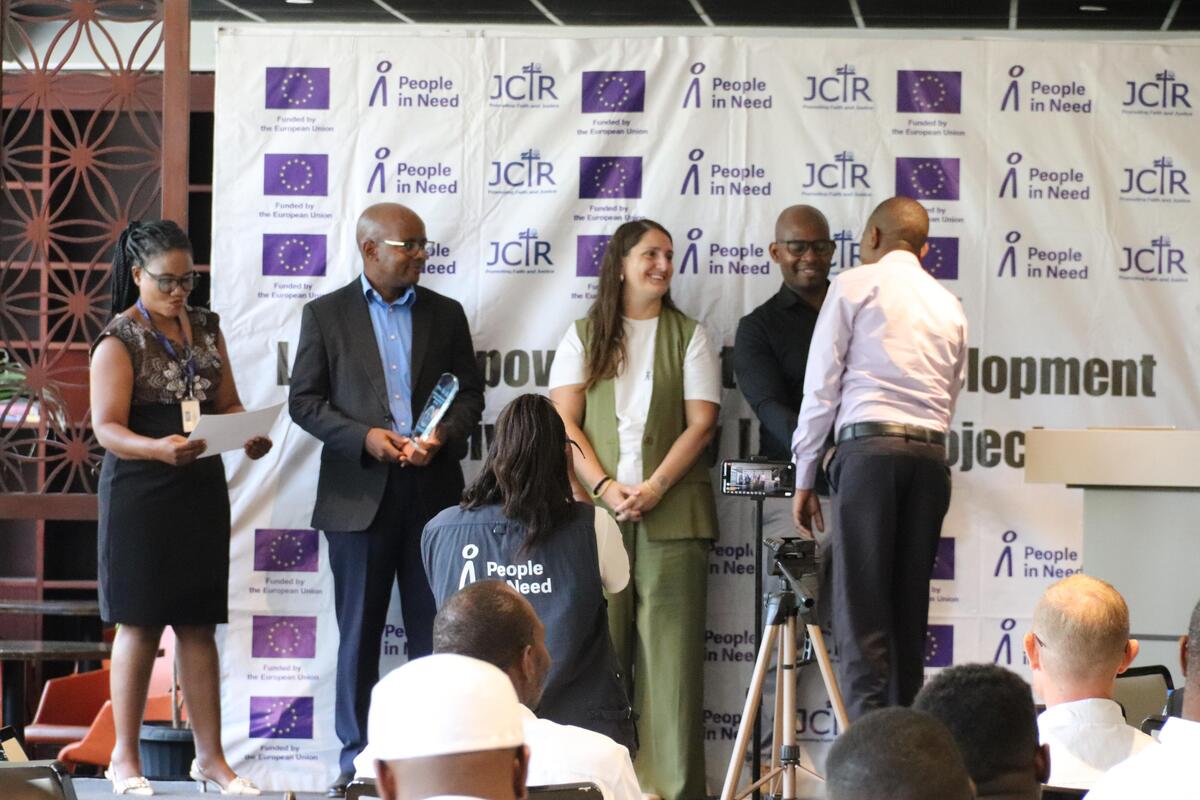
Local civil society organisations (CSOs) in Zambia have received a total of EUR 268,225 in grants under the Financial Support to Third Parties (FSTP) component of the European Union-funded Civil Society – Local Empowerment and Development (CSO-LEADs) project.
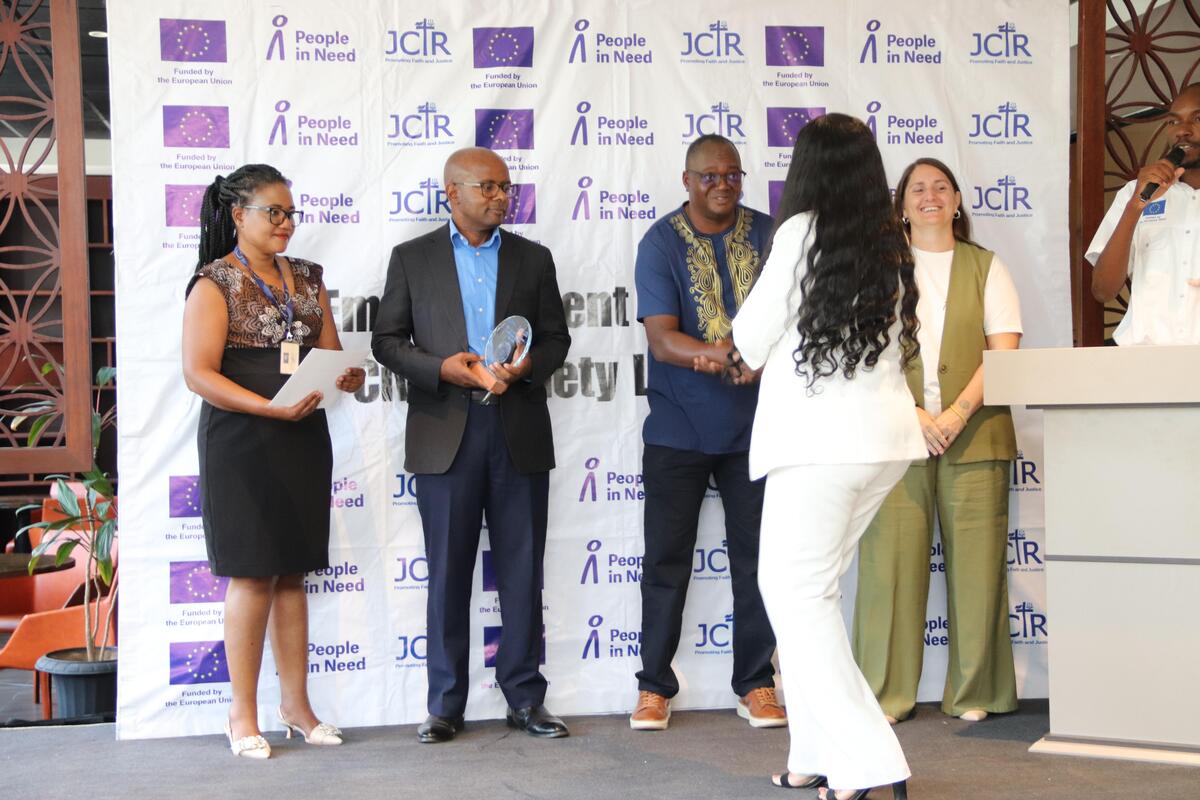
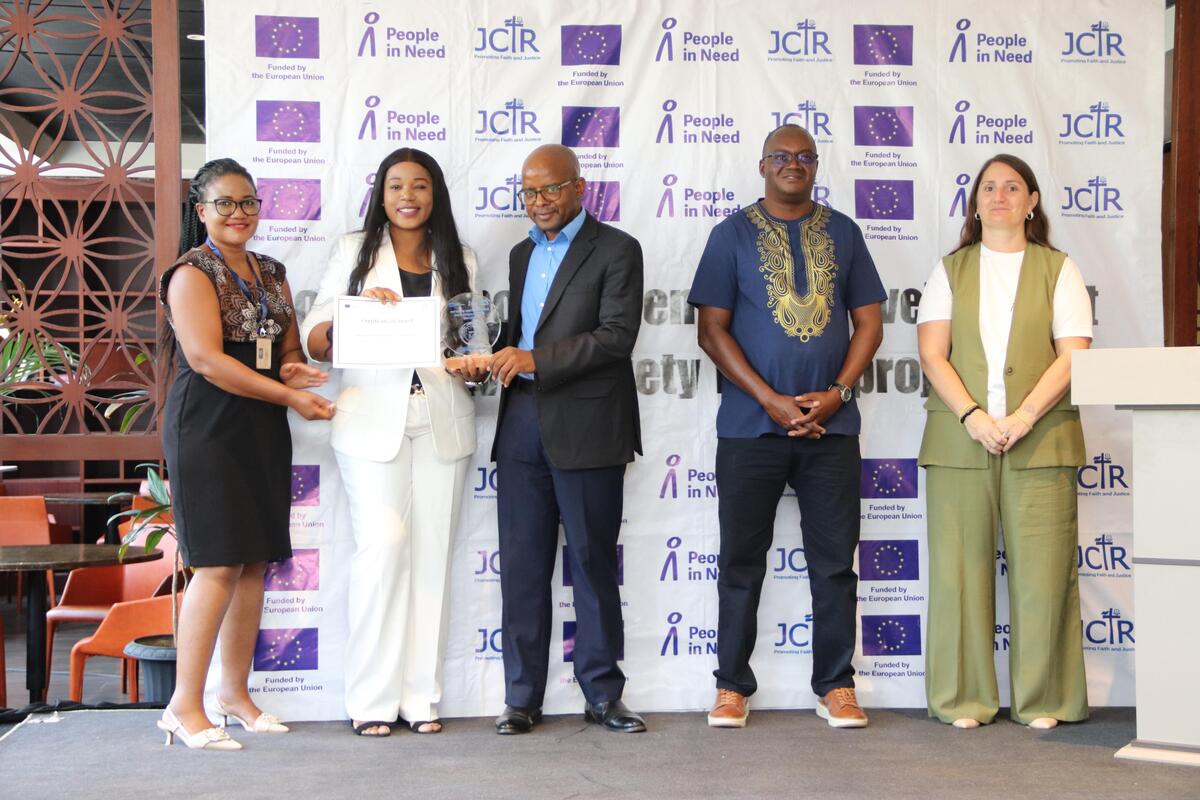
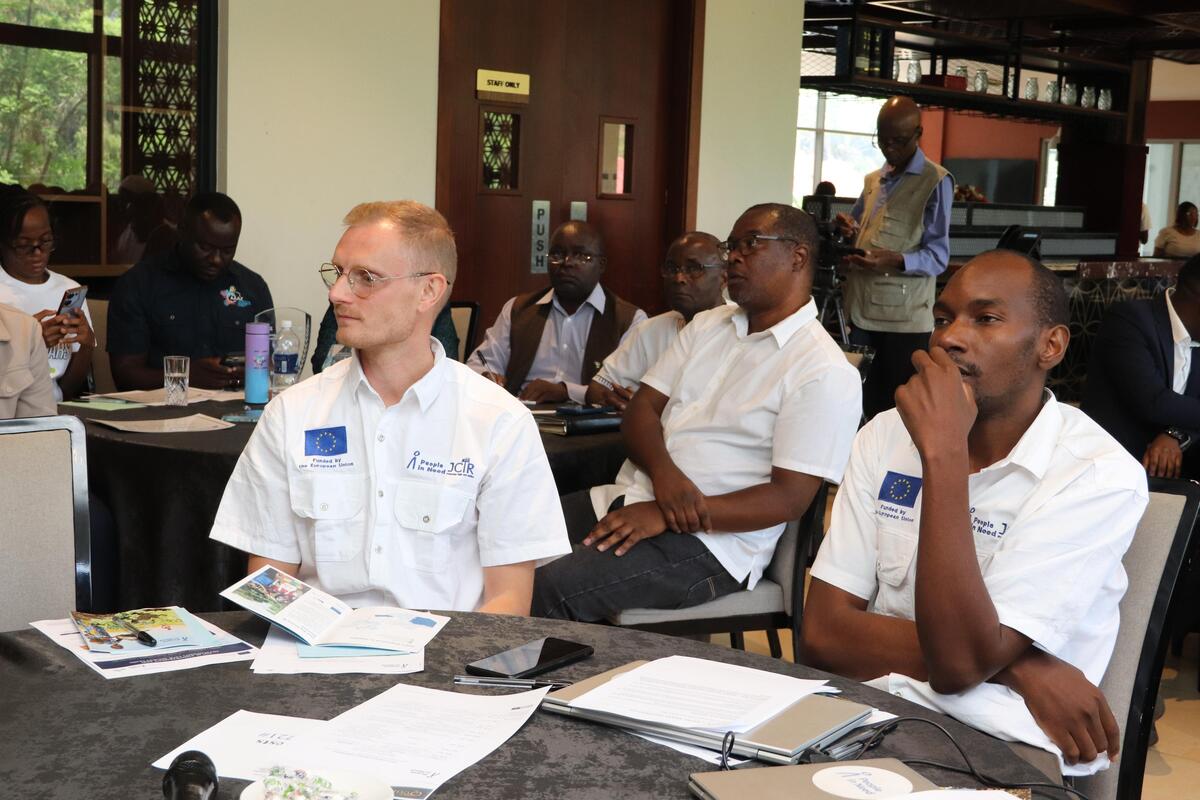
The grants were presented during an award ceremony held in Lusaka on Friday, 6 November 2026, marking an important milestone in efforts to strengthen the capacity, influence and collective contribution of civil society to national development.
Implemented by People in Need (PIN) and the Jesuit Centre for Theological Reflection (JCTR), the CSO-LEADs project seeks to empower civil society organisations to play a more effective role in promoting good governance, accountability and inclusive development.
The grants will support initiatives focusing on research, strategic partnerships and joint action with government institutions, the private sector and the media, as well as monitoring the implementation of public programmes. Particular attention will be given to women, young people and other marginalised groups.
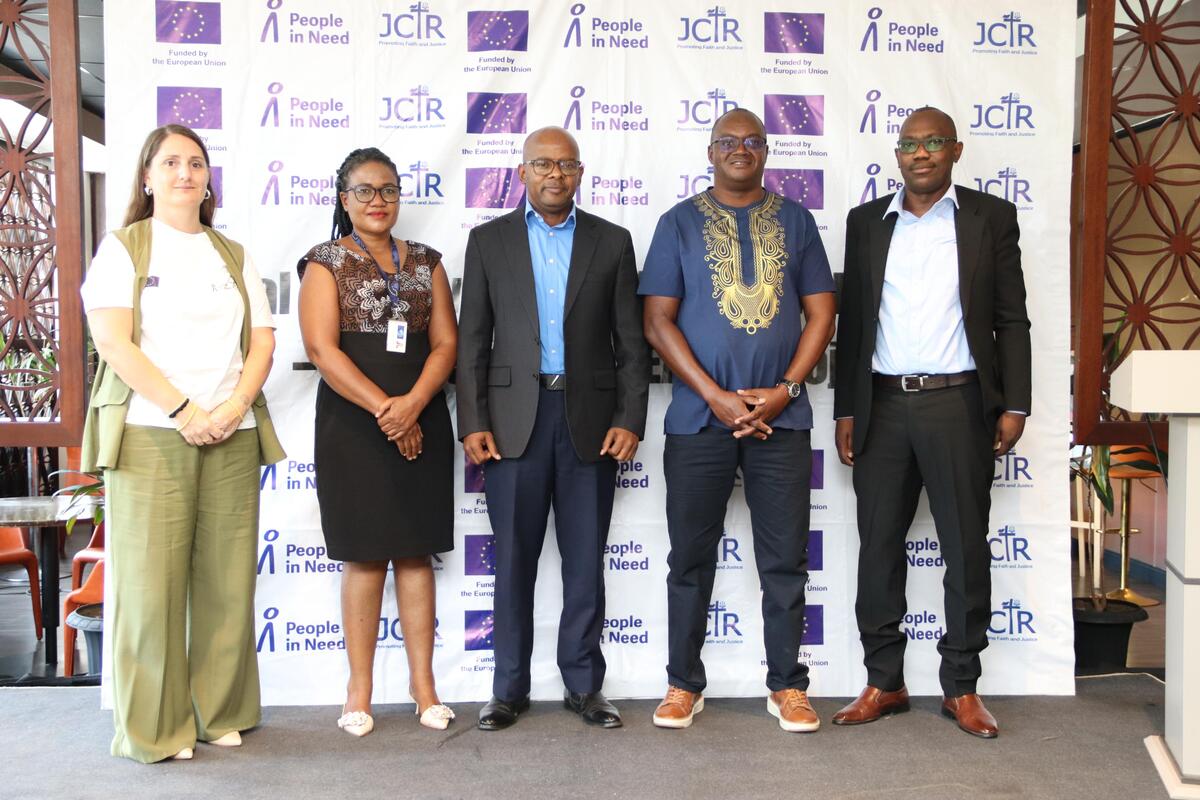
The ceremony was graced by Mr Aaron Phiri, Acting Director of Community Development, who represented the Permanent Secretary in the Ministry of Community Development and Social Services, Madam Beatrice Chilomo. The European Union Delegation to Zambia was represented by Ms Maria Horno Comet, Team Leader for Governance, Social Sectors and Critical Raw Materials.
In her remarks, Ms Horno Comet encouraged grant recipients to implement their projects with integrity, transparency and accountability, while ensuring the meaningful participation of women, young people and persons with disabilities.
She further emphasised the importance of collaboration and evidence-based engagement in strengthening governance and advancing sustainable development.
Putting communities at the centre of development
Delivering the closing remarks, JCTR Deputy Director, Rev. Dr. Boyd Kapyunga Nyirenda, S.J., underscored the importance of civil society in advancing good governance, promoting accountability and ensuring that citizens' voices are reflected in decisions that affect their lives.
He encouraged grant recipients to approach the support not merely as financial assistance, but as an investment in their institutional capacity, ideas and ability to influence positive change.
Particularly addressing organisations undertaking research, Rev. Dr. Nyirenda emphasised the need to centre the voices and lived experiences of young people, women and other marginalised groups.
He urged the organisations to ensure that communities are not simply treated as subjects of development interventions, but are actively involved in identifying challenges, proposing solutions and shaping policies and decisions that affect them.
"Let the communities you represent not merely be the subjects of your interventions, but active participants, and allow them to recommend solutions that shape policies or anything that concerns them," he said.
He also called on organisations implementing initiatives focused on strategic partnerships and collaboration to cultivate meaningful relationships with government institutions, cooperating partners, the private sector, the media and other relevant stakeholders.
He noted that effective advocacy must be informed by evidence, grounded in community realities and supported by constructive engagement, adding that sustainable development remains a collective responsibility.
Rev. Dr. Nyirenda further encouraged the grant recipients to look beyond the financial resources provided by exploring opportunities for innovation, knowledge-sharing, partnership-building and resource mobilisation to extend the reach and impact of their interventions.
Launch of the Civil Society Now digital learning platform
The award ceremony also provided an opportunity to launch Civil Society Now, a digital learning platform established to support organisations participating in the project.
The platform is intended to provide a learning and knowledge-sharing resource for participating organisations, complementing the financial support with opportunities to strengthen their capacities and enhance their institutional and operational effectiveness.
The launch reflects the project's broader commitment to ensuring that support to civil society extends beyond funding to include learning, collaboration and sustained organisational development.
Investing in a stronger civil society
The FSTP grants represent an investment in the capacity of local civil society organisations to contribute to Zambia's development through informed advocacy, citizen participation, public accountability and constructive engagement with decision-makers.
JCTR and People in Need recognise that the successful implementation of these initiatives will depend not only on the resources provided, but also on the commitment of grant recipients to transparency, responsible stewardship, meaningful inclusion and collaboration.
JCTR also acknowledges the European Union's continued support towards strengthening civil society and promoting locally driven development initiatives in Zambia.
As implementation begins, the expectation is that the supported organisations will translate their ideas into tangible results, stronger institutions, more inclusive communities and meaningful governance outcomes.
Ultimately, sustainable change cannot be achieved by individual organisations working in isolation. It requires collective action, shared responsibility and a commitment to ensuring that development responds to the needs and aspirations of the people it is intended to serve.
Together, we are investing in a stronger, more inclusive and accountable civil society for Zambia.













"A just Zambian society guided by faith, where everyone enjoys the fullness of life".