
November 3, 2026 – Lusaka
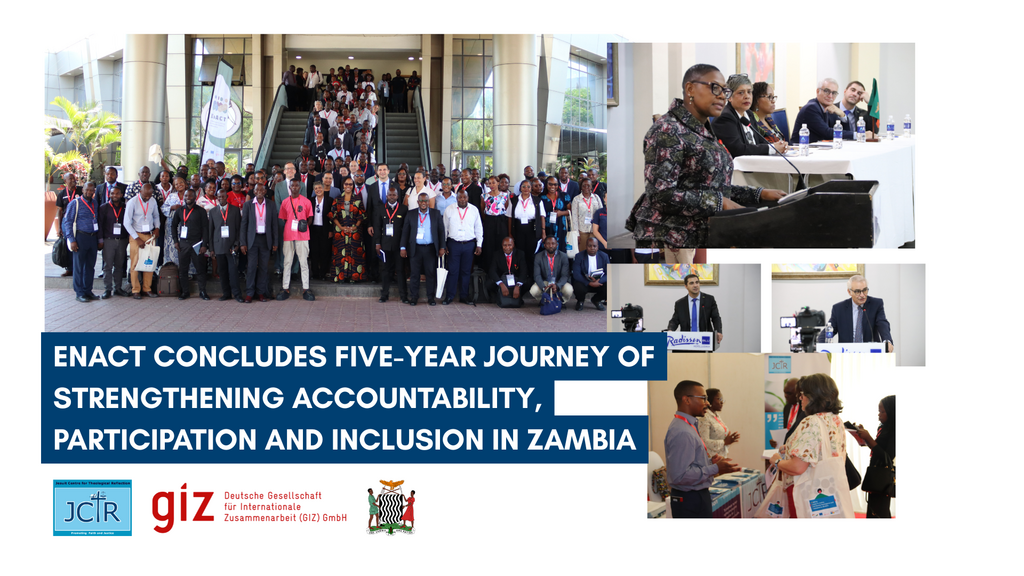
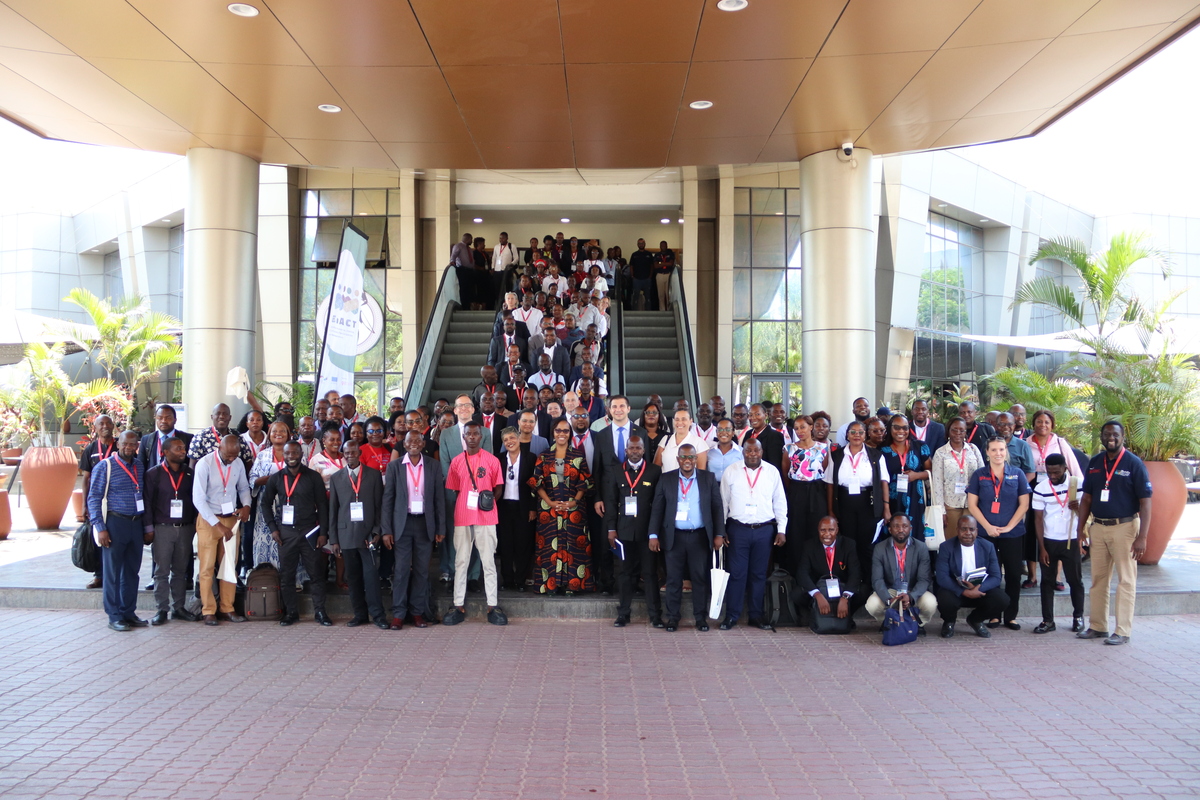
The German Development Cooperation's Enhancing Accountability and Transparency in Zambia (EnACT) Programme officially closed a transformative five-year chapter with a high-level closing event held at the Radisson Blu Hotel in Lusaka. The gathering brought together government representatives, civil society organisations, traditional leaders, cooperating partners, beneficiaries and development partners to reflect on lessons, achievements and lasting impacts realised between 2021 and 2026.
For the Jesuit Centre for Theological Reflection (JCTR), one of the programme's longstanding civil society partners, the event was both a celebration of progress and a moment to reflect on the collective commitment that has strengthened citizen participation, accountability and inclusive governance across Zambia.
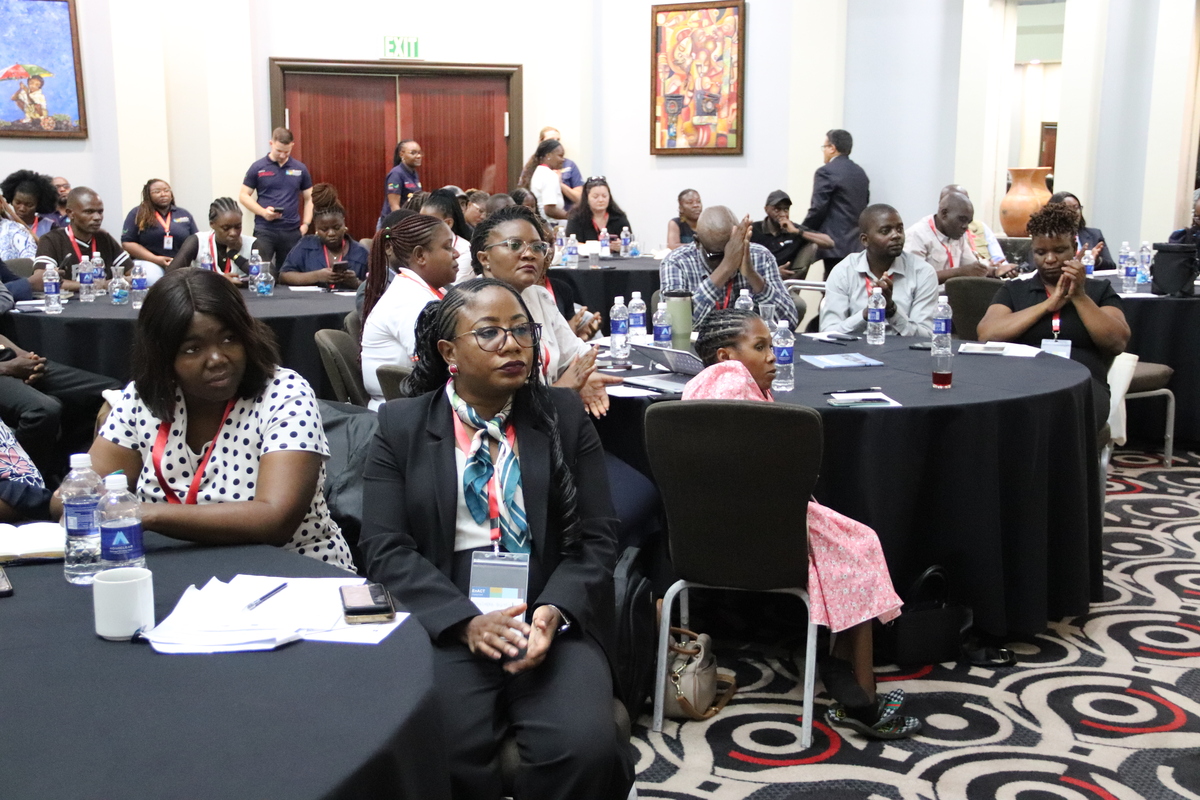
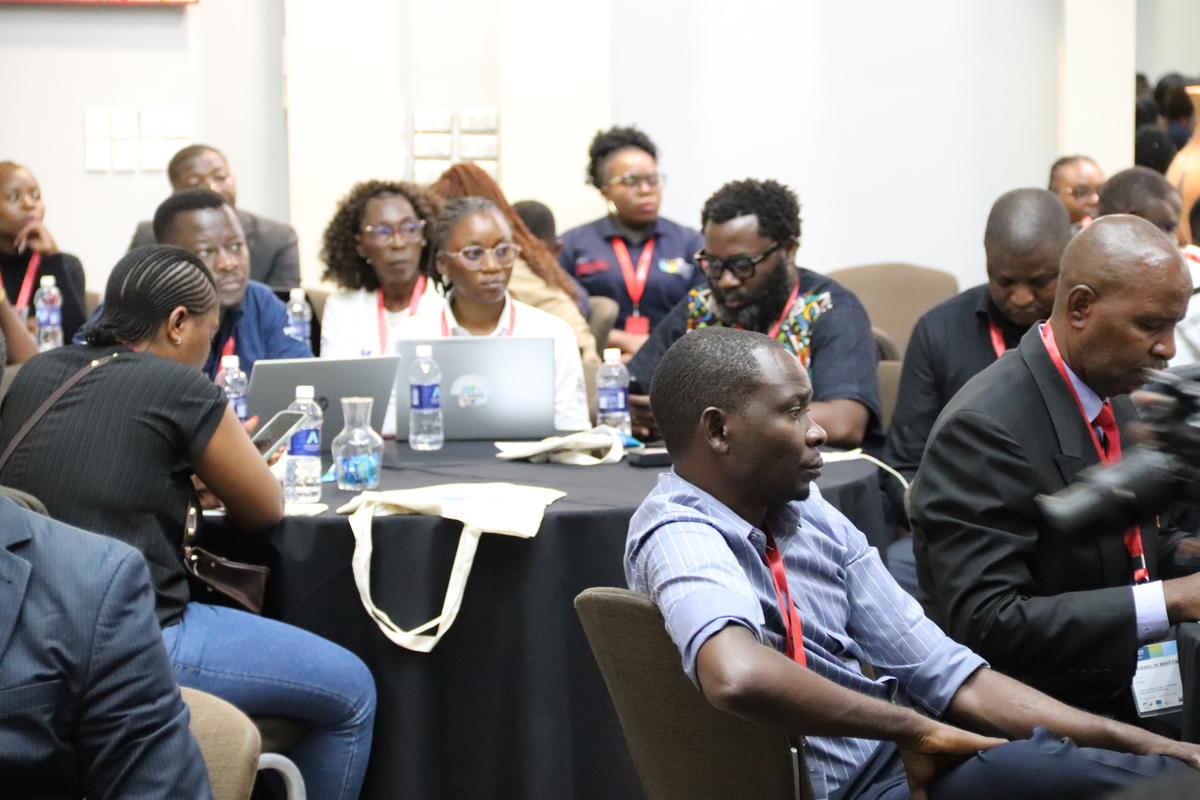
A Gathering of Partners and Changemakers
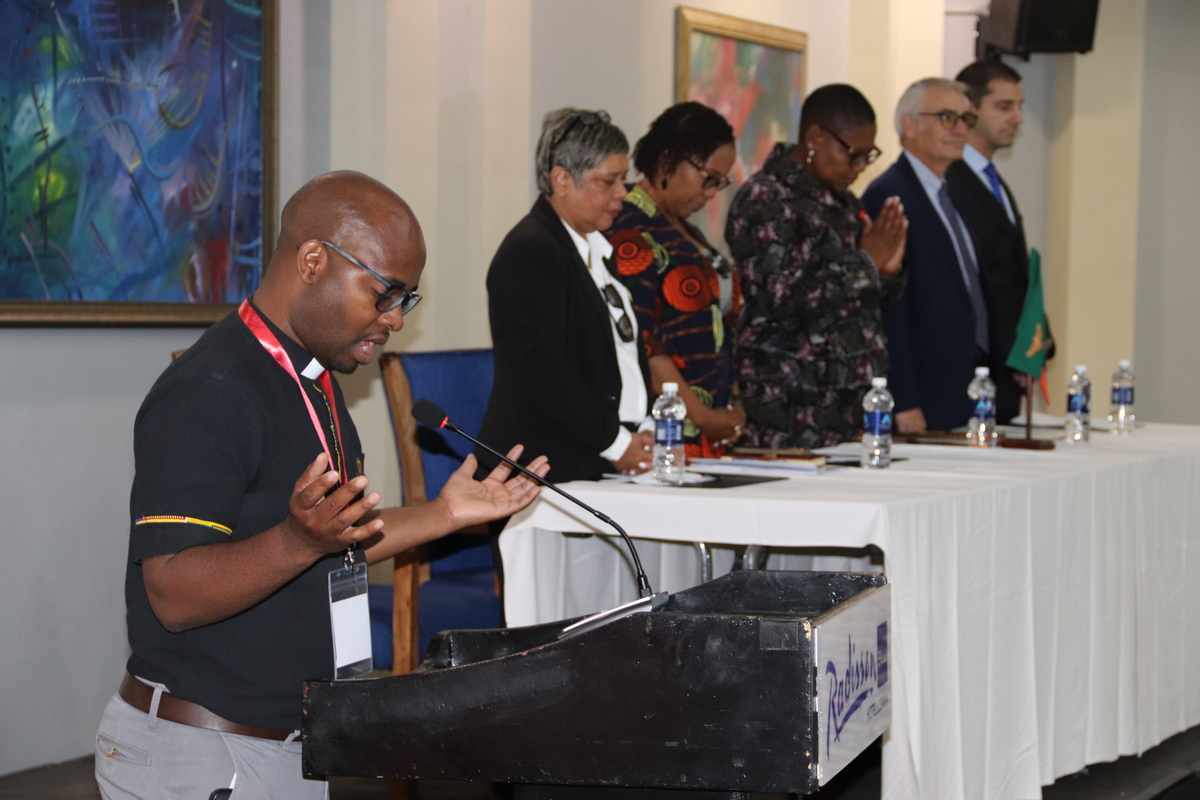
The EnACT Closing Event convened a diverse audience representing institutions and organisations that have contributed to advancing governance, accountability and civic engagement over the past five years. The programme began with an opening prayer led by Fr. Daniel Mwamba Mutale, SJ, PhD, Executive Director of JCTR, setting a reflective tone for the day.
Welcoming remarks were delivered by Ms. Promita Sengupta, Head of Programme, who highlighted the collaborative efforts that defined EnACT's implementation. Her remarks were followed by statements from Ambassador Soenke Siemon, German Ambassador to Zambia and Special Representative to COMESA, and Mr. Paolo Sergio, Head of Partnerships at the European Union Delegation to Zambia and COMESA.
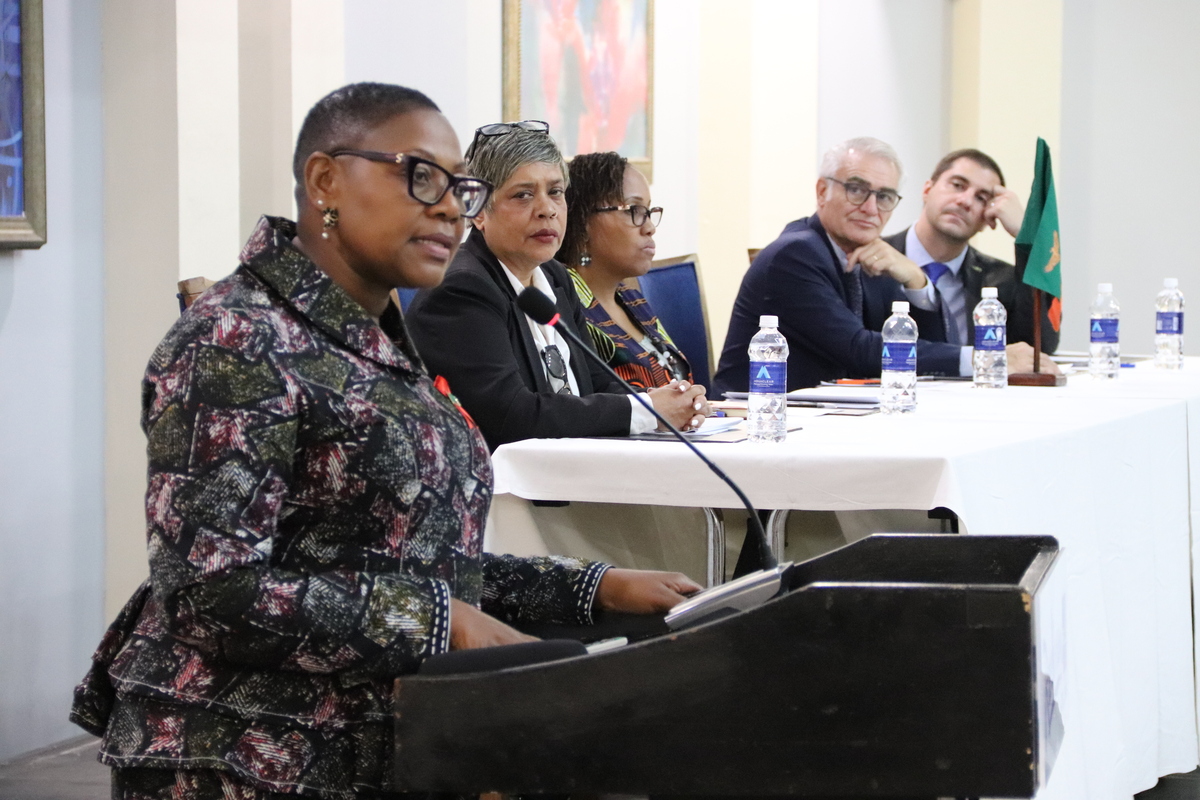
The event's keynote address was delivered by Hon. Princess Kasune, Minister of Tourism, representing Hon. Jack Mwiimbu, Minister of Justice. In her remarks, the Minister underscored the importance of citizen participation, strong institutions and strategic partnerships in deepening democratic governance and accountability in Zambia.
Celebrating Impact Through Stories and Evidence
A central feature of the closing event was the presentation of EnACT's impact stories, showcasing how the programme contributed to policy reform, legislative processes and strengthened civic engagement.
The first session focused on policy and legislative processes, featuring a video presentation and remarks from Ms. Mwenya Bwalya, Permanent Secretary for Legal Affairs at the Ministry of Justice. Participants reflected on how collaborative engagement between government institutions, civil society organisations and citizens contributed to stronger policy dialogue and legislative outcomes.
The programme then shifted to stories of transformation from communities and organisations that directly benefited from EnACT support. Traditional leaders, beneficiaries and civil society organisations shared firsthand experiences of how the programme empowered citizens, strengthened local advocacy efforts and fostered greater collaboration among stakeholders.
These testimonies illustrated the human dimension of governance reforms, demonstrating how policy change becomes meaningful when citizens are informed, organised and able to engage effectively with public institutions.
Civil Society Takes Centre Stage at the EnACT Expo
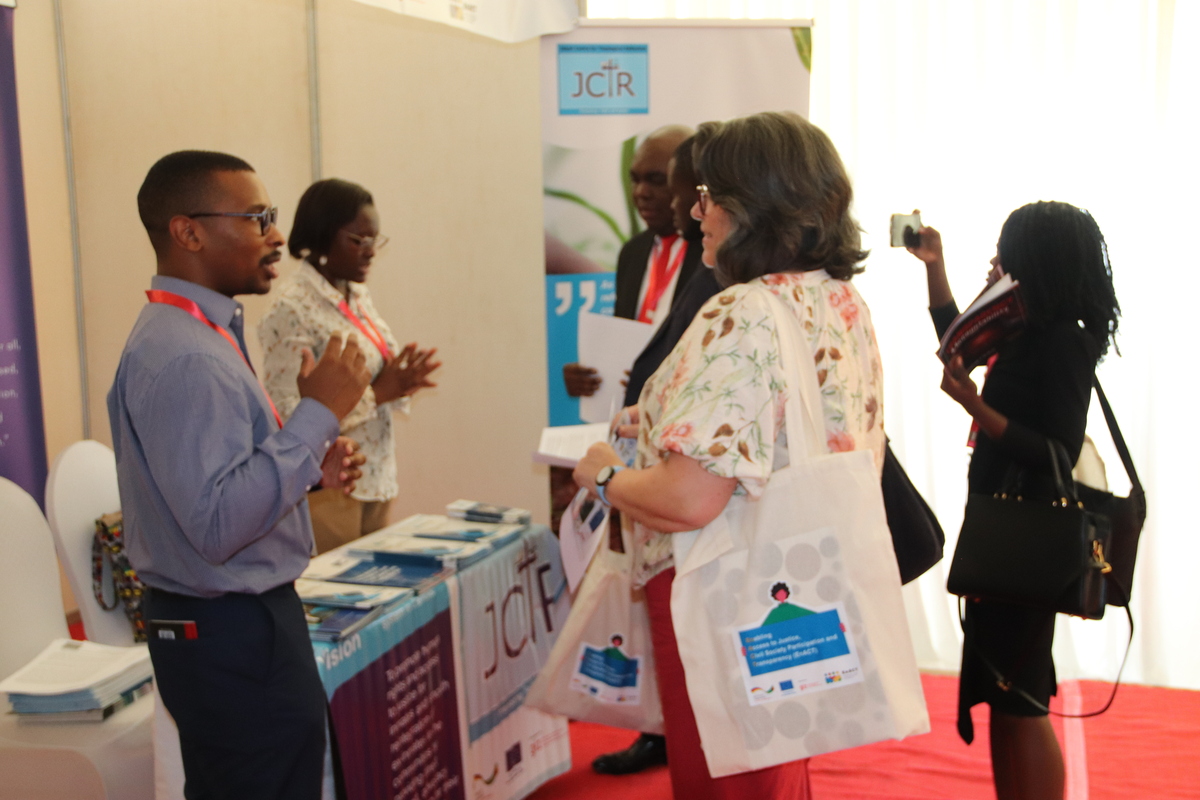
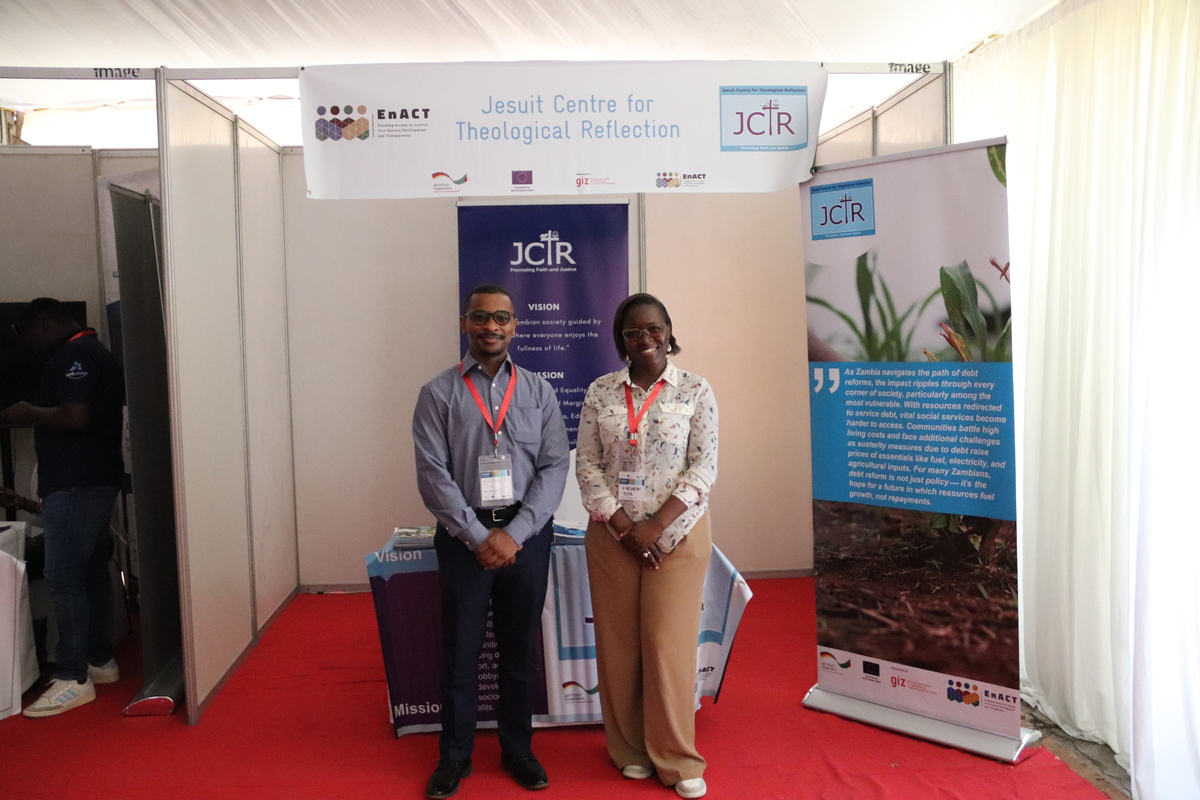
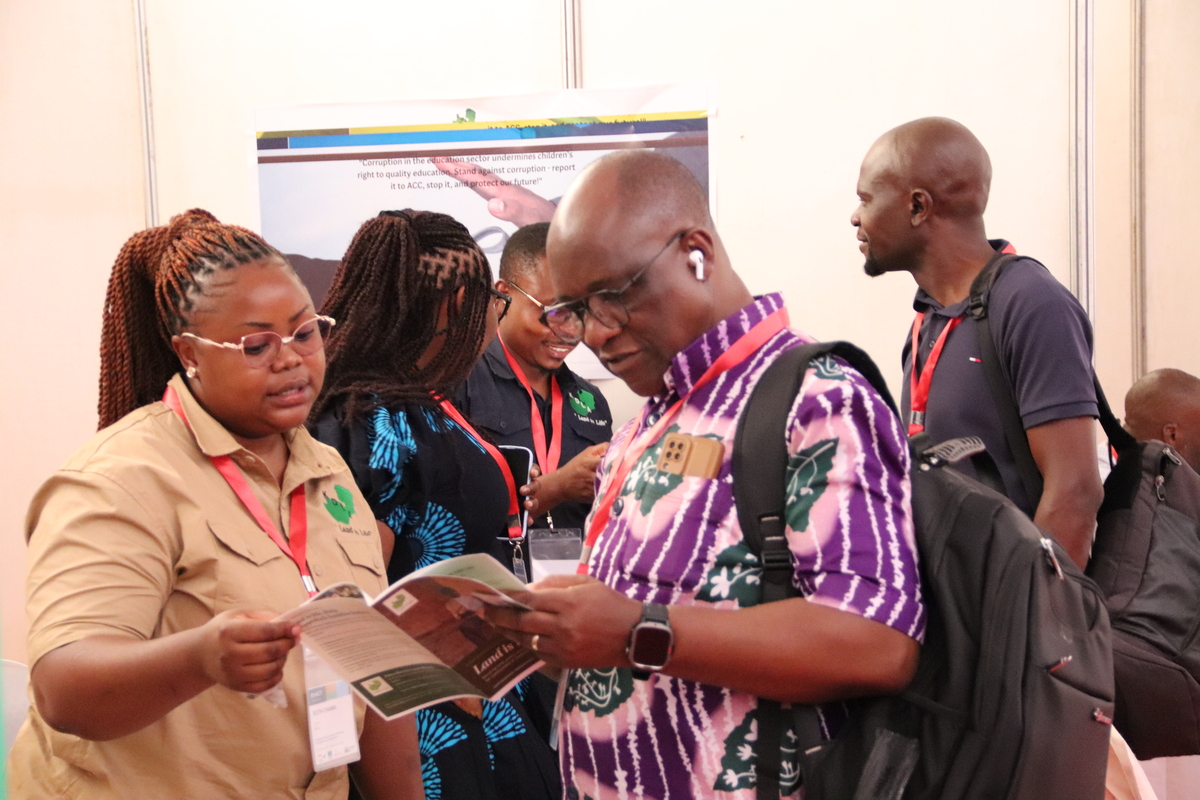
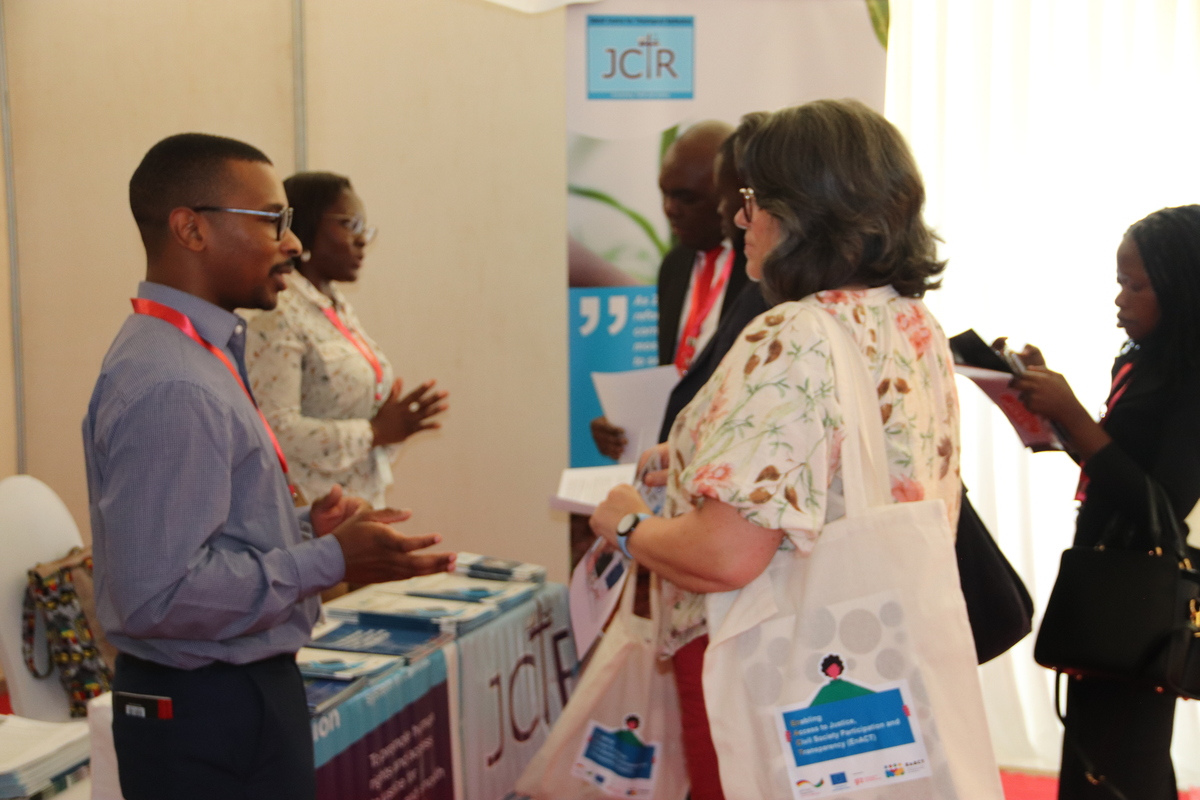
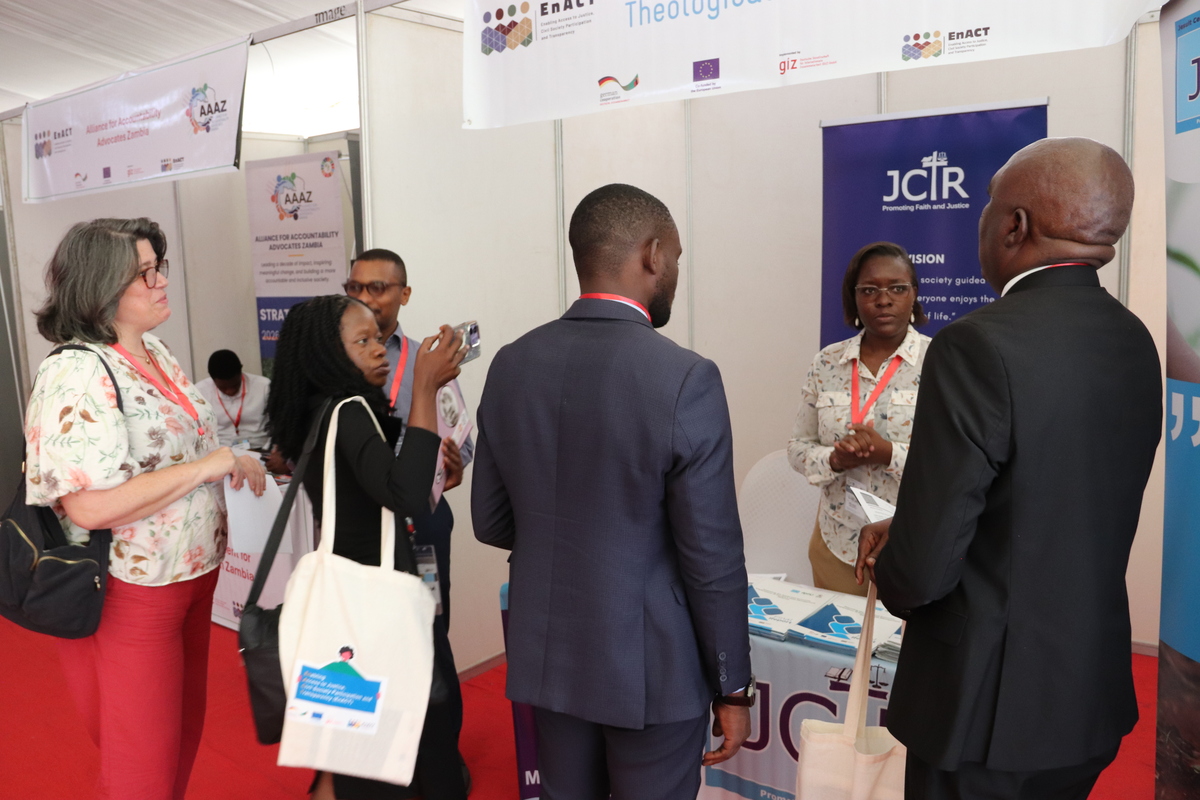
One of the most vibrant highlights of the day was the EnACT Expo, which featured 36 civil society organisations that worked alongside GIZ under the programme.
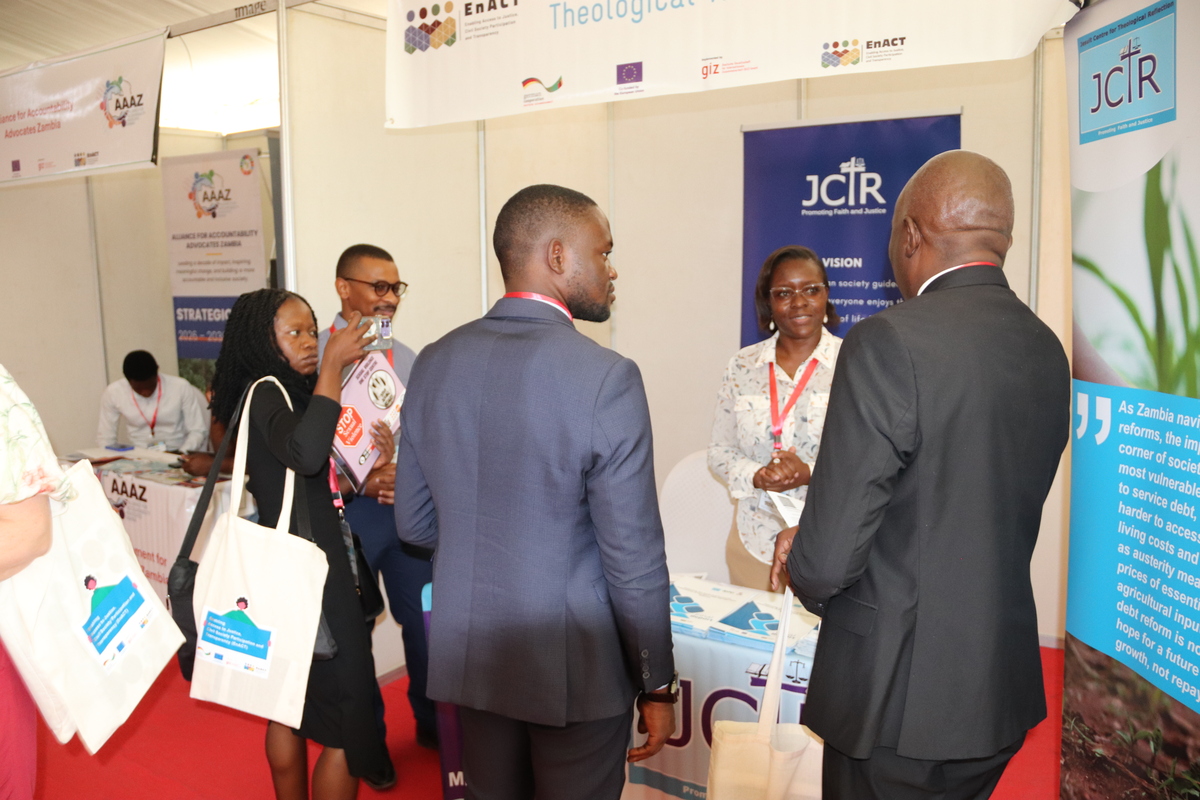
Each organisation showcased its work through dedicated exhibition stands, creating opportunities for dialogue, networking and mutual learning among participants. The expo provided a tangible demonstration of the breadth of initiatives implemented under EnACT, ranging from governance and accountability programmes to community empowerment, social justice advocacy and citizen engagement initiatives.
For JCTR and fellow civil society partners, the expo highlighted the value of collective action and sustained investment in civil society as a critical pillar of democratic development. Participants had an opportunity to interact directly with organisations, learn about their achievements and explore possibilities for future collaboration beyond the lifespan of the programme.
Strengthening Institutions Through Partnership
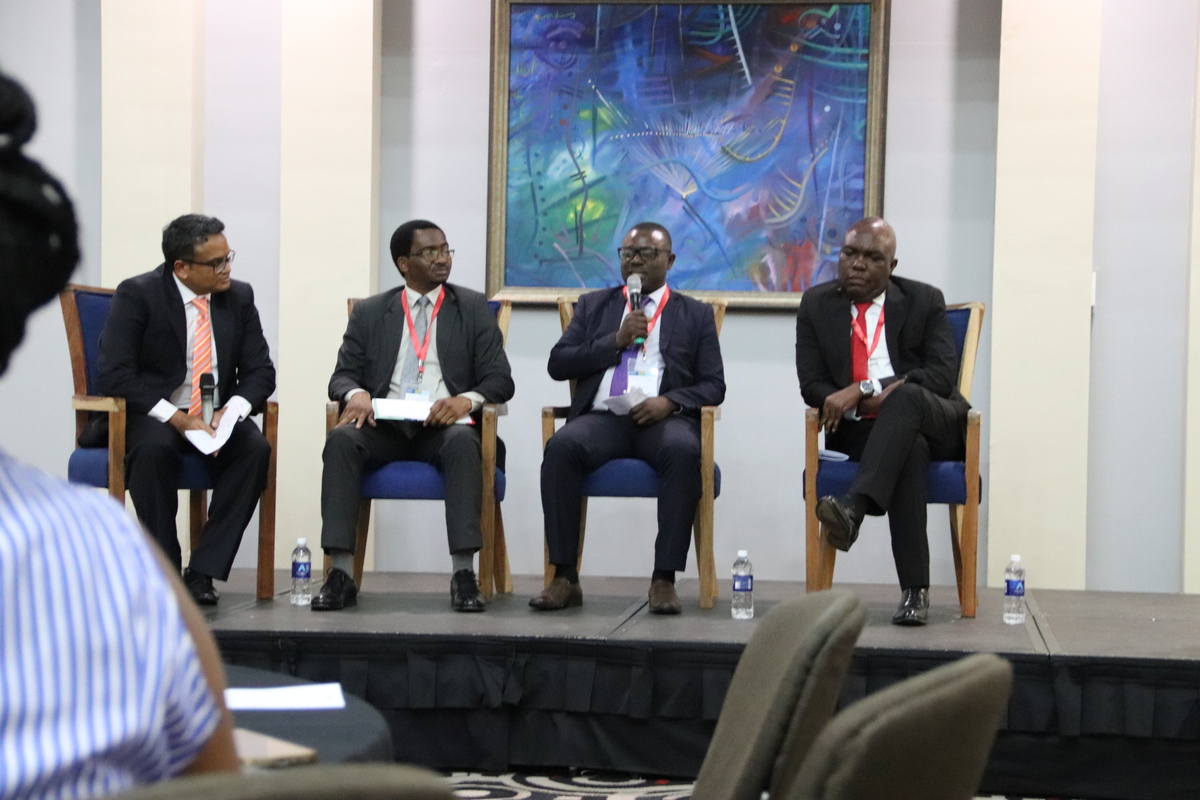
Following lunch and the expo tour, attention turned to a partner panel discussion focusing on stronger institutions and partnerships.
Representatives from key accountability institutions participated in the dialogue, including:
The discussion examined lessons from collaboration between state institutions, civil society organisations and development partners. Panellists reflected on progress made in strengthening accountability mechanisms, promoting transparency and improving responsiveness to citizen concerns.
The session reinforced a recurring theme of the day: sustainable governance reforms are most effective when institutions and citizens work together within an environment of trust, openness and mutual accountability.
Recognising Partnerships That Made the Difference
As the programme drew to a close, participants took time to acknowledge the many organisations, institutions and individuals whose contributions shaped EnACT's journey.
Closing remarks were delivered by Mr. Axel Ulmer, GIZ Country Director, who expressed appreciation to implementing partners, government institutions, civil society organisations, cooperating partners and beneficiaries. He highlighted the importance of sustaining the networks, relationships and capacities built over the course of the programme to ensure that progress continues beyond EnACT.
The formal proceedings concluded at 16:00, followed by a networking session over tea and snacks, allowing participants to reconnect, exchange ideas and celebrate the partnerships forged during the programme's implementation.
Looking Beyond the Closing Event: A Conversation on Sustainability
While the closing event marked the end of EnACT's formal implementation period, discussions did not end there.
On 4 and 5 November 2026, programme partners convened for a Sustainability Workshop, bringing together civil society organisations and key stakeholders to reflect on how the gains achieved under EnACT can be maintained and expanded in the years ahead.
The workshop focused on practical strategies for institutionalising lessons learned, strengthening organisational resilience, enhancing resource mobilisation and sustaining collaborative approaches that have proven effective throughout the programme's lifespan.
For organisations such as JCTR, the sustainability discussions are particularly significant. Experiences gained through EnACT have demonstrated that meaningful social transformation requires not only short-term interventions but also long-term commitment to citizen empowerment, policy engagement and institutional strengthening.
JCTR's Reflection on the EnACT Legacy
As a partner within the EnACT ecosystem, JCTR values the programme's contribution to creating spaces where citizens, civil society organisations and public institutions can engage constructively on issues that affect people's lives.
The programme has reinforced important lessons about the role of civil society in promoting accountability, advancing social justice and ensuring that governance processes remain responsive to the needs and aspirations of citizens.
The EnACT Closing Event was therefore more than an end-of-project ceremony. It was a celebration of partnerships, an acknowledgment of collective achievements and a reminder that the pursuit of transparency, accountability and inclusive governance remains a continuous journey.
As stakeholders depart from the closing event and sustainability workshop, they do so with a shared responsibility: to build upon the foundations established over the last five years and continue working toward a Zambia where citizens are empowered, institutions are responsive and development is guided by accountability, participation and justice.
For JCTR, the journey continues.









"A just Zambian society guided by faith, where everyone enjoys the fullness of life".