
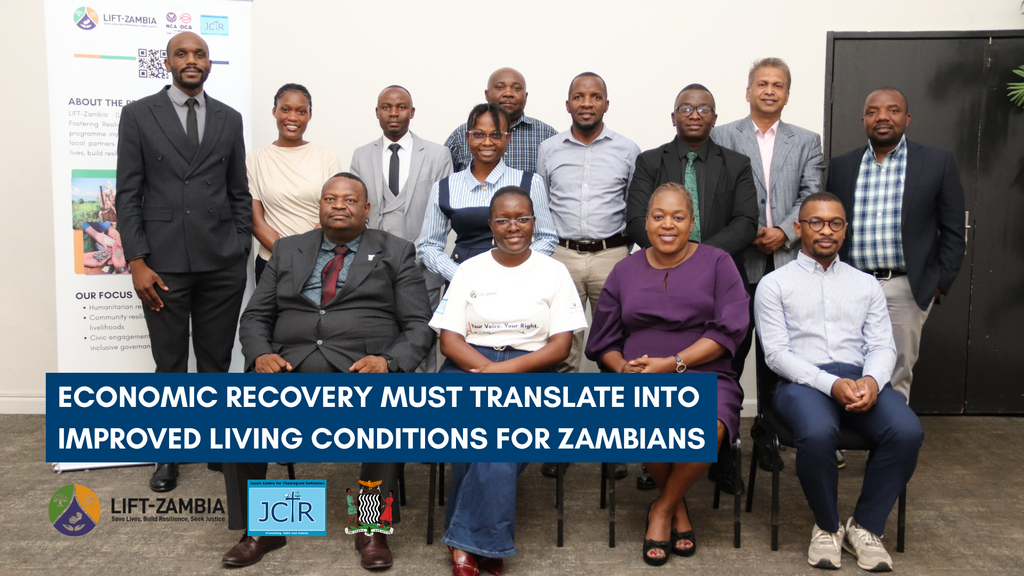
Wednesday, November 11, 2026 – Lusaka
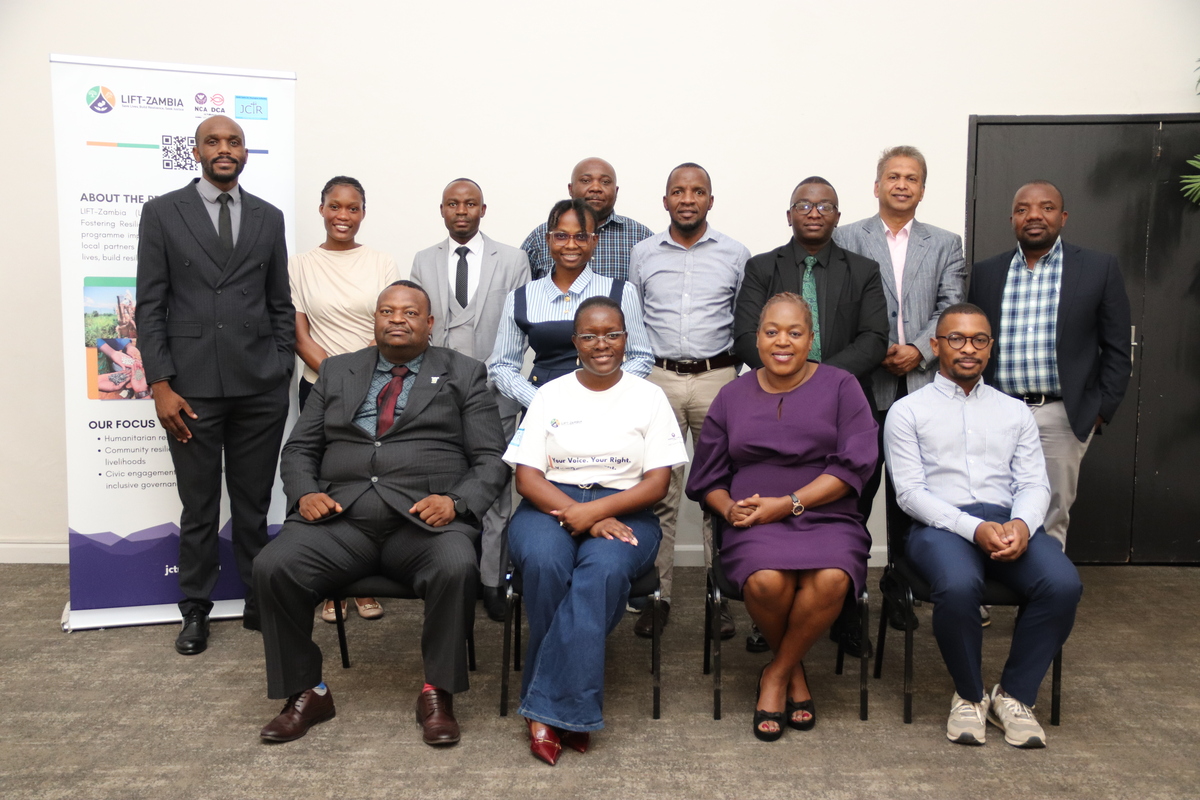
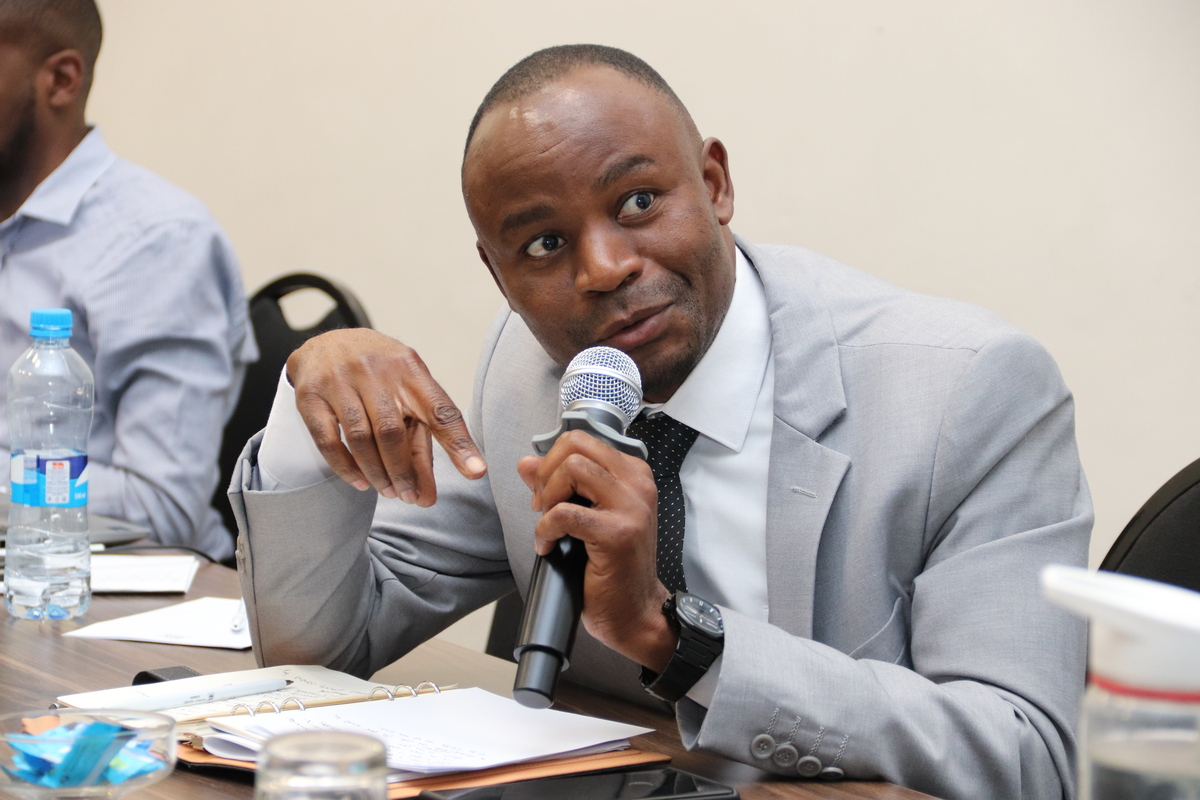
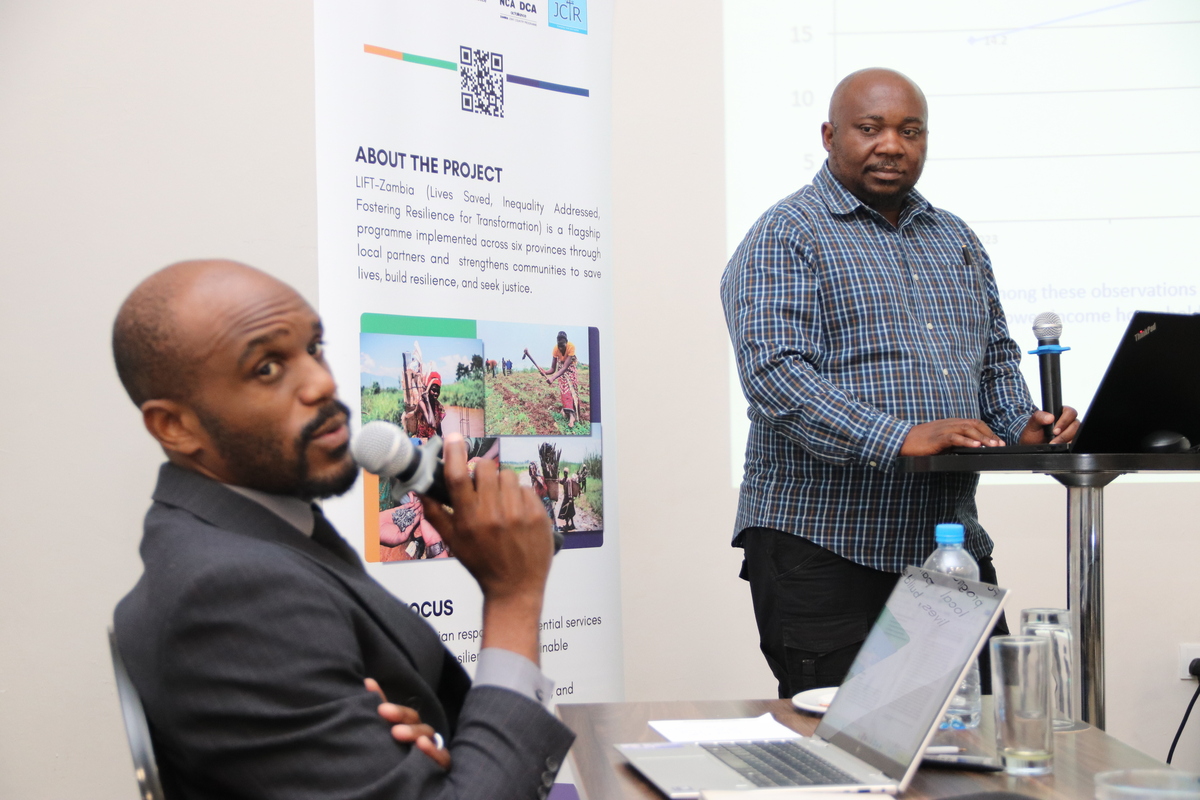
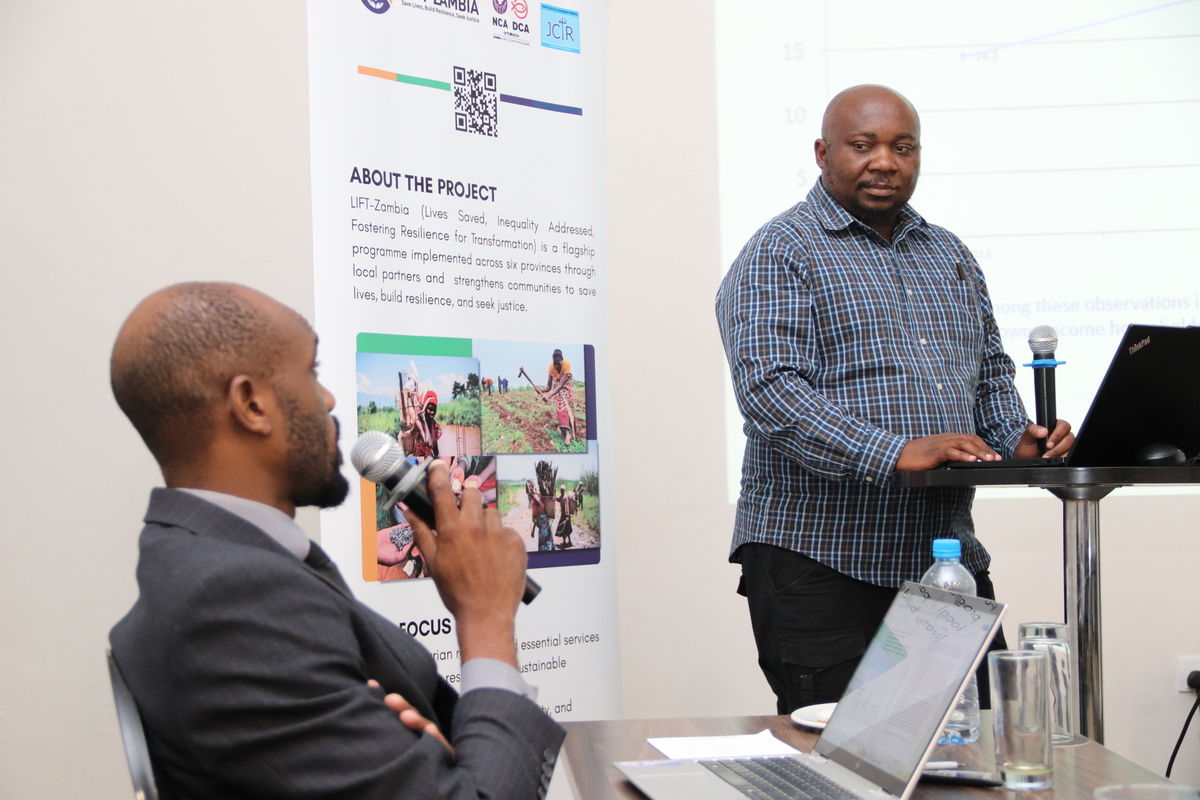
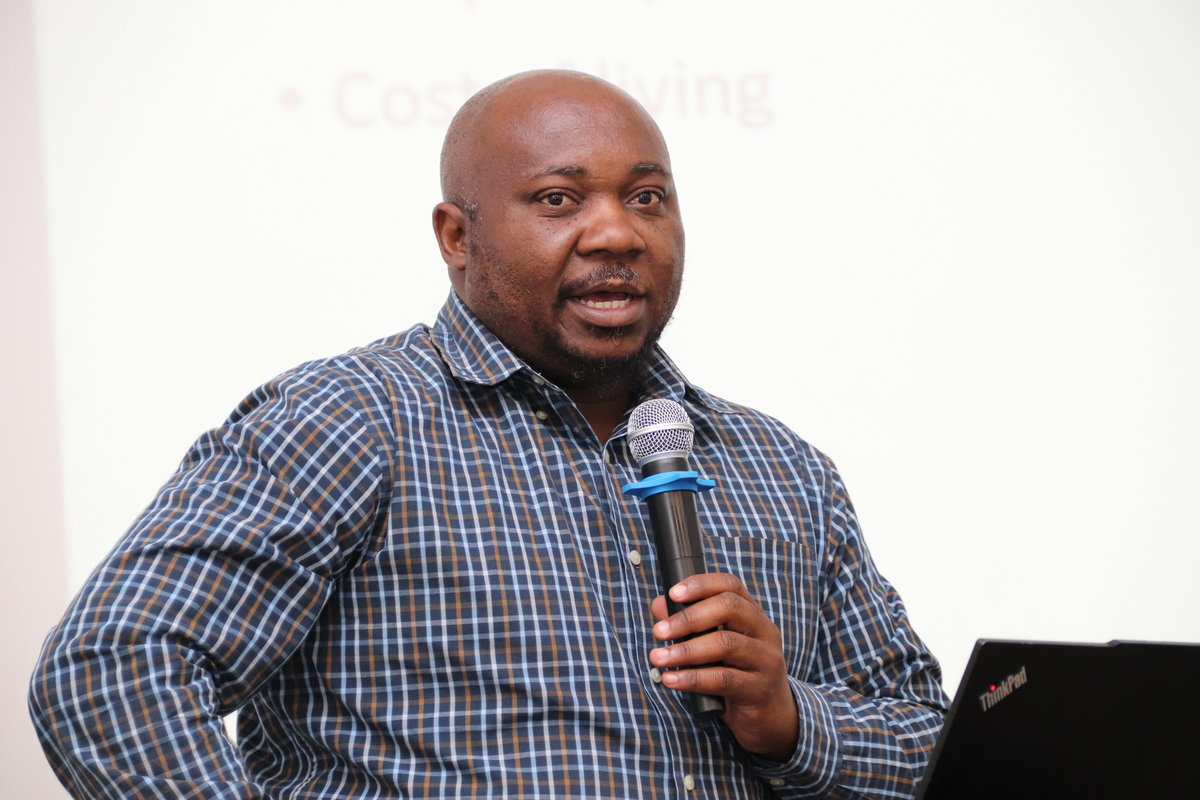
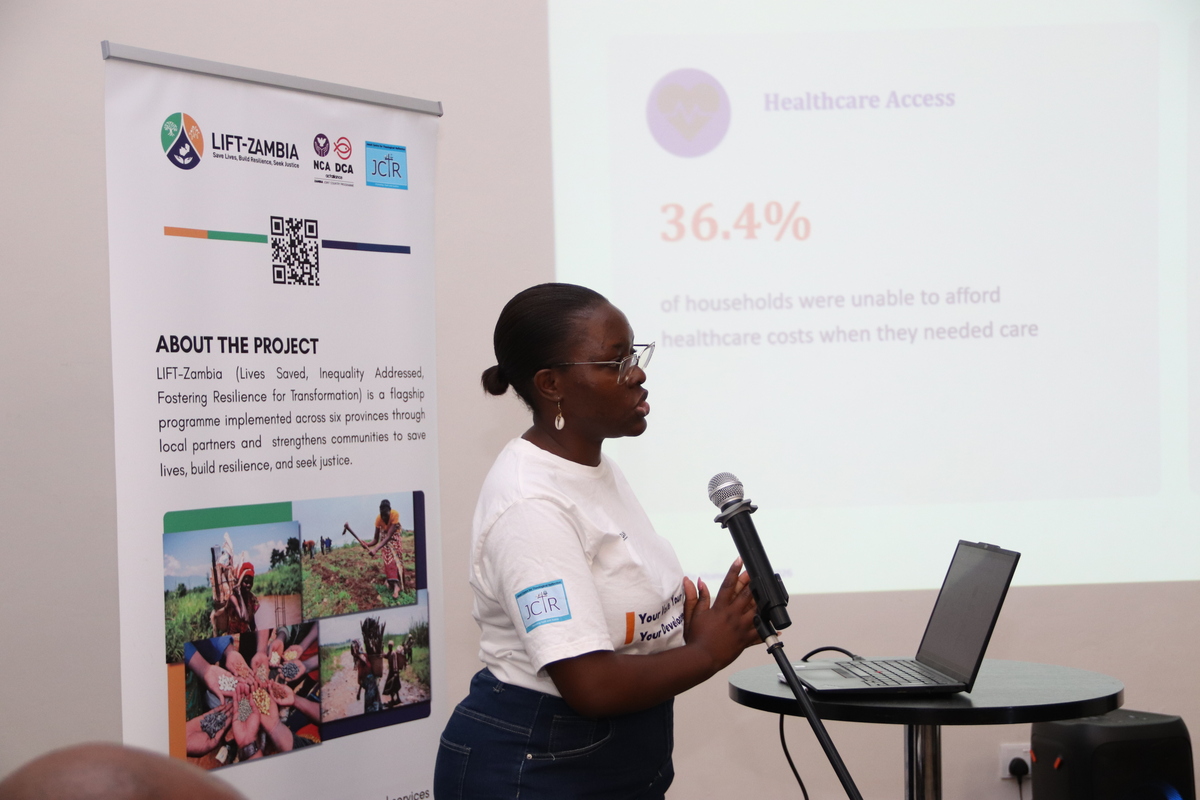
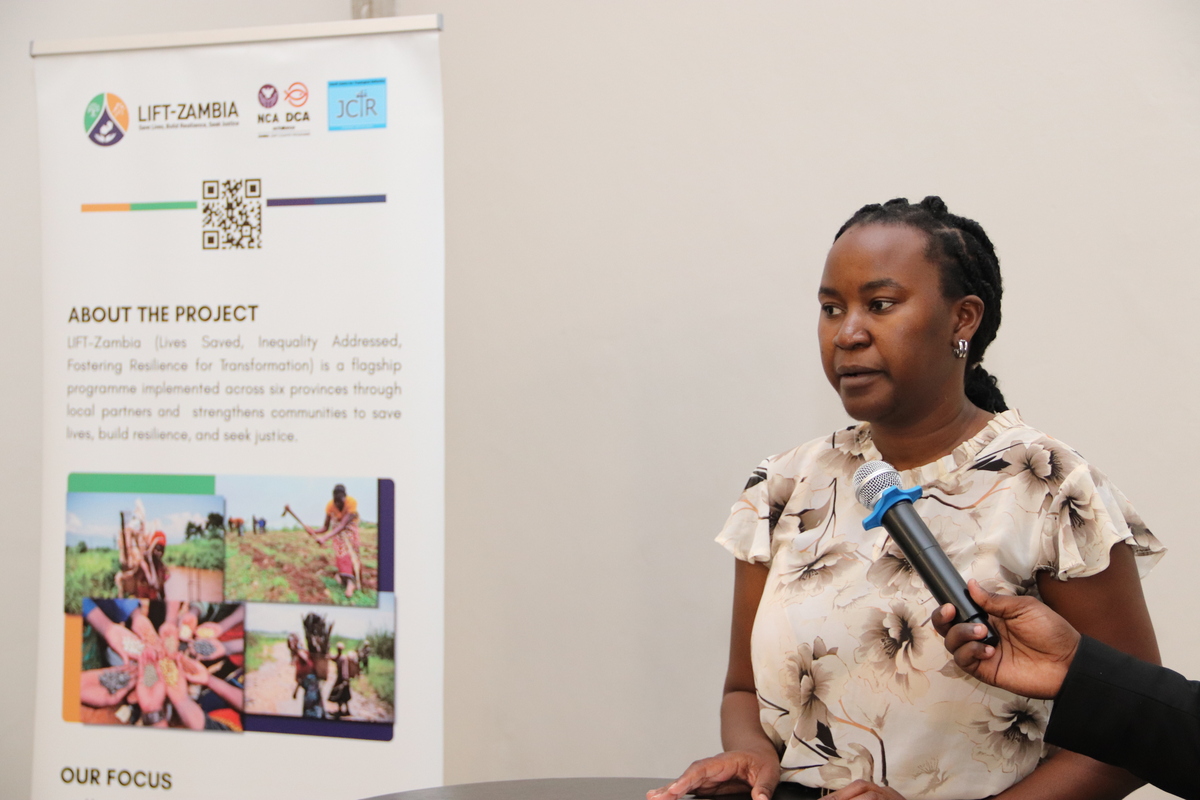
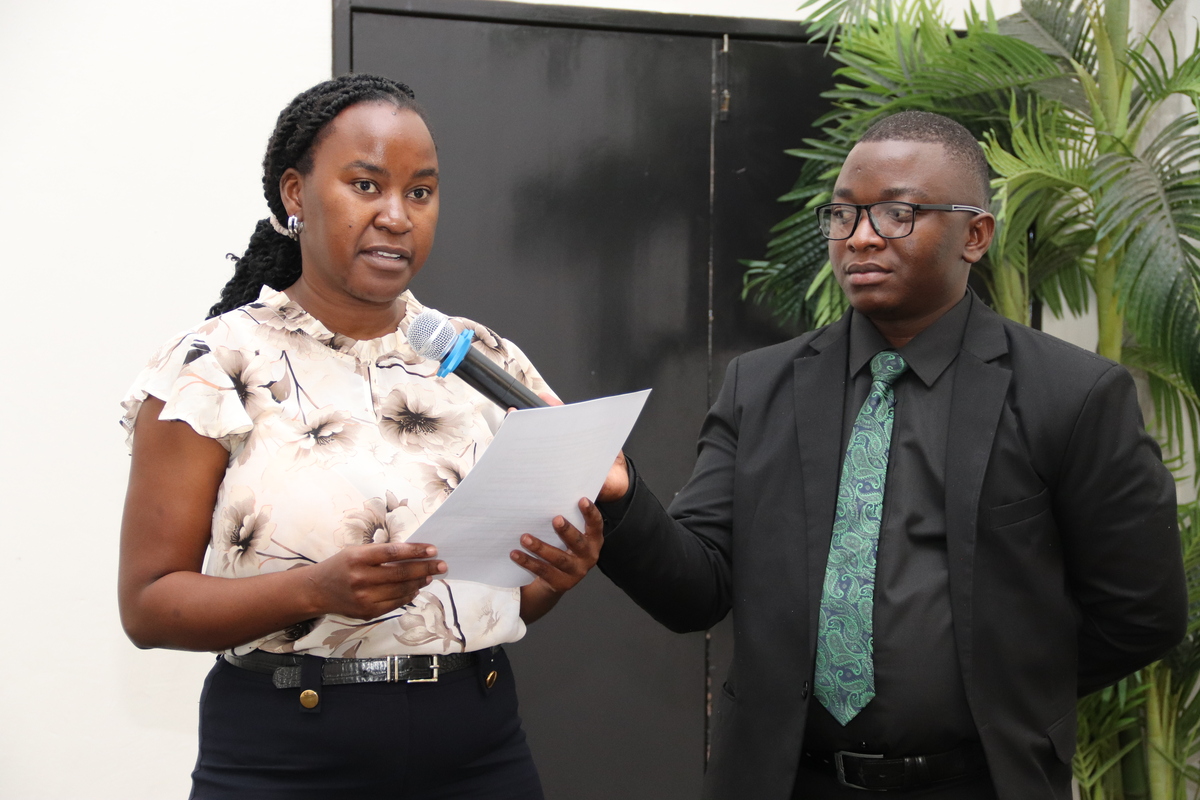
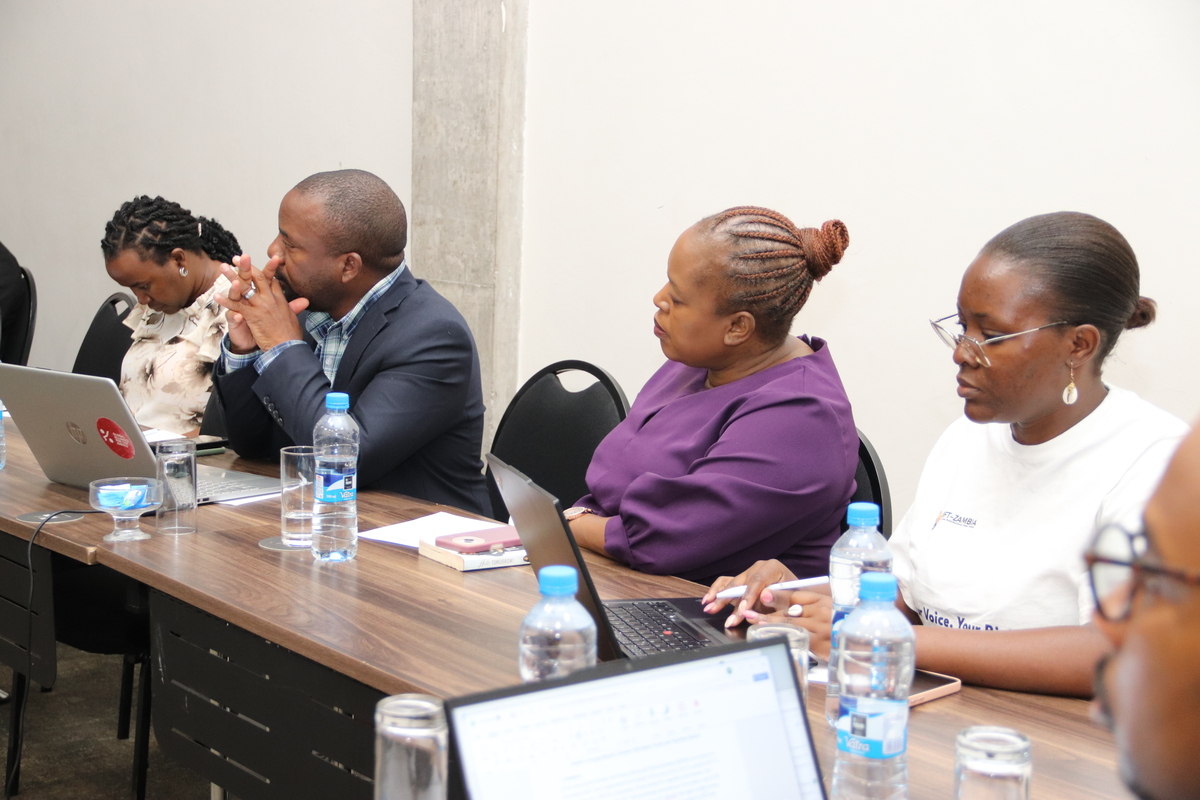
The Jesuit Centre for Theological Reflection (JCTR) has convened a High-Level Joint ZAMSTATS-CSO National Round Table on Poverty Reduction, bringing together the Zambia Statistics Agency (ZAMSTATS), Government representatives, civil society organisations (CSOs) and cooperating partners to examine poverty trends, inequality and the cost of living in Zambia.
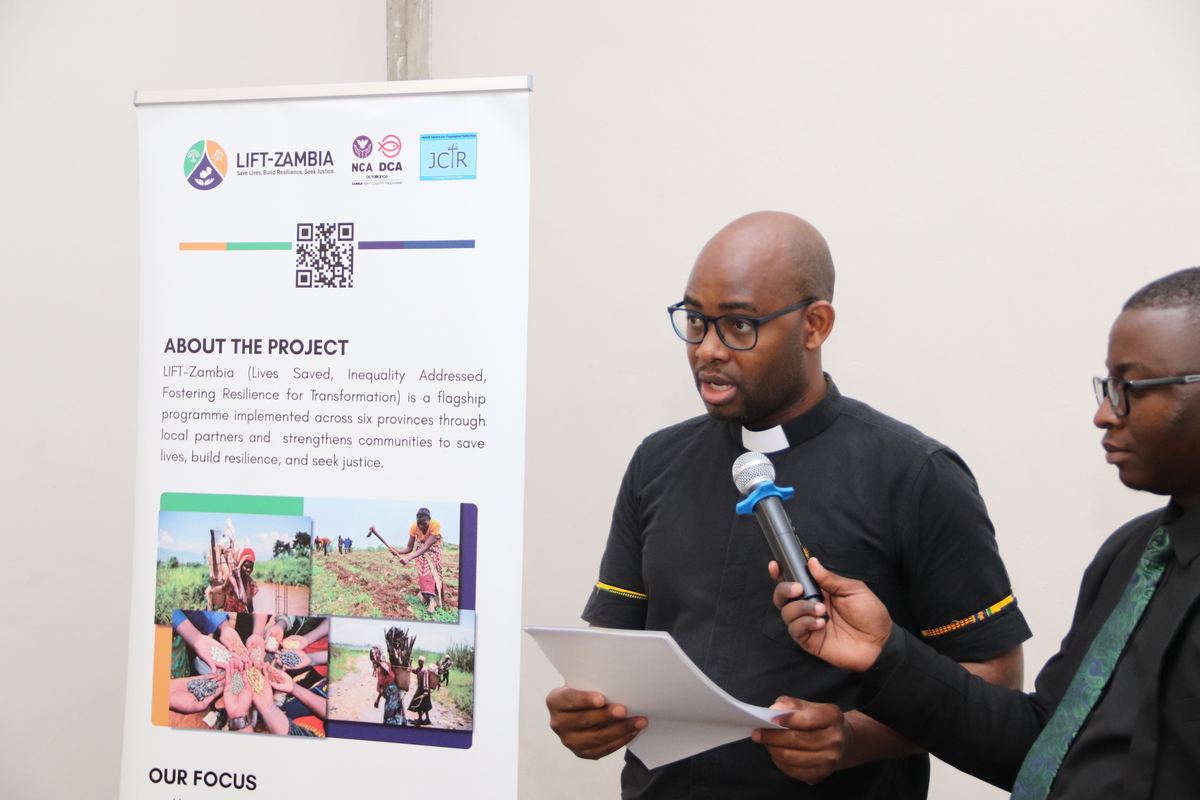
Held in Lusaka under JCTR's Norwegian Church Aid and Danish Church Aid-funded 'LIFT Zambia Programme' (Lives Saved, Inequality Addressed, Fostering Resilience for Transformation), the round table sought to strengthen collaboration between institutions that generate poverty-related evidence, formulate public policies, allocate national resources and advocate for improved living conditions.
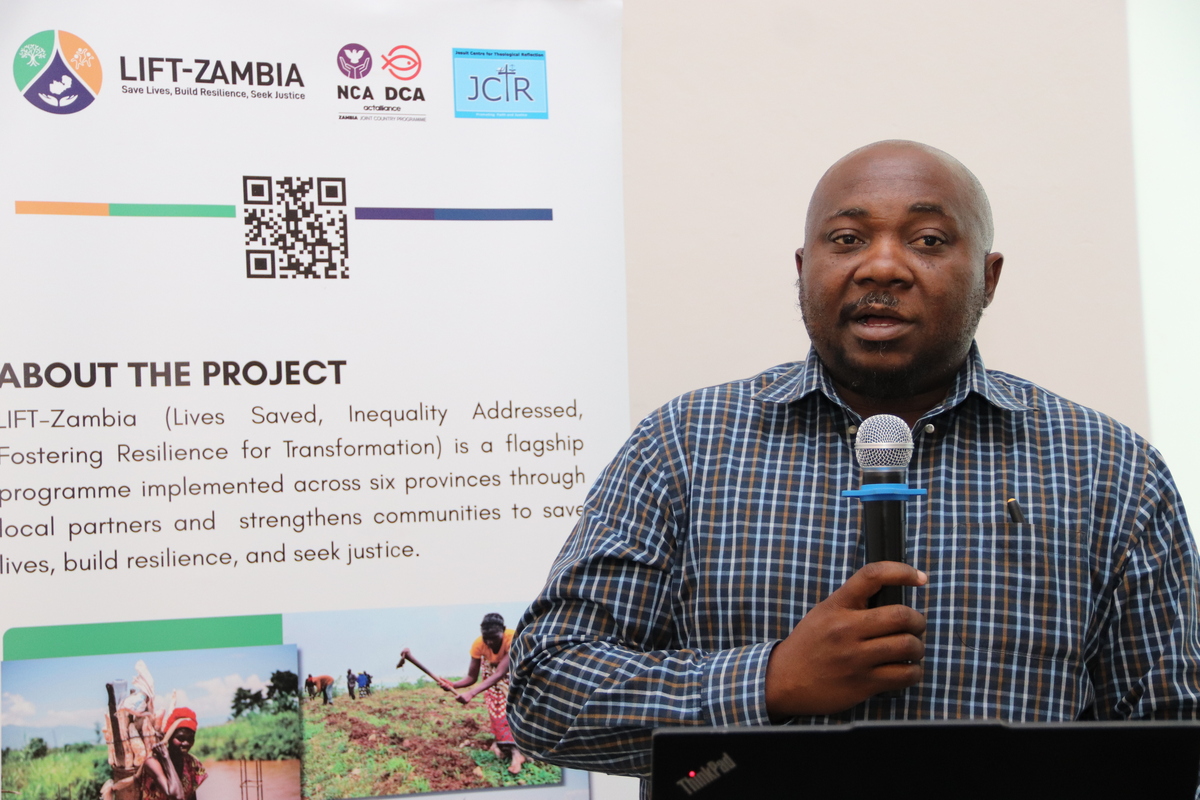
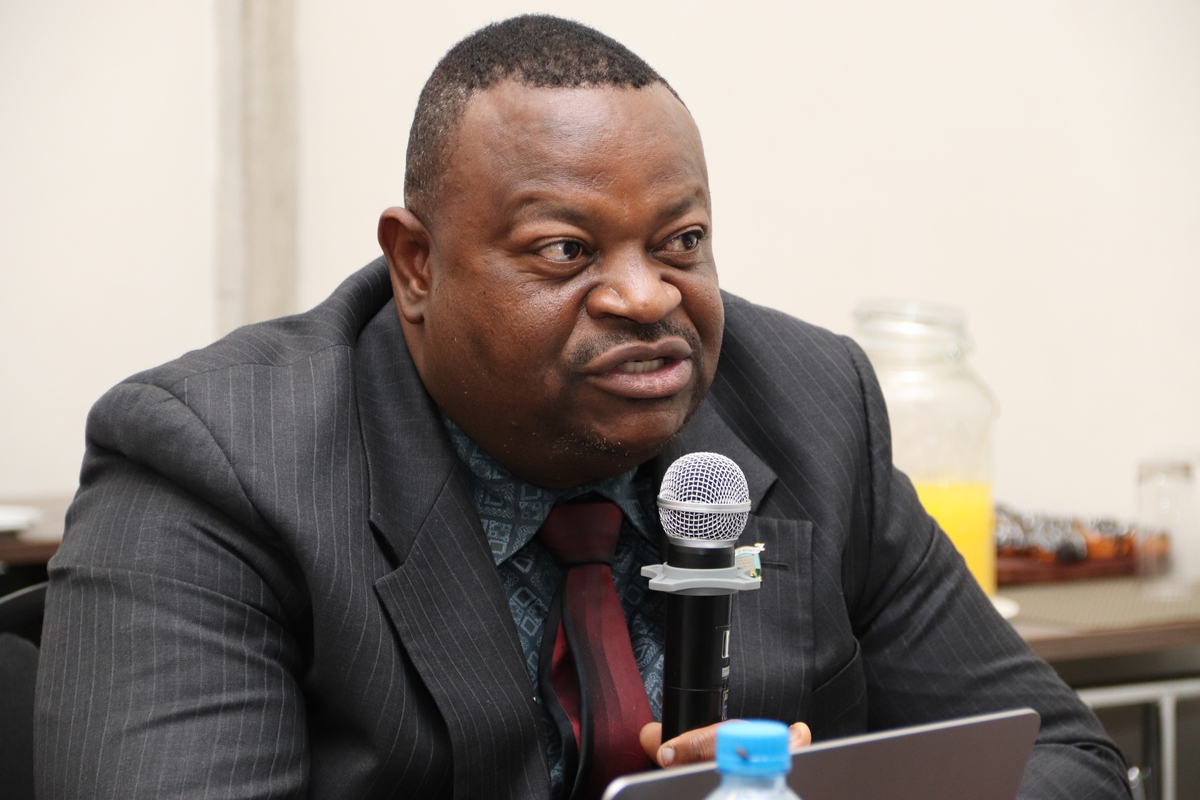
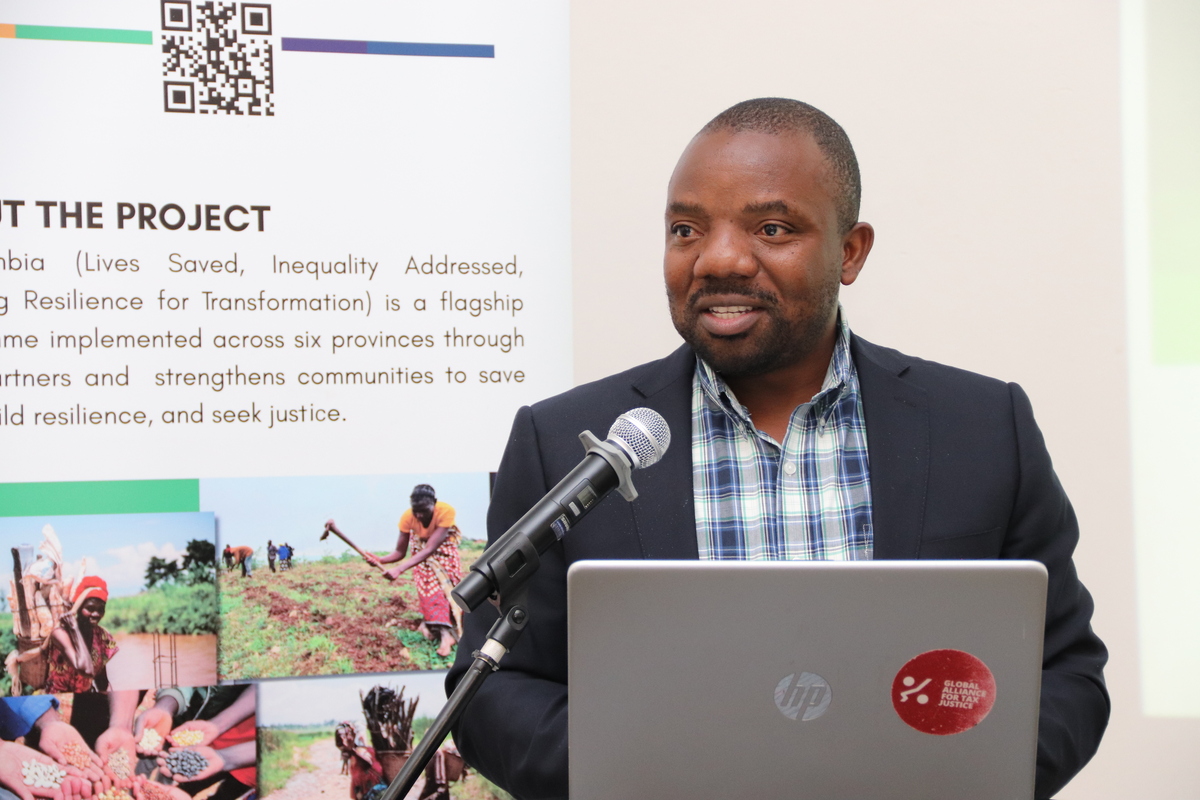
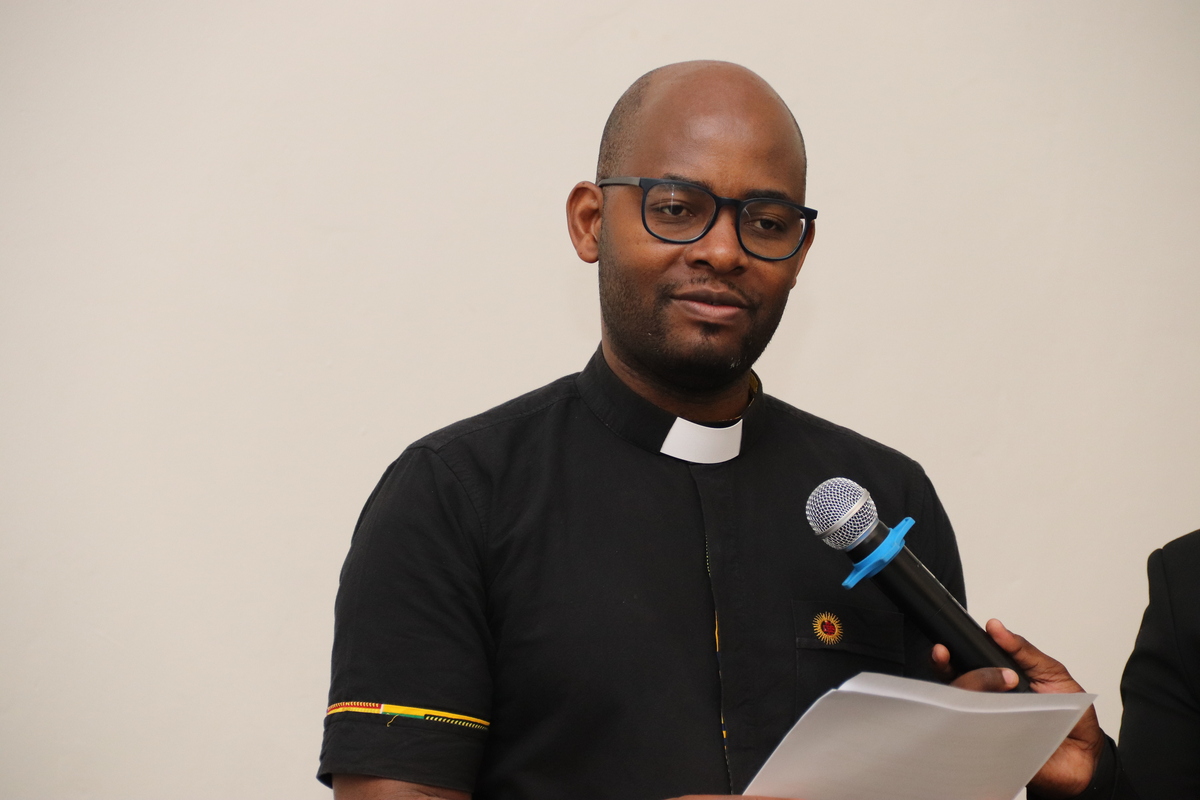
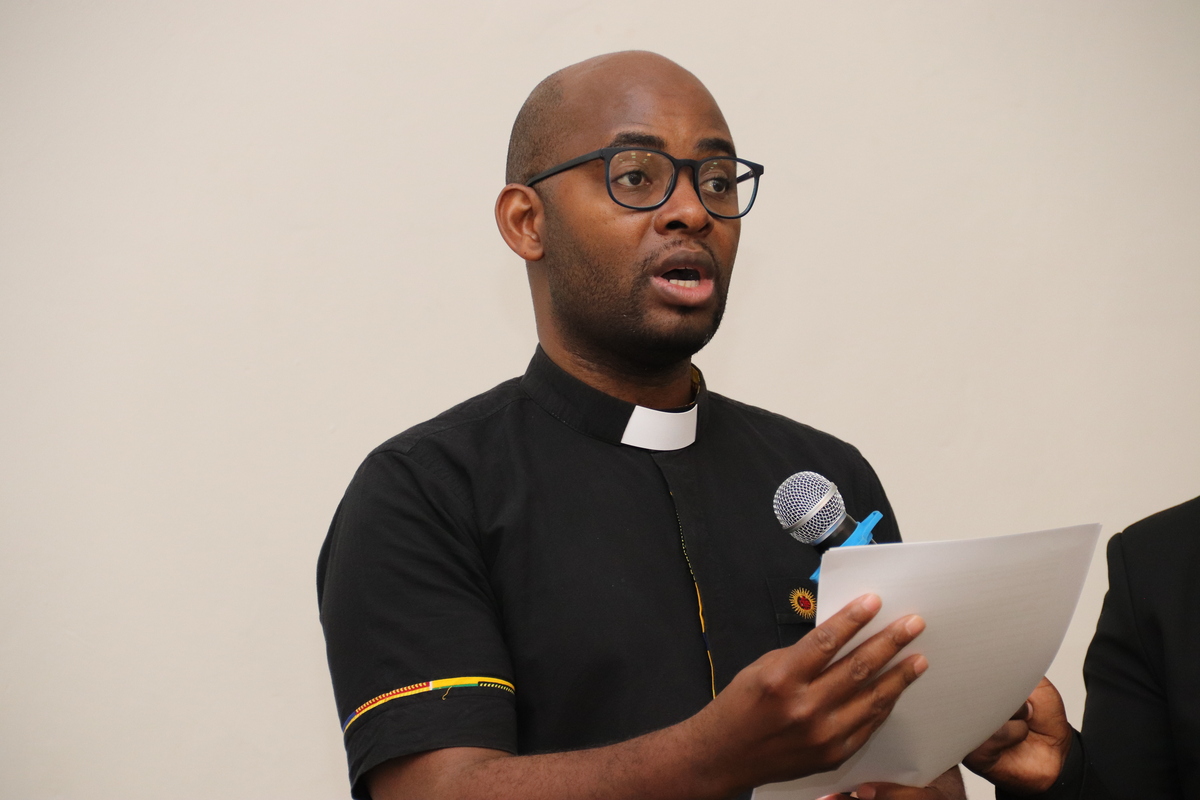
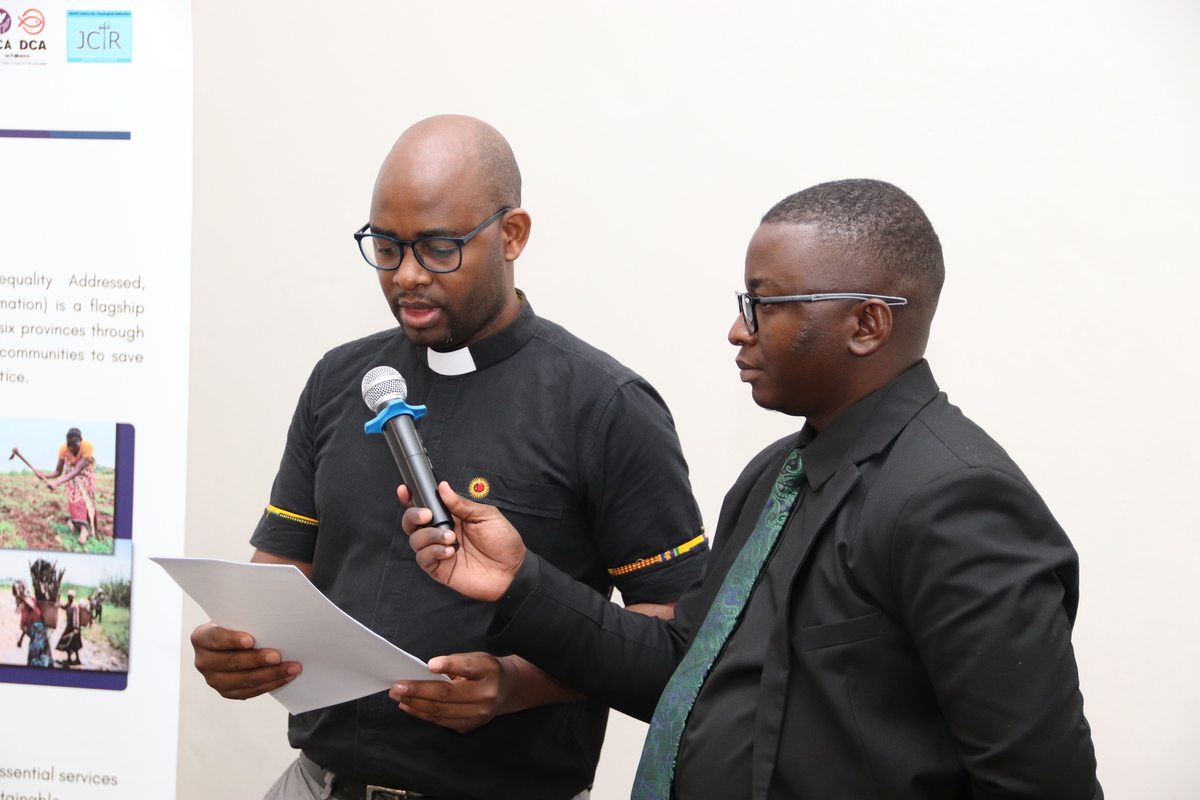
Opening the engagement, JCTR Executive Director, Fr. Daniel Mwamba Mutale SJ, acknowledged the progress Zambia has made towards macroeconomic stabilisation but cautioned that improvements in national economic indicators must translate into meaningful improvements in the lives of ordinary citizens.
Citing figures presented by the Ministry of Finance and National Planning, Fr. Mutale noted that inflation had declined from a peak of 24.6 per cent in June 2021 to 6.3 per cent in October 2026, while international reserves had increased to approximately 4.4 months of import cover and public debt had declined from 129 per cent of GDP in 2021 to 91 per cent in 2025.
However, he observed that the declining inflation rate had not necessarily made essential goods and services affordable for many households.
"In the same month that inflation reached 6.3 per cent, our Basic Needs and Nutrition Basket for a family of five in Lusaka rose by ZMW 854 to ZMW 12,253.72. Inflation tells us how fast prices are rising. It does not tell us whether a family could afford them in the first place," he said.
The remarks highlighted the importance of looking beyond headline economic indicators to understand the actual cost of meeting basic household needs.
According to the 2022 Living Conditions Monitoring Survey (LCMS), Zambia's most recent official household poverty assessment, 60 per cent of the population lived below the national poverty line, while 48 per cent were classified as extremely poor. The survey further revealed significant geographical disparities, with rural poverty standing at 78.8 per cent compared to 31.9 per cent in urban areas.
Fr. Mutale observed that poverty had increased from 54.4 per cent in 2015 to 60 per cent in 2022, underscoring the scale of the challenge facing the country despite ongoing economic and development interventions.
He also raised concerns about the adequacy of social protection financing, noting that the 2027 allocation for social protection had increased from ZMW 15.6 billion to ZMW 16.2 billion, representing growth of less than four per cent against an overall national Budget increase of 12.5 per cent.
While welcoming the increase in the Social Cash Transfer to ZMW 450 per month, he emphasised that its value must be assessed against the actual cost of living and the needs of vulnerable households.
The discussion also brought attention to the potential distributional effects of proposed tax measures, the need to strengthen climate resilience and the importance of protecting vulnerable households from economic and environmental shocks, particularly in light of the anticipated El Niño conditions.
Bridging the gap between official statistics and household realities
A central concern emerging from JCTR's opening remarks was the need to connect three important sources of evidence: official poverty statistics, household cost-of-living assessments and national budget allocations.
ZAMSTATS provides the official statistical foundation for understanding poverty, inequality and living conditions in Zambia. JCTR complements this evidence through its monthly Basic Needs and Nutrition Basket, which tracks the cost of essential goods and services across 16 monitored districts.
Other civil society organisations contribute through public expenditure monitoring, social protection assessments, community-level research and accountability initiatives.
Fr. Mutale stressed that these different sources of evidence should inform one another more systematically to strengthen policy formulation, public resource allocation and accountability.
"The official statistics tell us how many people are poor and where they live. The basket tells us what it costs to live with dignity this month. The Budget tells us what the State will actually spend. These three rarely meet," he observed.
He further emphasised that achieving the Government's ambition of reducing poverty to below 20 per cent by 2031 would require deliberate, measurable and inclusive interventions, rather than relying on economic growth alone.
He called for a clear pathway towards the 2031 poverty reduction target, supported by interim targets in the Ninth National Development Plan, regular household surveys and annual public reporting.
Towards evidence-based and collaborative policy solutions
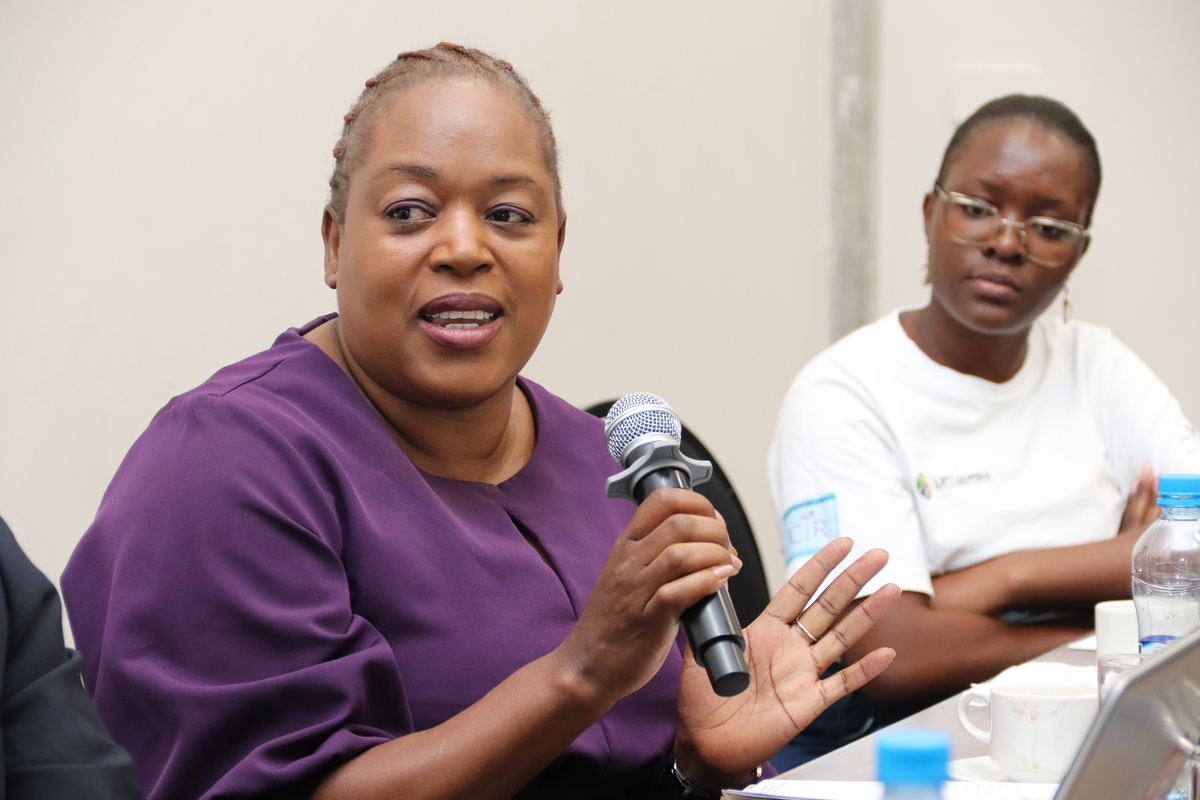
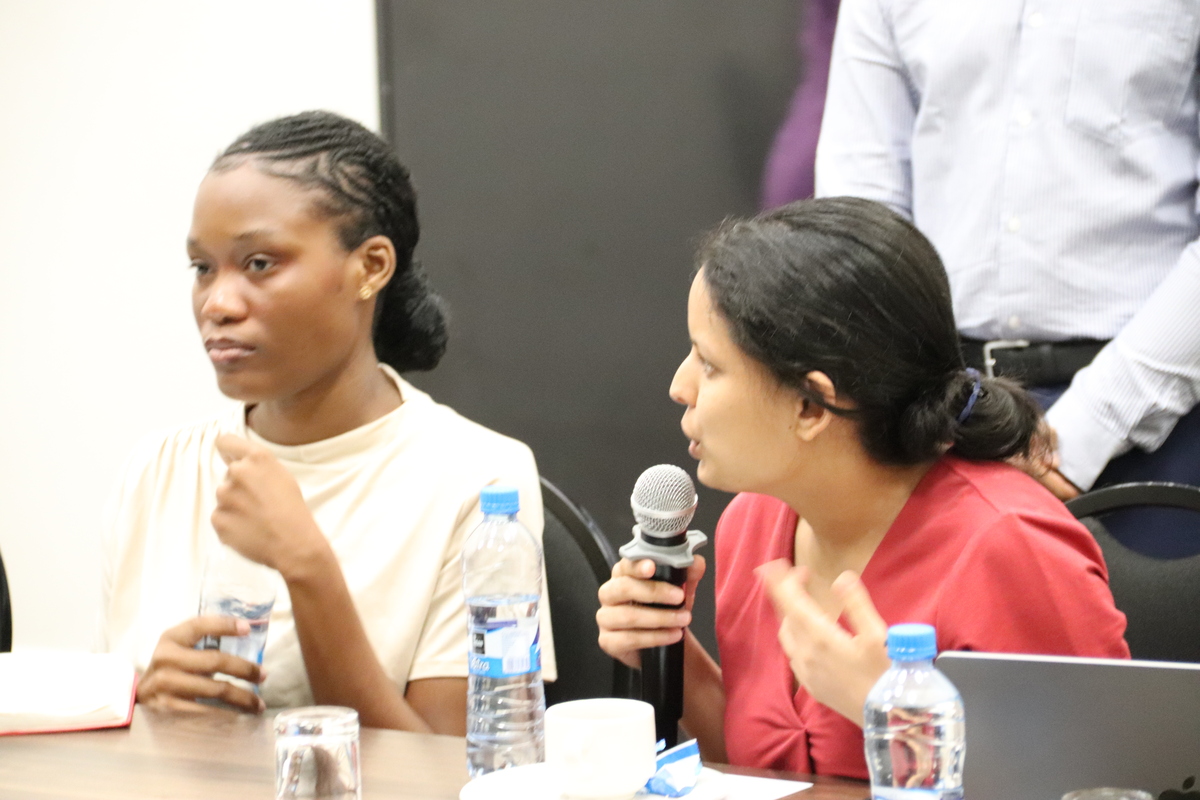
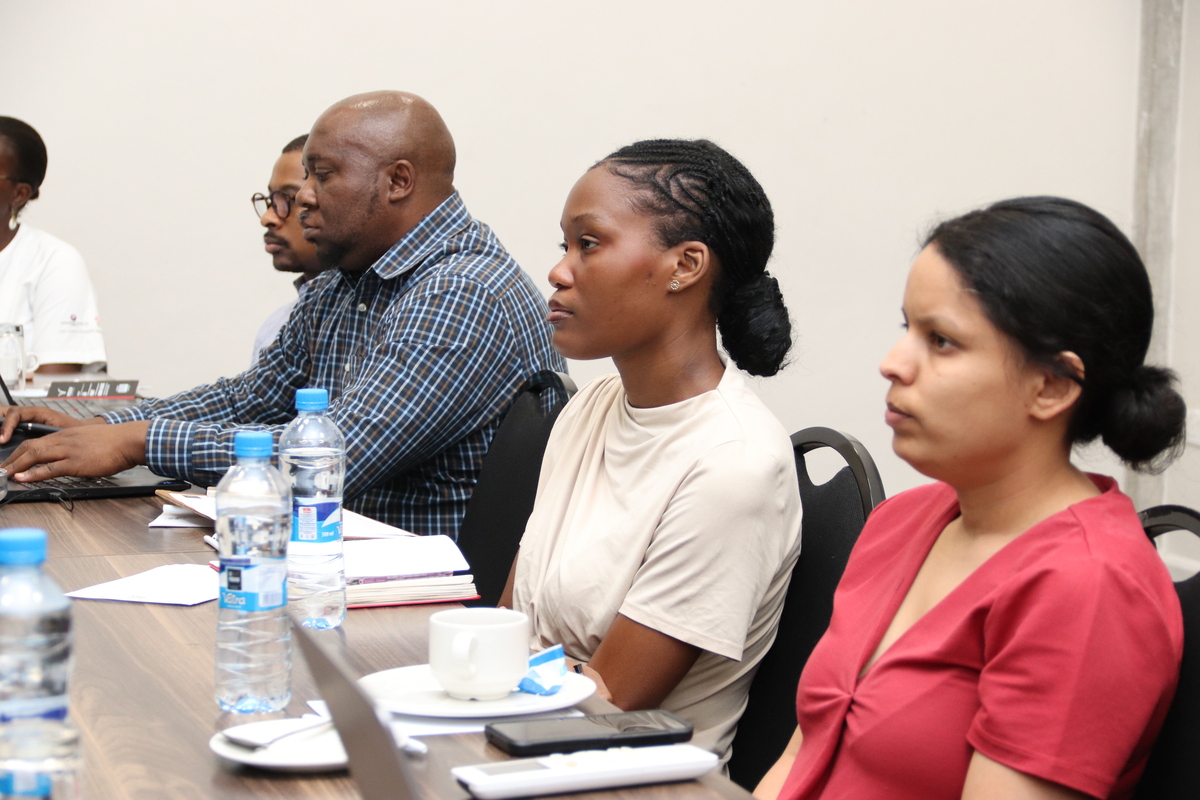
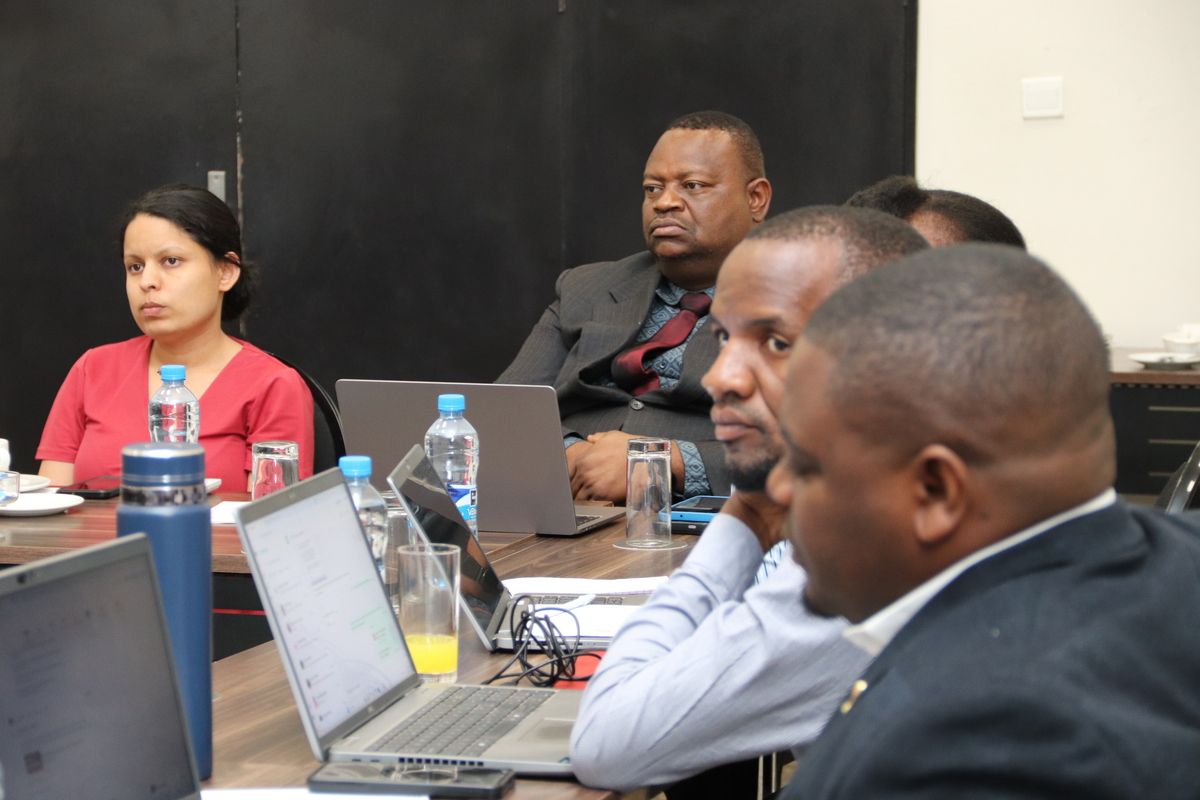
The round table provided a platform for ZAMSTATS, Government institutions and CSOs to reflect on the drivers and distribution of poverty and inequality, and to explore practical policy interventions that could accelerate poverty reduction.
Discussions were informed by contributions from JCTR, the Alliance for Community Action (ACA), the Civil Society for Poverty Reduction (CSPR) and Transparency International Zambia (TIZ), which brought complementary perspectives on household living conditions, public expenditure accountability, climate resilience, food security and the management of public resources.
The engagement also sought to strengthen collaboration between CSOs and relevant Government institutions, particularly in improving social protection targeting, promoting equitable public spending and ensuring that national development policies respond to the realities of poor and marginalised communities.
Among the proposals put forward for consideration were the development of a publicly accessible pathway towards the 2031 poverty reduction target, strengthening the real value and responsiveness of social protection programmes, and assessing the distributional impact of proposed tax measures on different income groups.
These proposals underscore the importance of moving from broad commitments to measurable policy actions informed by credible and complementary evidence.
Putting human dignity at the centre of economic policy
For JCTR, the round table reflects its longstanding commitment to promoting social and economic justice, grounded in Catholic Social Teaching and the preferential option for the poor.
In his closing reflections, Fr. Mutale reminded participants that poverty statistics represent lived experiences and that economic policies must ultimately be judged by their impact on people's dignity and well-being.
"A poverty rate is an average, and no family lives in an average. Behind each percentage point are mothers deciding which meal to skip and farmers wondering whether this season's rains will come," he said.
He called on participants to ensure that the evidence discussed translates into practical interventions that improve the lives of vulnerable households.
Through the LIFT Zambia Programme, JCTR continues to work with communities, civil society actors and other stakeholders to strengthen accountability, promote inclusive policies and advance the social and economic rights of poor and marginalised communities.
The national round table represents an important opportunity to strengthen the relationship between official statistics, civil society evidence and public policy, towards a Zambia where economic progress is reflected not only in national indicators but also in the improved living conditions of its people.

"A just Zambian society guided by faith, where everyone enjoys the fullness of life".