
Southern and Western Provinces, Zambia
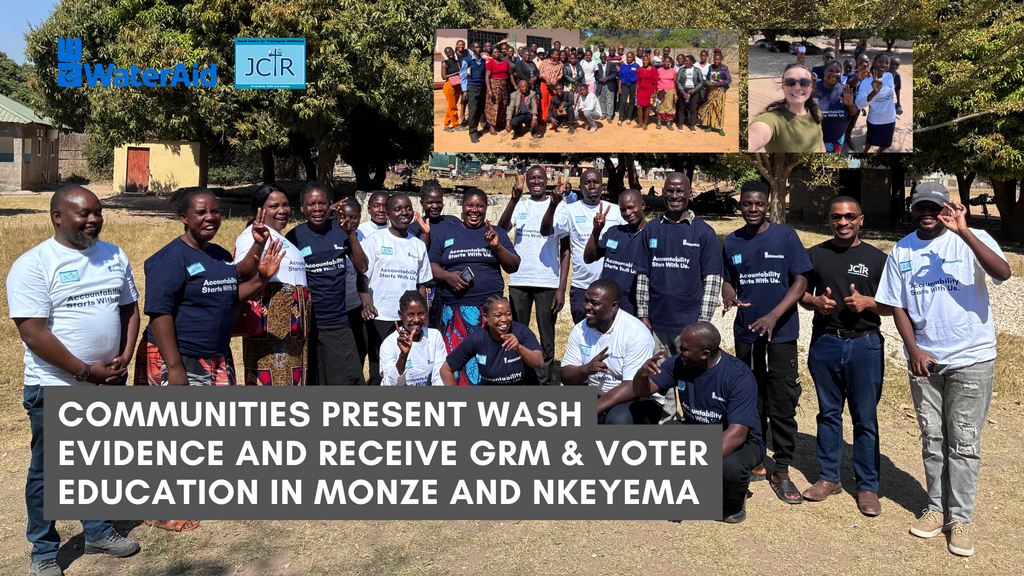
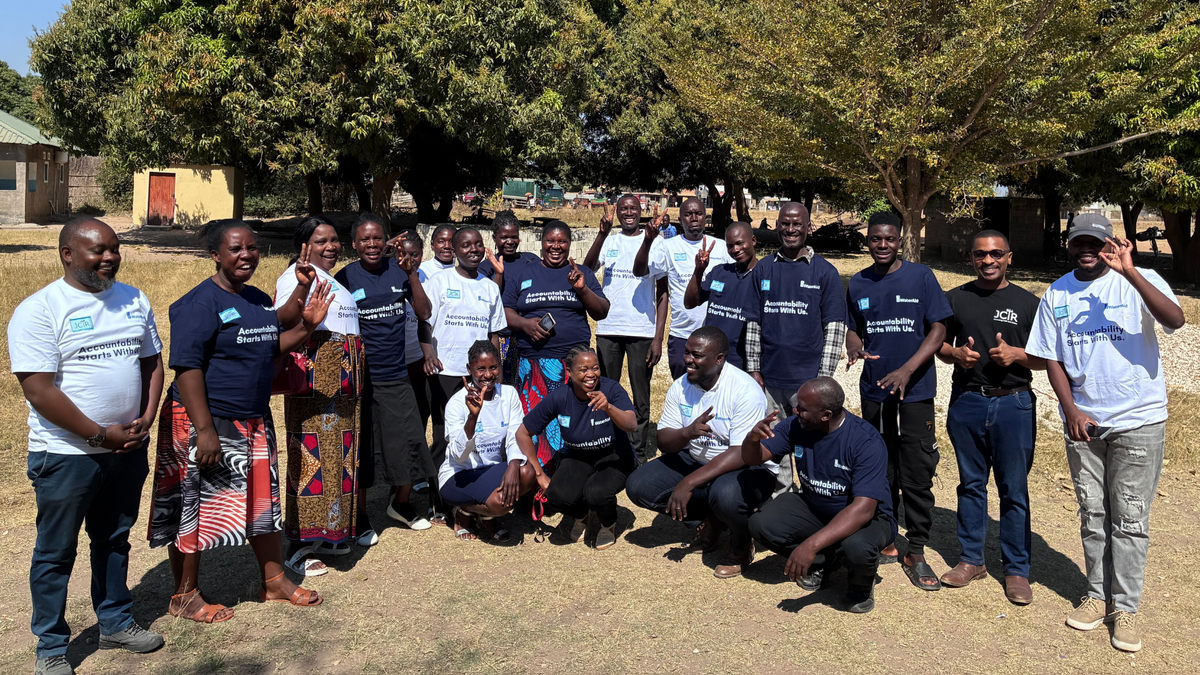
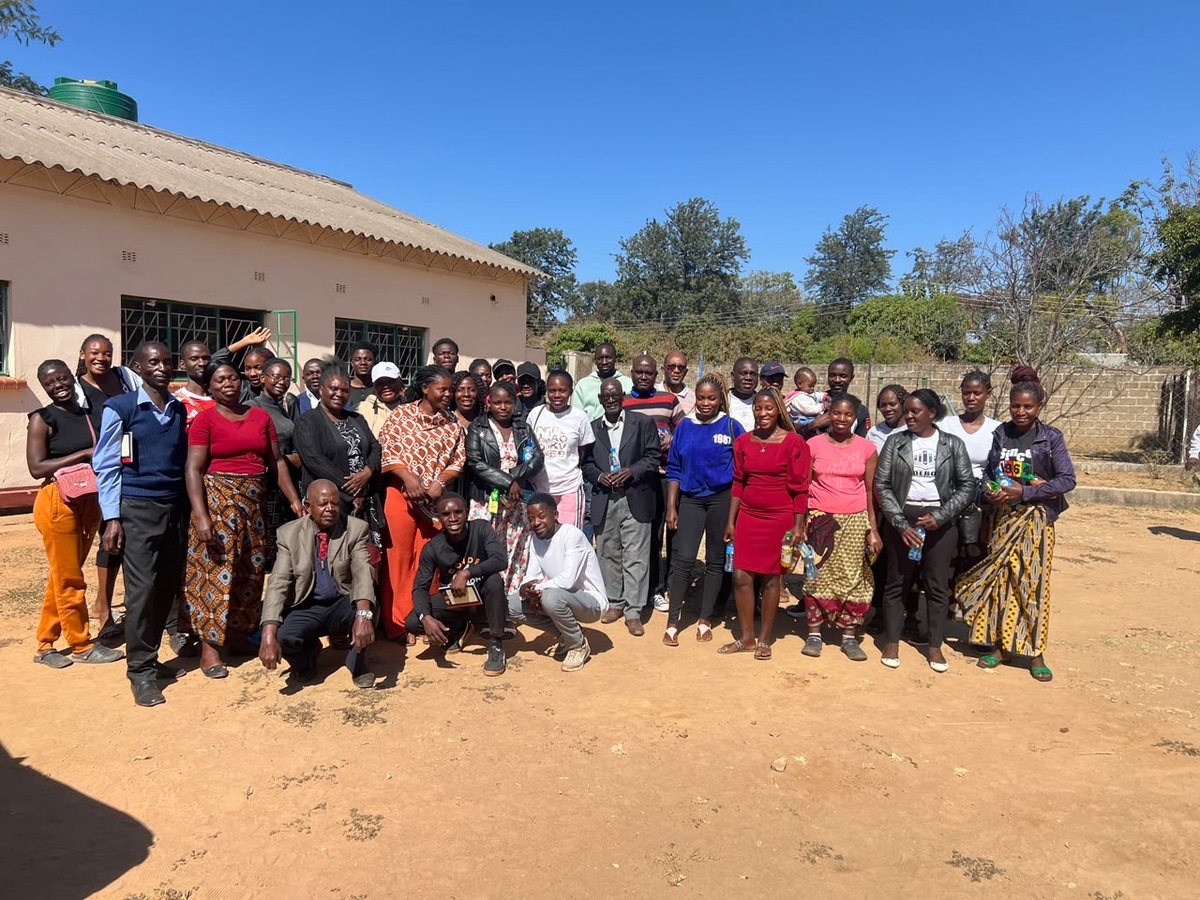
On 9 and 10 July 2026, the Jesuit Centre for Theological Reflection (JCTR), in partnership with WaterAid Zambia, concluded a four-part accountability cycle in Monze and Nkeyema Districts under the Strengthening Inclusive and Climate-Resilient WASH Accountability in Zambia project. The closing activities brought together community members, local authorities, water utility providers, Ward Development Committees (WDCs), and the Electoral Commission of Zambia (ECZ) to strengthen citizen participation, accountability, and informed civic engagement.
The meetings marked the culmination of a process that placed communities at the centre of assessing the quality and accessibility of their own Water, Sanitation and Hygiene (WASH) services. Rather than being passive recipients of development interventions, community members collected evidence, analysed service delivery, engaged duty bearers directly, and learned how to pursue accountability through formal grievance mechanisms while strengthening their understanding of their civic responsibilities ahead of Zambia's 13 August 2026 General Elections.
A Community-Led Assessment of WASH Services
The accountability cycle began with communities administering the WASH Community Score Card, a participatory social accountability tool that enables citizens to assess public services against agreed standards. Working independently, community groups evaluated the functionality, accessibility, reliability and overall quality of their water points using a five-point scoring scale.
Beyond assigning numerical scores, participants documented the experiences and observations that informed each rating. Community discussions highlighted practical challenges affecting daily access to safe water, including infrastructure maintenance, water availability, service responsiveness and communication with service providers.
The exercise generated locally owned evidence grounded in the lived experiences of community members. Importantly, the findings belonged to the communities themselves, ensuring that subsequent engagement with duty bearers was driven by citizens rather than external facilitators.
Evidence Presented Directly to Duty Bearers
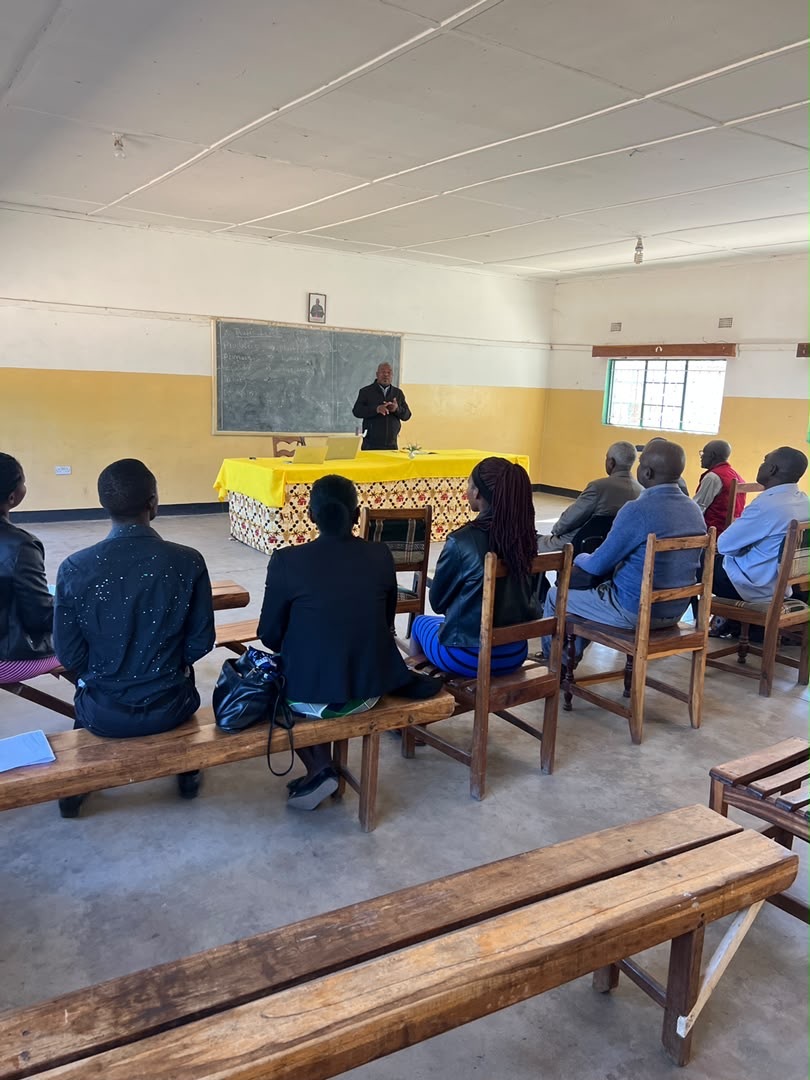
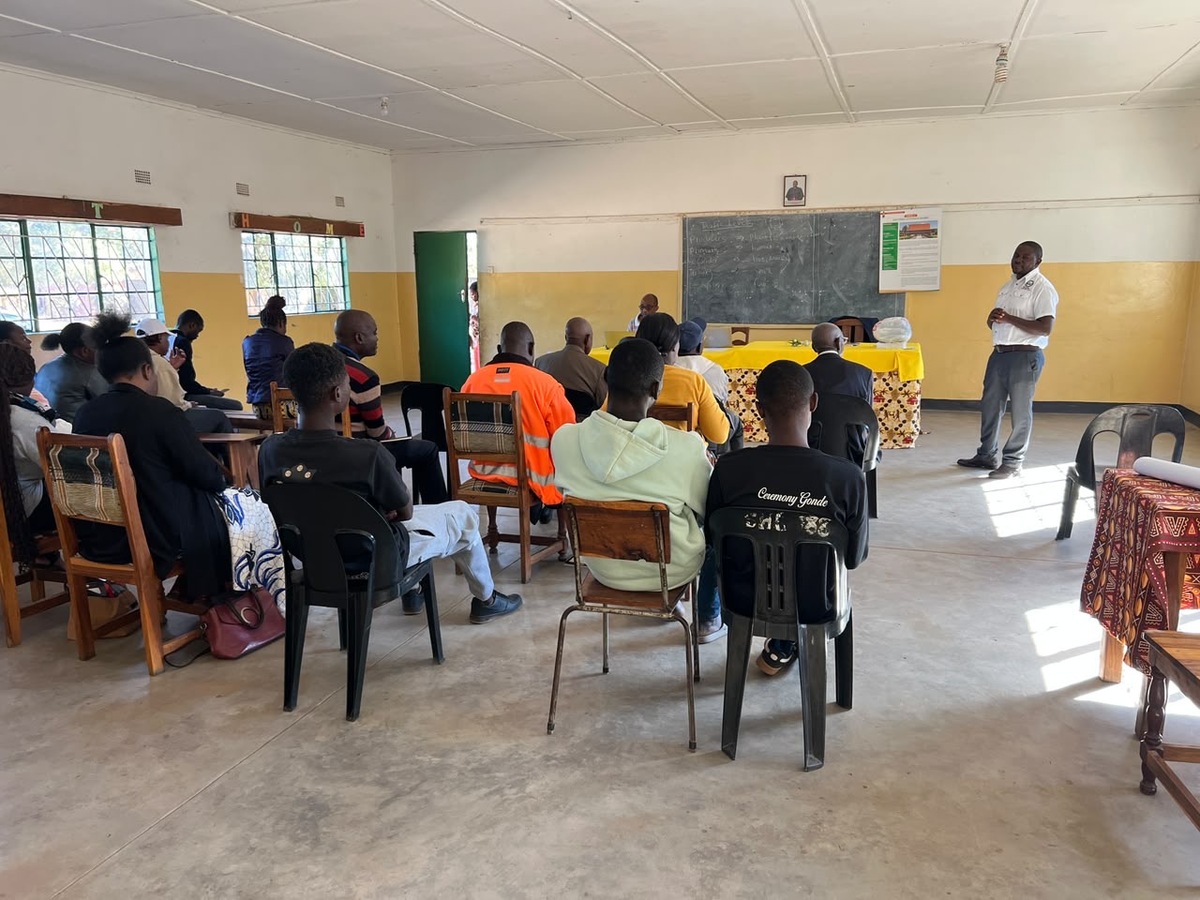
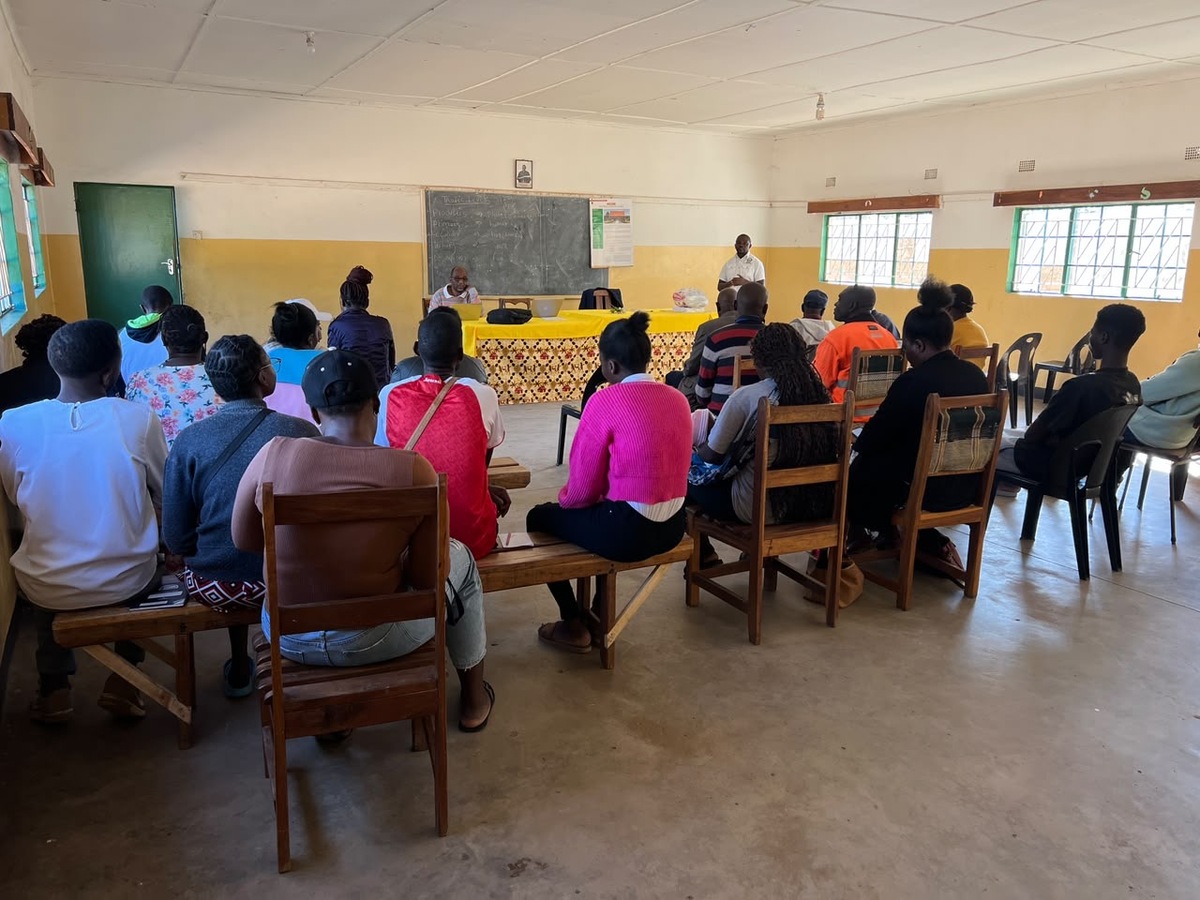
The evidence collected through the Community Score Card formed the basis of interface meetings held immediately afterwards, where communities presented their findings directly to institutions responsible for delivering WASH services.
In Monze District, representatives from the community engaged with officials from:
In Nkeyema District, communities presented their findings to:
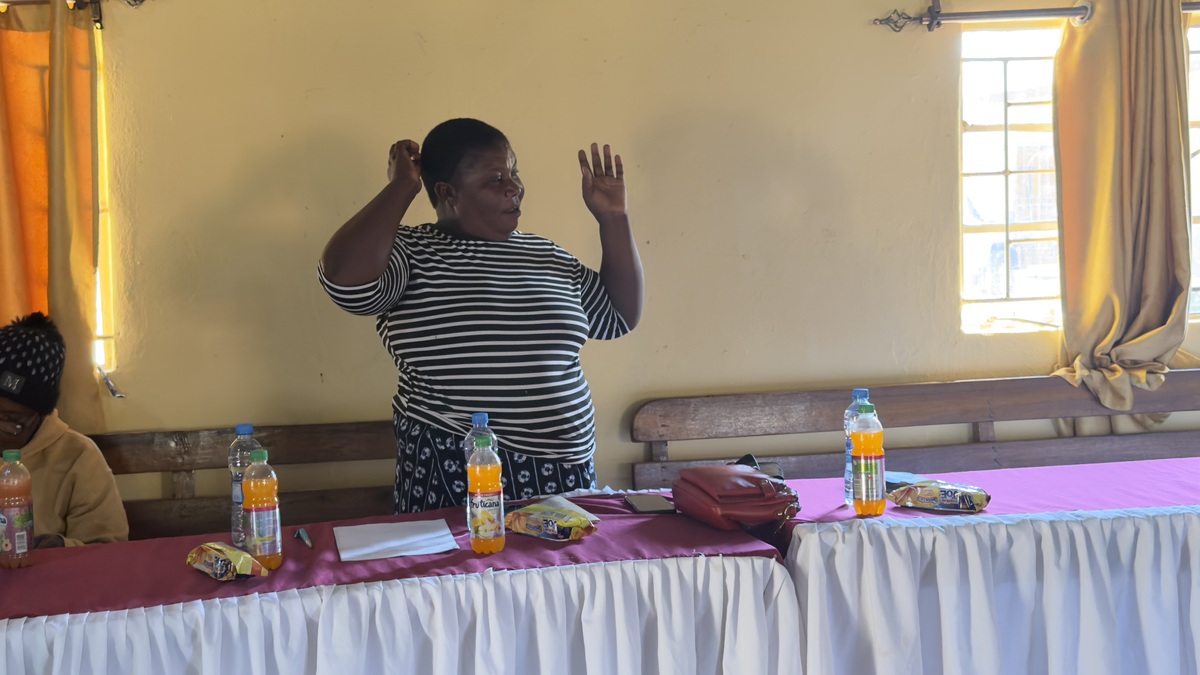
Rather than having JCTR present the findings on their behalf, community representatives took ownership of the process by explaining the scores they had assigned, outlining the challenges experienced within their communities, and seeking responses from the relevant duty bearers.
The interface meetings created a structured platform for constructive dialogue. Duty bearers had the opportunity to clarify issues, explain operational challenges, respond to community concerns, and identify practical actions that could improve service delivery. This direct engagement helped strengthen transparency while reinforcing the shared responsibility between service providers and citizens in improving WASH outcomes.
Strengthening Accountability Through the Grievance Redress Mechanism
Recognising that accountability extends beyond dialogue, each meeting included a practical session on the Grievance Redress Mechanism (GRM).
Participants were guided through the formal procedures available for reporting WASH-related concerns, tracking complaints and following up until appropriate action is taken. The sessions emphasised that effective accountability requires more than raising concerns informally; communities need accessible, transparent and structured systems that ensure complaints are documented, acknowledged and addressed.
Community members learned:
By strengthening awareness of the GRM, the project is helping communities move beyond one-off reporting towards sustained engagement with service providers and local authorities.
Following the interface meetings, JCTR has commenced supporting participating communities in consolidating their identified concerns into formal grievance documents that will be submitted to the respective Local Authorities in Monze and Nkeyema. This process will help ensure that community priorities are formally recorded and integrated into local accountability processes, while providing a basis for continued monitoring of commitments made by duty bearers.
Connecting WASH Accountability with Democratic Participation
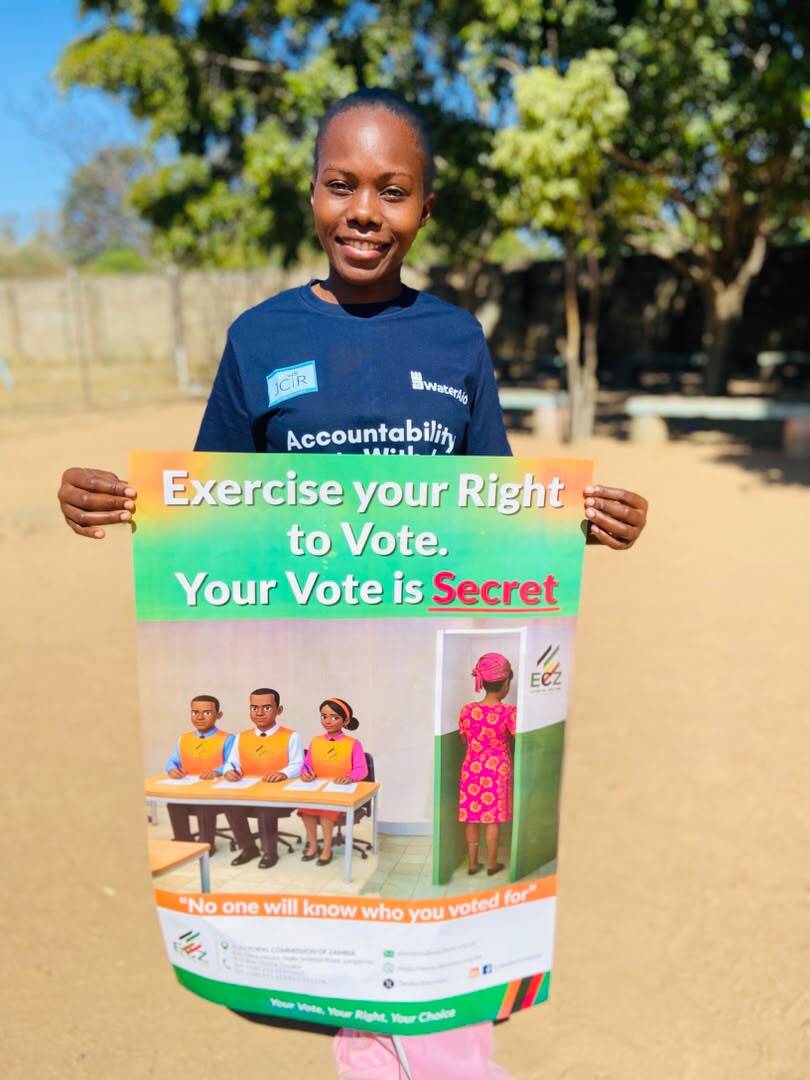
An important feature of the closing activities was the integration of voter education facilitated by District Voter Education Coordinators from the Electoral Commission of Zambia (ECZ).
The sessions drew meaningful connections between everyday accountability in public service delivery and democratic participation through elections. Communities explored how the same principles underpinning the Community Score Card process—evidence, dialogue, participation and follow-through—also apply to choosing leaders and holding them accountable after elections.
With Zambia preparing for the 13 August 2026 General Elections, participants received information on:
The voter education sessions encouraged citizens to view voting not as an isolated event, but as one component of ongoing democratic accountability. Just as communities monitor the quality of water services, they also have a responsibility to assess leadership performance, engage elected representatives and demand responsive governance throughout an electoral cycle.
Empowering Communities to Lead Change
Across both districts, the activities demonstrated that sustainable accountability begins when communities have the knowledge, confidence and platforms to engage constructively with those responsible for delivering public services.
By generating their own evidence, presenting it directly to duty bearers, learning how to utilise formal grievance mechanisms and strengthening their understanding of democratic participation, community members are better positioned to advocate for improved WASH services while exercising their broader civic rights.
The interface meetings also reinforced collaborative governance by bringing together citizens, local authorities, water utility providers and Ward Development Committees in a shared commitment to improving service delivery through dialogue rather than confrontation.
Looking Ahead
While the interface meetings marked the conclusion of this accountability cycle, they represent the beginning of continued engagement between communities and duty bearers.
JCTR will continue supporting communities as they formalise and submit their grievances to local authorities, while monitoring progress on the commitments made during the interface meetings. The organisation remains committed to strengthening citizen participation, promoting responsive governance and ensuring that communities have meaningful opportunities to influence decisions affecting their access to safe and reliable water services.
Through its partnership with WaterAid Zambia, JCTR continues to demonstrate that effective WASH governance depends not only on infrastructure investment, but equally on informed citizens, accountable institutions and inclusive platforms where evidence can inform action. By integrating social accountability with civic and voter education, the project contributes to stronger local governance while empowering citizens to participate actively in both public service oversight and Zambia's democratic processes.

"A just Zambian society guided by faith, where everyone enjoys the fullness of life".