
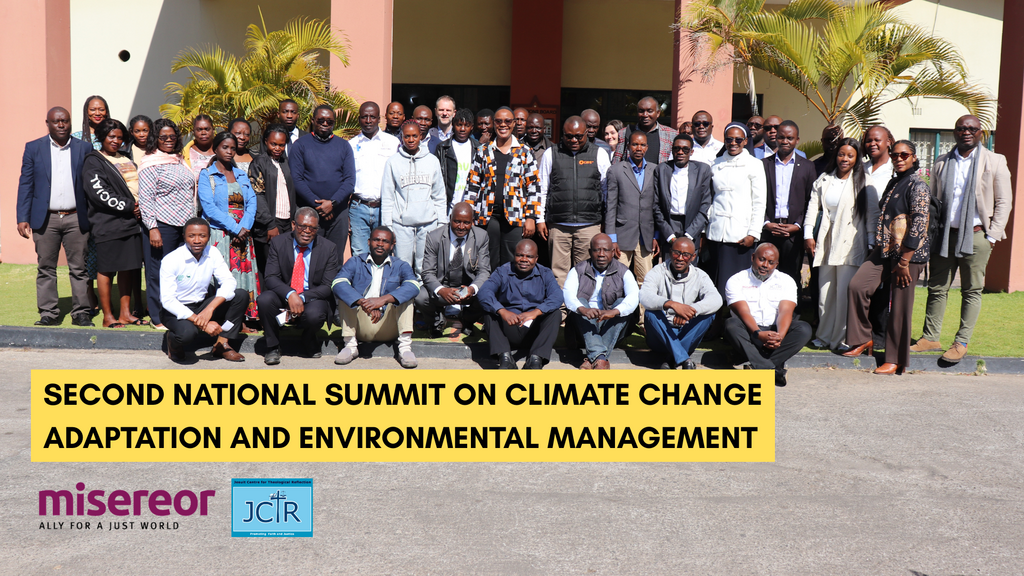
Lusaka, Zambia – Friday, June 26, 2026
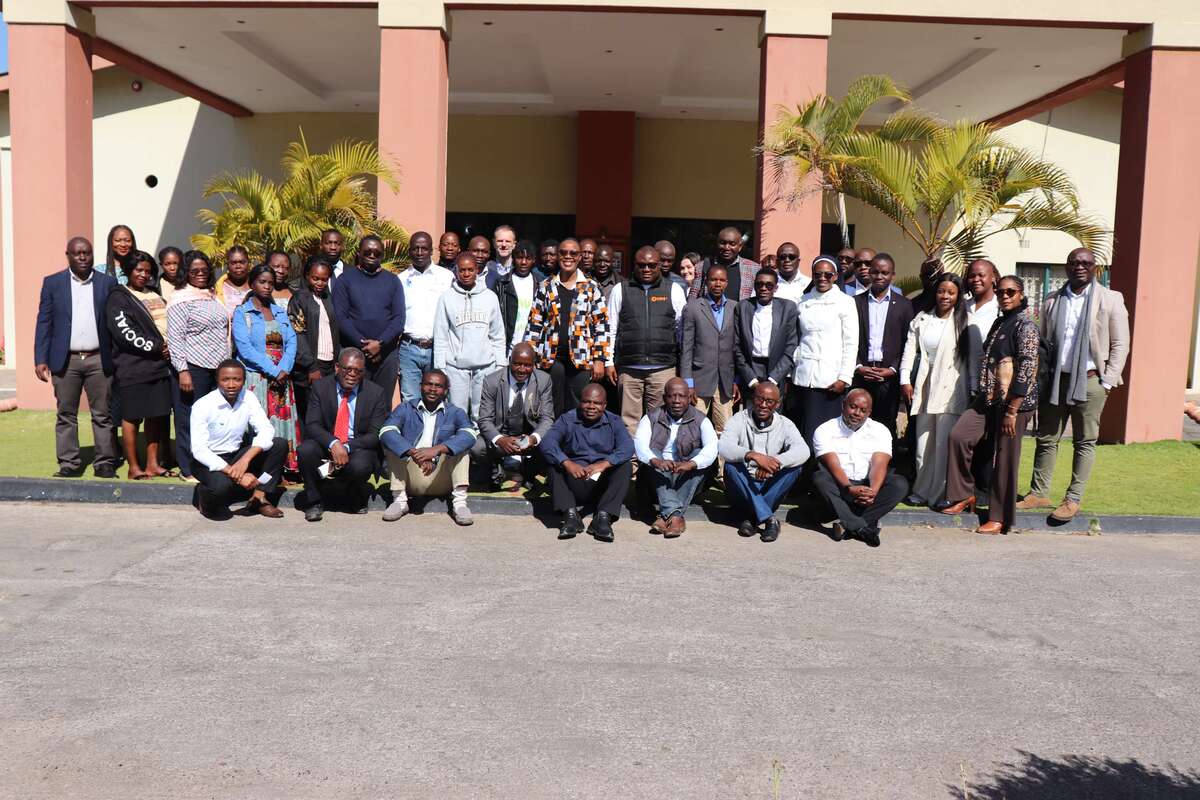
With support from Misereor, Scotish Catholic International Aid Fund (SCIAF) and the Norwegian Church Aid and Danish Church Aid Act-Alliance, the Jesuit Centre for Theological Reflection (JCTR), in partnership with the Ministry of Green Economy and Environment (MGEE) and various stakeholders, successfully convened the Second National Summit on Climate Change Adaptation and Environmental Management under the theme: “Strengthening Community Resilience through Inclusive Climate Change Adaptation and Sustainable Environmental Management in Zambia.”
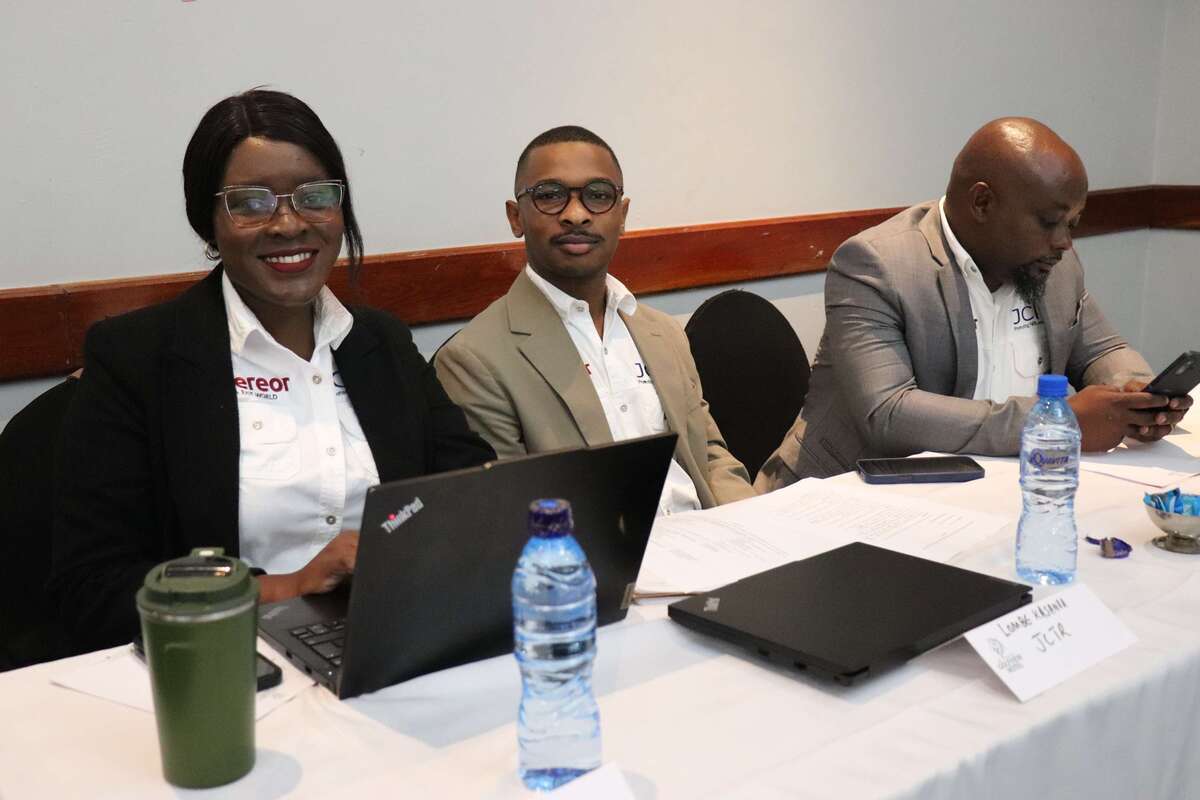
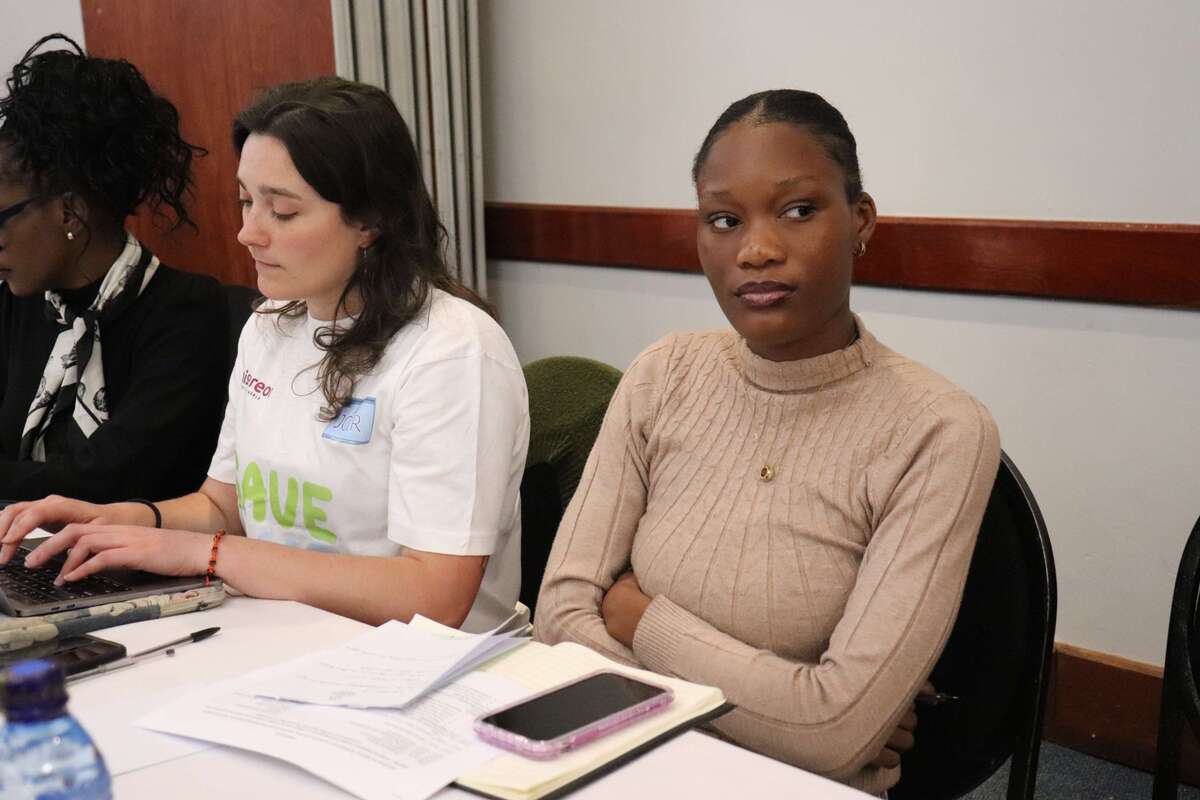
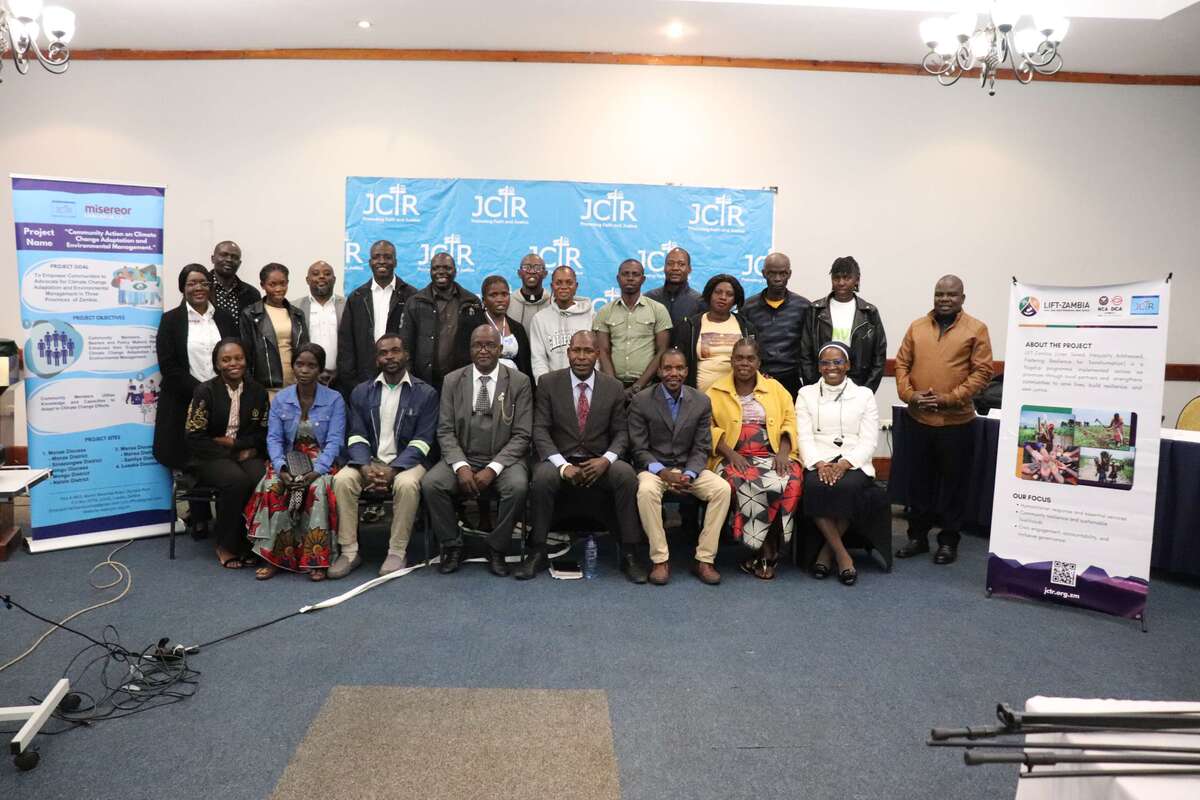
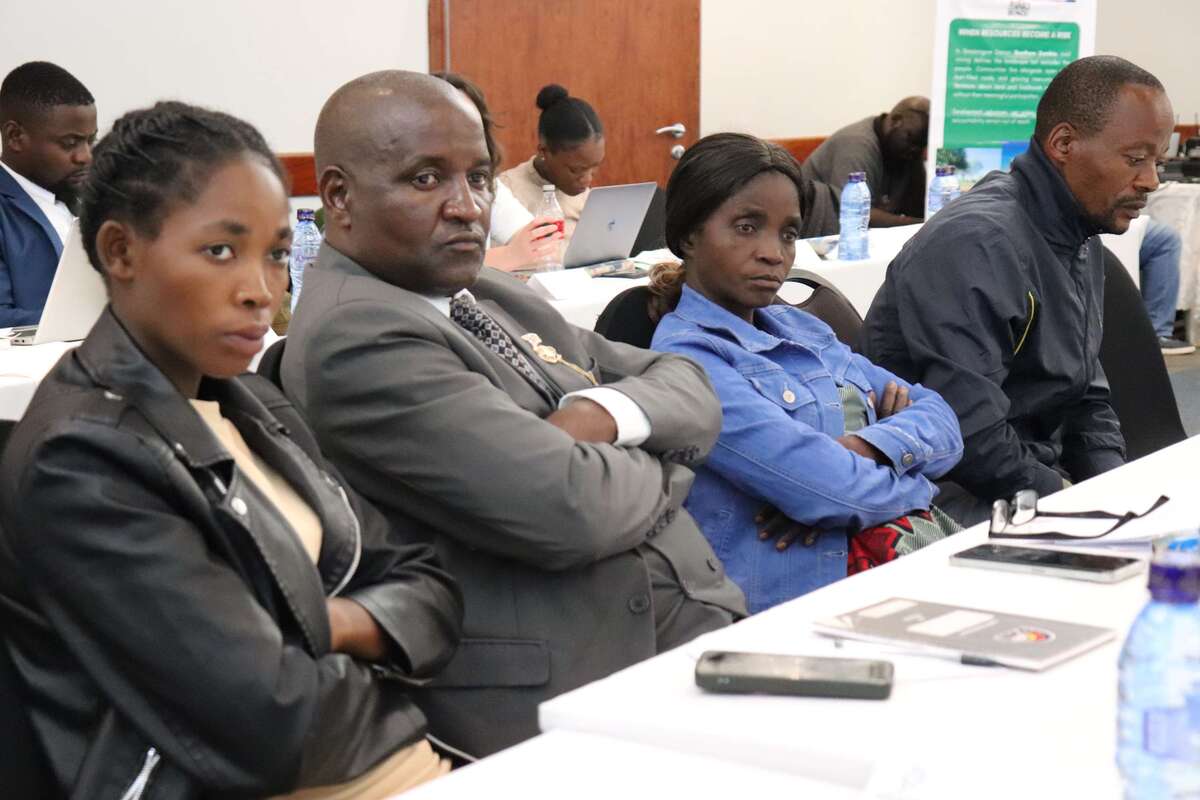
The summit brought together government officials, civil society organisations, cooperating partners, academia, traditional leaders, private sector representatives, youth groups, women’s organisations, and community representatives to deliberate on practical solutions for addressing the growing impacts of climate change and environmental degradation in Zambia.
Climate Change: A Present-Day Reality
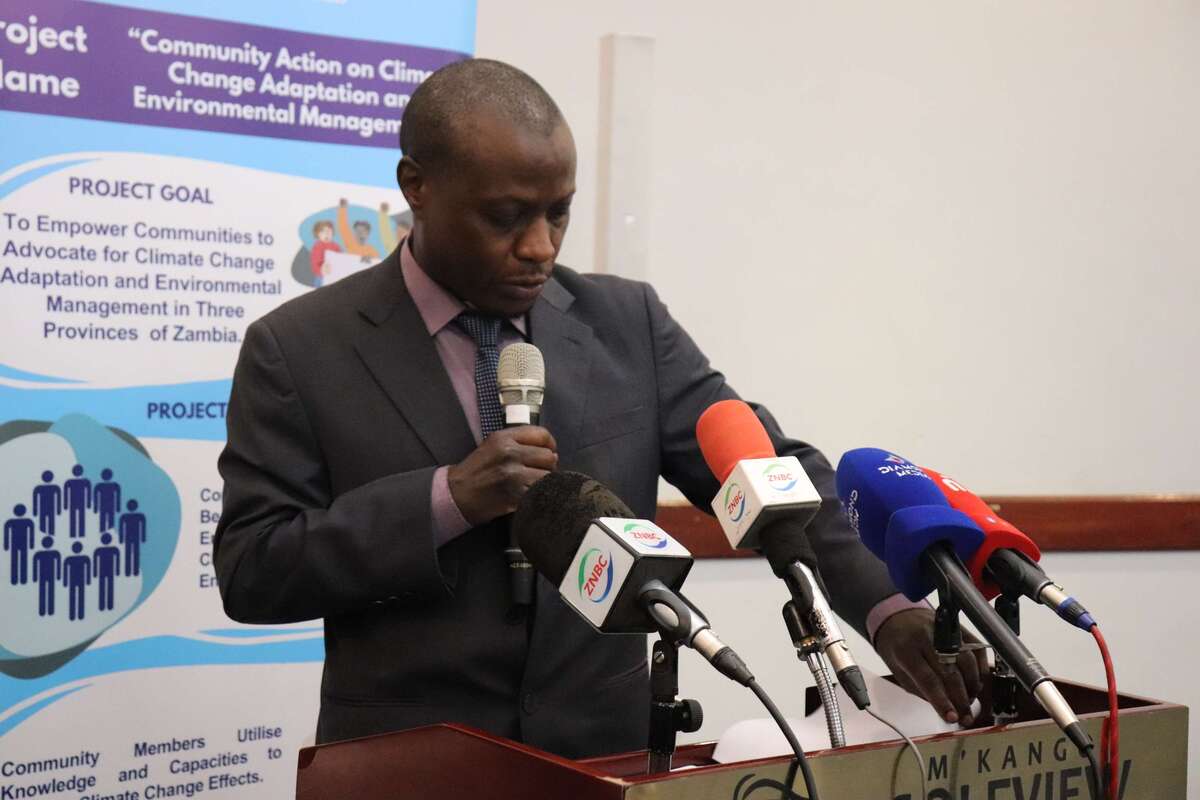
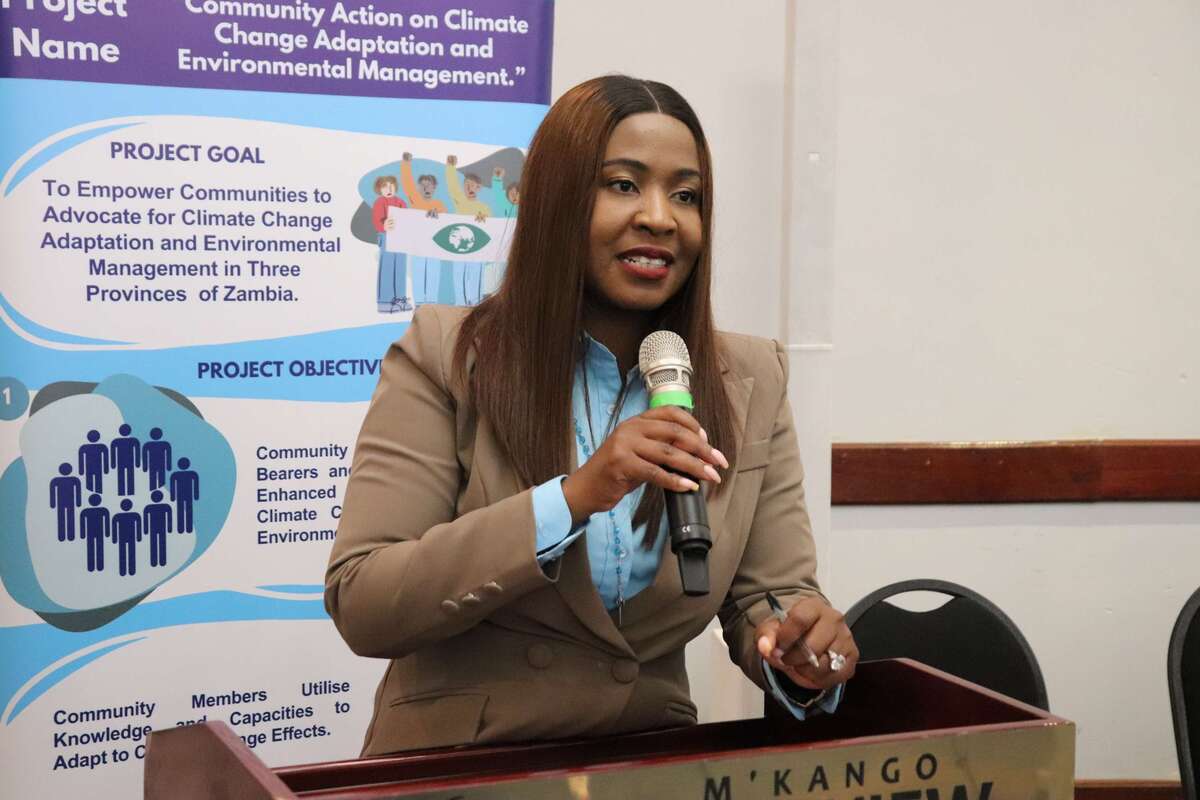
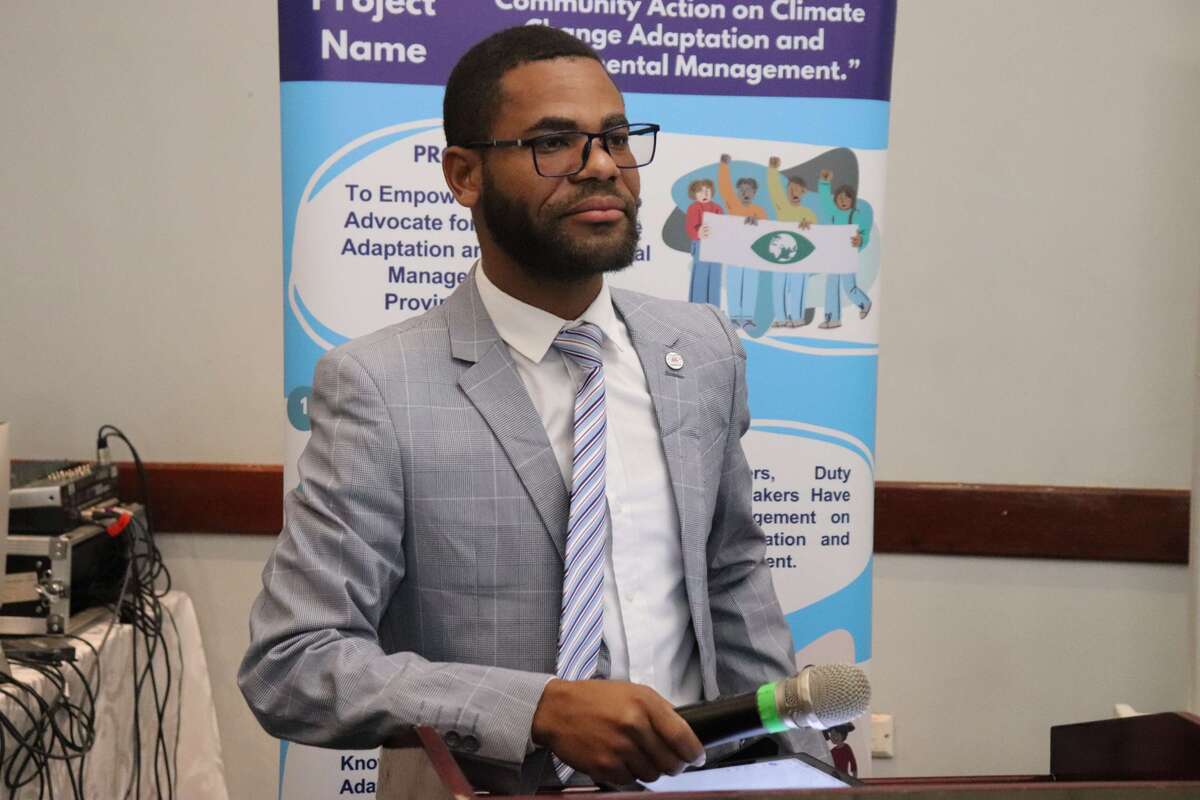
Officially opening the summit on behalf of the Ministry of Green Economy and Environment, Mr. Herrick Mwewa, Principal Officer for Climate Change, emphasised that climate change is no longer a distant concern but a lived reality affecting communities across the country.
He noted that Zambia continues to experience prolonged droughts, flash floods, erratic rainfall patterns, rising temperatures, deforestation, land degradation, biodiversity loss, and declining agricultural productivity. These challenges threaten food security, water resources, energy generation, public health, and economic development.
Reflecting on the severe drought experienced during the 2023/2024 agricultural season, Mr. Mwewa highlighted the devastating impact on farming communities, livestock production, and hydroelectric power generation, underscoring the urgent need for enhanced climate resilience and adaptation measures.
He reaffirmed Government’s commitment to advancing climate action through the Eighth National Development Plan and Zambia’s international climate obligations, while stressing the importance of accelerating implementation through increased climate financing, resilient infrastructure development, and community-focused adaptation interventions.
Communities Must Be at the Centre
In his welcome remarks, JCTR Executive Director, Fr. Daniel Mwamba Mutale, SJ, described climate change as both an environmental and social justice issue.
He emphasised that vulnerable communities, particularly those dependent on agriculture, forests, water resources, and ecosystem services, continue to bear the greatest burden of climate-related disasters and environmental degradation.
Fr. Mutale called for people-centred and inclusive climate action that prioritises the needs of poor and marginalised communities, women, youth, and future generations.
“This summit provides an important platform for learning, dialogue and collective action,” he said. “Effective climate adaptation requires the contribution of all sectors of society.”
He further encouraged participants to move beyond identifying challenges and focus on forging partnerships and practical solutions that strengthen resilience, protect natural resources, and contribute to Zambia’s sustainable development aspirations.
Amplifying Community Voices
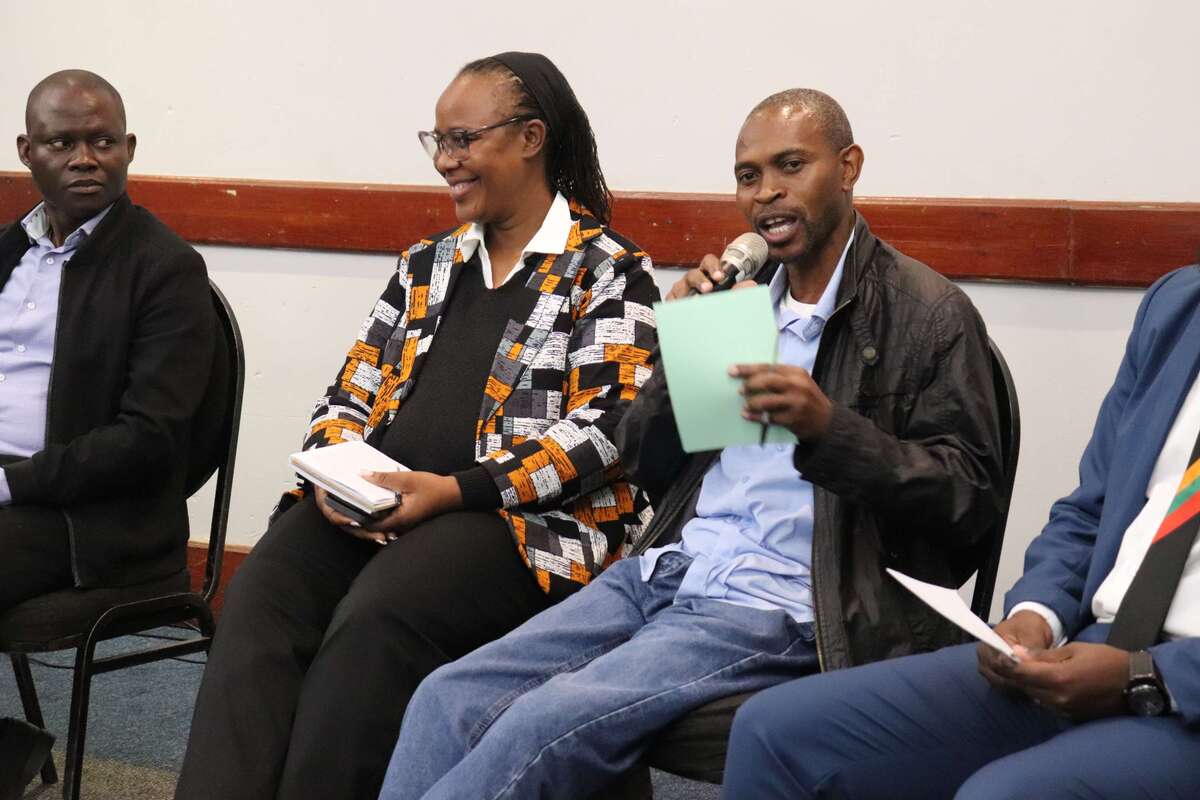
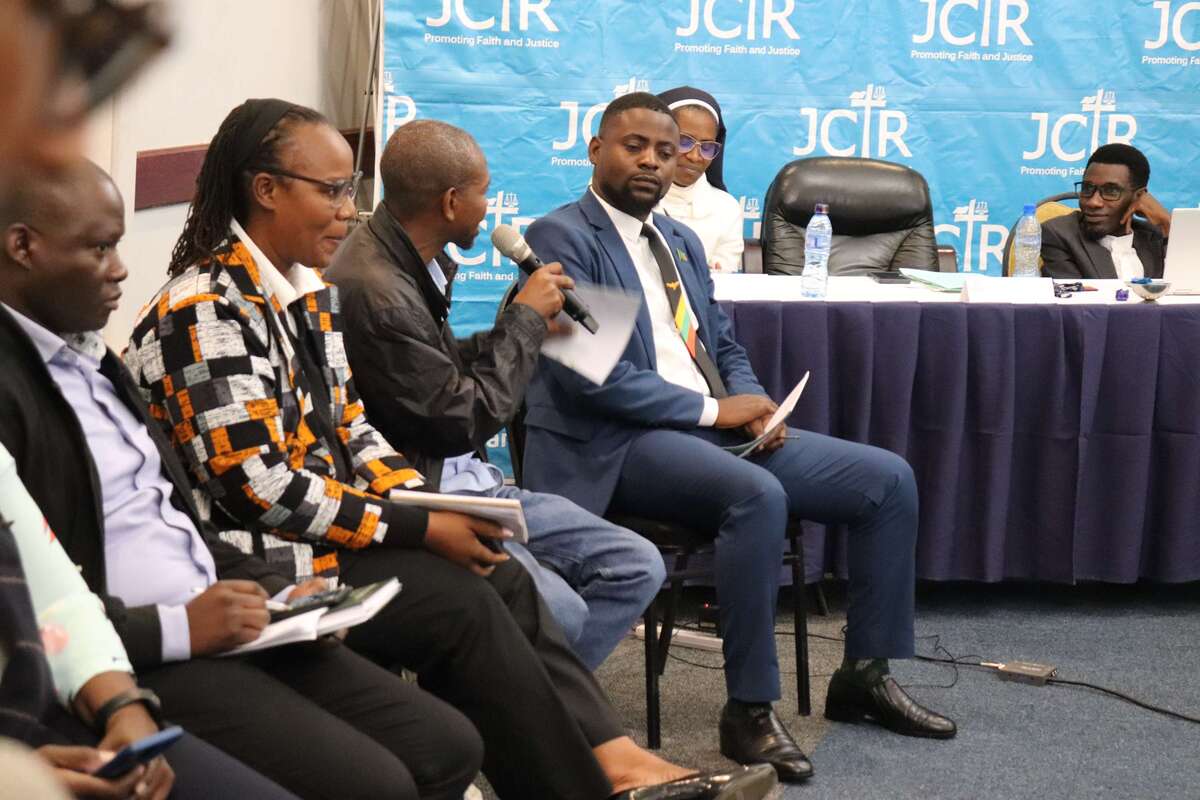
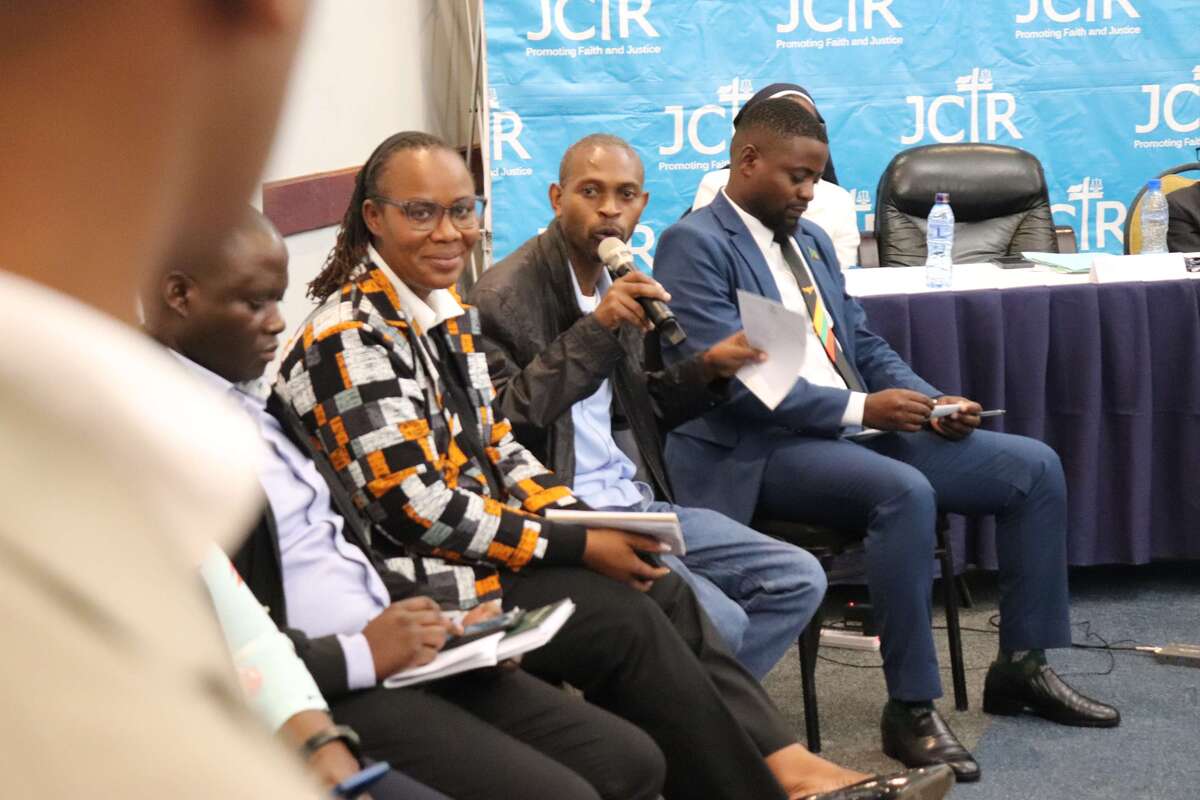
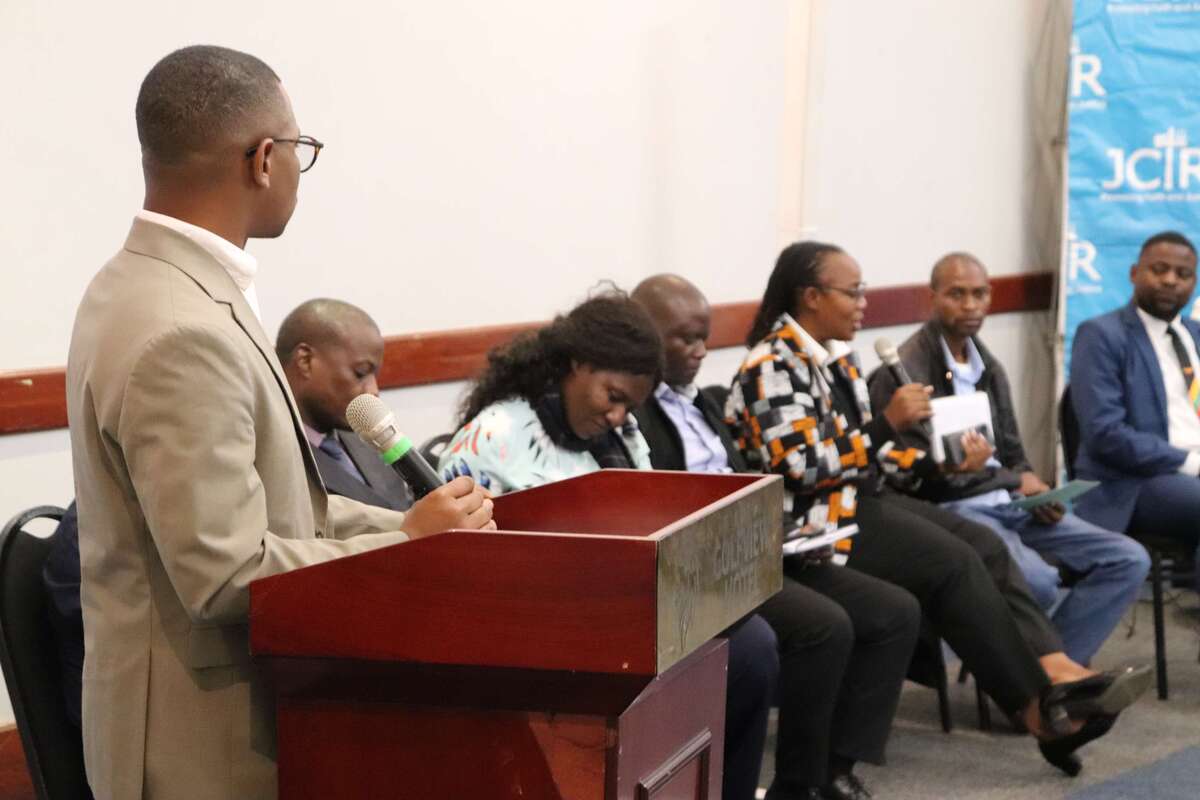
One of the highlights of the summit was a dedicated session featuring experiences and testimonies from communities within JCTR project areas. Participants shared firsthand accounts of how climate change has affected livelihoods, food production, water availability, and community wellbeing.
The session reinforced the importance of ensuring that local experiences and indigenous knowledge inform policy decisions and climate adaptation strategies.
Multi-Stakeholder Dialogue on Climate and Environmental Challenges
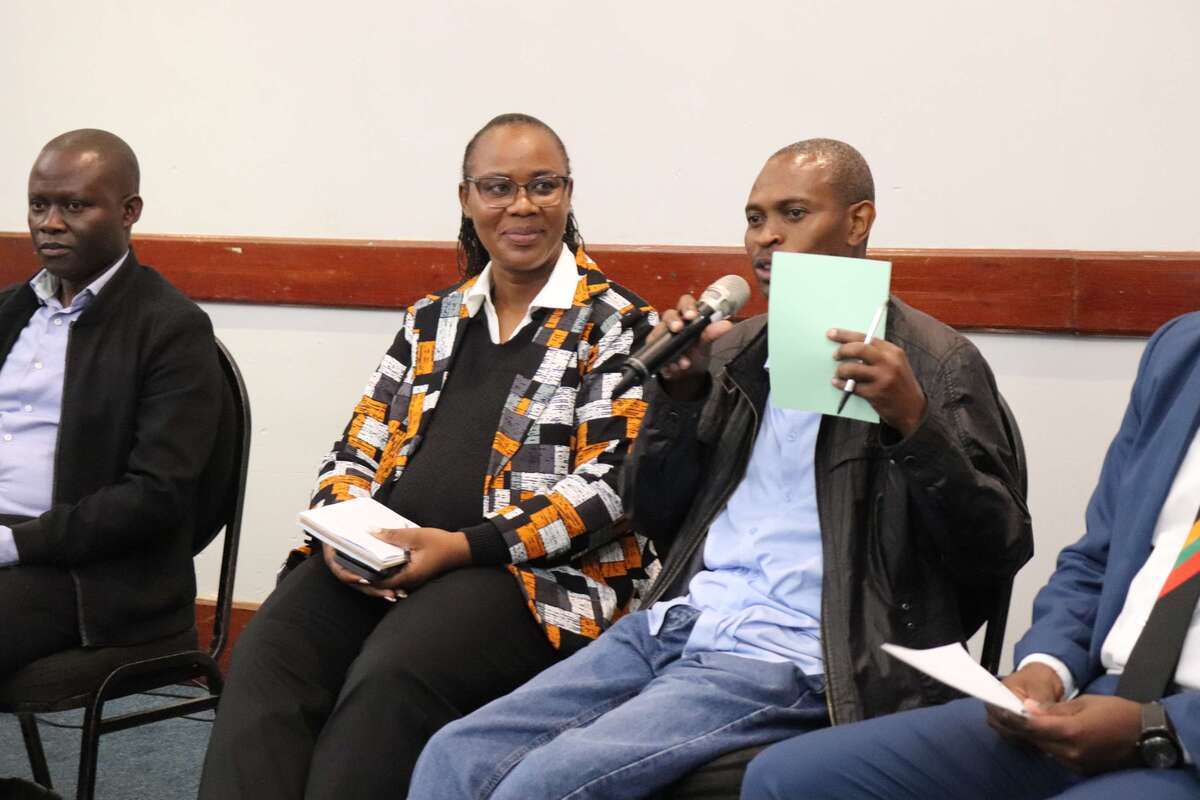
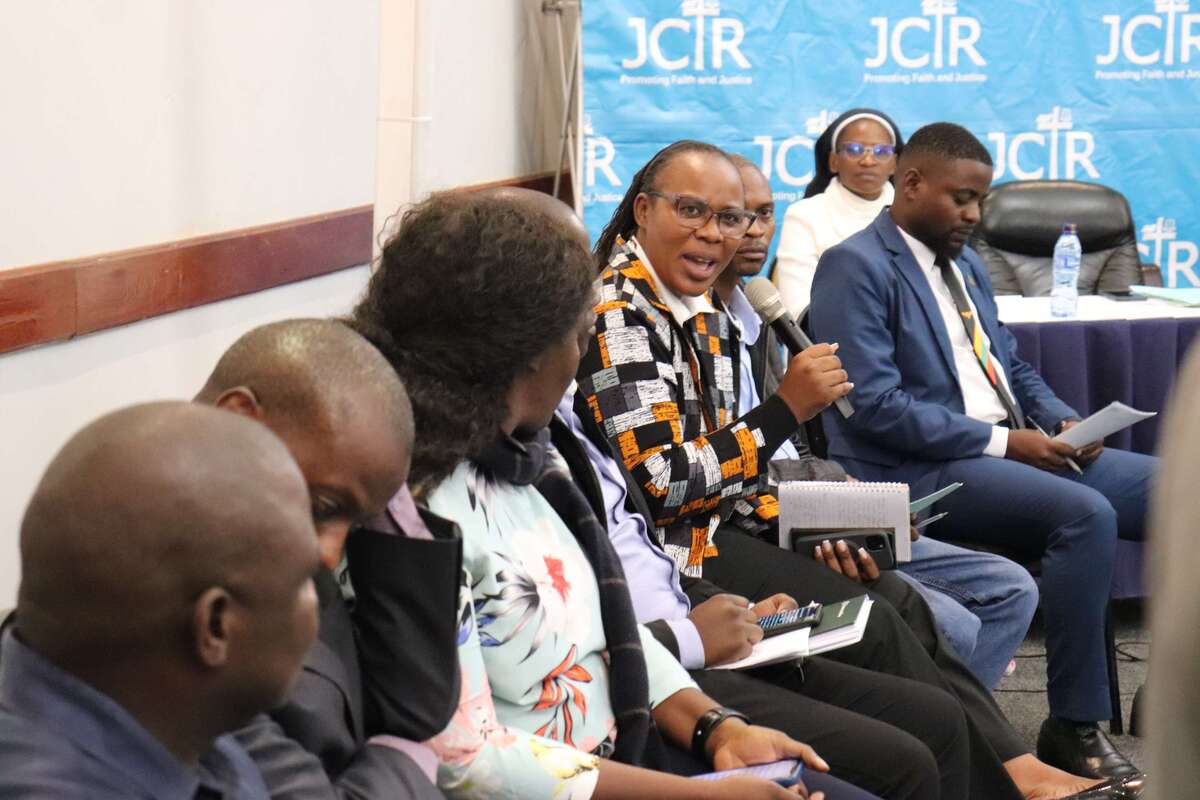
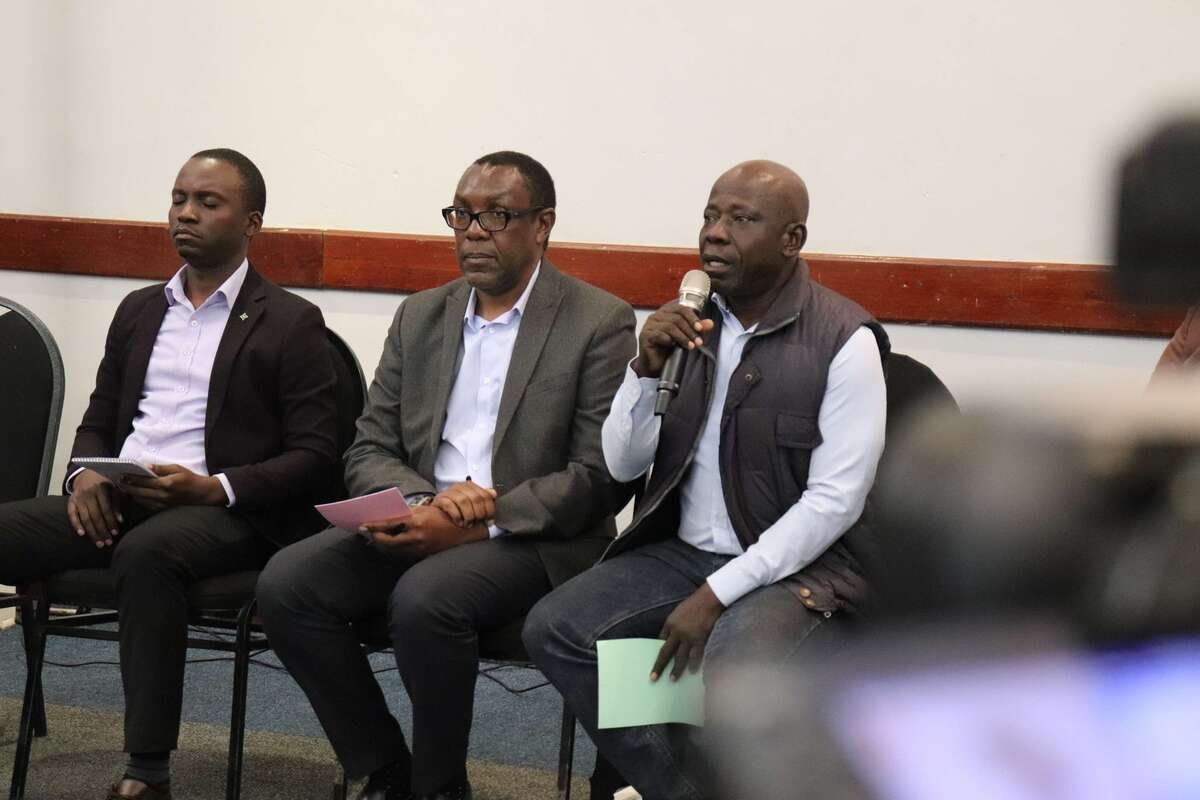
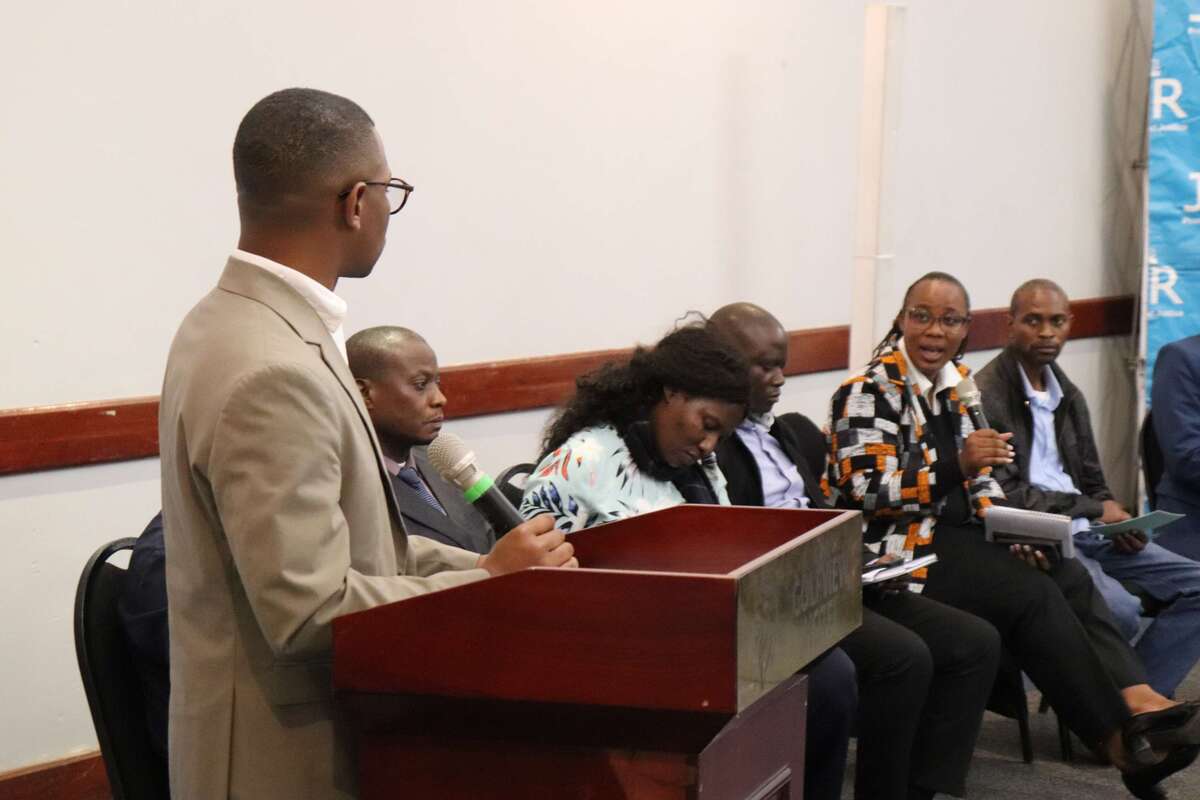
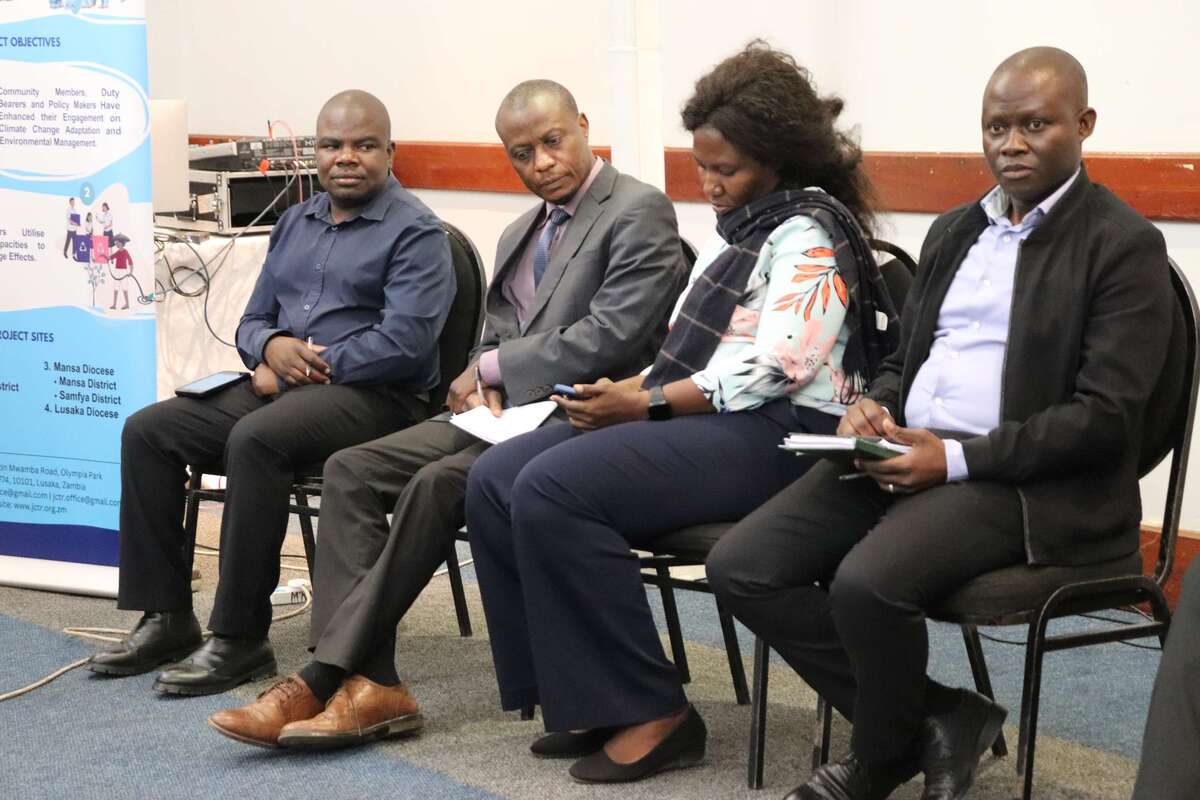
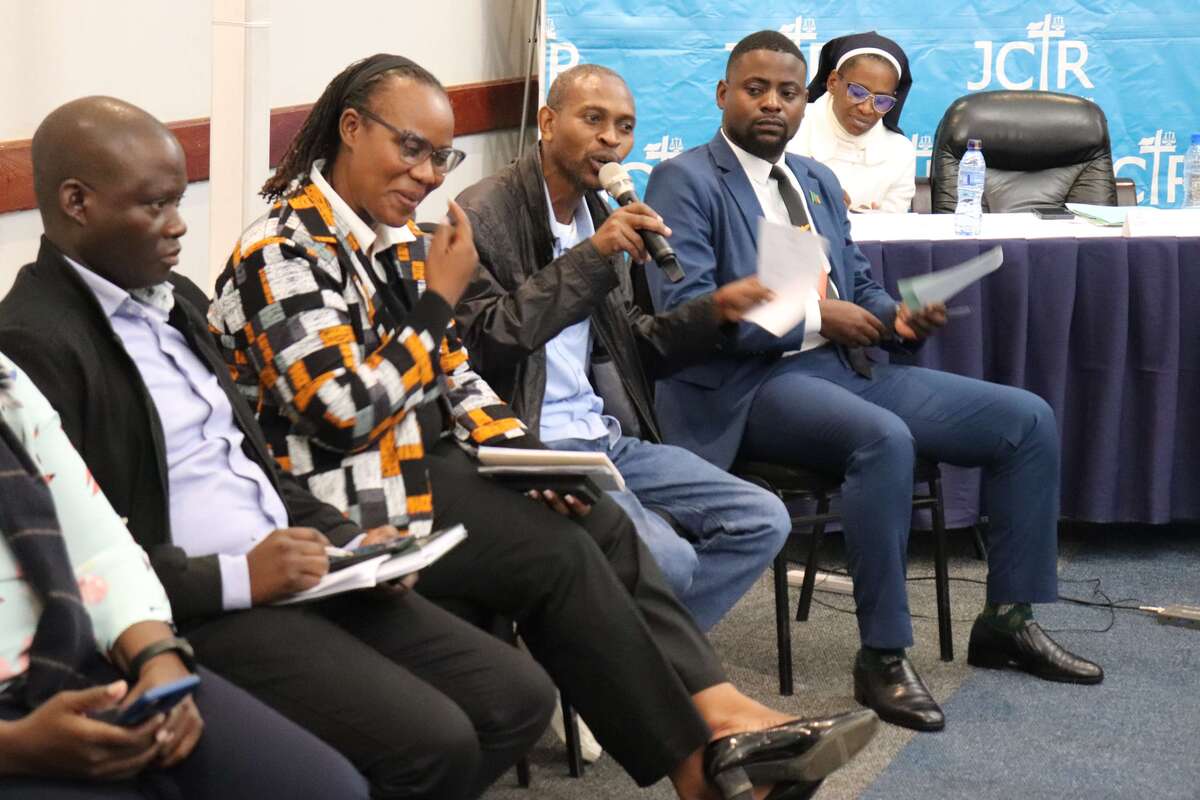
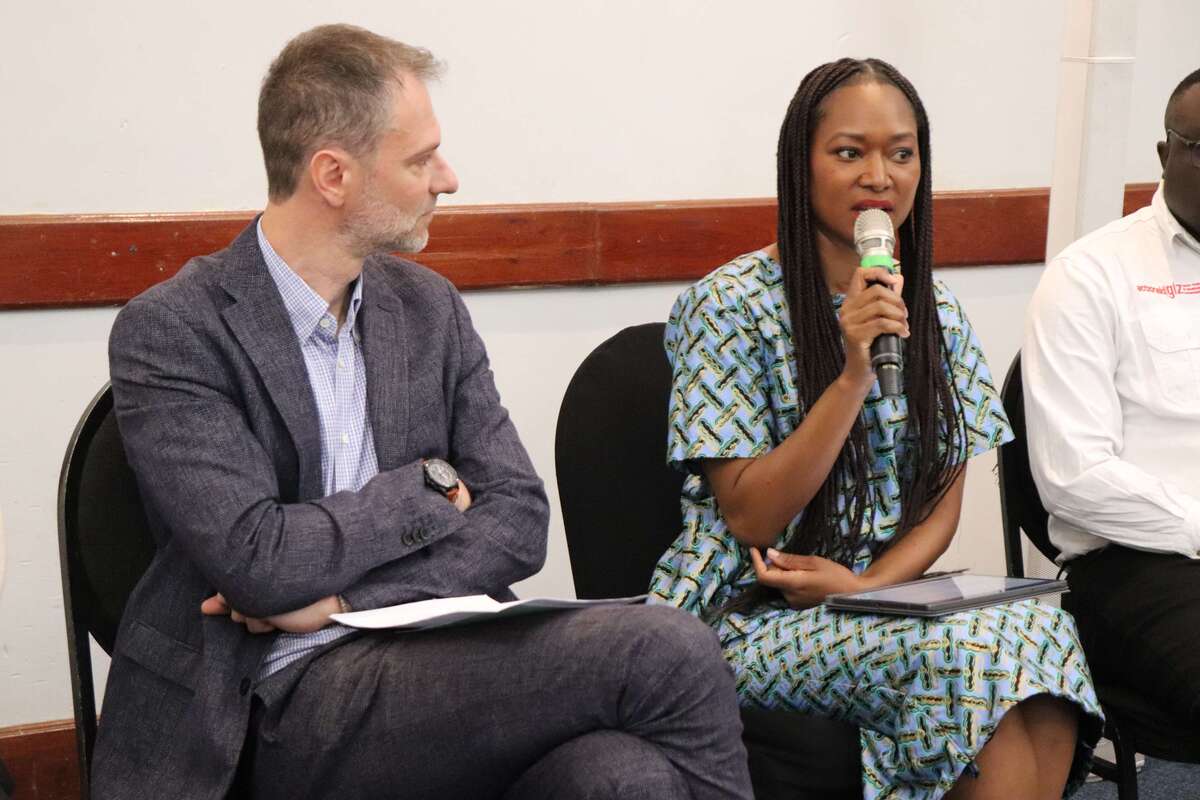
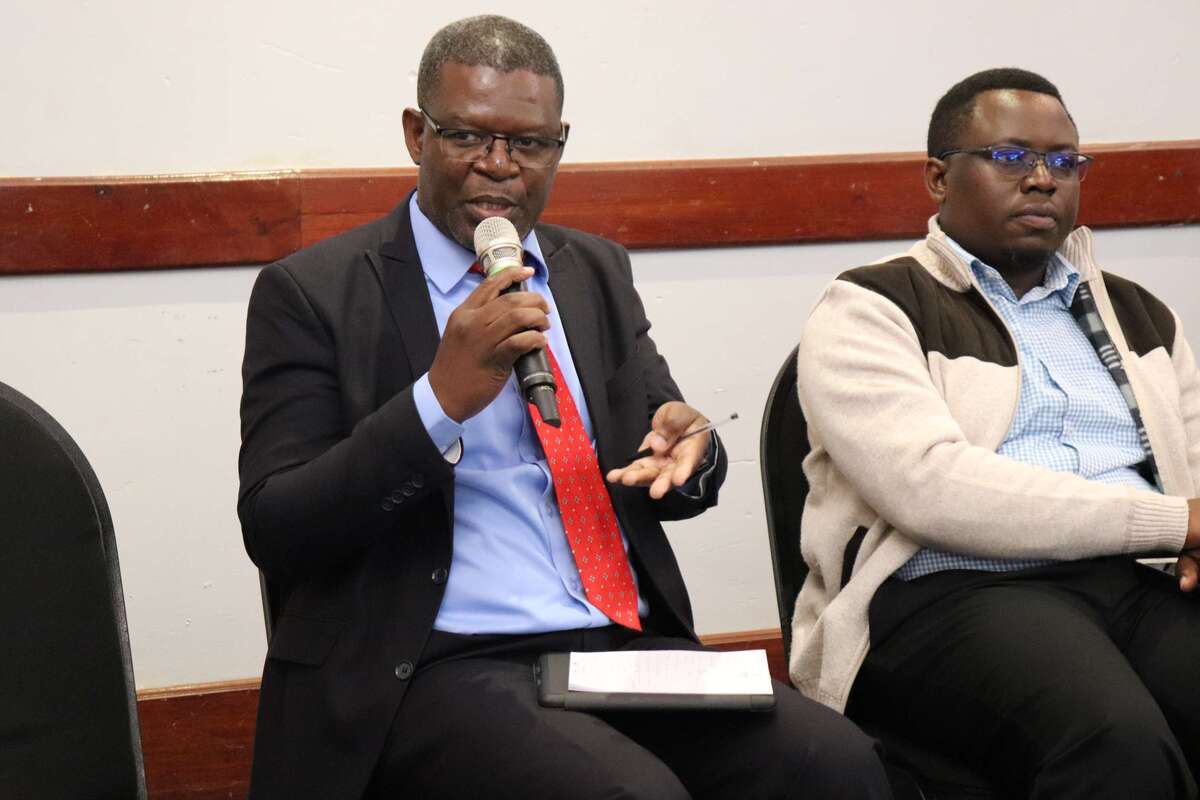
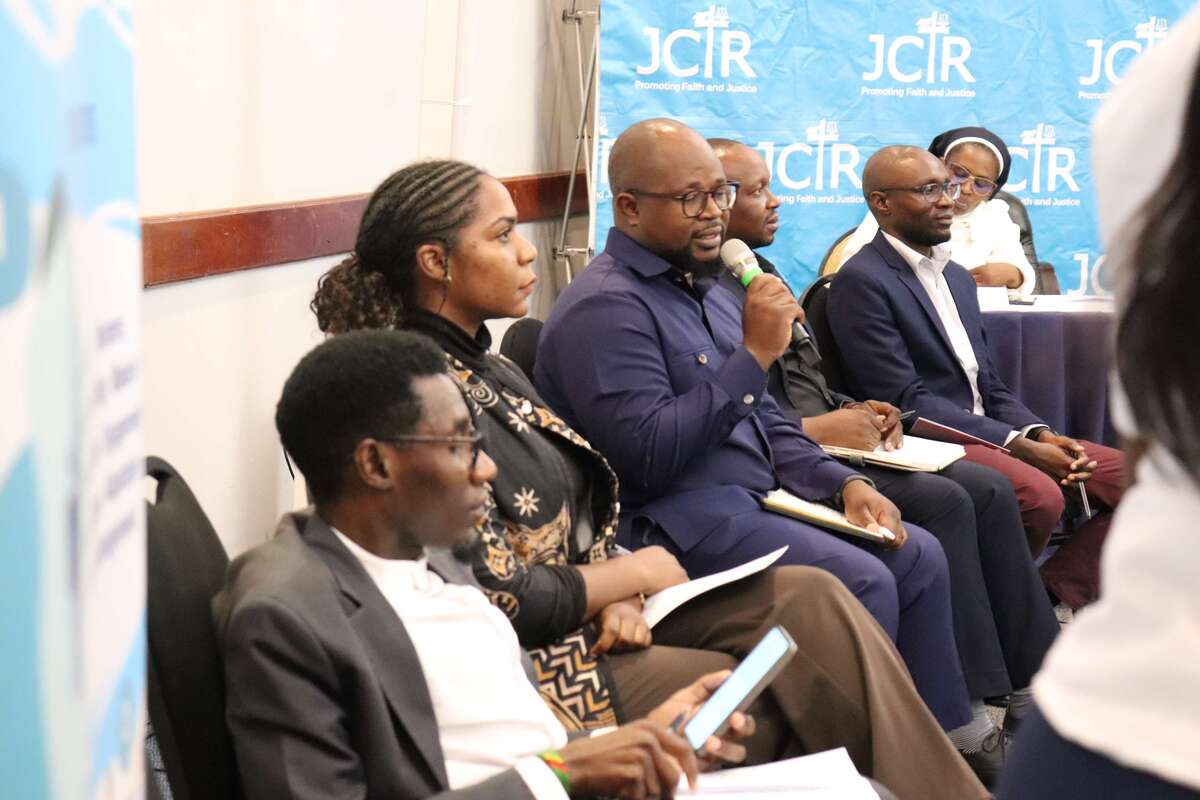
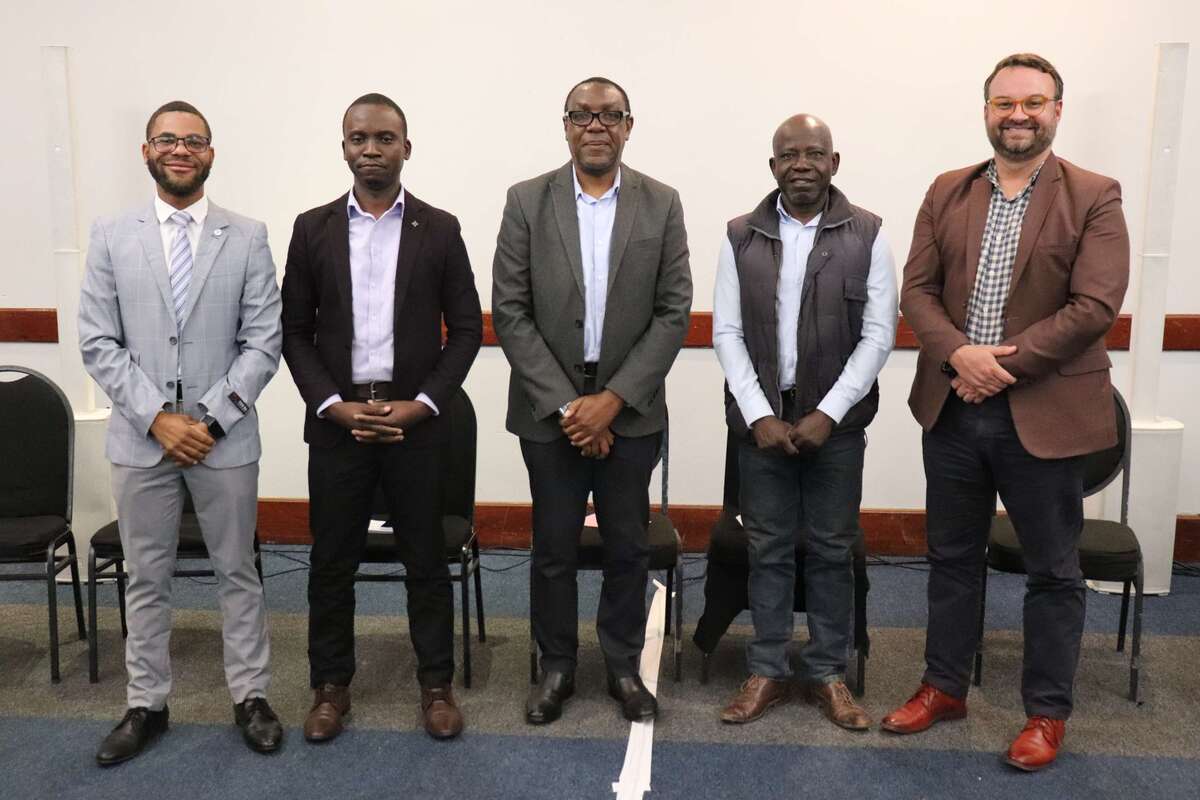
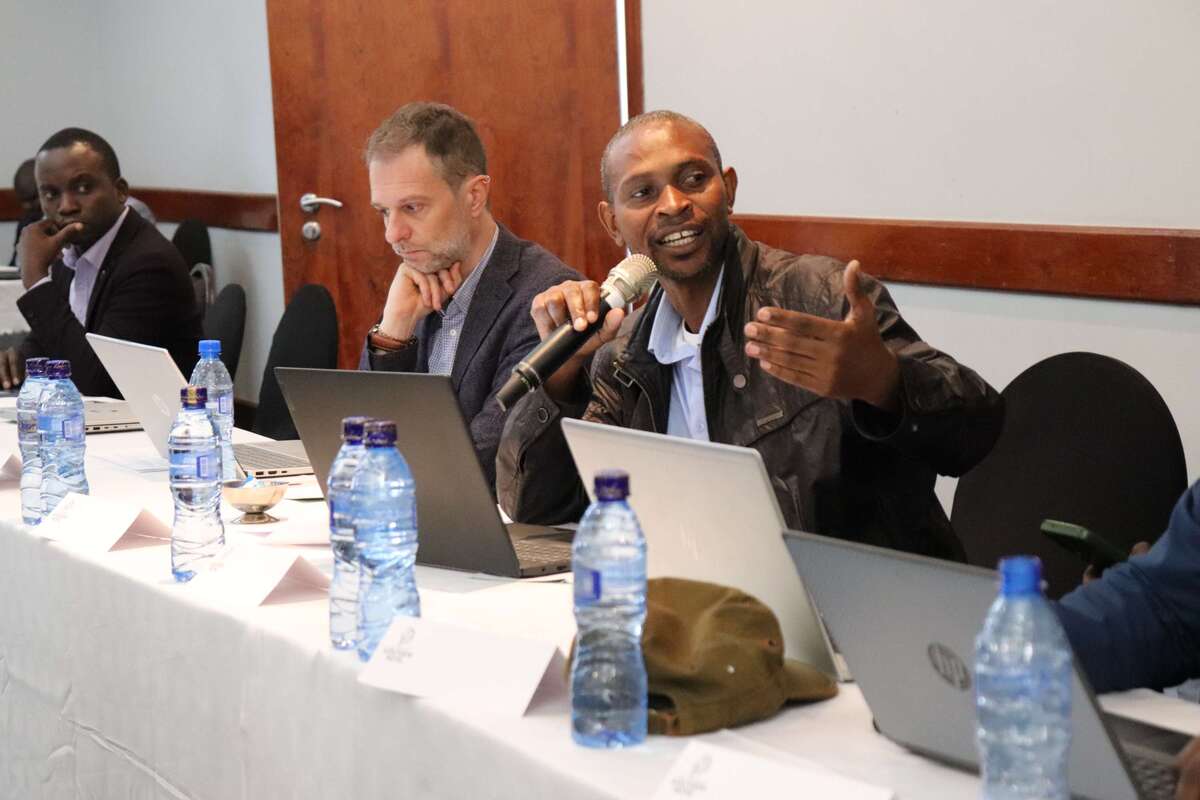
The summit featured four thematic panel discussions addressing key dimensions of climate resilience and environmental sustainability.
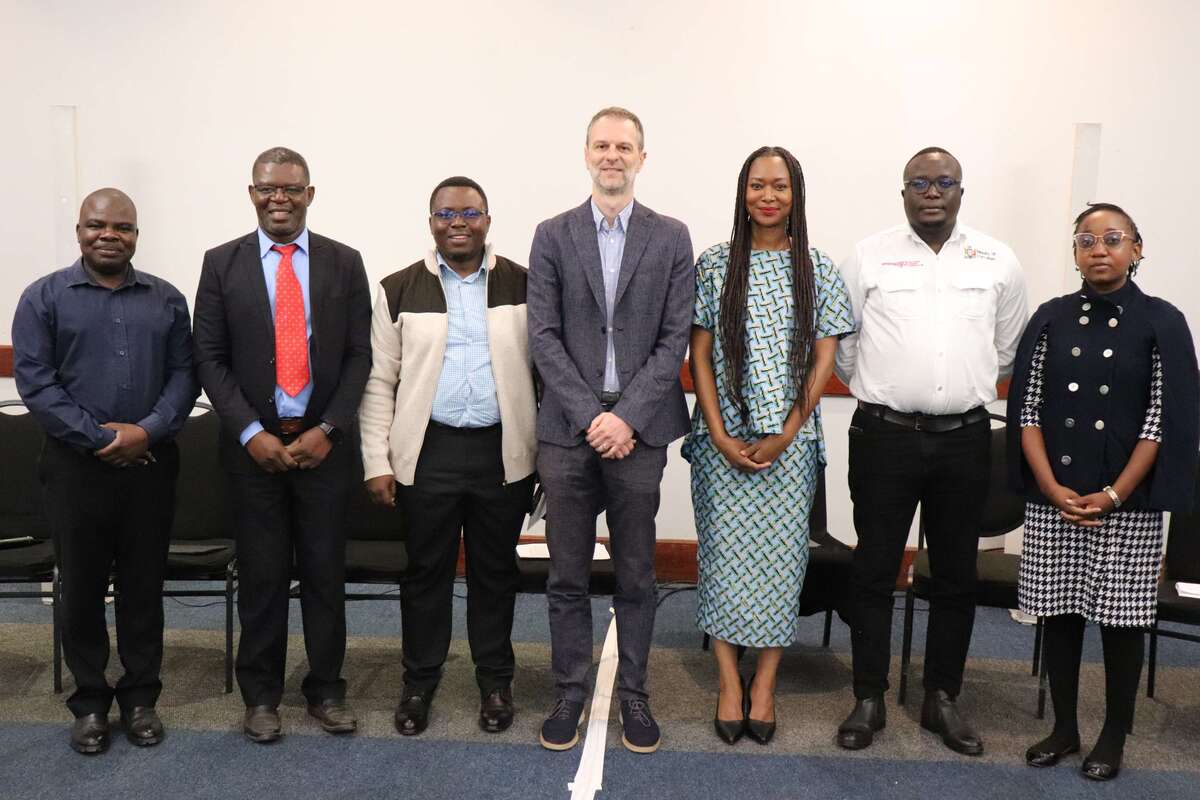
The first panel focused on Key Climate Change Challenges Affecting Zambia, bringing together experts from the Ministry of Green Economy and Environment, Zambia Meteorological Department, WWF Zambia, Zambia Climate Change Network (ZCCN), Civil Society for Poverty Reduction (CSPR), and JCTR.
Discussions centred on climate risks facing Zambia, the need for improved climate information services, and strategies for strengthening national and community-level adaptation efforts.
A second panel explored Environmental Management and Natural Resource Governance, examining sustainable approaches to managing forests, land, water resources, and biodiversity. Panellists from ZEMA, Centre for Environment Justice (CEJ), UNDP, ActionAid, Blue Mantle Insights, Czech Development Agency, and the University of Zambia highlighted the importance of effective environmental governance and community participation.
The third panel addressed Financing Climate Adaptation and Strengthening Local Resilience, with contributions from Government, Norwegian Church Aid Zambia, People in Need, CTPD, and ZIPAR. Discussions focused on increasing access to climate finance, strengthening local adaptation initiatives, and ensuring that vulnerable communities benefit from available resources.
The final panel examined Advancing Agroecology for Climate Resilience, Food Security and Sustainable Livelihoods in Zambia. Representatives from the Ministry of Agriculture, Zambia Alliance for Agroecology and Biodiversity (ZAAB), PELUM Zambia, Kasisi Agricultural Training Centre (KATC), FAO, ZNFU, and JCTR discussed sustainable agricultural practices capable of improving food security while protecting ecosystems.
Inclusion as a Foundation for Resilience
Throughout the summit, speakers repeatedly stressed that effective climate adaptation must be inclusive and responsive to the needs of all members of society.
Particular attention was given to the role of women, youth, persons with disabilities, and traditional leaders in climate action. Participants noted that while these groups are often disproportionately affected by climate change, they also possess significant potential to drive innovation, community mobilisation, and sustainable environmental stewardship.
The summit also highlighted opportunities for the private sector to contribute through green investments, renewable energy, sustainable agriculture, ecosystem restoration, and environmentally responsible business practices.
A Shared Responsibility
As discussions concluded, participants agreed that addressing climate change requires coordinated action across sectors and sustained partnerships among government institutions, civil society organisations, development partners, academia, communities, and the private sector.
The summit served as an important platform for knowledge sharing, collaboration, and commitment-building, with participants calling for practical and measurable actions that strengthen community resilience, protect ecosystems, improve food and water security, and create sustainable livelihoods.
The recommendations emerging from the summit are expected to contribute to ongoing policy discussions and inform future climate adaptation and environmental management initiatives in Zambia.
Through continued collaboration and collective action, stakeholders reaffirmed their commitment to building a climate-resilient and environmentally sustainable Zambia for present and future generations.












"A just Zambian society guided by faith, where everyone enjoys the fullness of life".