
August 14, 2026
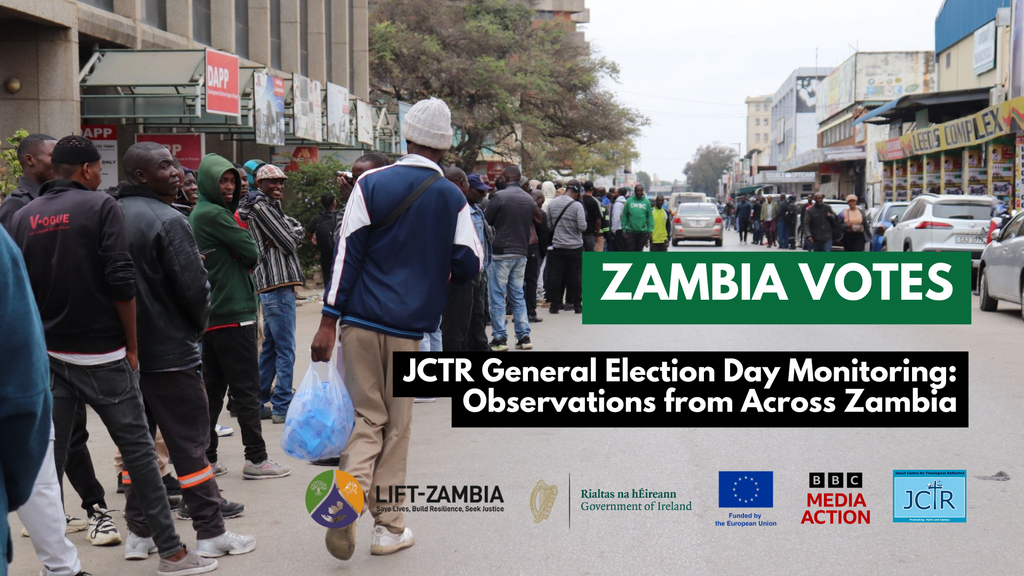
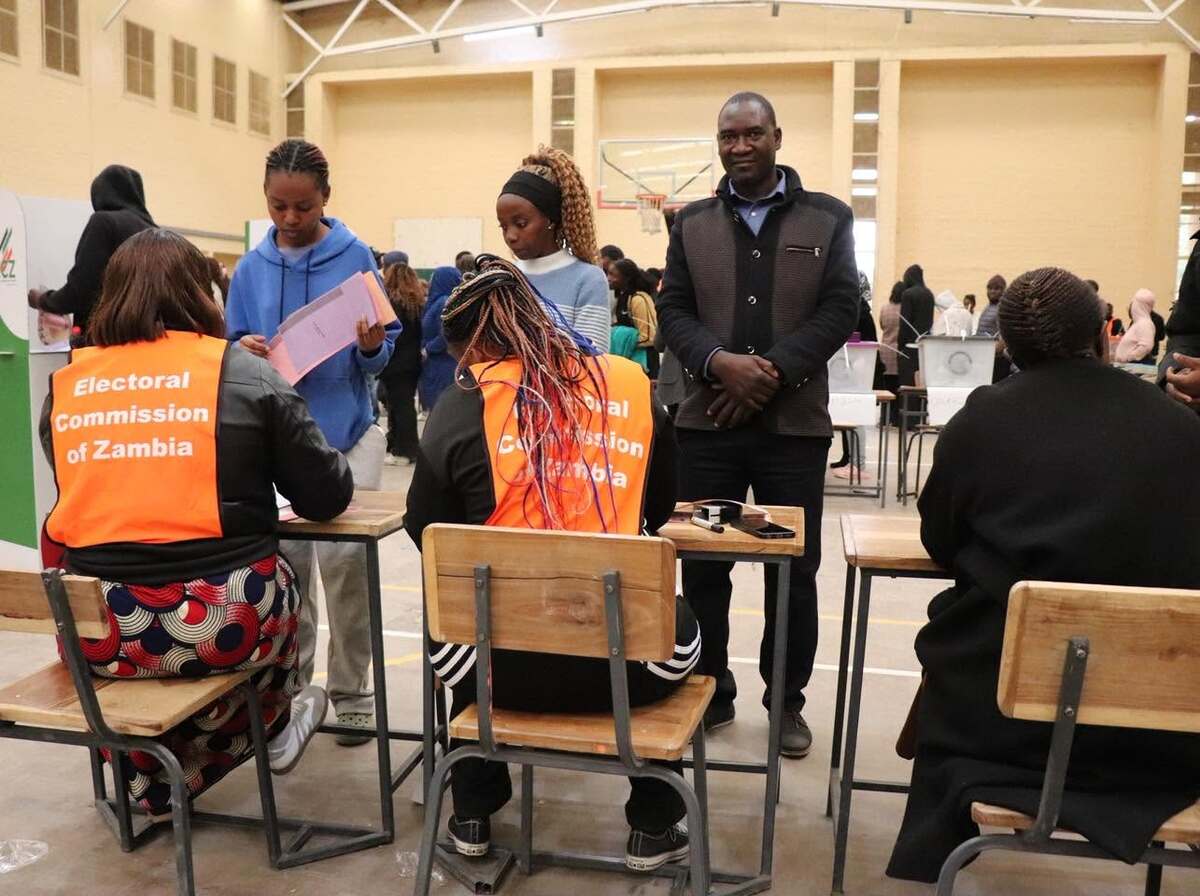
On 13 August 2026, Zambians went to the polls to elect their representatives in the 2026 General Elections. The Jesuit Centre for Theological Reflection (JCTR), through its Citizens’ Voice Project, deployed monitors across key locations to observe the electoral process, document developments at polling stations, and promote peaceful and orderly participation.
JCTR monitored the elections in Lusaka, Lundazi, Mongu, Kasama, Livingstone, Kitwe, Ndola, Katete, Mansa, Chipata and at the National Results Centre, providing a broad picture of how polling unfolded across different parts of the country.
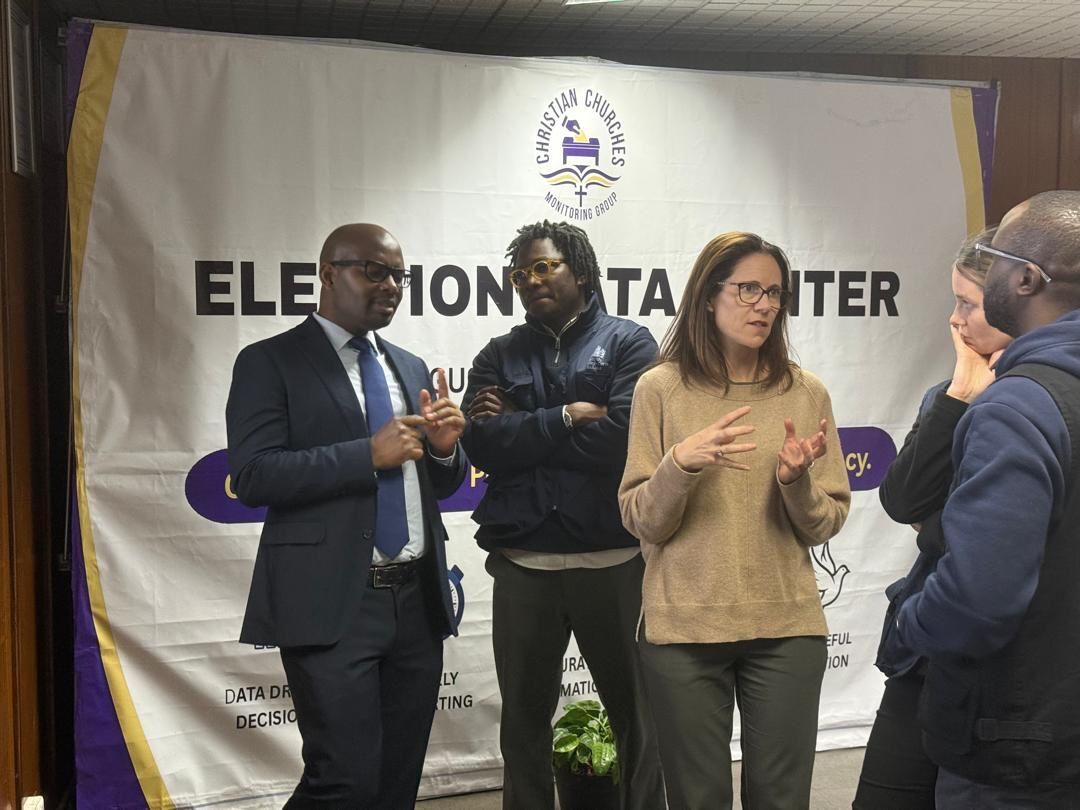
Our monitoring focused on polling station opening, voter participation, the administration of the vote, emerging incidents, and the conduct of the process. JCTR also monitored developments at tallying centres, including the CCMG Data Centre, where Parallel Vote Tabulation (PVT) activities were taking place.
While many polling stations opened at or shortly after the scheduled 06:00 opening time, our monitors recorded several instances where polling began later.
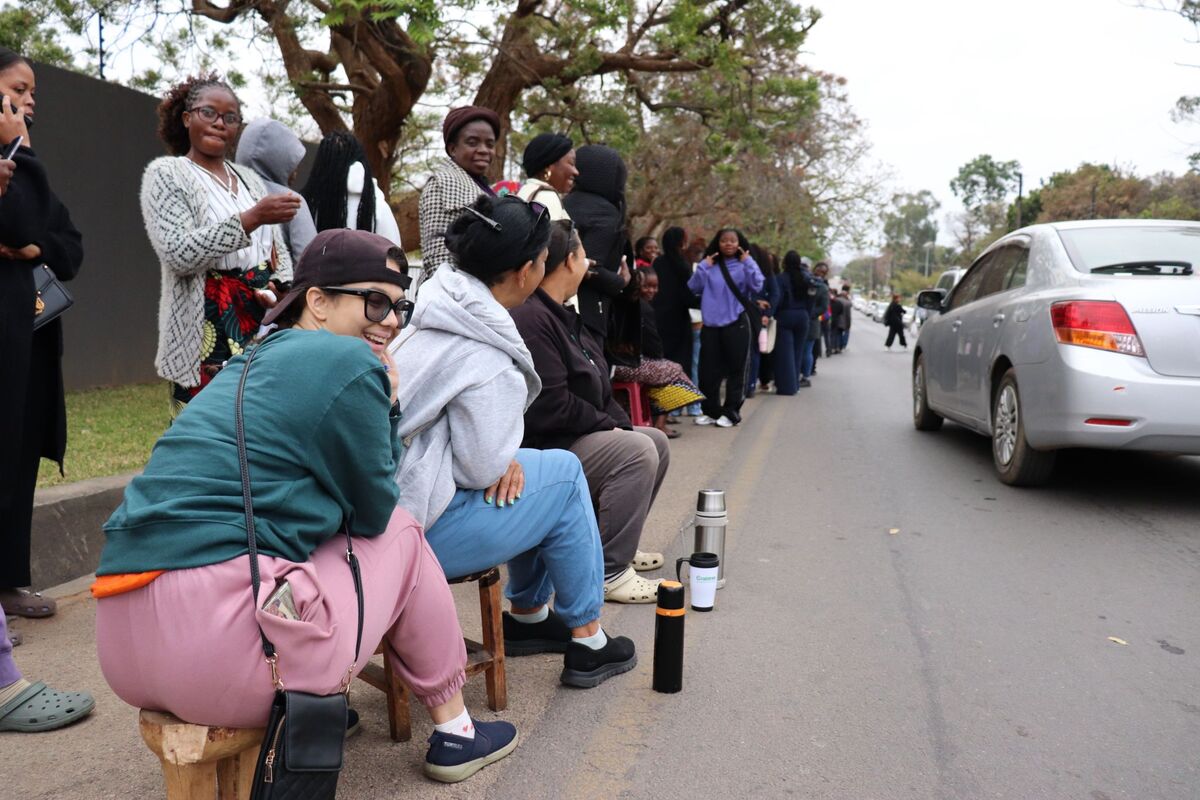
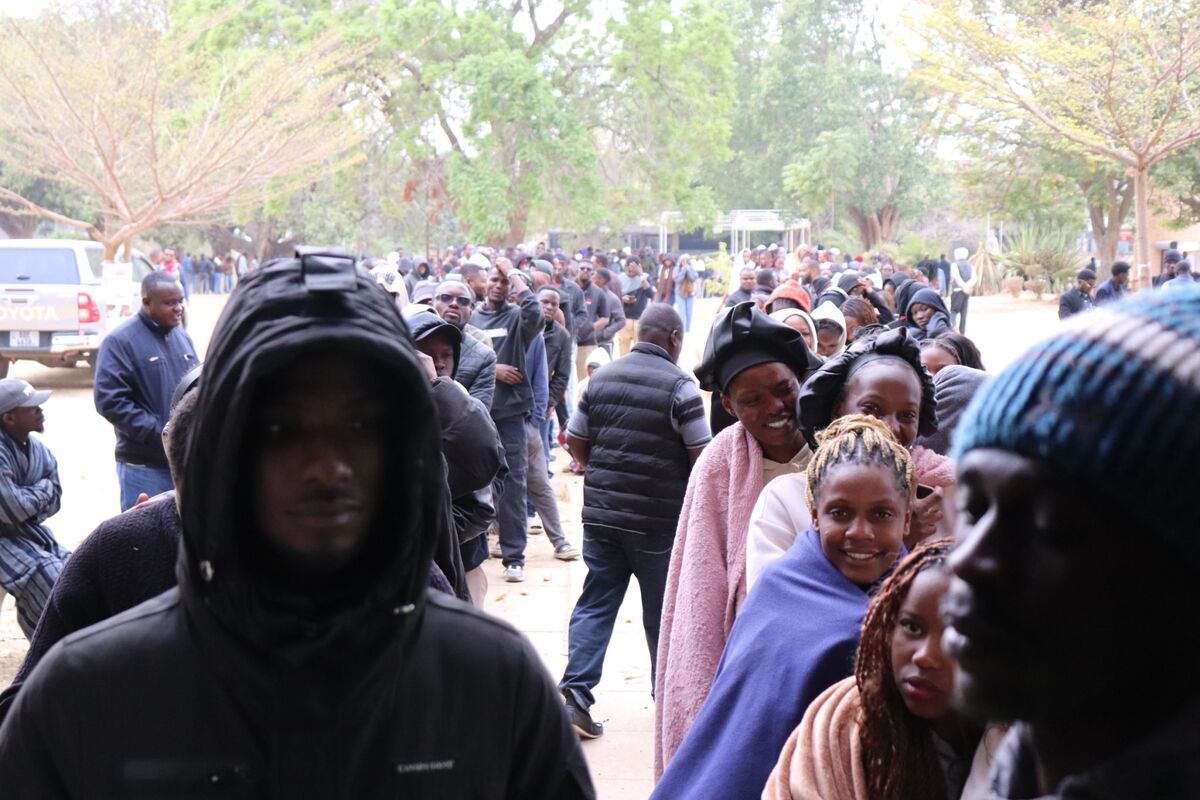
At Ndoloka Polling Station in Kasama, polling had not opened at the time of observation, with voters waiting under trees for the station to open. The Kasama District Electoral Officer explained that the driver transporting ballot materials and polling staff had lost his way but was subsequently on the way to the polling station. Ndoloka has 583 registered voters.
Other stations experienced more modest delays. At Libala Primary School in Livingstone Central Constituency, the three streams, with 812, 812 and 850 registered voters respectively, opened at approximately 06:25, with the first vote cast at 06:27.
At Kakula 1 and 2 in Kapoche Ward, Katete, polling commenced at approximately 06:30. The two stations had 700 and 652 registered voters, respectively.
At Chibondo Polling Station, which has 830 registered voters, polling opened at 06:57.
By contrast, other stations opened close to the scheduled time. Kagoro Polling Station opened at 06:04 for its 716 registered voters, while Kandiyo Polling Station opened at 06:08 with 410 registered voters. Dole Polling Station, with 723 registered voters, opened at 06:07.
At Limulunga Primary School, which had 443 registered voters, polling opened at 06:00, with the first vote cast at 06:04.
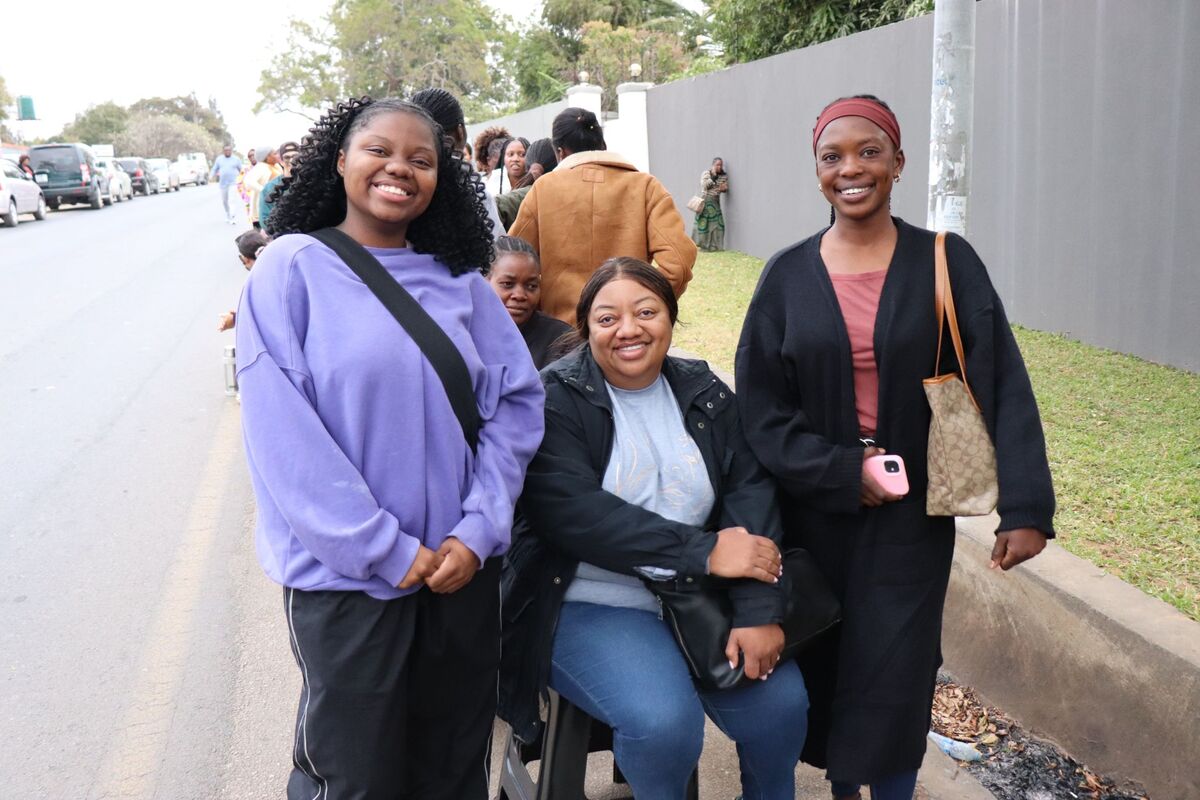
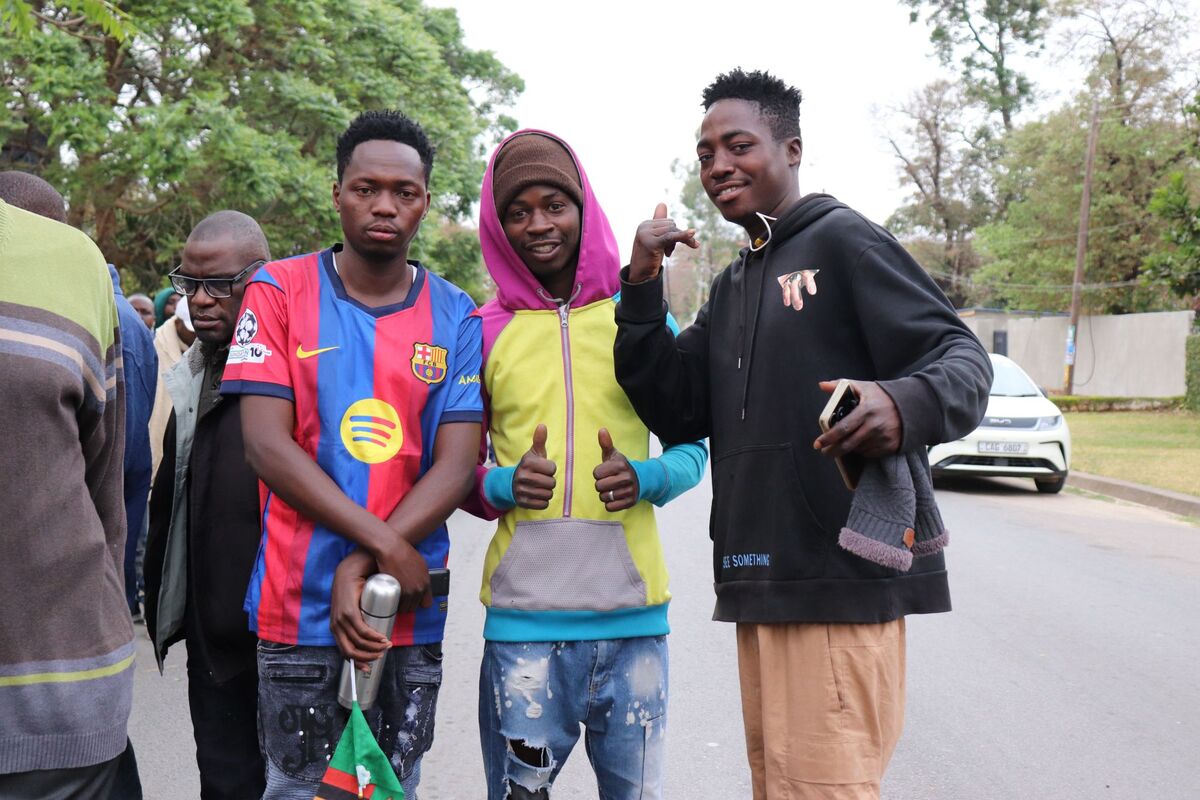
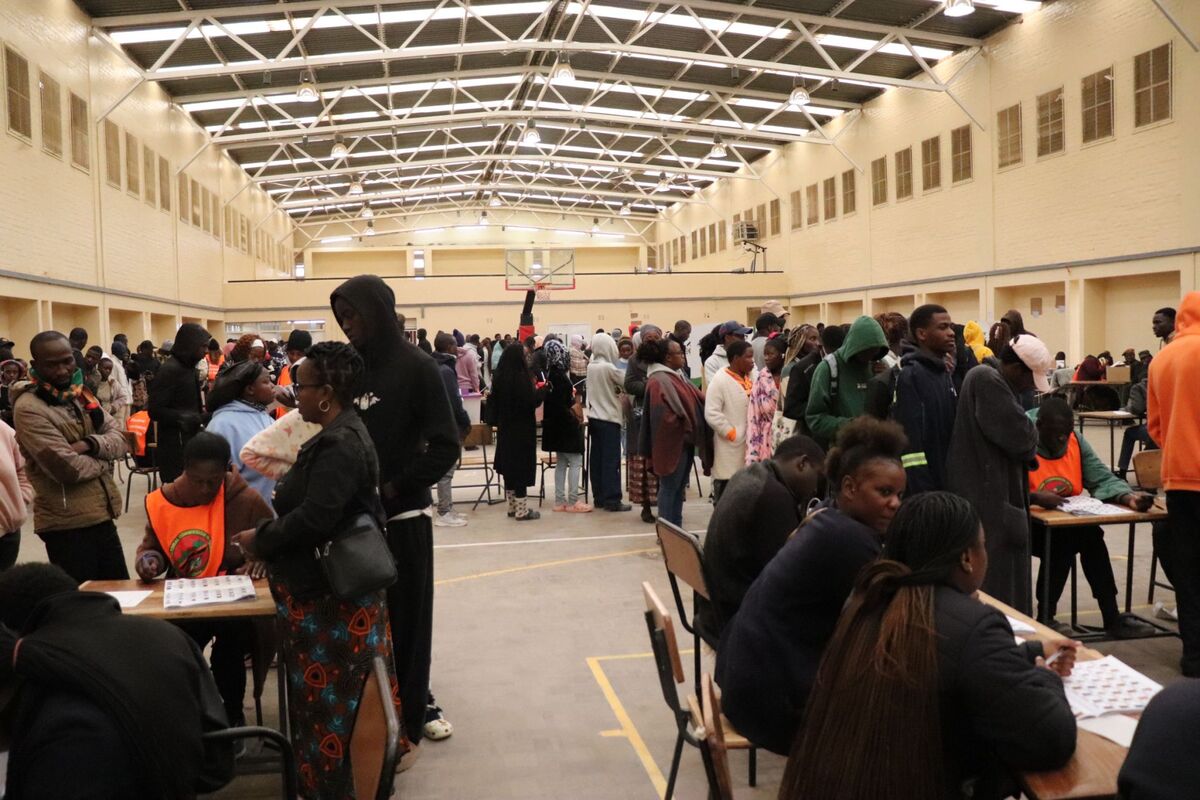
JCTR monitors observed varying levels of voter turnout during the day.
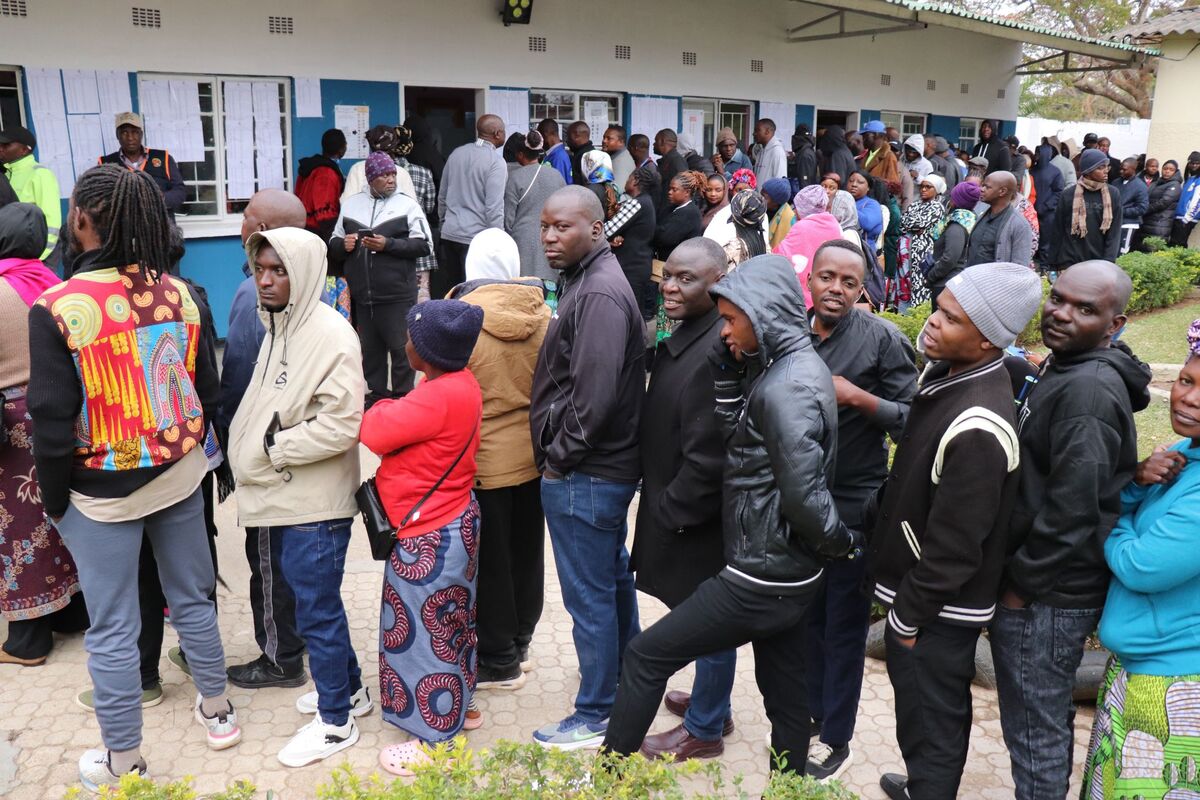
At Mwamba Polling Stations 1 and 2 in Bululu Ward, Kasama North Constituency, moderate turnout was observed. Each station had 859 registered voters.
At Olympia Secondary School in Lusaka, approximately 6,295 voters were registered, with monitors observing a modest turnout during the period of observation.
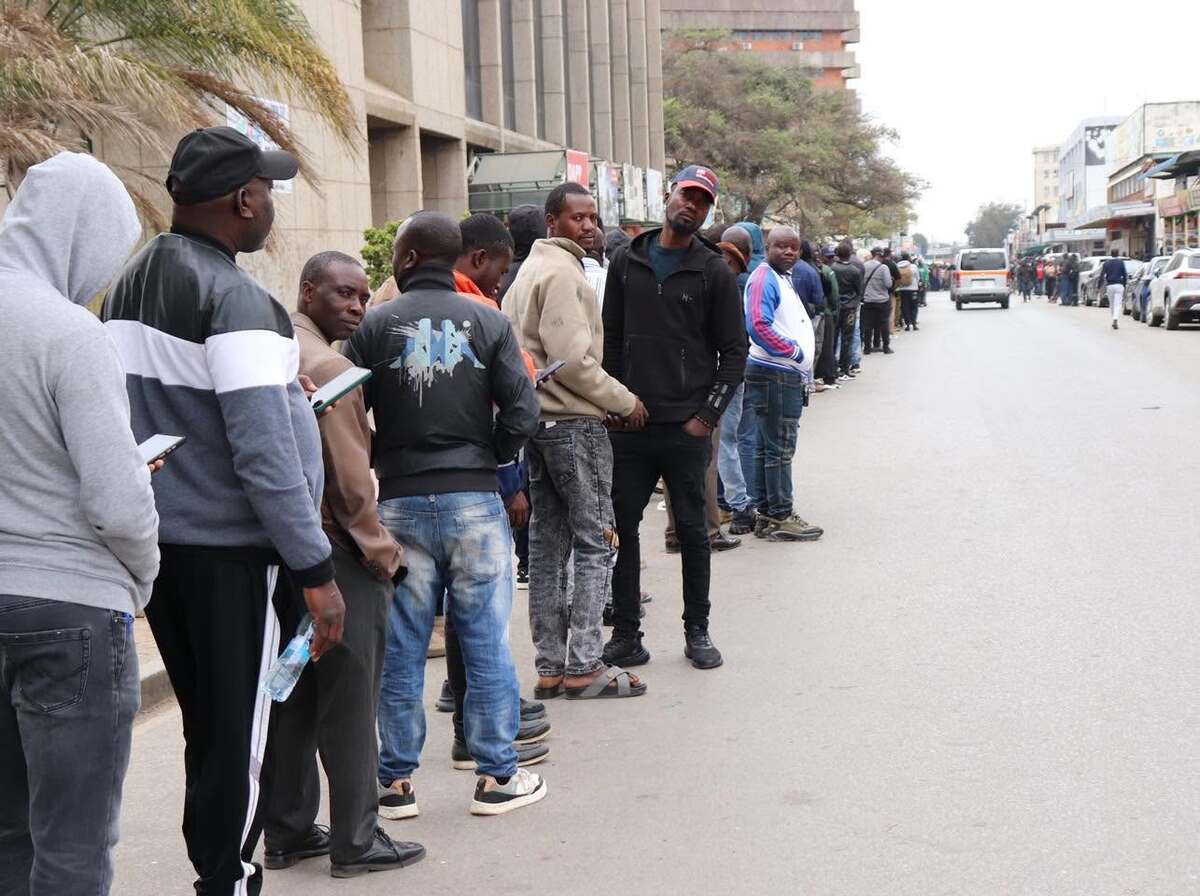
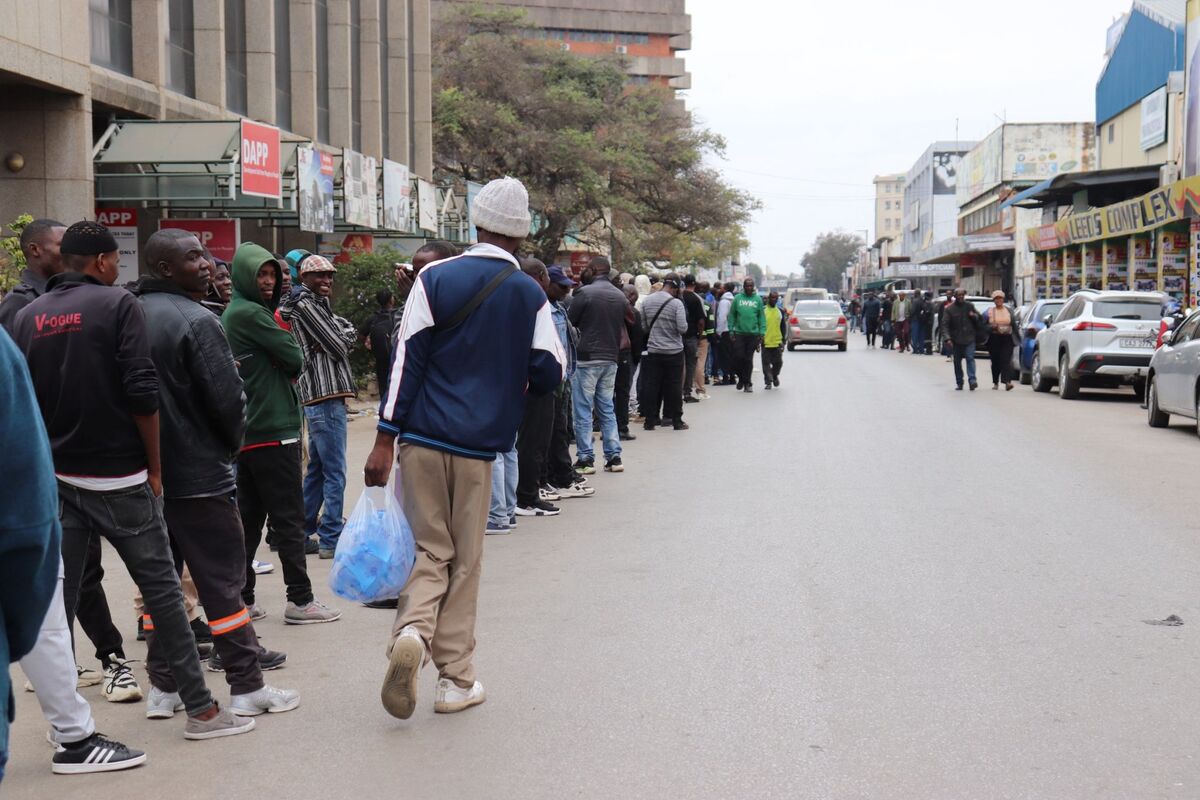
At Roma Parish, however, turnout was described as commendable, while strong numbers were also observed in Lusaka's CBD and town centre.
At Limulunga Primary School, despite having 443 registered voters, monitors observed relatively few people outside the polling station at the time of observation. The Presiding Officer reported that approximately 180 people had cast their ballots by around 12:25.
At Kapala Polling Station, which had 385 registered voters, approximately 180 people had voted at the time of observation.
The differing levels of turnout demonstrate the importance of examining participation across locations and throughout the day rather than drawing conclusions from a single polling station.
At Musuumgu Polling Station in Mungwi District, the main hall opened at 06:01, with the first vote cast at 06:08.
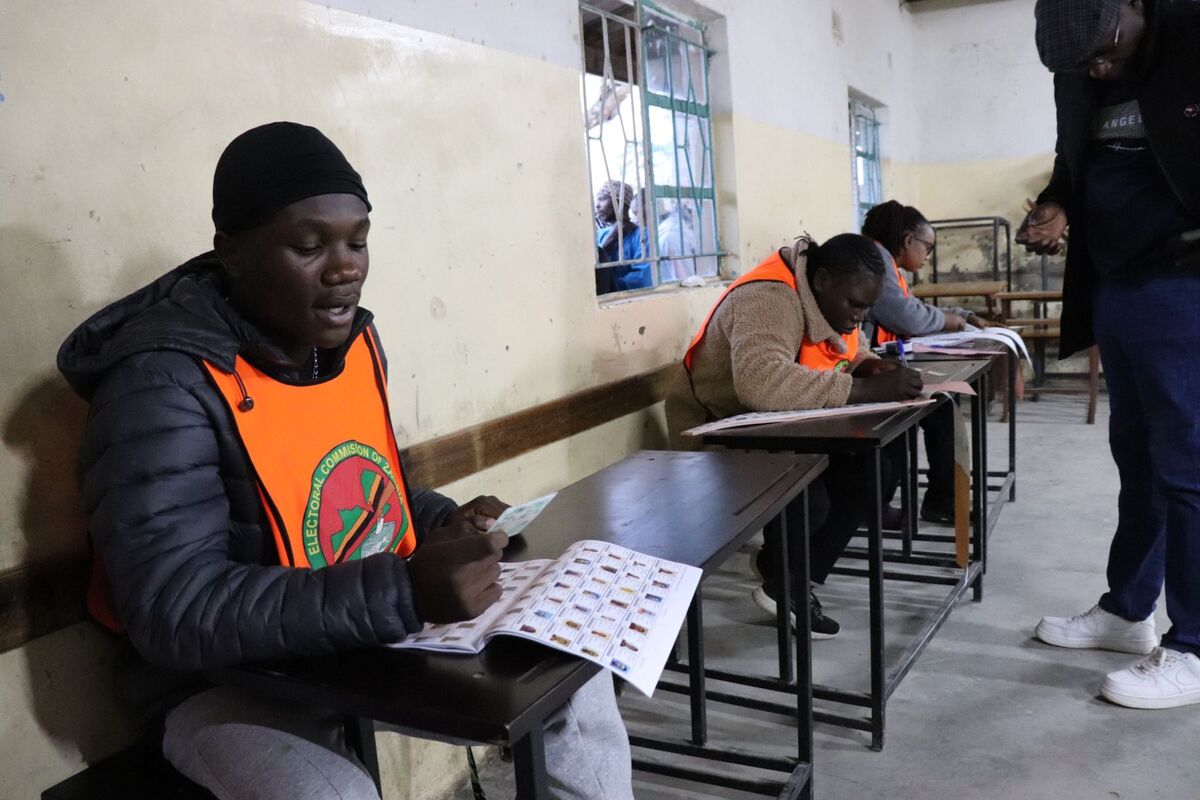
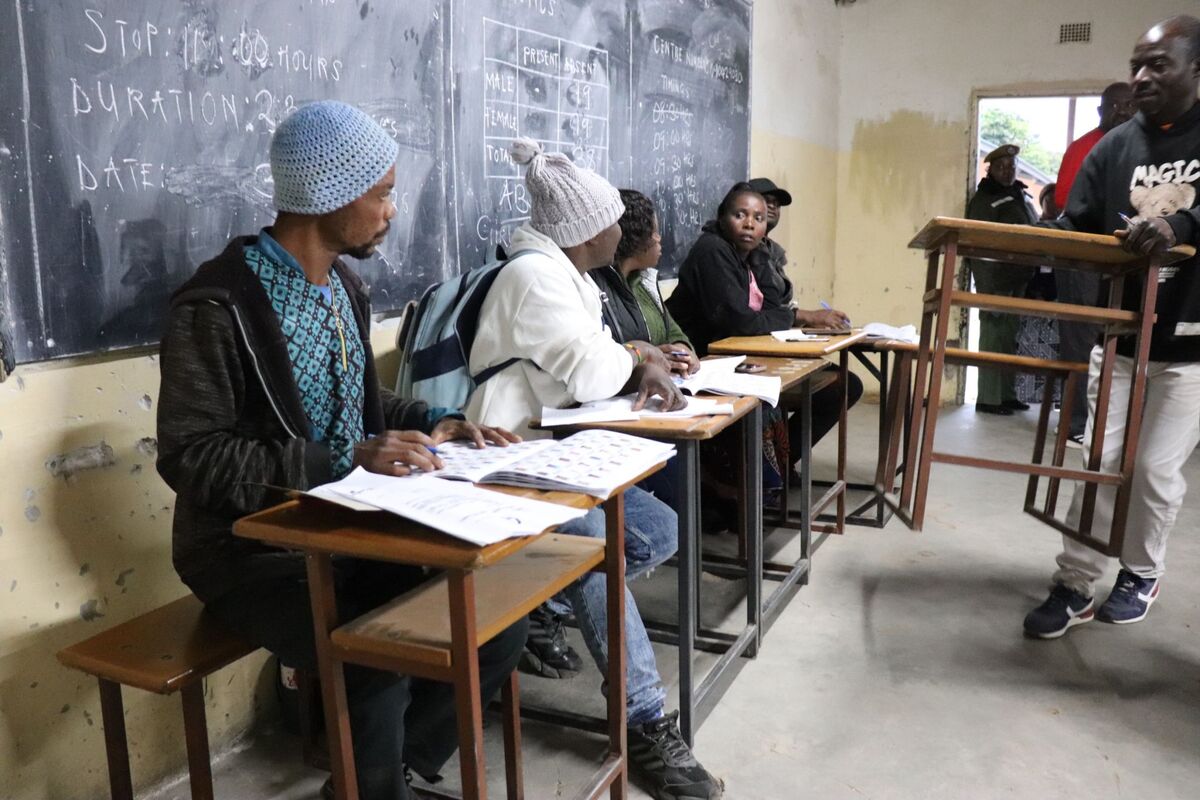
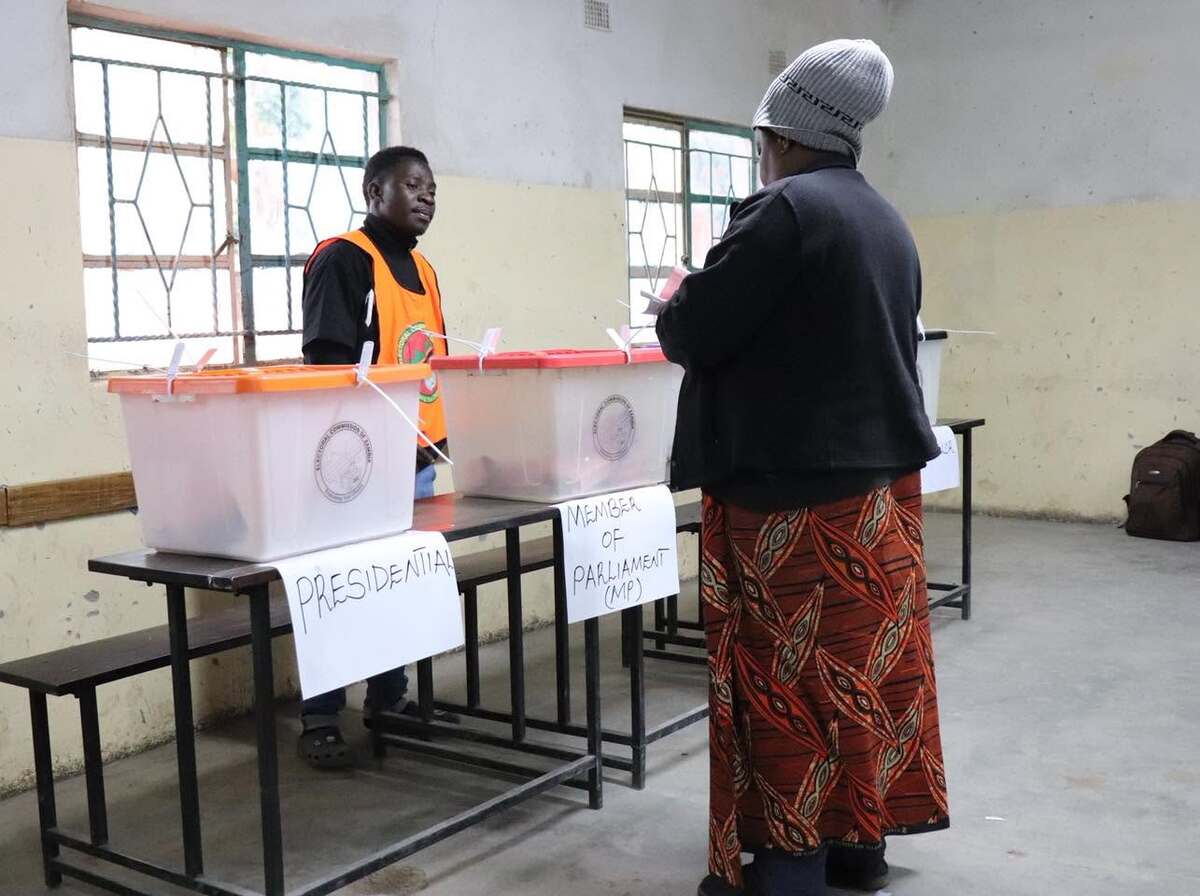
JCTR monitors recorded several issues involving voters and ballot papers. Two voters were turned away because their voters' cards were expiring. Three cases involving typographical errors in voter numbers were also recorded, although the affected voters were permitted to vote.
Three spoiled ballots were recorded—two mayoral ballots and one presidential ballot. In these cases, voters were issued replacement ballot papers in accordance with the procedure for spoiled ballots.
The observations reinforce the importance of voters understanding the procedures governing voter identification, ballot papers and the correction of genuine mistakes before a ballot is cast.
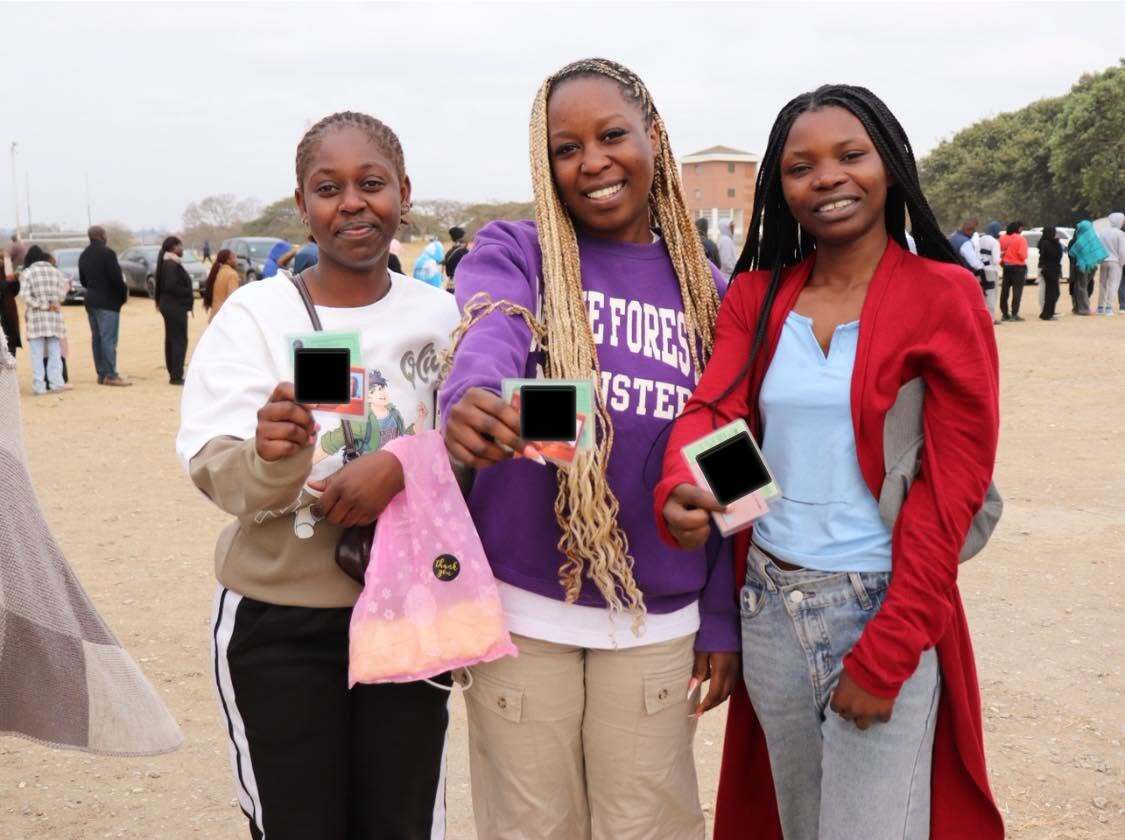
In several locations, JCTR monitors observed voters arriving with their own pens.
This reflects growing public awareness of practical considerations associated with voting, although voters should continue to follow instructions provided by polling officials and use election materials in accordance with established procedures.
JCTR's election monitoring did not end at the polling stations.
Our monitors also followed developments at tallying centres and monitored the CCMG Data Centre, where Parallel Vote Tabulation was being undertaken.
This enabled JCTR to observe not only the conduct of voting but also developments as the country moved from polling towards the counting and results-management phase.
JCTR monitors also engaged with stakeholders and observed the broader electoral environment. Among the individuals encountered during the monitoring exercise was Her Excellency the British High Commissioner to Zambia.
Throughout the monitoring exercise, JCTR continued to encourage citizens to participate peacefully, respect electoral procedures and allow polling officials to perform their duties without interference.
Peaceful elections require more than the absence of violence. They require voters, candidates, political parties, election officials, monitors, observers, the media and other stakeholders to respect the rules governing the electoral process.
JCTR therefore reiterates the importance of peaceful participation, respect for differing political views, and responsible conduct throughout the electoral and results-management process.
As this report was being prepared on 14 August 2026, the Electoral Commission of Zambia (ECZ) announced the suspension of counting and the announcement of election results across the country.
According to the ECZ, the decision followed reports of violence during the counting and announcement of results in some districts. The Commission stated that the violence had targeted polling staff and, in some instances, resulted in the theft of marked ballot papers from ballot boxes.
The Commission invoked Section 67(3) of the Electoral Process Act No. 35 of 2016 and announced that counting and the announcement of results would be suspended with immediate effect. The ECZ said it would review the suspension within 24 hours.
The development underscores the need for all stakeholders to exercise restraint and allow the electoral process to proceed peacefully and in accordance with the law.
JCTR calls on citizens, political parties, candidates and all other stakeholders to remain calm, reject violence, respect electoral institutions and allow established electoral procedures to take their course.
The observations from 13 August form part of JCTR's broader work to promote electoral accountability, informed civic participation and social accountability through the Citizens' Voice Project.
Our election monitoring was made possible with support from the European Union and the Government of Ireland, through the Citizens' Voice Project, co-implemented by BBC Media Action and the Norwegian Church Aid and DanChurchAid Act Alliance (JCP Zambia) under the LIFT Zambia programme.
As the country proceeds through the results-management phase, JCTR will continue to monitor developments and contribute to informed, peaceful and accountable civic engagement.
The election does not end when the polls close. Protecting the integrity of the democratic process requires vigilance, transparency, accountability and peace throughout the entire electoral cycle.

"A just Zambian society guided by faith, where everyone enjoys the fullness of life".