
TUESDAY, JANUARY 13, 2026, LUSAKA - Yesterday, staff took time away from their daily routines to engage in a Workplace Fire Safety training—an important pause that allowed for reflection on an often-overlooked aspect of our working environment: safety.
The session reminded us that fire, while essential to human development and everyday life, carries serious risks when not properly managed. Through guided discussion and practical examples, staff revisited the fundamentals of how fires start, how quickly they can spread, and the consequences of inadequate preparedness. This reflection reinforced a simple but critical truth: prevention remains our first and strongest line of defence.
Beyond theory, the training encouraged staff to look more closely at their own workspaces and habits. Common causes of workplace fires—such as electrical faults, poor storage of flammable materials, and momentary negligence—were not presented as abstract risks, but as realities that demand daily attentiveness and collective responsibility.
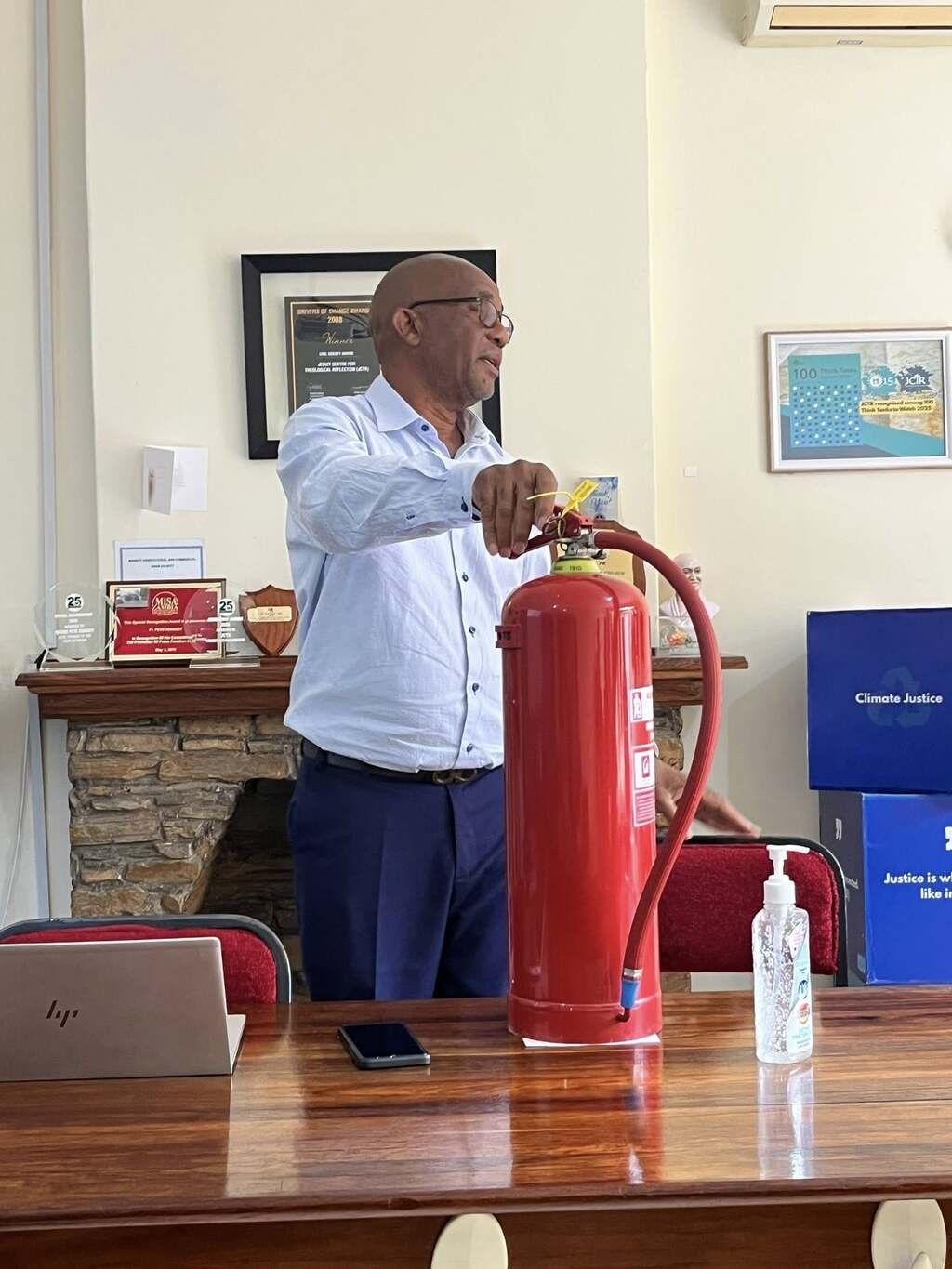
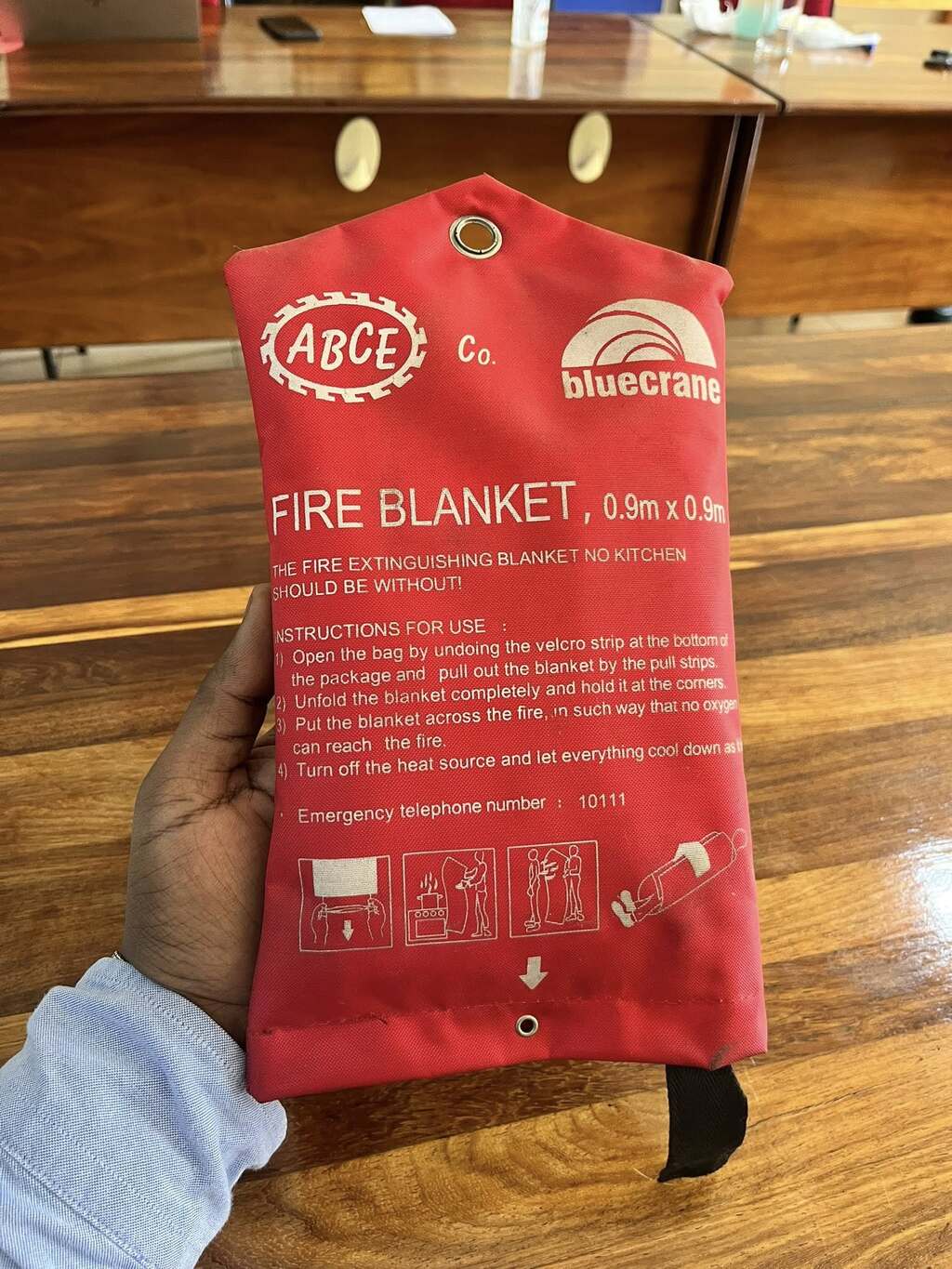
Particular emphasis was placed on knowing how to respond when prevention fails. Staff were taken through the different classes of fire and the appropriate use of firefighting equipment, including a practical understanding of the PASS method for using fire extinguishers. These moments prompted reflection on how preparedness can reduce panic and protect lives in emergency situations.
Equally significant was the discussion on evacuation procedures and fire drills. The training reaffirmed that in any fire incident, safeguarding human life must always take precedence over protecting property. Clear evacuation routes, designated assembly points, and calm, coordinated action were highlighted as essential to ensuring everyone’s safety.
The session concluded with a collective reflection on the organisation’s existing fire safety systems—what is working well, where improvements are needed, and how each member of staff contributes to a safer workplace. This shared reflection underscored that fire safety is not solely a policy requirement, but a continuous practice rooted in awareness, discipline, and care for one another.
Yesterday’s training served as a timely reminder that safety is not accidental. It is built through knowledge, preparedness, and a willingness to reflect and act—before an emergency occurs.
Access the presentation below
Photo Focus


"A just Zambian society guided by faith, where everyone enjoys the fullness of life".