
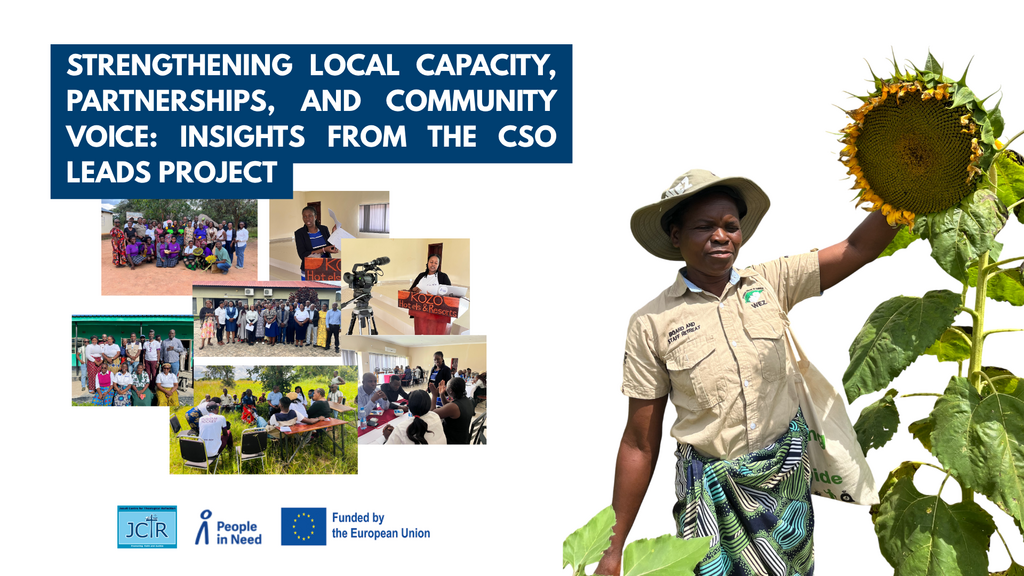
Thursday, April 9, 2026, LUSAKA - The CSO LEADs Project continues to demonstrate the transformative potential of collaboration, capacity building, and community-driven development across Zambia. Recent engagements in Choma, Sinazongwe, and Chongwe districts offer compelling evidence of how civil society organisations (CSOs) are leveraging knowledge, partnerships, and local innovation to drive sustainable change.
The Choma District Women Development Association (CDWDA), a local NGO operating in Mbabala Area of Choma District, stands as a strong example of grassroots resilience and organisation. With a membership of approximately 3,000 individuals — comprising 2,300 women and 700 men — CDWDA works across 24 areas to advance community development and women’s economic empowerment.
In December 2024, the organisation achieved a significant milestone through the establishment of a resilient community hub. This includes a solar-powered submersible borehole system, supported by two 10,000-litre water tanks. Funded under a Women’s Economic Empowerment initiative, this infrastructure has improved access to water while strengthening livelihoods and community resilience.
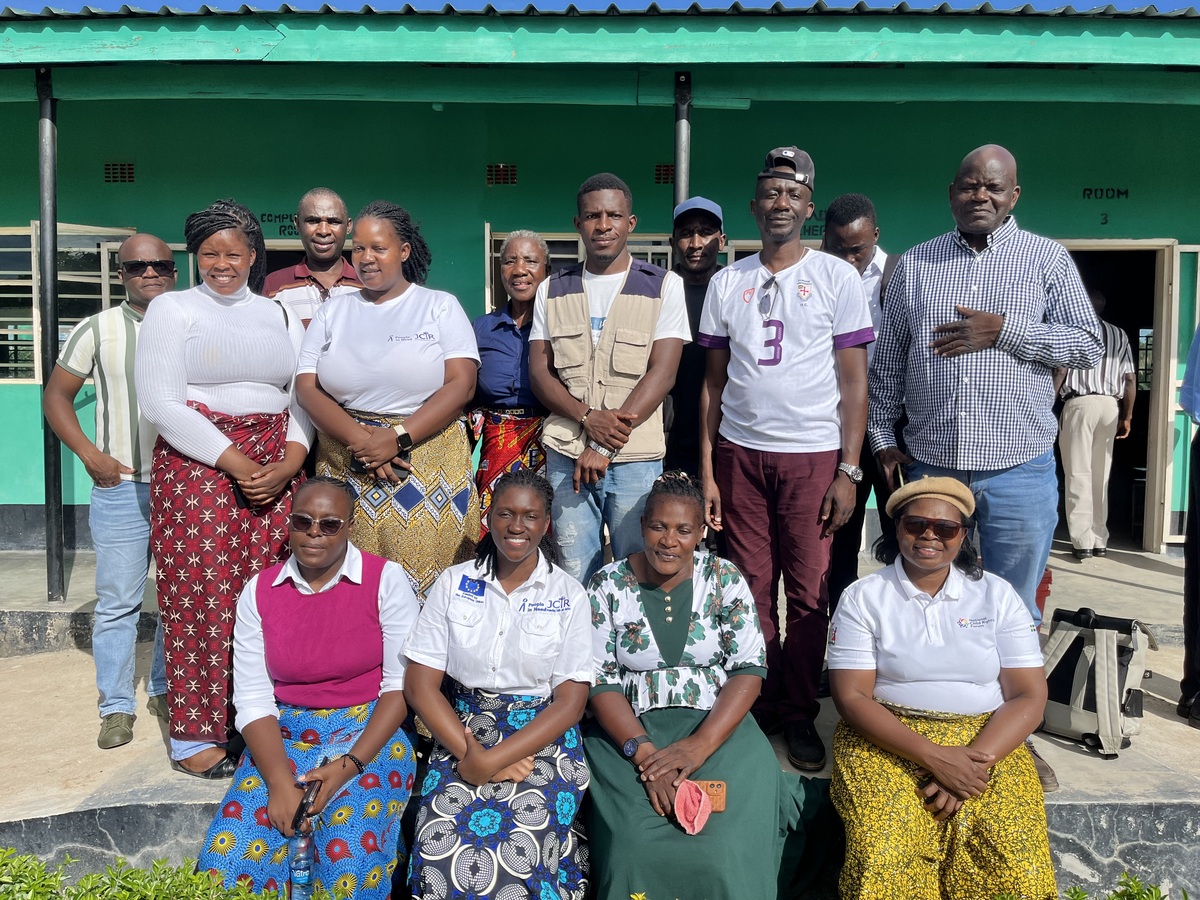
Beyond infrastructure, CDWDA has benefited from targeted capacity building under the CSO LEADs Project. Its six staff members, including coordinators and management, have undergone short courses in Monitoring and Evaluation (M&E), agriculture, and communications. These efforts have enhanced institutional effectiveness and positioned the organisation for greater impact.
An exchange field visit held in Mbabala further enabled peer learning among participating organisations, fostering reflection and shared problem-solving.
Quote – Anastasia Munkondya, CDWDA Coordinator:
“The CSO LEADs Project has strengthened our capacity as an organisation—our team is now better equipped with skills in M&E, agriculture, and communications. Through exchange visits like the one in Mbabala, we are not only sharing our experiences but also learning practical approaches from others, which is helping us grow and serve our communities more effectively.”
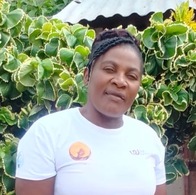
Anastasia Munkondya
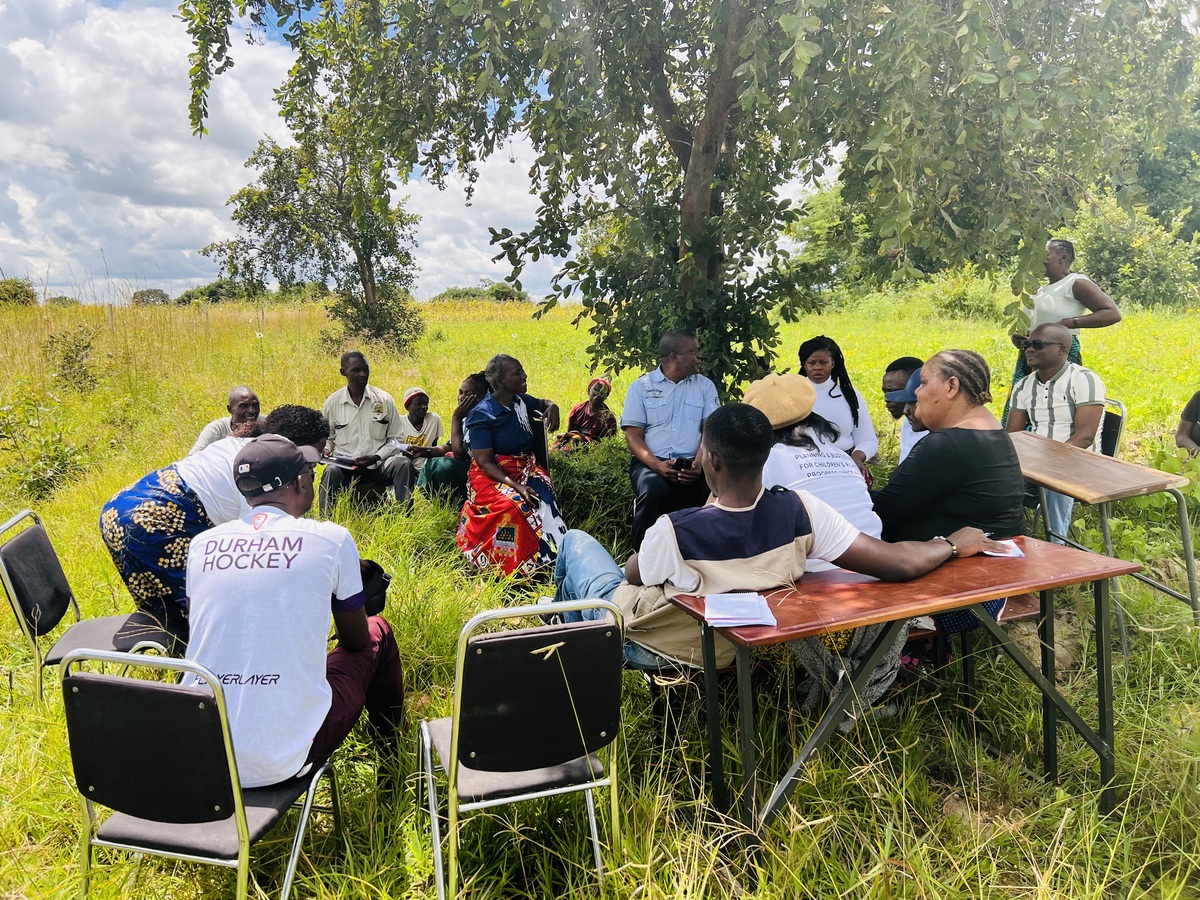
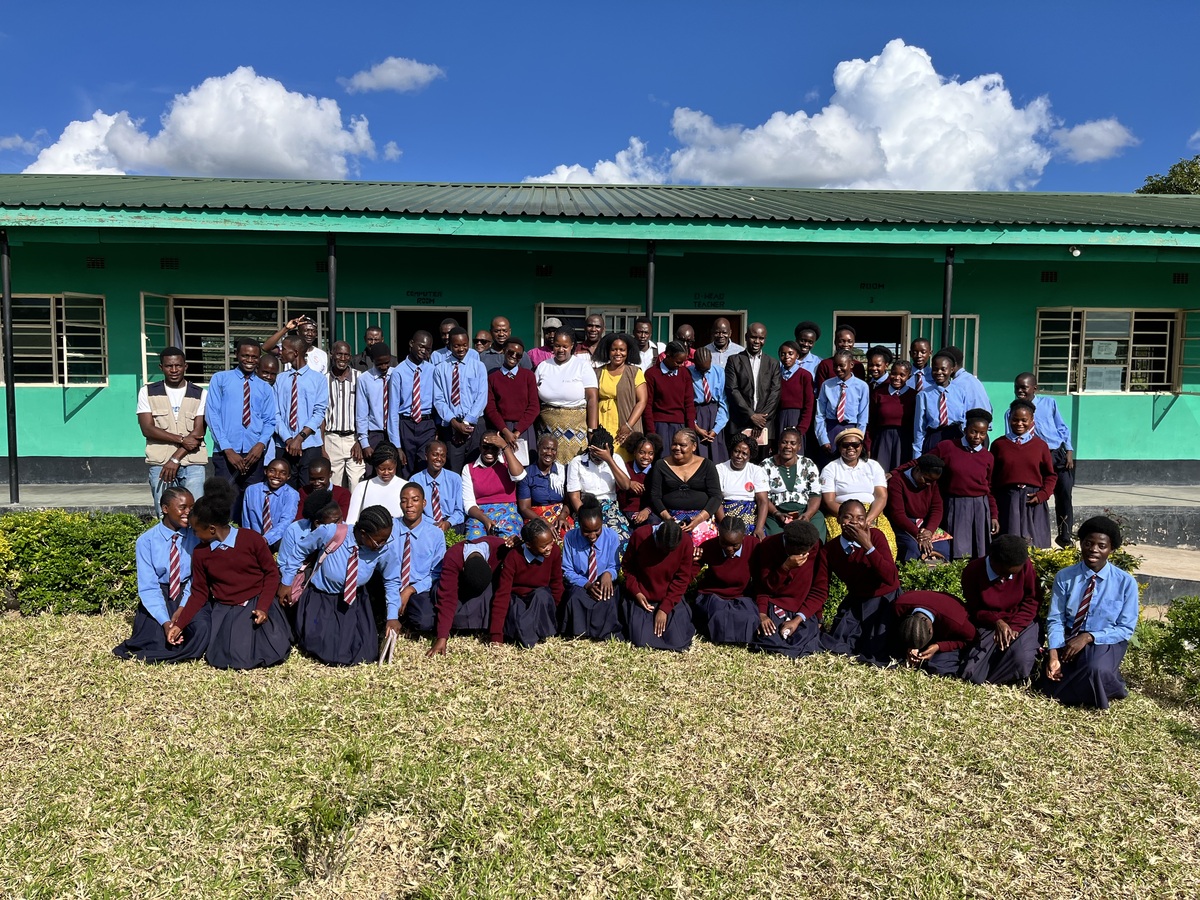
The Zambia Civic Education Association (ZCEA) is making notable strides in promoting child rights and strengthening advocacy platforms across Choma and Sinazongwe districts. The organisation currently supports 20 schools — 10 in each district—alongside four community-based child rights clubs targeting out-of-school children aged between 10 and 18.
Working closely with 40 teachers (two per school), ZCEA has reached over 1,000 pupils, equipping them with knowledge on their rights and encouraging active participation in community governance structures.
A central aspect of ZCEA’s approach is empowering children to speak up on issues affecting them. Through structured linkages to Ward Development Committees (WDCs), Parent-Teacher Committees (PTCs), Community Child Development Committees, and District Child Protection Committees, children are provided with platforms to present their views and influence decision-making processes.
The CSO LEADs Project has played a critical role in enhancing ZCEA’s advocacy work, particularly in facilitating collaboration and improving access to resources. Issues such as child pregnancies are now being addressed more effectively through coordinated stakeholder engagement.
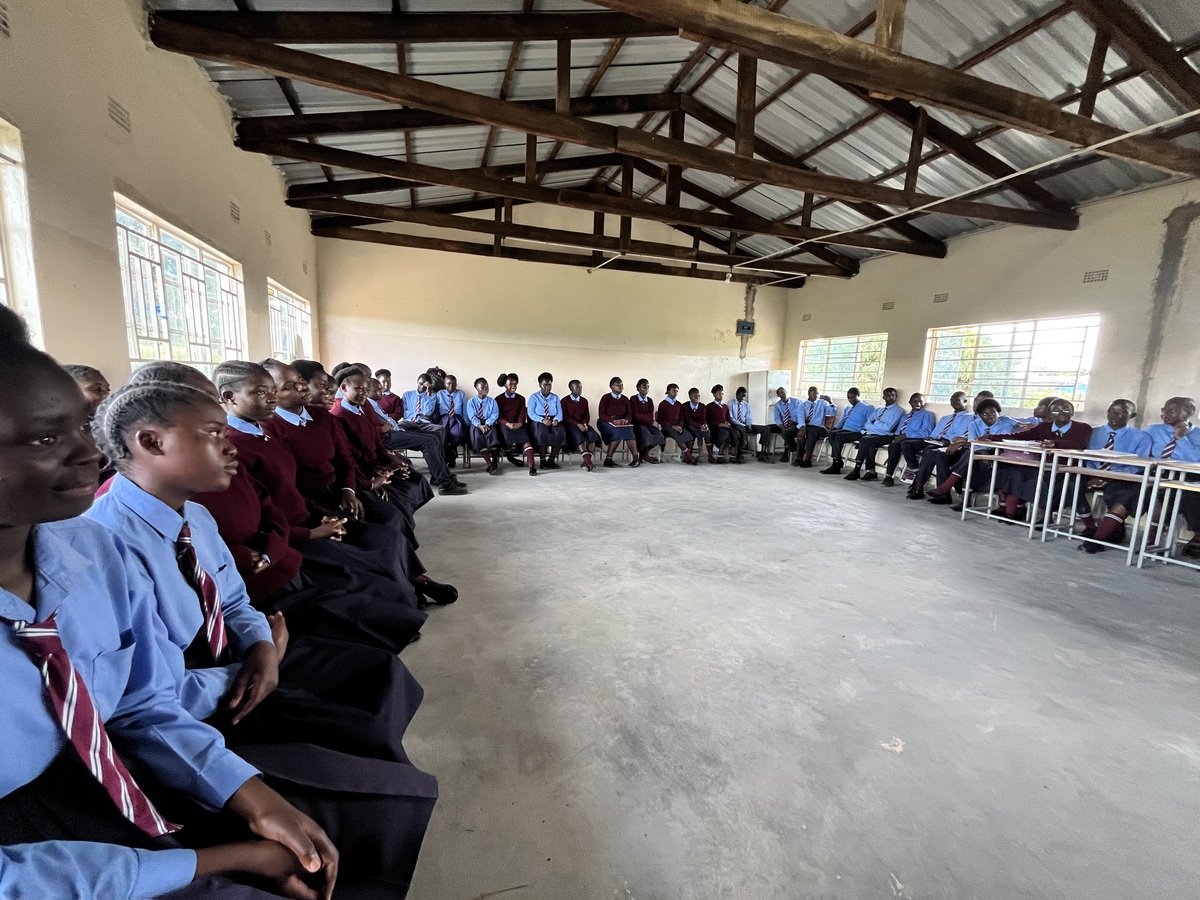
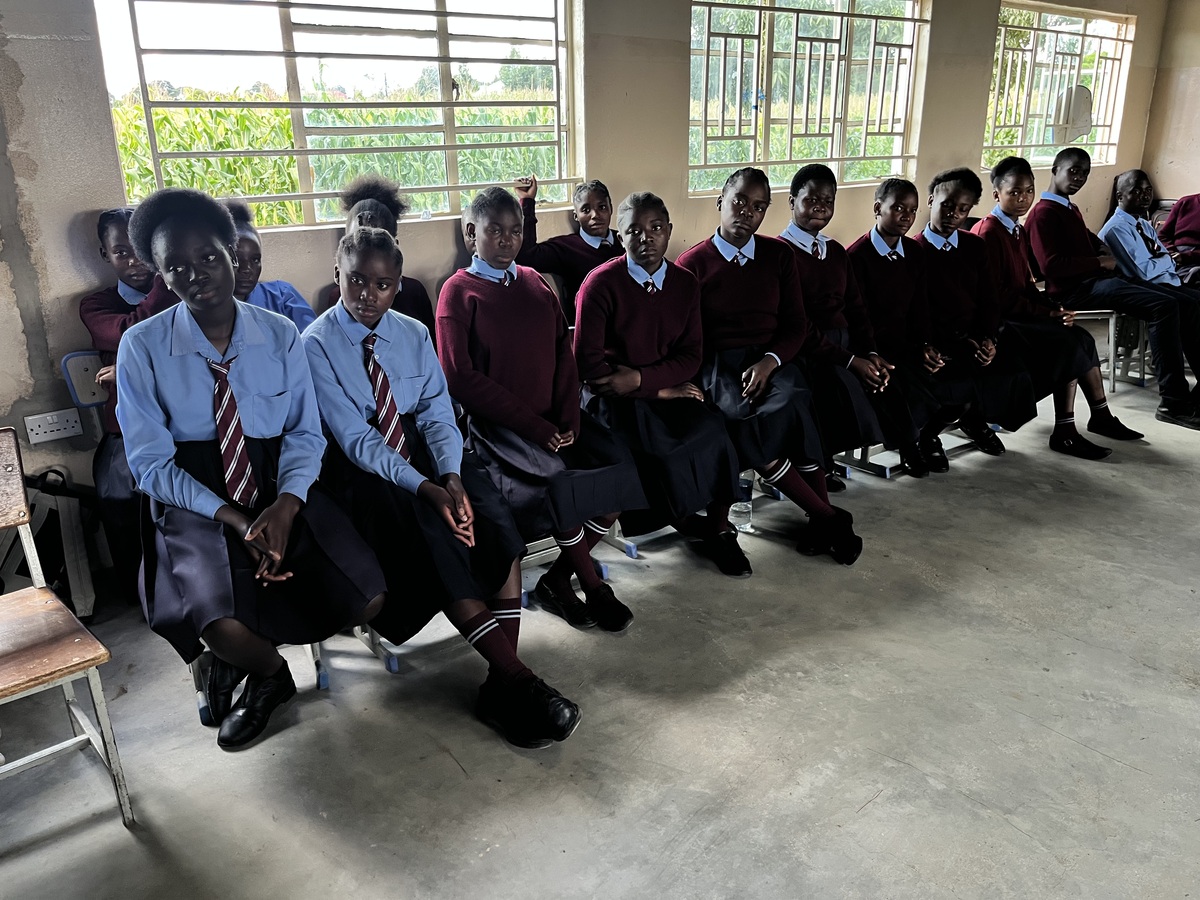
An exchange visit, including a stop at Choma Correctional Facility Secondary School, provided an opportunity for pupils to creatively express their experiences through poetry, while also exposing them to available community platforms.
Quote – Wezzy Muzambalika, Project Officer, ZCEA:
“The CSO LEADs Project has opened up important opportunities for collaboration, especially in areas where resources are often limited. Through these platforms, we are not only strengthening our advocacy on issues like child pregnancies, but also empowering children to speak up and engage with community structures. The exchange visit showed us that even beyond the project, these networks will continue to support and sustain our work.”

Wezzy Muzambalika
In Chongwe District, Women Environs in Zambia (WEZ) hosted a dynamic multi-stakeholder engagement that brought together 35 participants from civil society, government, and the private sector. The meeting created a valuable platform for sharing experiences, identifying common challenges, and exploring practical strategies for improved coordination.
Discussions emphasised the importance of stronger collaboration in enhancing civil society’s role in governance processes, particularly in supporting women, youth, and marginalised groups. Participants engaged in stakeholder mapping and developed actionable plans aimed at strengthening partnerships and strategic relationships.
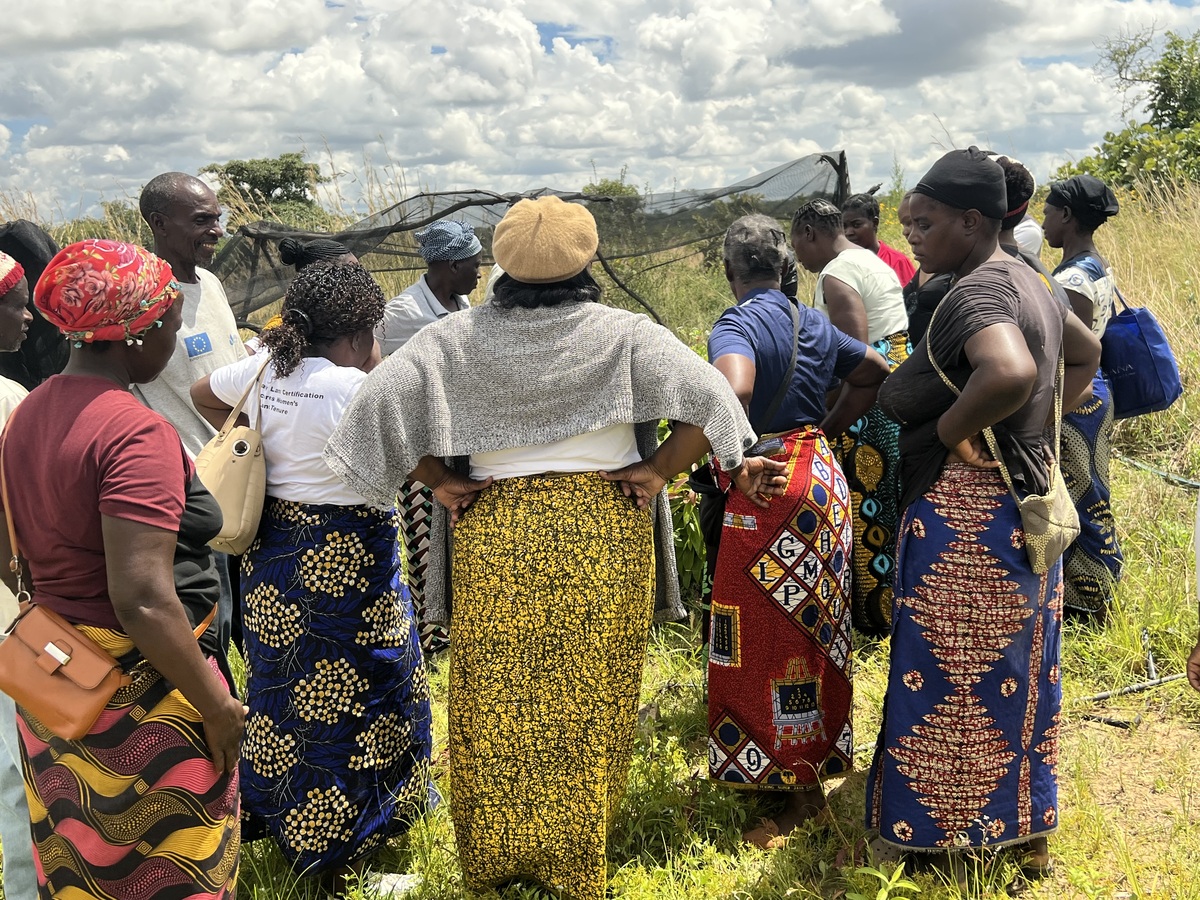
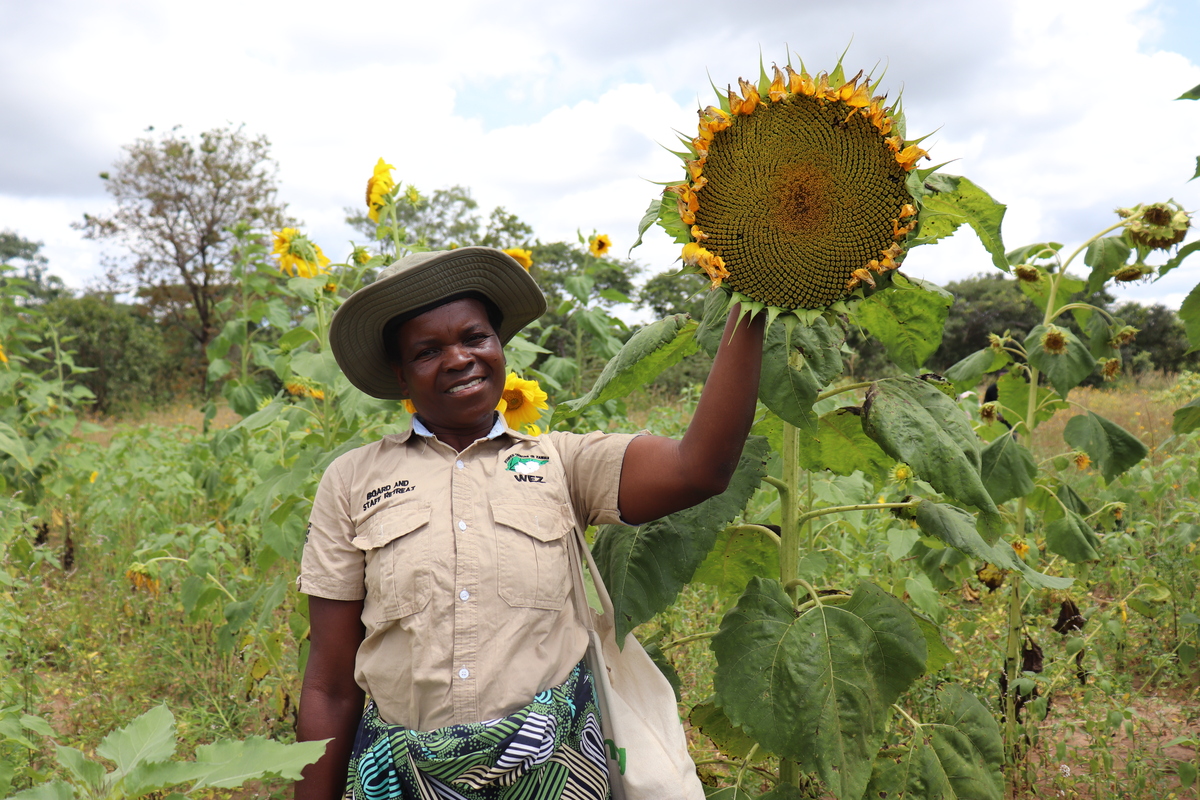
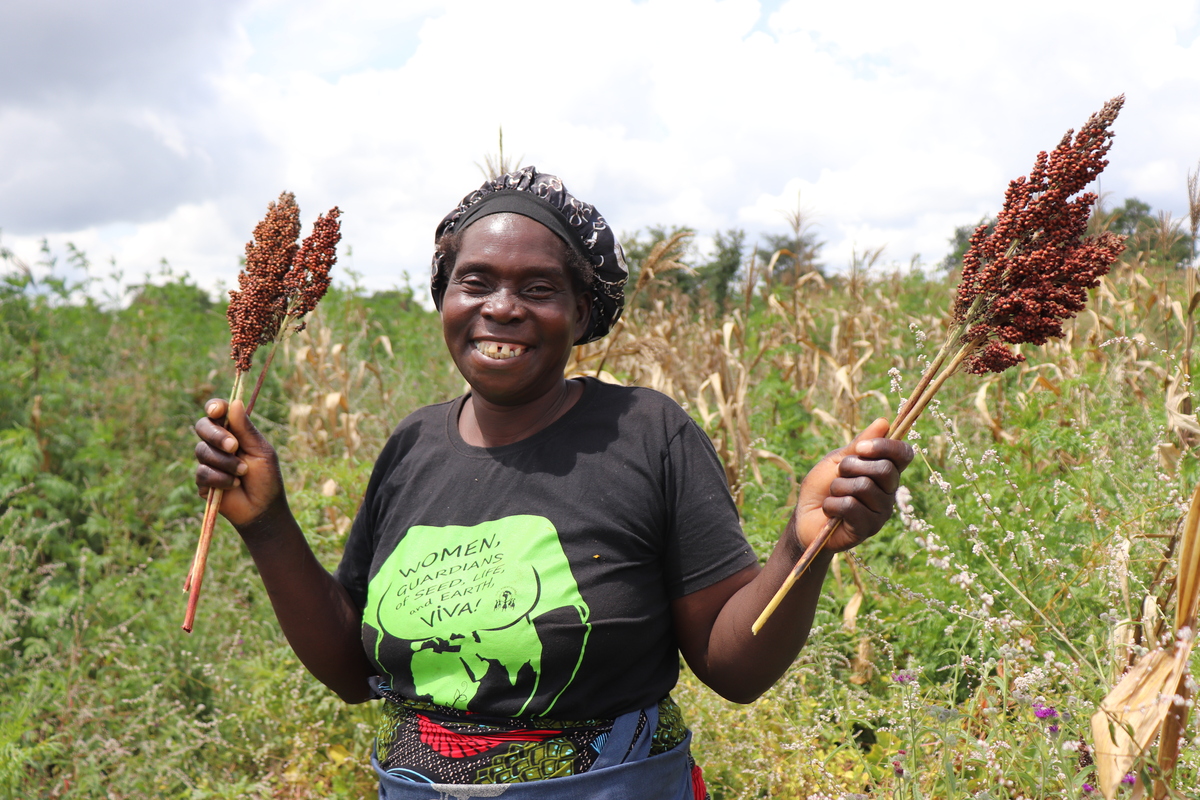
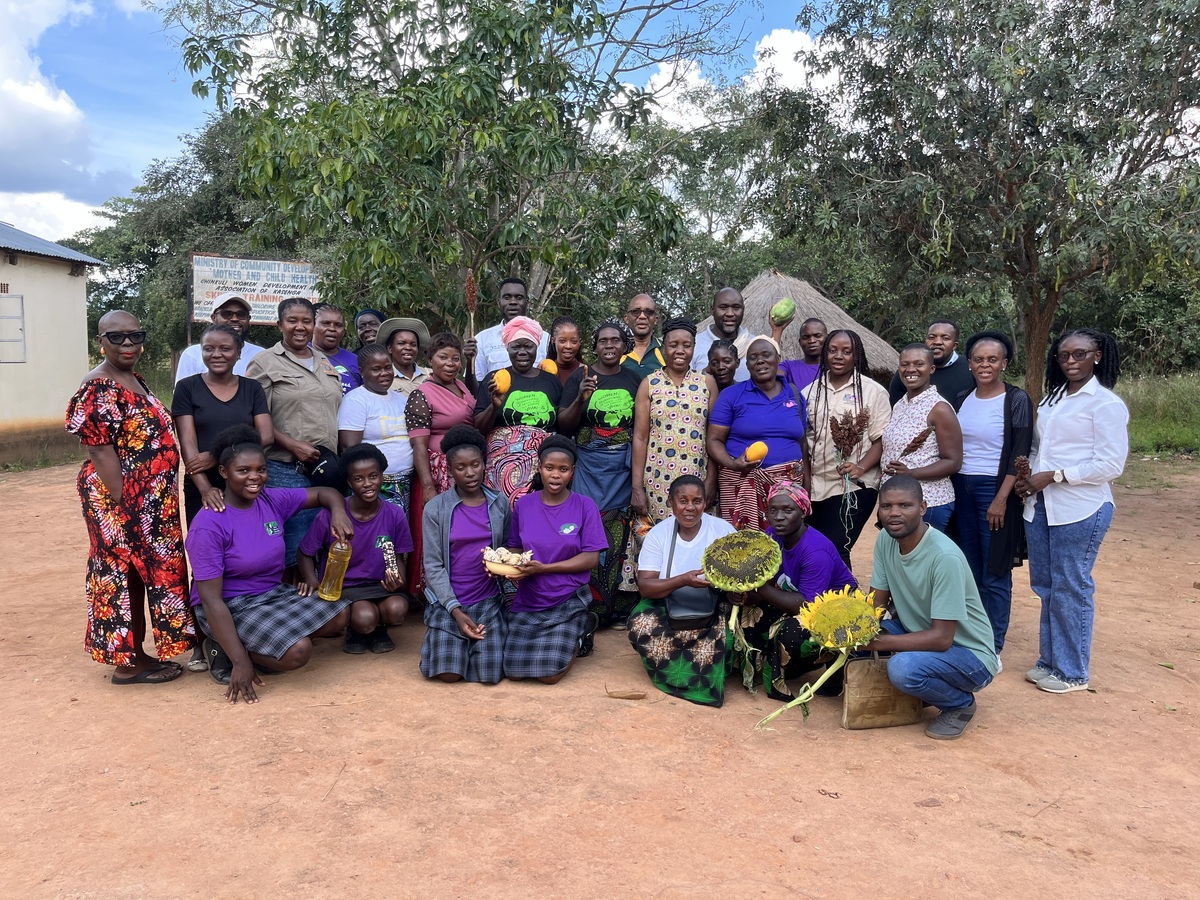
A field-based exchange visit added a practical dimension to the engagement. Participants visited women farmers supported by WEZ, who are implementing diversified and sustainable agricultural practices. These included the cultivation of sunflower (for vegetable oil production), groundnuts, and early-maturing maize varieties, intercropped with velvet beans, cowpeas, black sunhemp, pigeon peas, and pumpkin leaves.
The visit also highlighted local value addition initiatives, such as a community-operated grinder used to produce sunflower oil and livestock feed from by-products.
At an Early Childhood Development Centre in Kasenga, participants experienced a farm-to-table meal prepared from locally sourced produce, including free-range village chicken, multiple varieties of groundnuts and pumpkins, maize, sweet potatoes, cassava, and traditional beverages such as munkoyo, tobwa, and chibwantu. The setting underscored the tangible benefits of local agricultural systems and community-driven development.
The day concluded with a poetry performance by three female student beneficiaries of WEZ, reflecting the human impact of these interventions and the importance of investing in young voices.
Quote – Grace Haabanyati - Farmer:
“The We have been learning conservation agriculture, and the crops we have planted have yielded great harvests... we do not go hungry. I am able to feed my family of 8 with my produce".
Grace Haabanyati
Across all engagements, a clear message emerged: sustainable development is strengthened through collaboration, knowledge sharing, and community participation. The CSO LEADs Project is not only building institutional capacity but also creating lasting networks that extend beyond the life of the project.
By connecting organisations, empowering communities, and fostering inclusive dialogue, the initiative is laying the groundwork for more coordinated, effective, and resilient civil society engagement in Zambia.
As these partnerships continue to evolve, they offer a promising pathway for addressing complex social challenges while ensuring that communities—especially women, children, and marginalised groups—remain at the centre of development efforts.

"A just Zambian society guided by faith, where everyone enjoys the fullness of life".