
FRIDAY, JANUARY 16, 2026
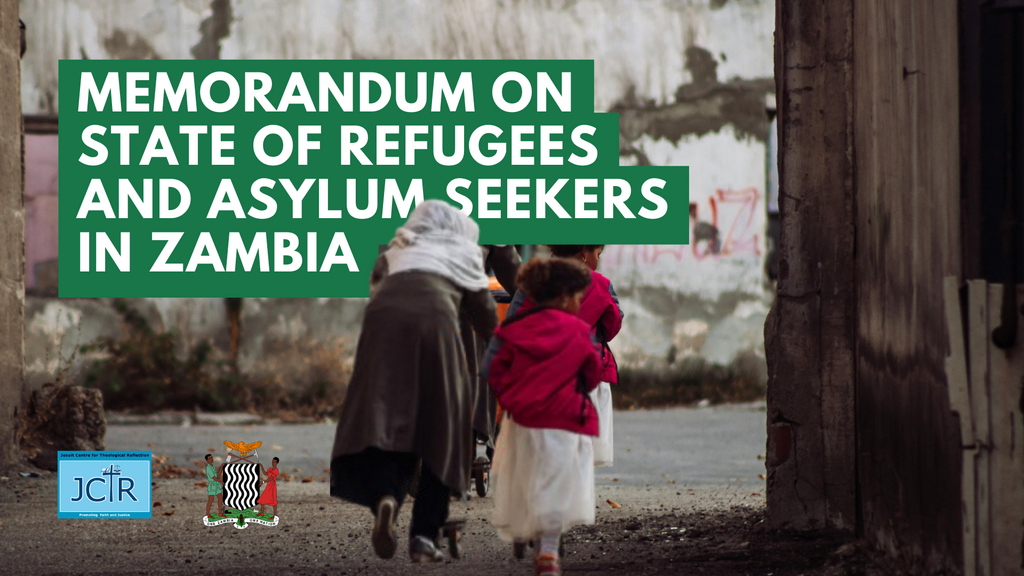
This afternoon, the Jesuit Centre for Theological Reflection (JCTR) concluded its submission to the Parliamentary Committee on Legal Affairs, Human Rights and Governance, presenting a detailed memorandum on the state of refugees and asylum seekers in Zambia.
The submission, made at 3:30 PM, was in response to an invitation by the National Assembly of Zambia issued in December 2025, requesting civil society input on the adequacy of Zambia’s legal, policy, and institutional frameworks governing refugees and asylum seekers.
JCTR’s memorandum situates refuge and asylum firmly within the framework of human dignity and fundamental human rights. Drawing from Zambia’s long-standing history of hosting displaced persons since the 1940s, the submission acknowledges the country’s commendable hospitality and regional leadership, particularly in providing protection to refugees from conflict-affected neighbouring states.
However, the memorandum equally highlights that generosity alone is insufficient without a robust, rights-based legal and policy environment that responds to contemporary displacement realities.
The submission critically examined:
Among its key recommendations, JCTR called for:
JCTR reaffirmed that strengthening refugee protection is not only a legal obligation but also a moral and developmental imperative. A rights-based and inclusive refugee response contributes to social cohesion, economic participation, and regional stability, in line with Zambia’s constitutional values and international commitments.
The full memorandum submitted to the Committee is available below for access and reference.

"A just Zambian society guided by faith, where everyone enjoys the fullness of life".