
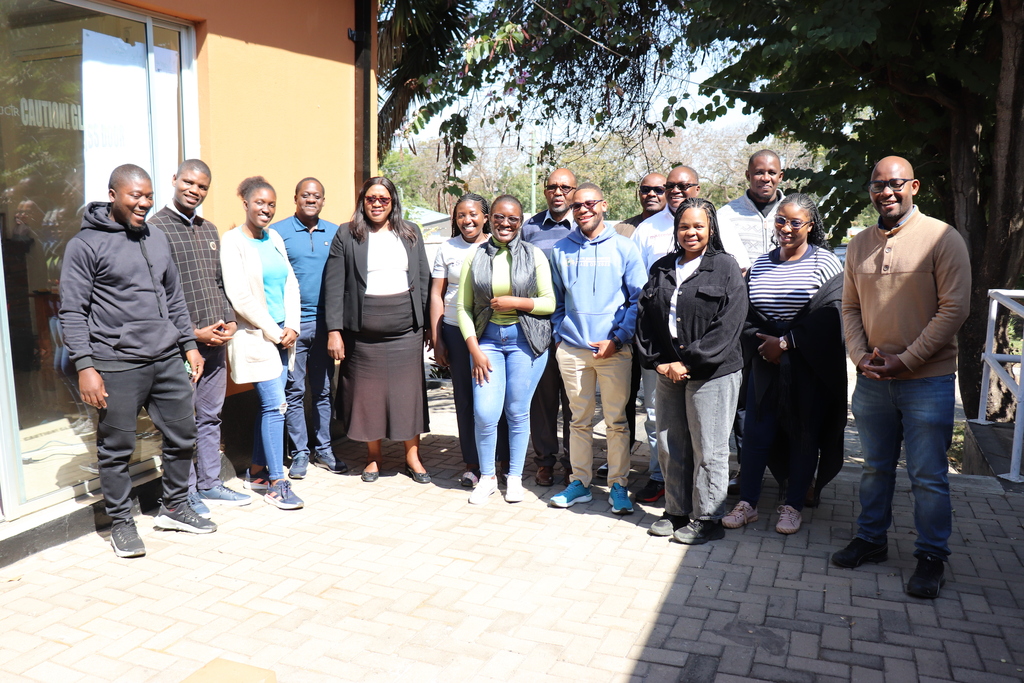
LUSAKA, Friday, July 25, 2025 - At the Jesuit Centre for Theological Reflection (JCTR), we understand that meaningful impact begins with clear purpose, shared responsibility, and a committed workforce. We took a proactive step toward enhancing our organisational effectiveness by hosting a mandatory training on the Performance Management System (PMS) at our Headquarters in Lusaka. The session, facilitated by JCTR Board Vice Chairperson, Ms Namucana Musiwa,, was delivered in a hybrid format, enabling both in-person and remote staff participation.
This training is more than a procedural formality; it is a reflection of our collective aspiration to serve more efficiently, transparently, and justly.
Why Performance Management Matters
In a world increasingly focused on results and accountability, performance management is no longer a luxury but a necessity. According to the United Nations Development Programme (UNDP), effective performance management is one of the "cornerstones of good governance" and plays a pivotal role in ensuring that institutions remain responsive, adaptive, and people-centred.¹
At JCTR, this means every staff member must understand how their role contributes to the Centre’s broader mission of promoting social justice through research, advocacy, and transformative engagement. A strong PMS enables us to set clear expectations, track progress against objectives, and provide constructive feedback for growth and learning.
Key Takeaways from the Training
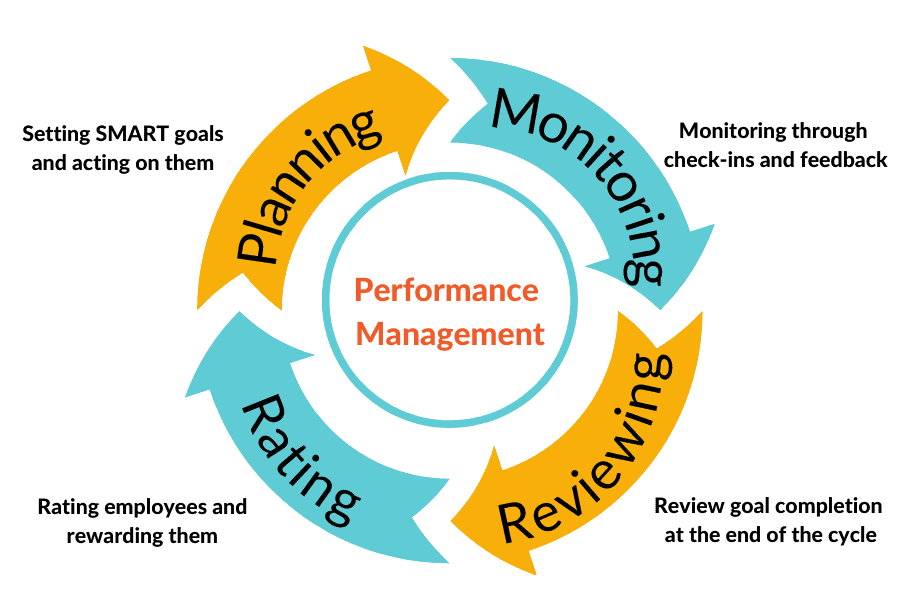
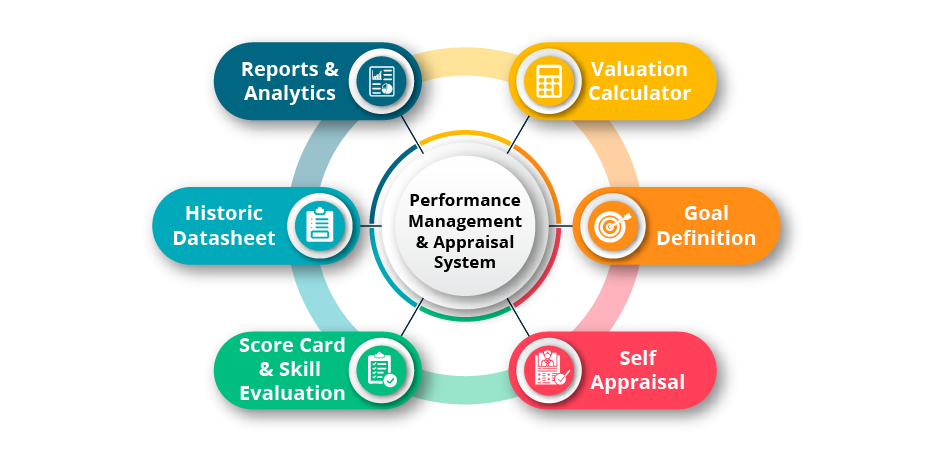
Ms Musiwa’s facilitation brought clarity and insight into how the system operates, including:
By equipping our team with these tools, we are fostering a results-oriented culture—one that values accountability, learning, and shared success. The PMS is not merely an evaluative instrument; it is a strategic compass guiding us toward greater impact and sustainability.
Aligning Values with Structure
As a faith-based institution grounded in Catholic Social Teaching and Ignatian Spirituality, we recognise the dignity of each employee and the importance of providing clear structures that support their growth. This system encourages staff not only to meet targets but to reflect on the "why" behind their work. How does my task contribute to a Zambia that is more equitable, just, and inclusive? How can my growth lead to greater transformation in the communities we serve?
These are the deeper questions the PMS helps us surface—making performance management not just technical, but spiritual and mission-driven.
Our Commitment Going Forward
We are committed to ensuring that the Performance Management System becomes a living practice, not just an annual ritual. Continuous capacity building, supportive leadership, and open dialogue will be key in realising its full potential.
As we continue our work in key thematic areas such as the Basic Needs and Nutrition Basket, social accountability, public finance management, governance, climate justice, and human rights, the ability to monitor and evaluate our progress systematically is vital. A well-functioning Performance Management System not only strengthens internal alignment but also enhances the credibility of our advocacy and the influence of our voice in policy spaces.
The International Labour Organization (ILO), in its guidance on strengthening institutional capacity (particularly in the context of labour inspection systems), underscores that performance systems are essential for both individual performance clarity and organisational effectiveness.¹ These systems, when properly implemented, foster transparency, define expectations, and encourage accountability — all of which are critical to the success and sustainability of mission-driven institutions like JCTR.
We thank Ms Namucana Musiwa for her leadership and reaffirm our collective commitment to excellence, transformation, and mission integrity.
¹ International Labour Organization (2017). Strengthening Labour Inspection Systems: A resource package. Port of Spain: ILO Decent Work Team and Office for the Caribbean. See here

"A just Zambian society guided by faith, where everyone enjoys the fullness of life".