
SATURDAY, NOVEMBER 29, 2025 - In the heart of Pemba, Southern Province, a quiet but powerful transformation is unfolding. Farmers are beginning to restore their soils, rediscover indigenous seed systems, and prove that agroecology is not just an idea — it is a practical solution for food security, climate resilience, and dignity.
With support from the Scottish Catholic International Aid Fund (SCIAF), the Jesuit Centre for Theological Reflection (JCTR) is currently implementing the second year of its two-year project titled “Promoting Agroecology and Food Justice.” The project is being implemented across Chongwe and Rufunsa in Lusaka Province, Pemba in Southern Province, and Mongu in Western Province. From November 24 to 27, 2025, JCTR was on the ground in Kanchomba community, Pemba, carrying out activities focused on establishing demonstration plots (demo-plots) and strengthening community advocacy around agroecological practices. The work was facilitated by Micomyiza Dieudonné (Faith and Justice Programme Officer & Agroecology Project lead) and Bernard Mwaba (Communications & Digital Engagement Officer).
Across many farming communities in Zambia, small-scale farmers are facing increasing challenges. Soil fertility continues to decline, climate patterns have become unpredictable, and the cost of farming inputs — particularly chemical fertilisers and hybrid seeds — continues to rise. While conventional agriculture promises high yields, it often leaves farmers financially strained, environmentally vulnerable, and dependent on external inputs. Agroecology offers a different path altogether. It builds on natural systems, local knowledge, and farmer independence while promoting soil regeneration, crop diversity, water conservation, and natural pest control. For JCTR, agroecology is not only about agriculture — it is about justice, dignity, environmental stewardship, and the right of communities to control their own food systems.
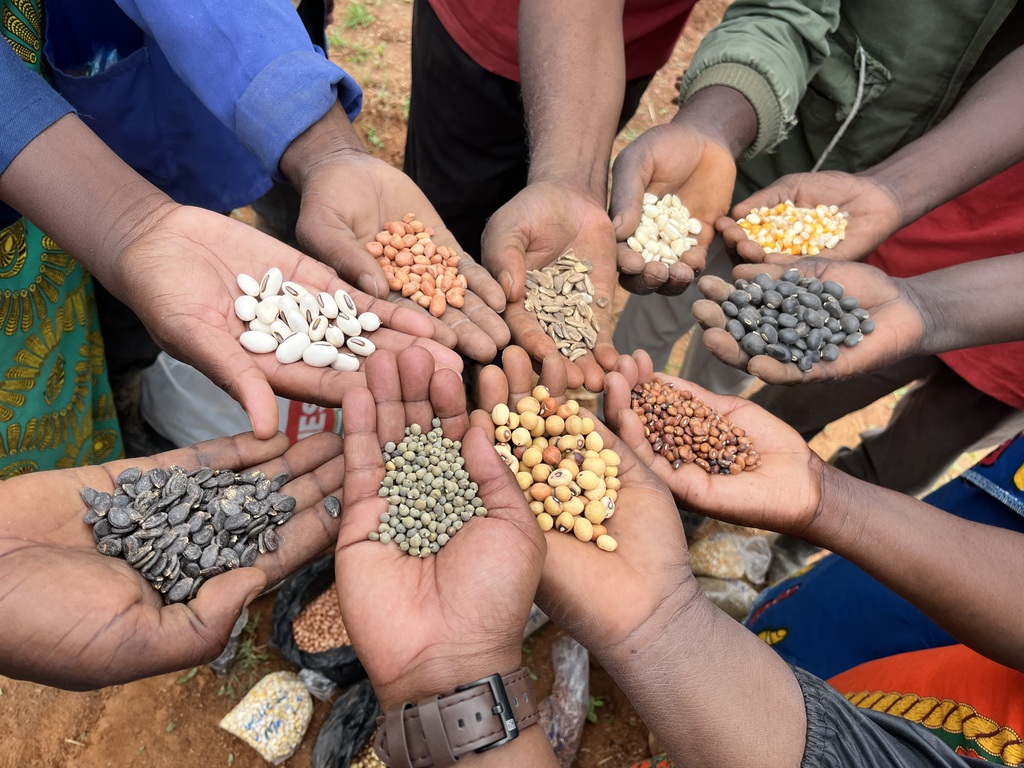
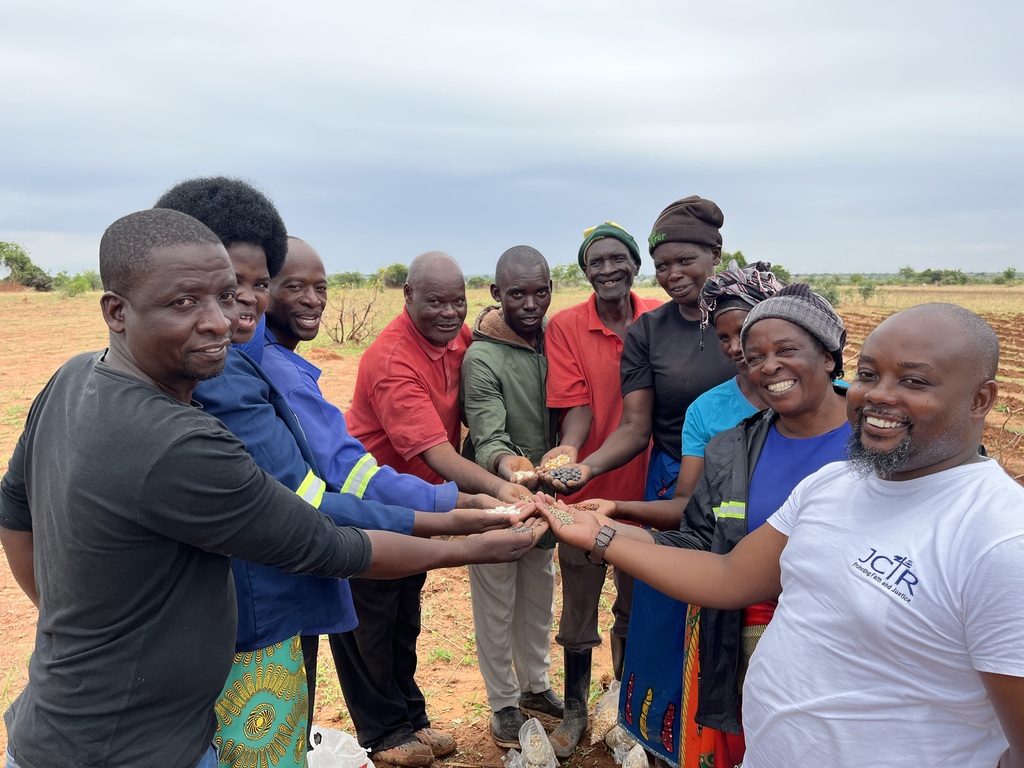
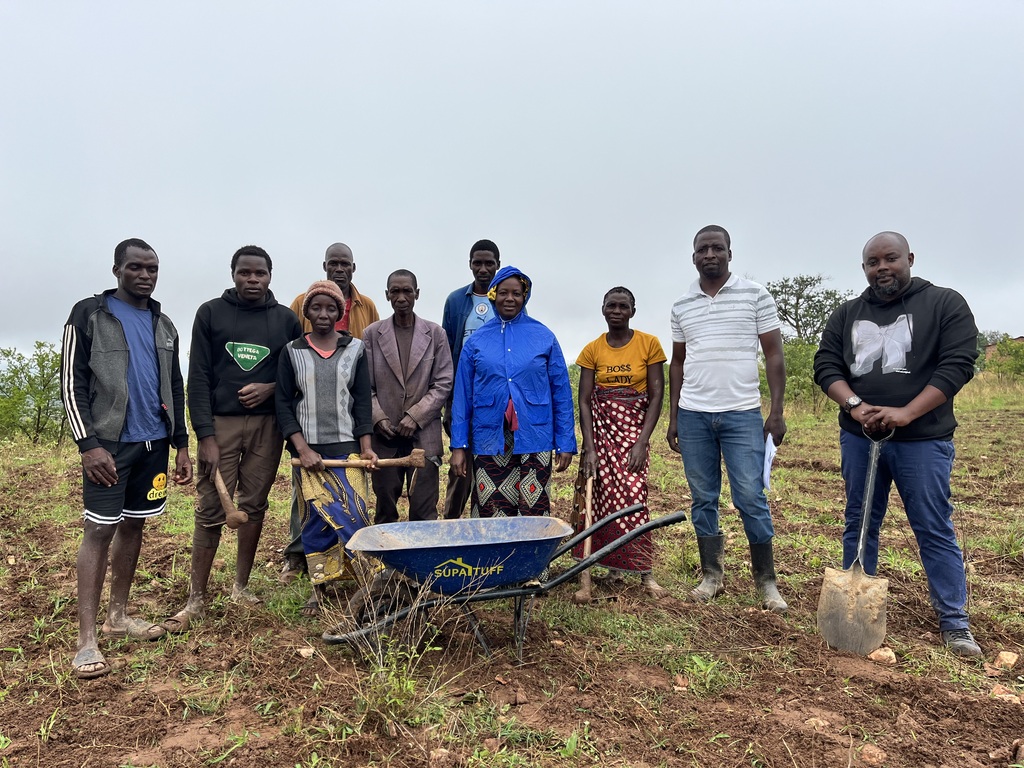
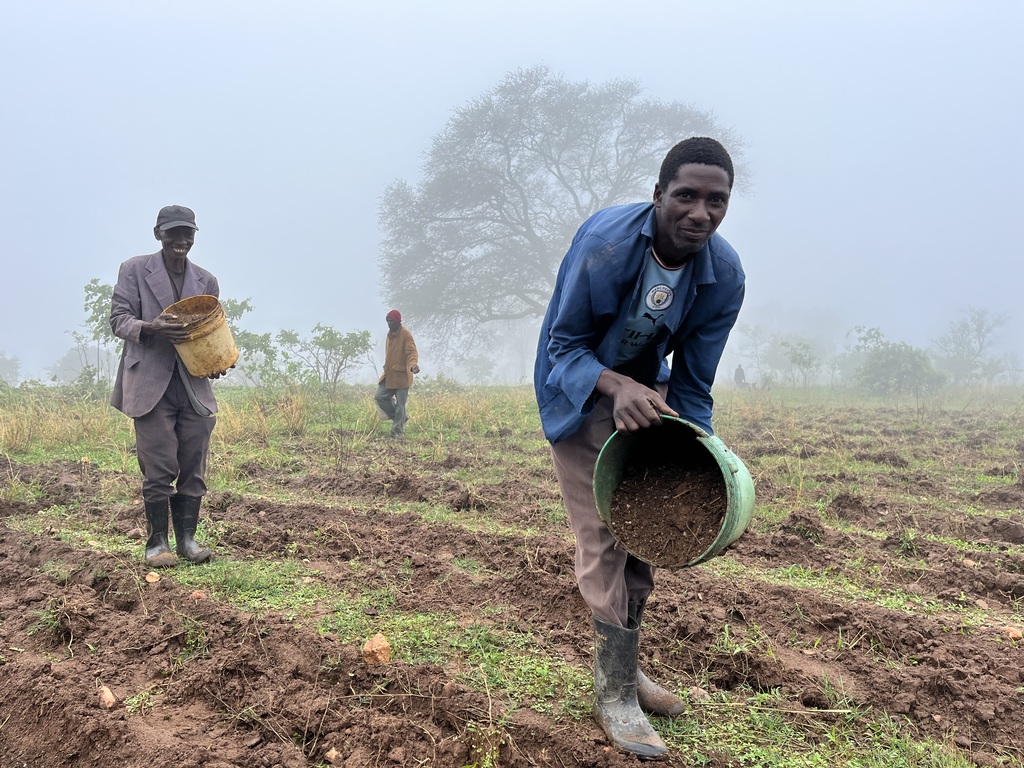
To turn this vision into practice, demo-plots have been established in Munyona and Demu, both located in the Pemba area. These sites are serving as living classrooms where farmers are learning by doing. On these plots, 25 varieties of local seeds have been planted, covering a range of indigenous crops. This deliberate return to local seed systems is a powerful step away from dependency on costly commercial seed and towards seed sovereignty, resilience, and affordability.
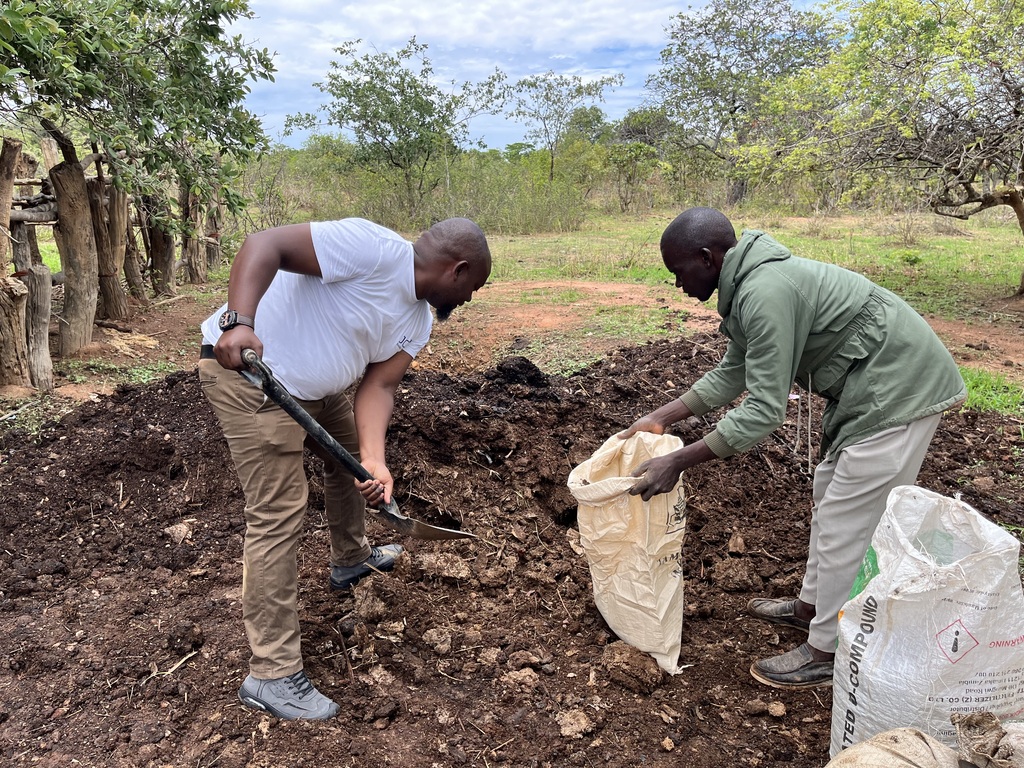
The demo-plots are allowing farmers to practise sustainable techniques in real time. They are learning how to intercrop different crops for better soil health and pest control, how to make compost using locally available materials, how to conserve water through mulching and simple harvesting techniques, how to manage pests naturally, and how to integrate trees into farming systems through agroforestry. These farms are jointly managed by host farmers, extension officers, and technical practitioners, ensuring that the work remains locally owned and relevant to the realities farmers face every day.
This work reflects a deeper truth about agroecology: it is not only about what happens in the soil, but also about what happens within communities and local food systems. When farming becomes more affordable, more resilient, and more environmentally sustainable, broader social and economic stability begins to take shape. Agroecology strengthens households, improves nutrition, and builds long-term resilience against climate shocks and market vulnerabilities.
For JCTR, the establishment of demo-plots aligns directly with its mission to promote social justice, sustainable livelihoods, and integral human development. These farms are more than production sites — they are spaces of learning, experimentation, policy evidence, and community empowerment. They show, in a very practical way, that farming can regenerate ecosystems instead of degrading them, and that rural communities can lead solutions instead of being treated as passive recipients of aid.
So far, the work in Pemba has already yielded encouraging results. Demo-plots are now active in Munyona and Demu, local seed varieties are back in the soil, and farmers are gaining hands-on skills in agroecological practices. Stories of change are being documented, and awareness around sustainable farming continues to grow.
The journey is far from over. In the coming days, the JCTR team will proceed to Mongu to establish similar demo-plots and continue the work of training, mobilisation, and documentation. Over the next months, the project will track changes in soil health, crop yields, household incomes, and farmer confidence. Farmer field days and exchange visits will expand learning, seed-sharing networks will strengthen local seed systems, and media engagement will help take community voices into national conversations on agricultural policy.
What is happening in Pemba may not make daily headlines, but it is quietly reshaping how agriculture is practised and understood. It is proving that small-scale farmers are not poor because they lack knowledge, but because systems have often failed to support them. Through agroecology, those systems are being challenged. Through sustainable farming practices, resilience is being built. And through partnerships such as that between JCTR and SCIAF, justice is quite literally being cultivated from the soil.
Photo Focus


"A just Zambian society guided by faith, where everyone enjoys the fullness of life".