
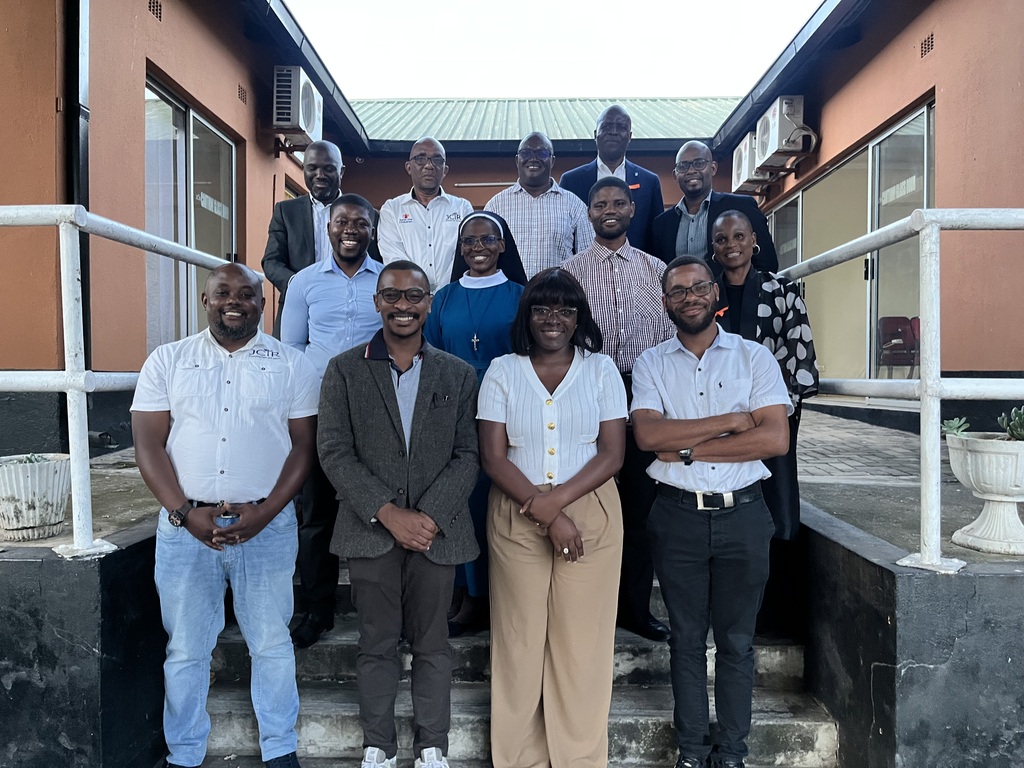
FRIDAY, APRIL 17, 2026, LUSAKA - Zambia’s democratic process continues to evolve as the country prepares for the 2026 General Elections. At the Jesuit Centre for Theological Reflection (JCTR), we recognise that credible elections are built not only on sound electoral systems, but also on sustained dialogue, strong institutions, and active citizen participation.
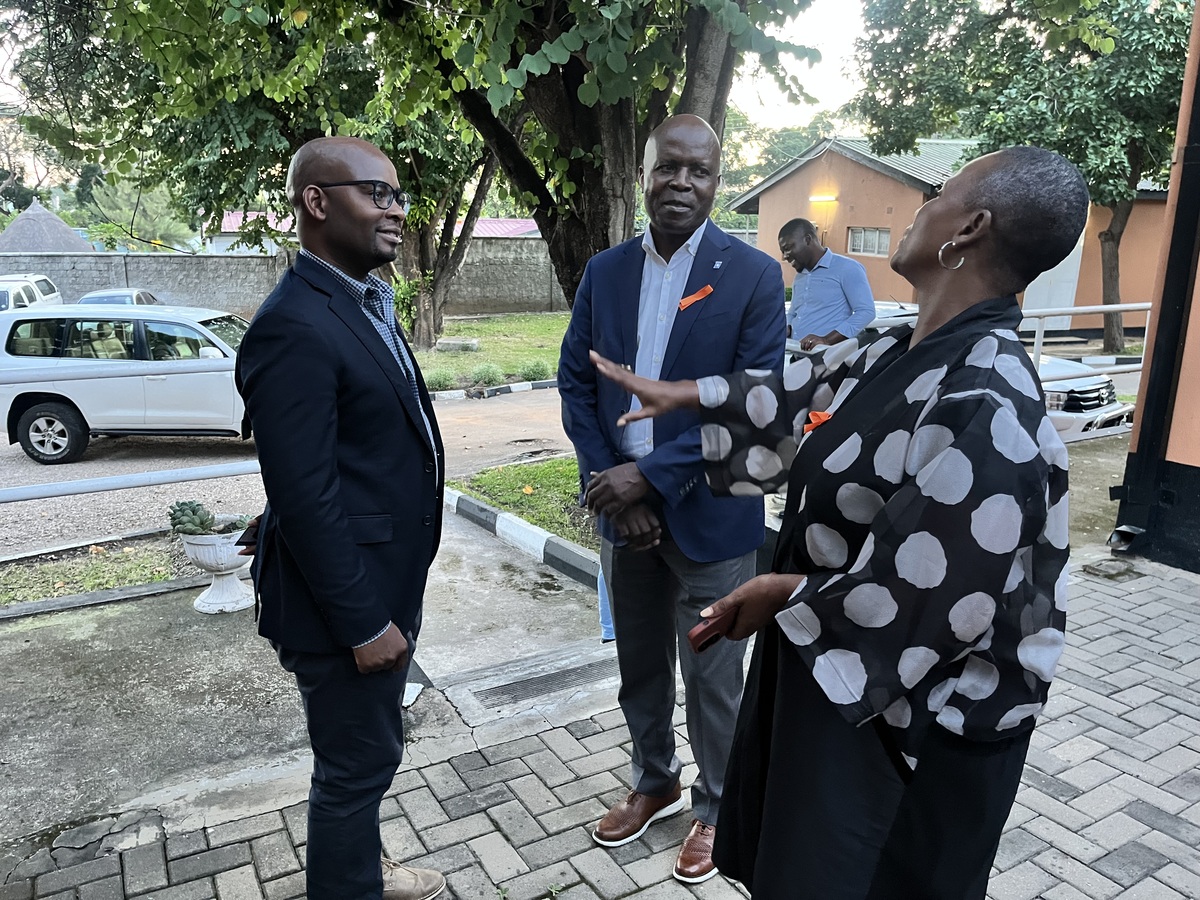
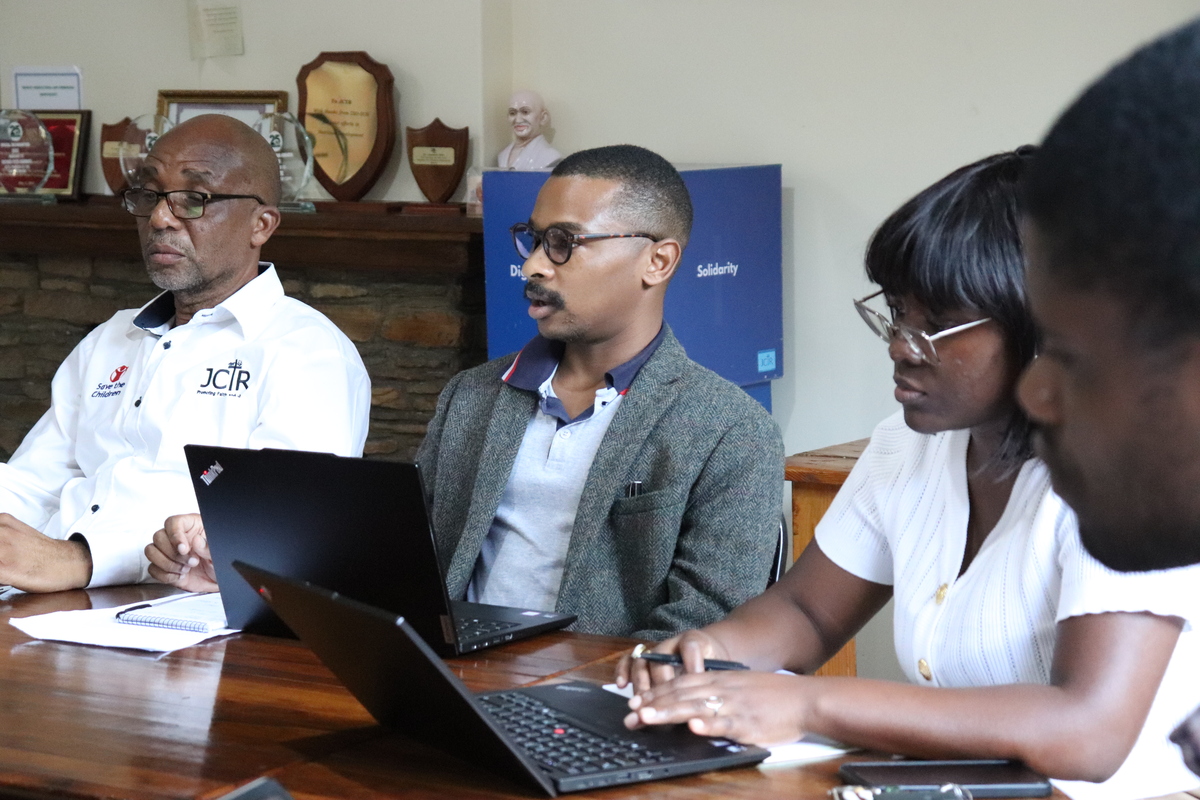
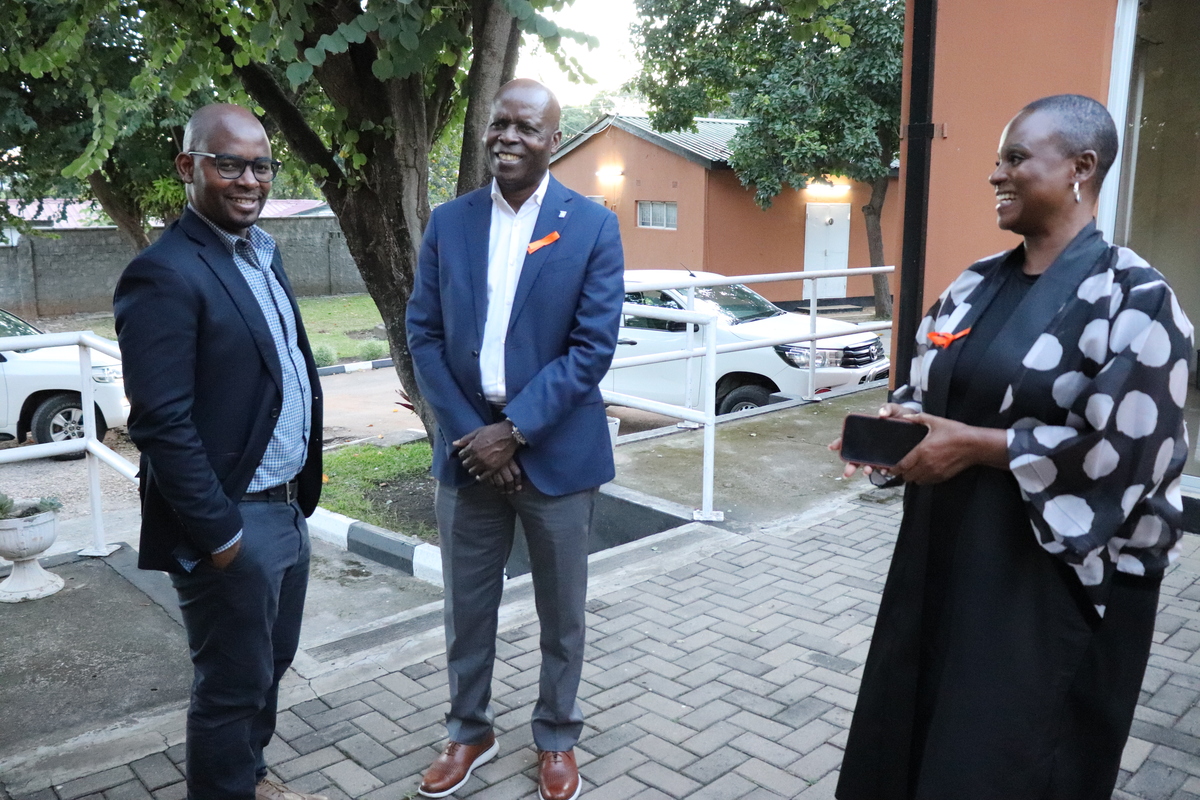
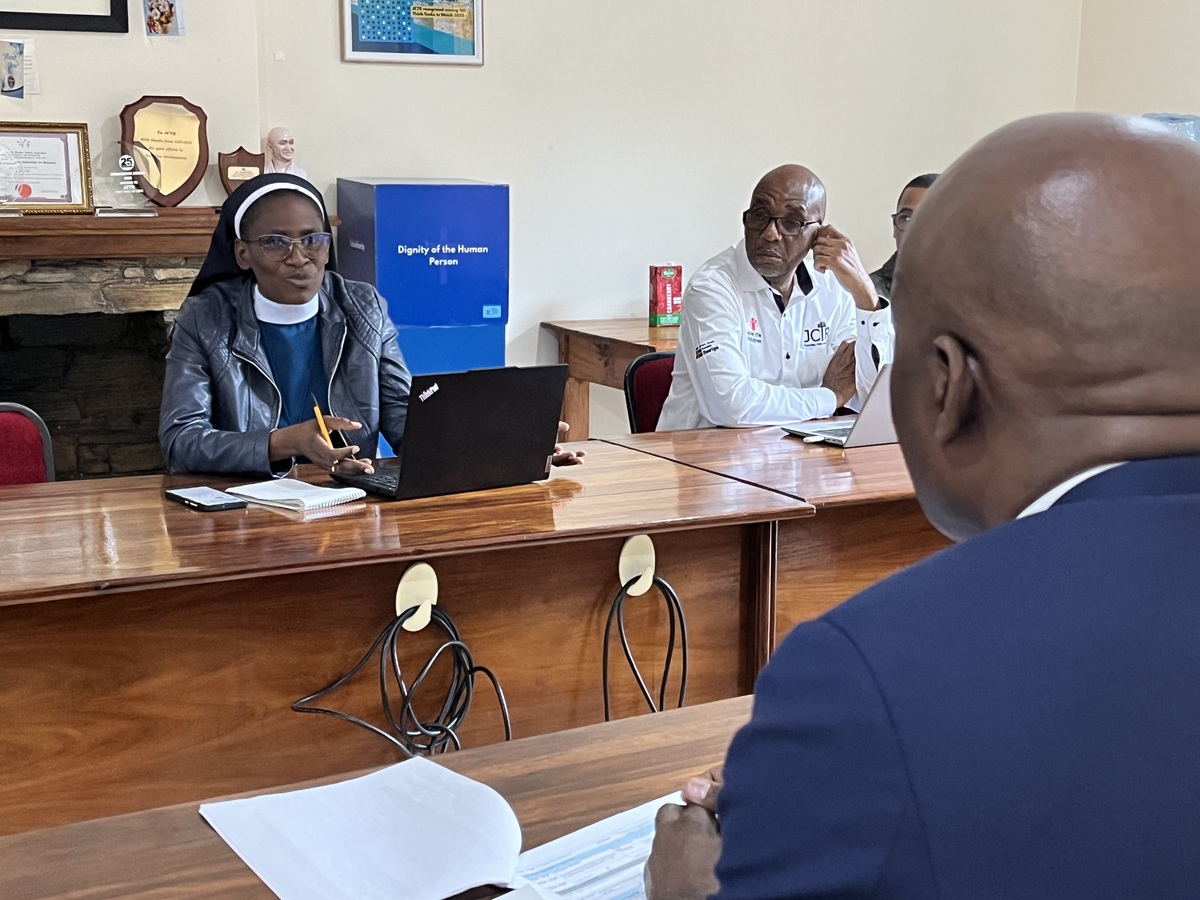
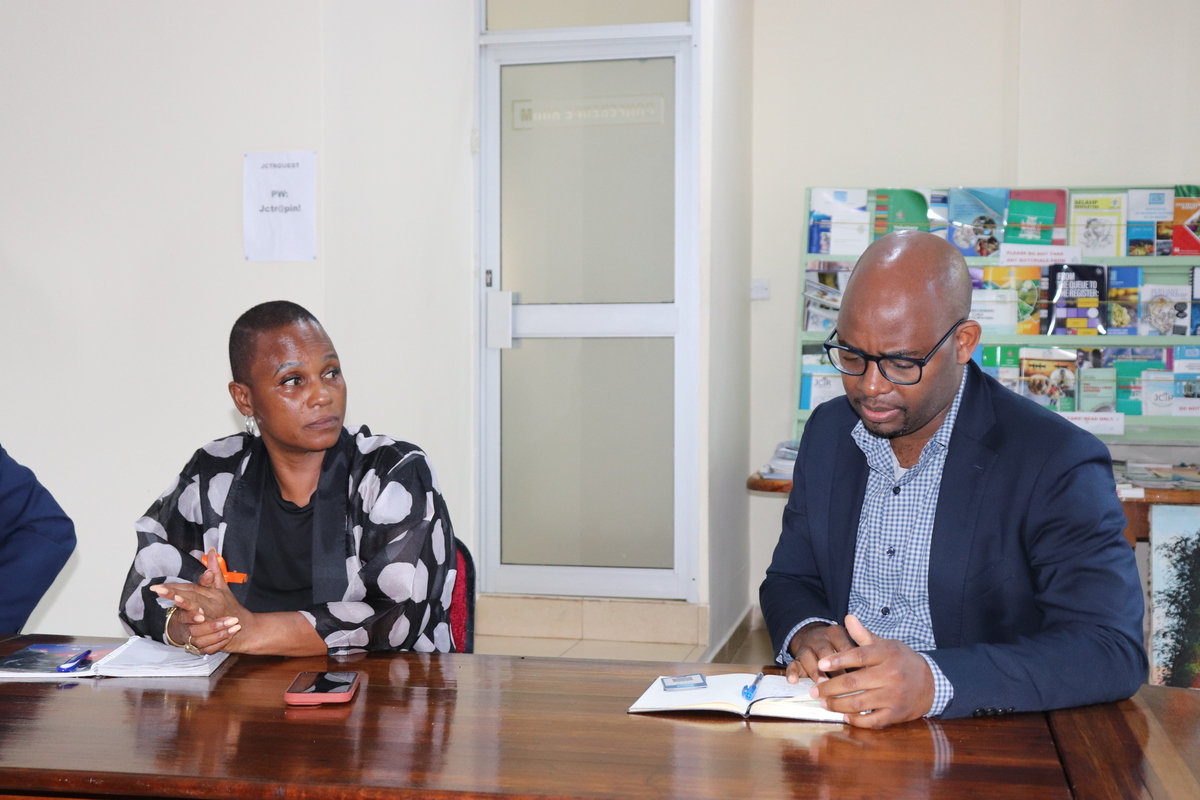
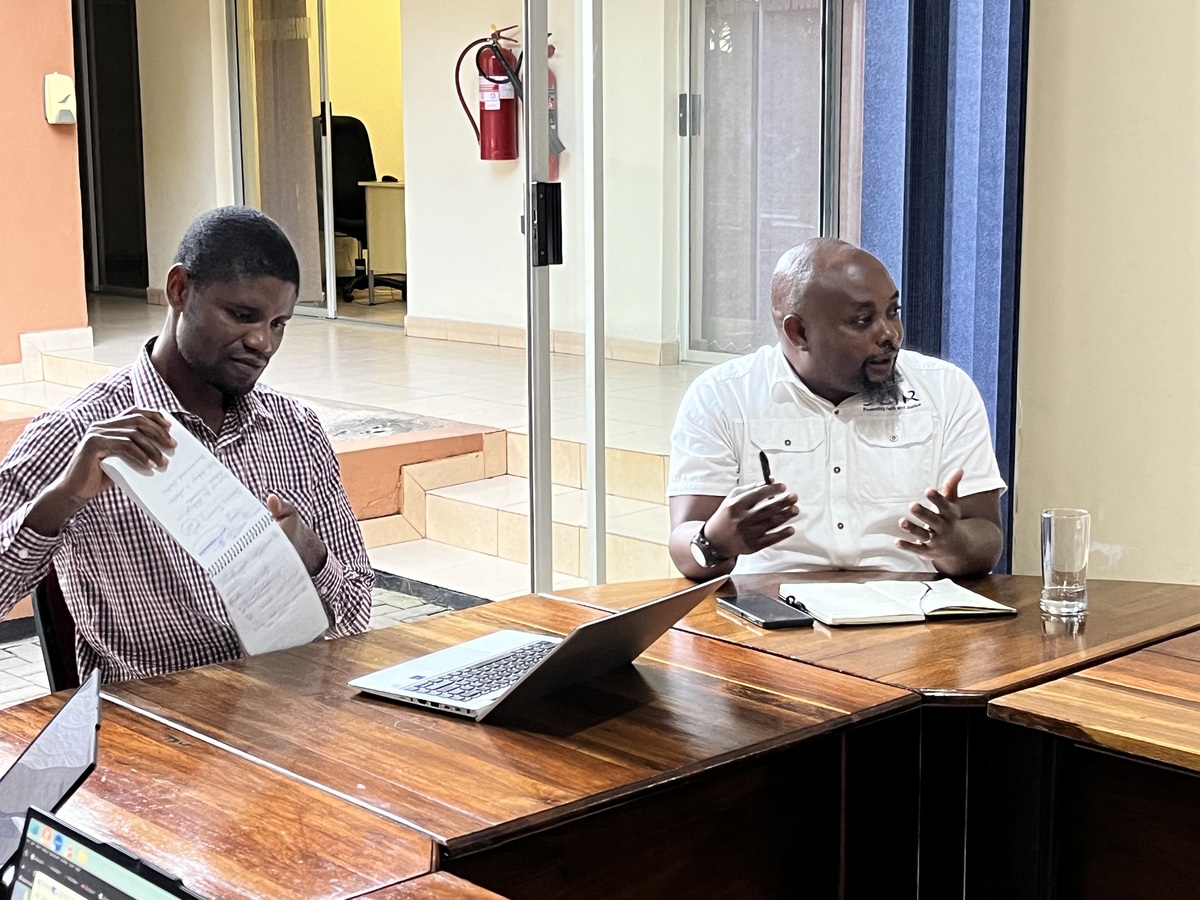
Our recent engagement with representatives from the United Nations Headquarters in New York, via the Department of Political and Peacebuilding Affairs (DPPA) and the Electoral Assistance Division (EAD), provided a valuable opportunity to exchange perspectives on Zambia’s electoral environment. Such interactions are important in fostering mutual understanding and reinforcing collective efforts towards peaceful, credible, and inclusive elections.
From JCTR’s standpoint, the electoral process must be understood within the broader governance context. Public trust in elections is closely linked to transparency, accountability, and the responsiveness of institutions. As such, ongoing reforms and discussions present an opportunity to strengthen these foundations.
The delimitation process, for instance, plays an important role in ensuring fair and equitable representation. As this process unfolds, continued stakeholder engagement and clear communication will be essential in reinforcing public confidence and ensuring that outcomes are widely understood and accepted.
Similarly, discussions around the legal and constitutional reforms, as is the case for Bill 7, reflect the dynamic nature of Zambia’s democracy. JCTR encourages continued inclusive dialogue that brings together diverse voices, ensuring that any reforms contribute positively to democratic consolidation and uphold principles of fairness and accountability.
Our broader work in governance and social accountability across the country highlights the importance of citizen engagement in public processes. Communities consistently express the desire for greater transparency and participation, particularly in areas such as public resource management. These aspirations are equally relevant in the electoral sphere, where trust and legitimacy are key.
As Zambia moves closer to the 2026 elections, maintaining open channels of dialogue among stakeholders — government, civil society, and cooperating partners — will be essential. Strengthening civic awareness, supporting institutional integrity, and promoting constructive engagement will all contribute to a credible electoral process.
JCTR remains committed to supporting these efforts through research, dialogue, and citizen-focused engagement. By working collaboratively, Zambia can continue to build a democratic system that reflects the will and aspirations of its people.

"A just Zambian society guided by faith, where everyone enjoys the fullness of life".